


If you’re searching for fruits that start with I, you’ll find a surprisingly diverse collection of common, tropical, and lesser-known choices. Some grow in warm regions of Asia, Africa, and South America, while others are familiar fruit varieties sold in markets worldwide. From juicy Indian jujube and aromatic bael to sweet Irwin mango and unusual Inga fruit, each has its own flavor, texture, and culinary story.
This guide explores 20 tropical fruits, exotic choices, and regional favorites beginning with I. You’ll discover their origins, appearance, taste, and popular culinary uses, making it easier to identify these interesting fruit names and find new options to try.
20 Fruits That Start With I
This collection brings together fruit names beginning with I from several parts of the world. Some are widely recognized regional fruits. Others are lesser-known varieties that rarely appear in ordinary U.S. supermarkets. Common names can also differ between countries.
As you explore the list, pay attention to more than flavor. A fruit’s skin, pulp, seeds, ripeness, and traditional use can tell an interesting story. That makes these fruit varieties useful for learning about regional food cultures as well as expanding your produce vocabulary.
1. Icaco (Cocoplum)
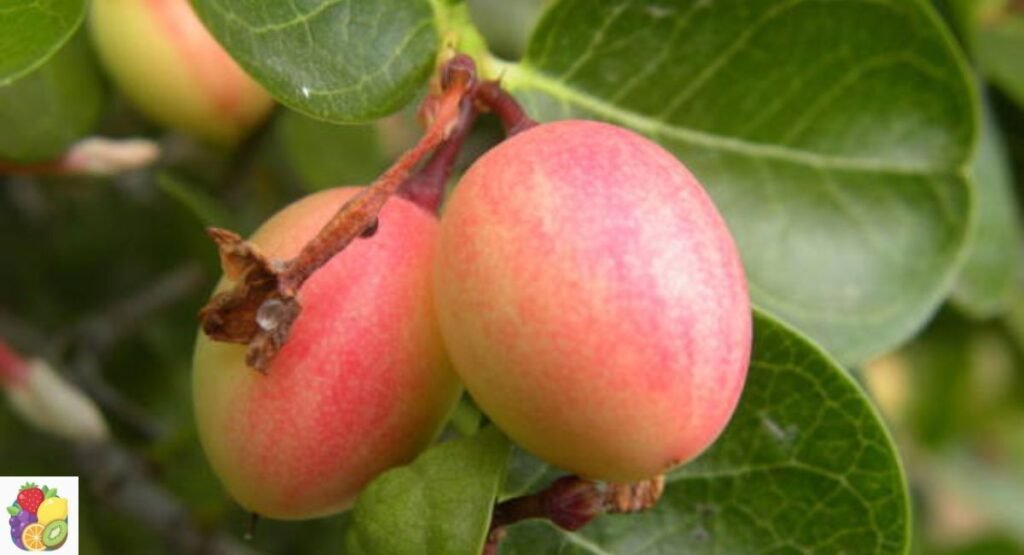
Icaco is better known in English as cocoplum. It grows naturally in tropical and subtropical areas, including coastal parts of the Americas and the Caribbean. The small fruit can develop purple, pink, or pale colors. Its soft flesh has a mild sweetness. People can eat it fresh or turn it into fruit jams and preserves. Its coastal habitat makes Icaco a particularly interesting regional fruit.
2. Ilama
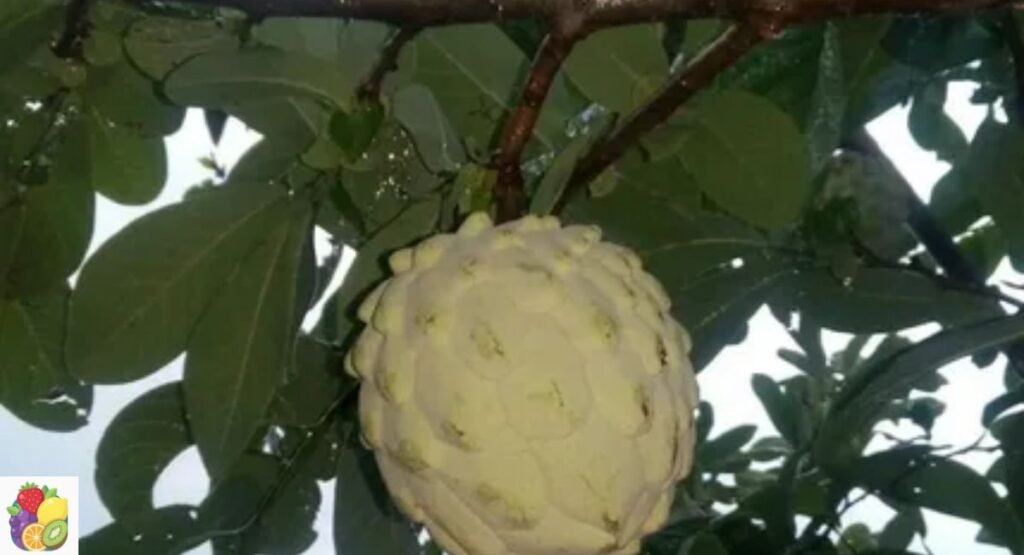
Ilama is a Central American custard fruit related to other Annona species. Its skin may appear green or pink depending on the variety. Inside, the soft flesh can be white or pink with a creamy texture and sweet flavor. Ripe Ilama is often eaten with a spoon. Its custard-like character makes it one of the more distinctive tropical fruits beginning with I.
3. Imbe
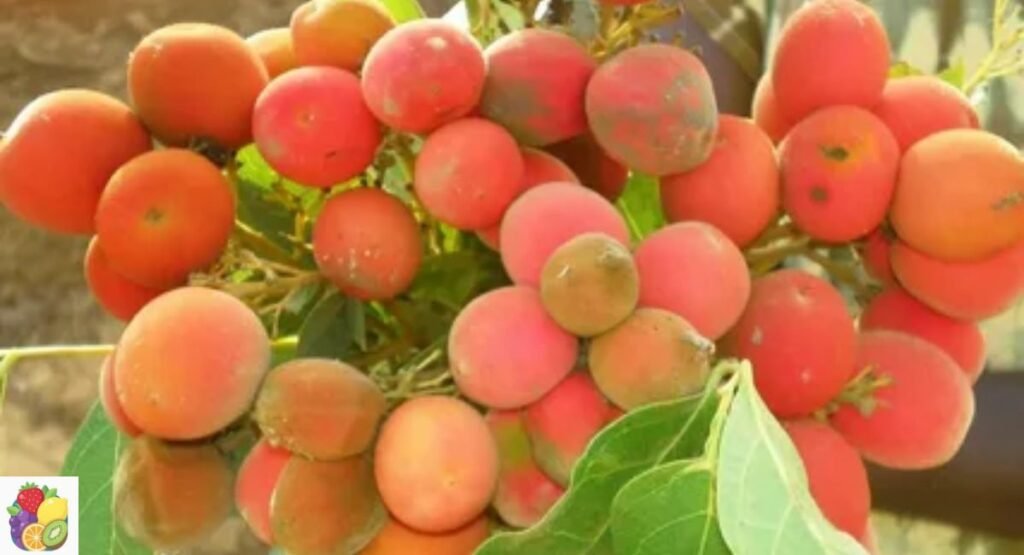
Imbe is a small African fruit associated with Garcinia livingstonei, sometimes called African mangosteen. The fruit develops orange to yellow-orange skin around juicy flesh and a large seed. Its flavor usually balances sweetness with noticeable acidity. It can be eaten fresh when ripe. Local preparations may also include preserves and other cooked uses.
4. Imbu (Umbu)
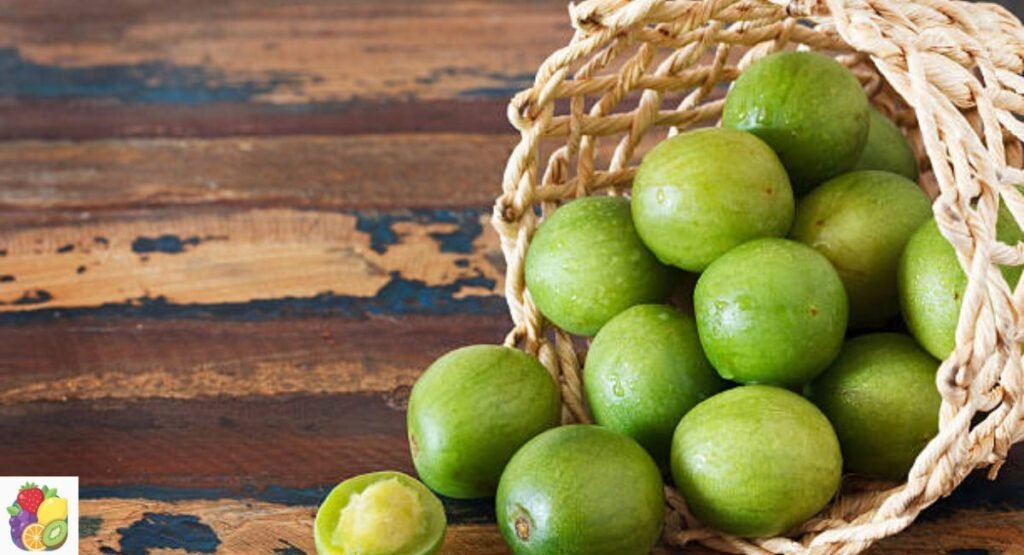
Imbu, also spelled Umbu or Umbú, is a Brazilian native fruit. It grows especially in northeastern Brazil, where its ability to thrive in challenging conditions makes it culturally important. The small yellow-green fruit has juicy pulp and a pronounced tart taste. People use it in juices, jams, jellies, and desserts. Its refreshing acidity makes it especially useful for drinks.
5. Indian Jujube (Ber)
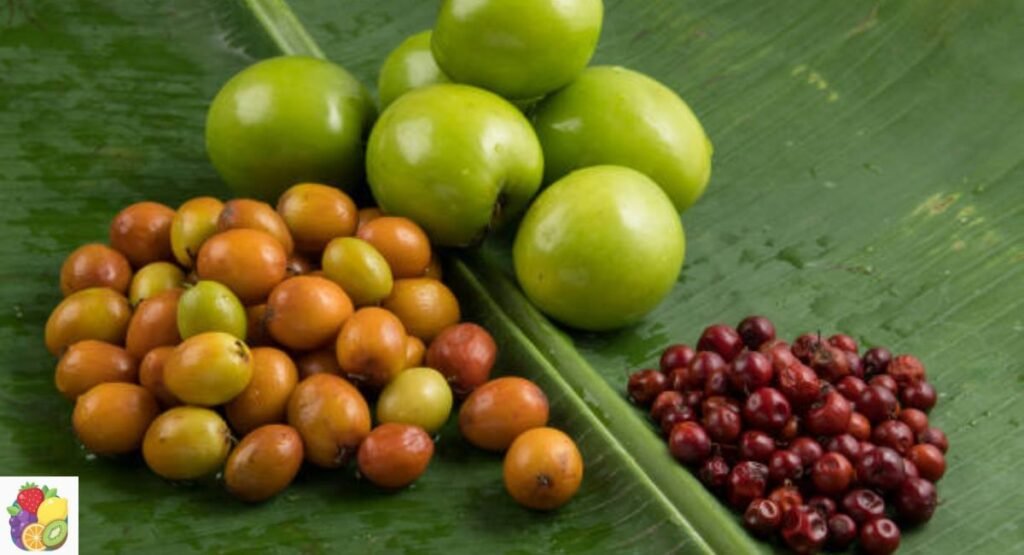
Indian Jujube, commonly called Ber in South Asia, is the fruit of Ziziphus mauritiana. It is native to South Asia and also grows widely in other warm regions. Young fruits can feel crisp and pleasantly tangy. As they ripen further, the texture becomes softer and the flavor sweeter. You can eat them fresh or dried.
6. Indian Fig
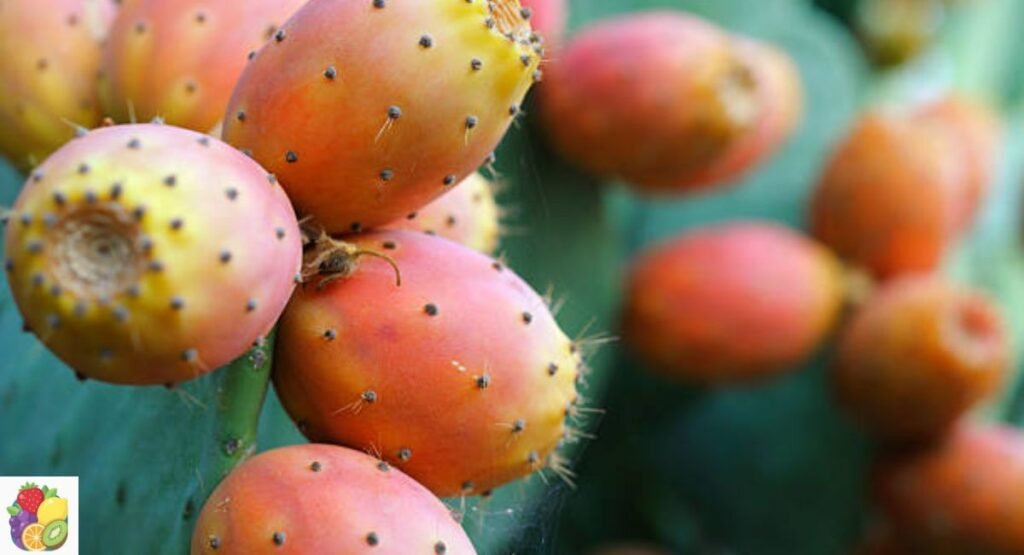
Indian Fig is a common name used for prickly pear or cactus fruit from Opuntia species. The name can therefore cause confusion because it isn’t the same fruit as the familiar Mediterranean fig. Depending on the species and variety, the fruit may develop green, yellow, orange, red, or purple skin. Its juicy pulp contains numerous small seeds.
7. Indian Prune
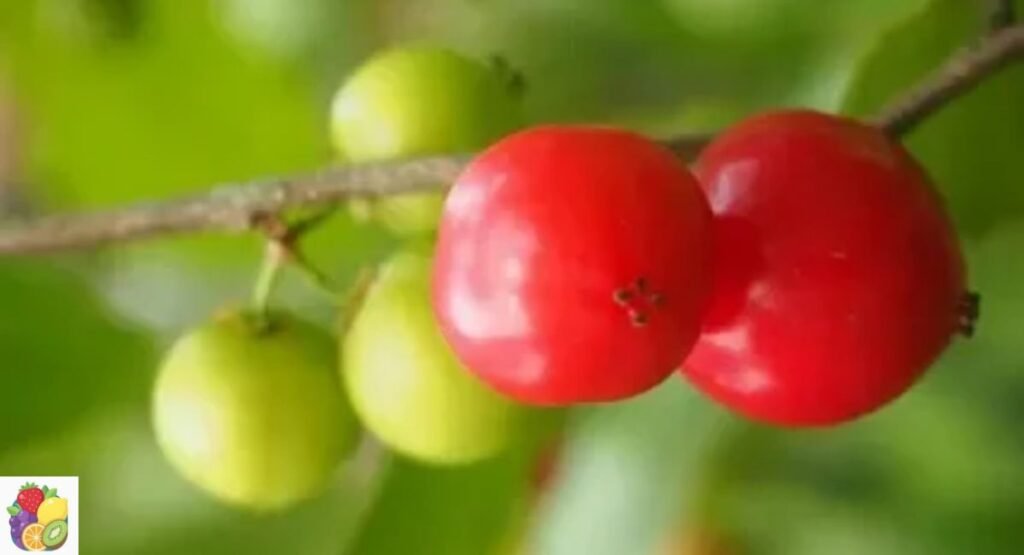
Indian Prune is a regional fruit name that appears in lists of fruit names starting with I. Its exact identity can vary by source because common names aren’t always standardized across countries. Generally, descriptions focus on a small fruit with soft or firm flesh and a sweet-tart taste. Such regional naming is a useful reminder that fruit vocabulary often changes with location.
8. Indian Persimmon
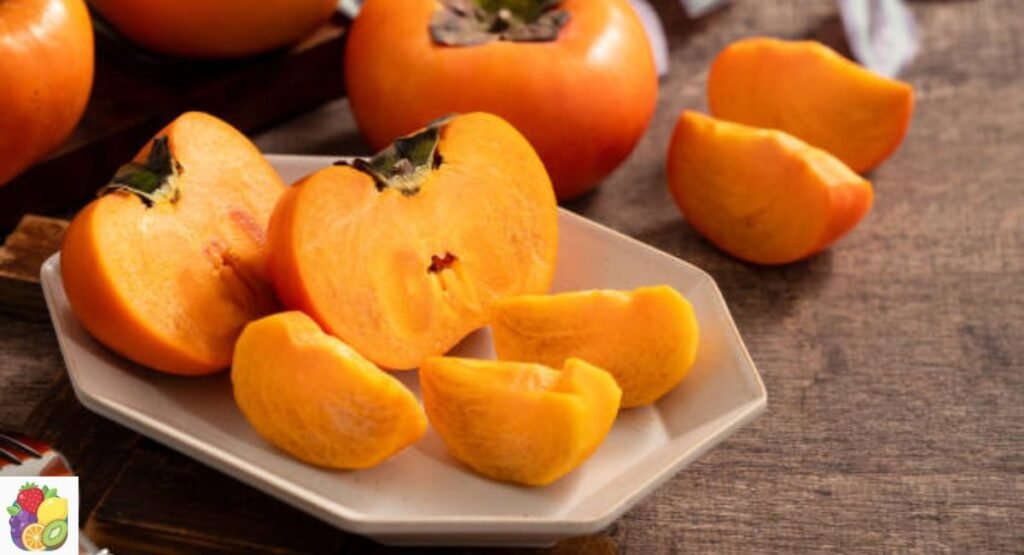
Indian Persimmon refers to a persimmon associated with the Indian region and related warm-climate growing areas. Like other persimmons, its texture changes noticeably with ripeness. A firm fruit can have a crisp bite, while a fully ripe one becomes much softer. The flavor is naturally sweet. You can serve ripe persimmon fresh, sliced, or alongside other fresh fruit.
9. Indian Mulberry (Noni)
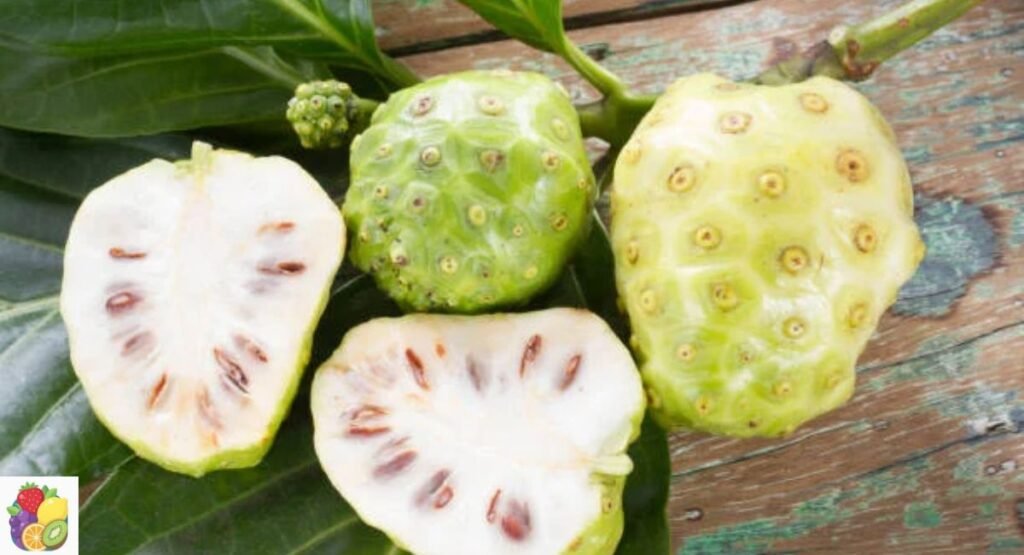
Indian Mulberry is the common name for noni, a tropical fruit from Morinda citrifolia. Official produce references recognize Indian mulberry and noni as names for the same fruit. It has a lumpy green-to-pale appearance and develops a strong aroma when mature. Unlike dessert fruits, its flavor can be quite intense. It is commonly prepared as juice or incorporated into traditional food preparations.
10. Indian Almond Fruit
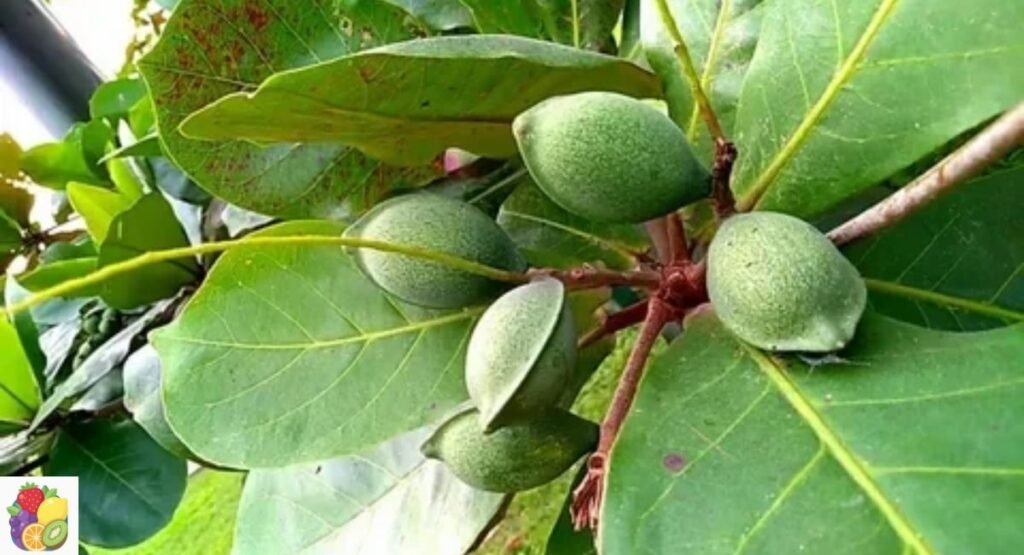
Indian Almond Fruit comes from Terminalia catappa, a tropical tree also known as Indian almond. The fruit has an outer fleshy layer surrounding a hard-shelled seed. Inside that shell is the familiar almond-like kernel. The fruit grows in many tropical regions and has a mildly flavored outer portion. Its importance comes from both the fruit and its edible seed.
11. Indian Bael
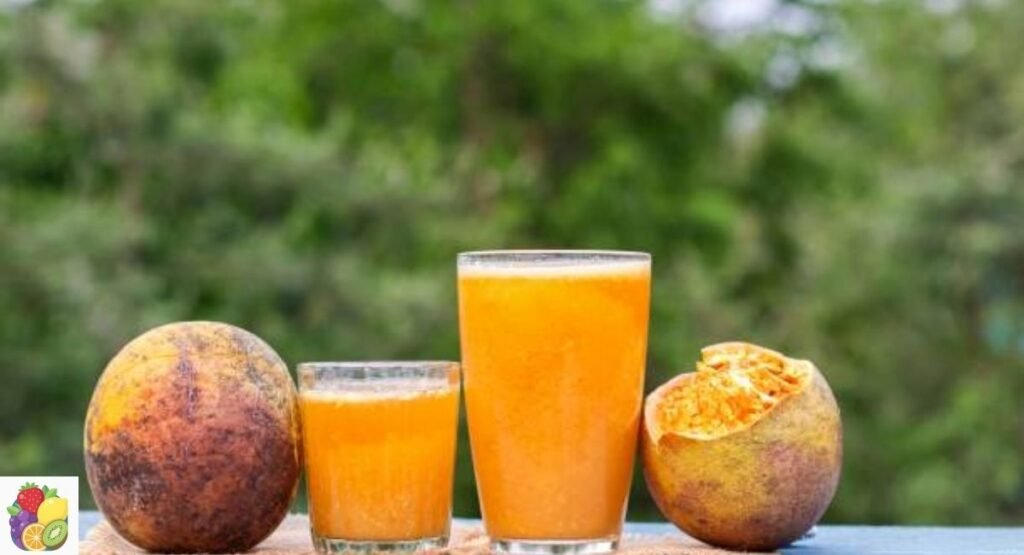
Indian Bael is the fruit of Aegle marmelos, a tree native to parts of South Asia. Its hard outer shell protects aromatic orange pulp filled with seeds. Ripe pulp has a sweet, tangy character and a soft, somewhat mucilaginous texture. It can be eaten fresh or made into sherbet, syrup, marmalade, and fruit nectar.
“Ripe fruit is eaten fresh and is also prepared as a sherbet, syrup, marmalade and fruit nectar.”
12. Indian Sherbet Berry
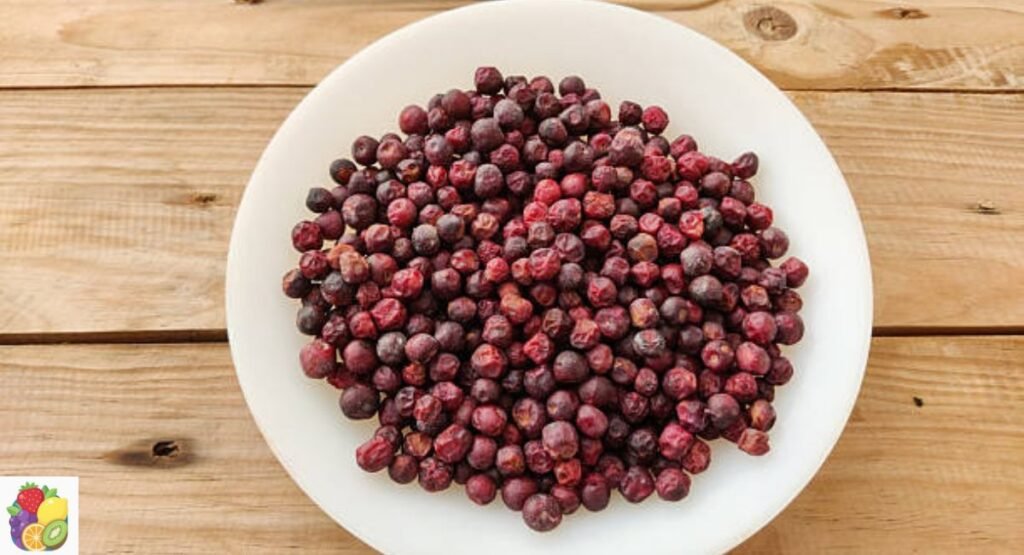
Indian Sherbet Berry is a lesser-known regional fruit name. It is generally described as a small berry used in local food traditions and beverages. Depending on the particular plant referred to by the name, color and flavor descriptions can differ. That makes regional naming important here. The fruit is associated with drinks, preserves, and other traditional preparations.
13. Indian Wild Pear
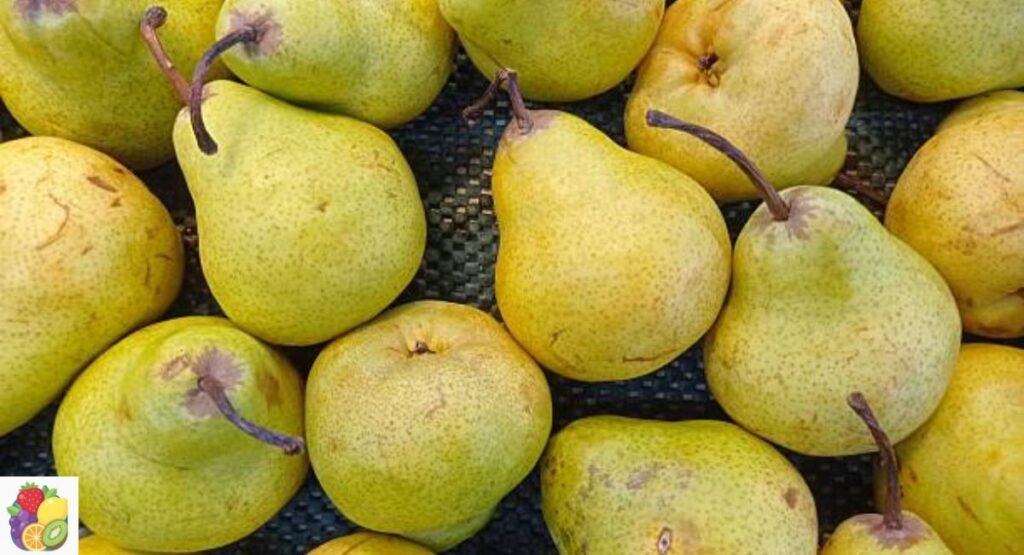
Indian Wild Pear refers to lesser-known pear types found in regional or wild settings. Unlike large commercial pears, wild forms can be smaller and firmer. Their flavor may also be less sweet and more astringent. Some are eaten fresh when ripe while others work better in cooked preparations. These differences make wild fruits interesting alternatives to familiar supermarket varieties.
14. Indian Blackberry
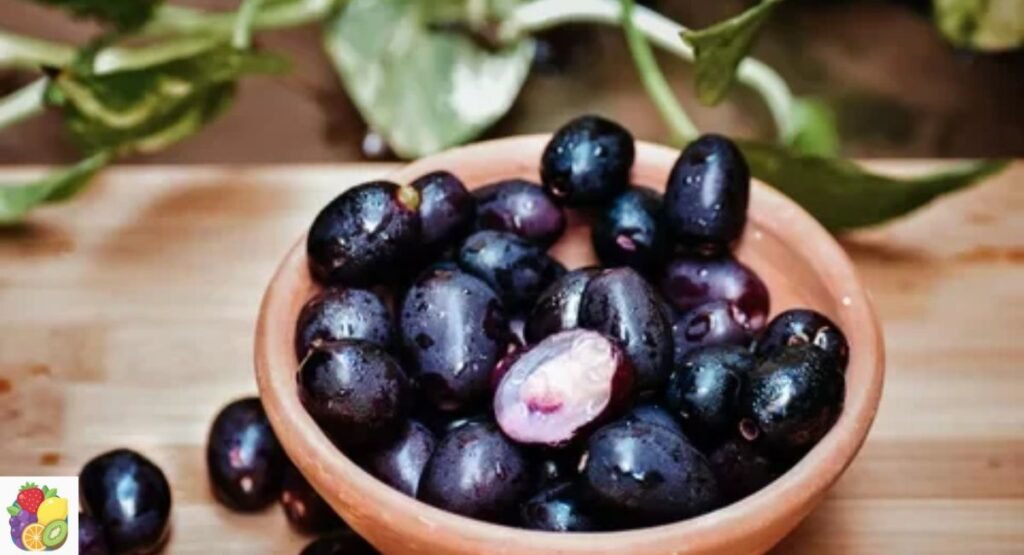
Indian Blackberry is a regional name associated with dark-colored berry fruits. The berries typically have juicy flesh and a sweet-tart character. Their deep color makes them visually striking in fresh dishes. Depending on availability, people may eat them fresh or use them in desserts and other preparations. Regional names can vary, so this entry should not be confused with every blackberry species grown in India.
15. Inca Berry (Golden Berry)
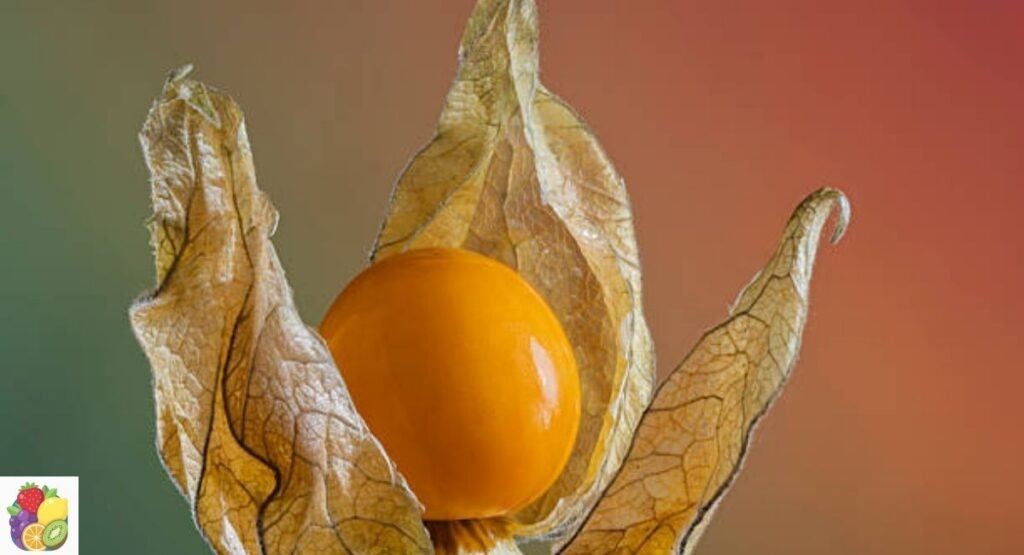
Inca Berry is a popular name for golden berry, also known as Cape gooseberry in many markets. The small orange fruit develops inside a papery husk. Its flavor is bright, tart, and slightly sweet. You can eat it fresh or dried. It also works well in desserts, fruit salads, snack mixes, and decorative dishes.
16. Irwin Mango
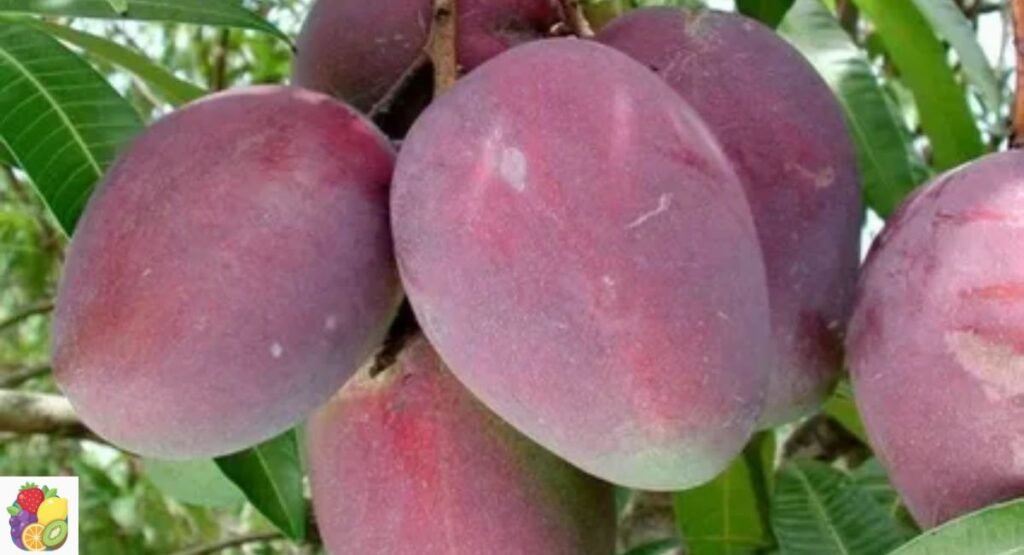
Irwin is a named mango variety rather than a separate mango species. It is valued for its attractive red-to-yellow skin and golden flesh. The flesh is juicy and sweet with relatively smooth texture. When ripe, it makes an excellent snack on its own. It can also brighten fruit salads, smoothies, desserts, and chilled fruit dishes.
17. Isabella Grape
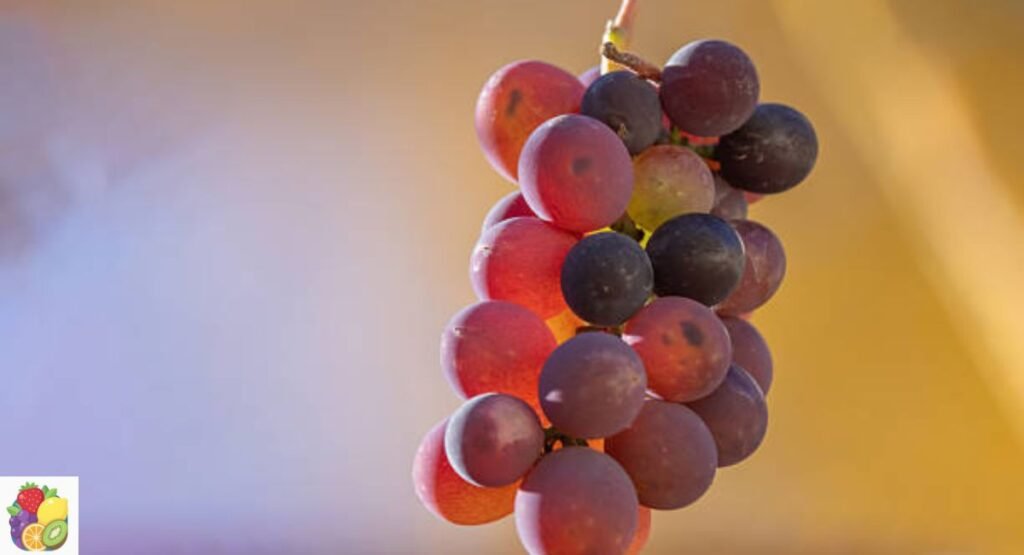
Isabella is a grape variety known for its dark purple color and distinctive aroma. Its flavor combines sweetness with mild acidity. The grapes can be eaten fresh when ripe. They are also suitable for juice and other grape-based preparations. Because Isabella is a variety name, its characteristics can differ somewhat depending on growing conditions and regional production.
18. Israel Melon
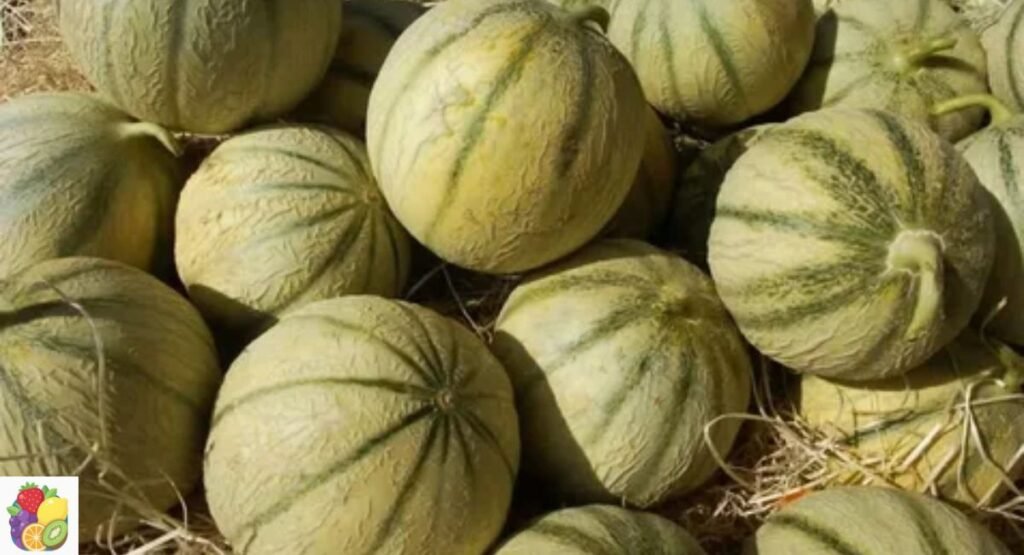
Israel Melon is a market or variety name associated with melons grown and sold under Israeli production or cultivar names. The fruit generally has juicy flesh and a sweet flavor. It can be sliced and served chilled as a snack. It also fits naturally into fruit platters, salads, and summer desserts. Melon names can vary considerably between growers and markets.
19. Italian Plum
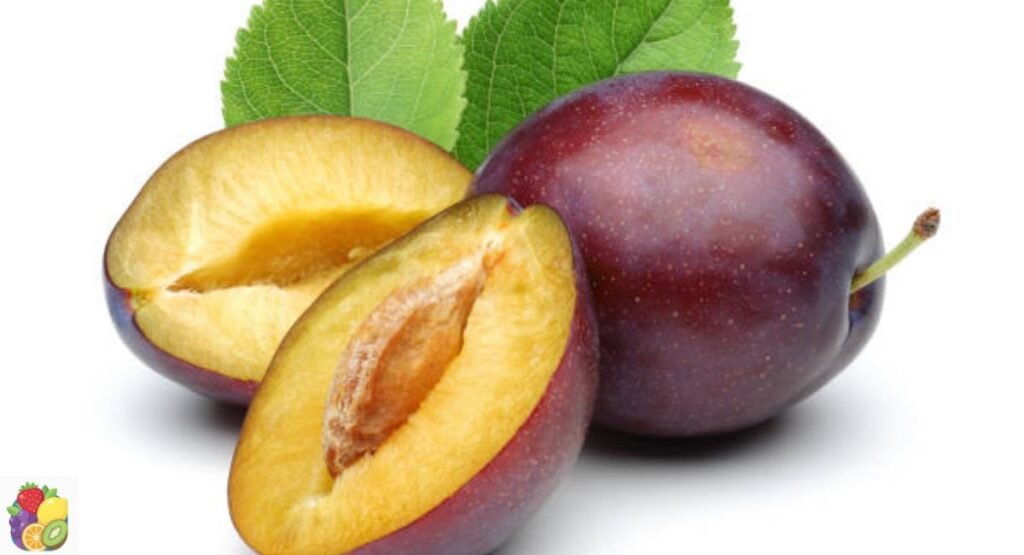
Italian Plum is a European plum type recognized for its oval shape and dark purple skin. Its flesh is sweet with enough acidity to keep the flavor lively. The firm texture makes it useful in cooking. You can eat it fresh or bake it into desserts. It also works beautifully in compotes, preserves, and dried-fruit preparations.
20. Inga Fruit
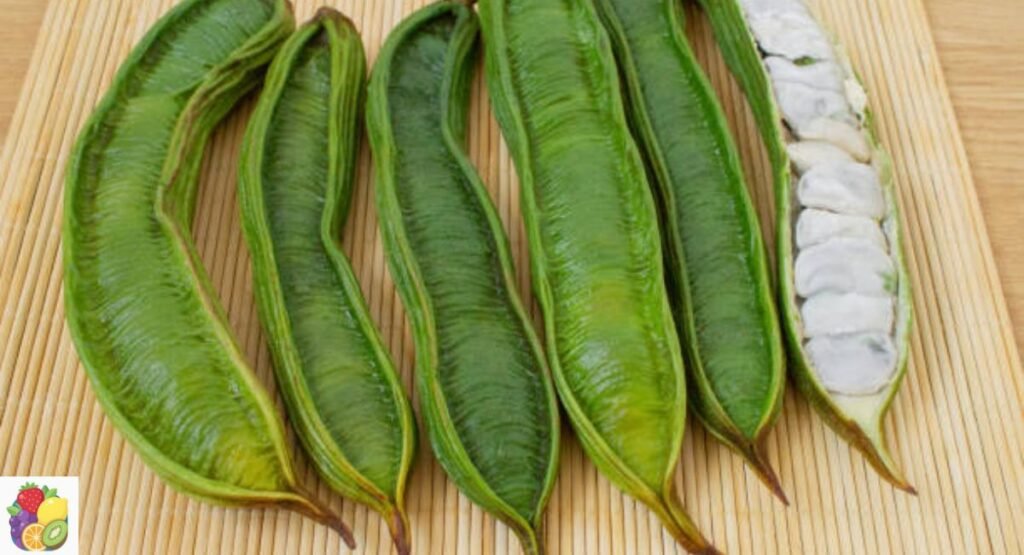
Inga Fruit comes from South America and is best known for its long green pod. Inside, white edible pulp surrounds the seeds. The pulp has a sweet flavor and a soft, cotton-like texture. People commonly eat it fresh by opening the pod and separating the pulp from the seeds. Its unusual structure makes Inga one of the most memorable exotic fruits on this list.
I Fruits at a Glance
The table below makes these fruits with I easier to compare. Notice how widely their colors, textures, and flavor profiles differ. Some are berries or stone fruits. Others are mangoes, melons, custard fruits, pod fruits, or tropical regional selections.
| Fruit | Fruit Type | Main Color | Flavor | Texture |
| Icaco | Tropical fruit | Purple/white | Mild-sweet | Soft |
| Ilama | Custard fruit | Green/pink | Sweet | Creamy |
| Imbe | African fruit | Orange-yellow | Sweet-tart | Juicy |
| Imbu | Brazilian fruit | Yellow-green | Tart | Juicy |
| Indian Jujube | Stone fruit | Green/yellow | Sweet-tart | Crisp/soft |
| Indian Fig | Cactus fruit | Green/orange/red | Sweet | Juicy |
| Indian Prune | Regional fruit | Dark | Sweet-tart | Soft |
| Indian Persimmon | Persimmon | Orange | Sweet | Firm/soft |
| Indian Mulberry | Tropical fruit | Green/white | Strong/tangy | Soft |
| Indian Almond Fruit | Tropical fruit | Green/yellow | Mild | Fibrous |
| Indian Bael | Tropical fruit | Green/orange | Sweet-tart | Pulp-like |
| Indian Sherbet Berry | Berry | Dark | Sweet-tart | Juicy |
| Indian Wild Pear | Wild pear | Green/yellow | Mild-sweet | Firm |
| Indian Blackberry | Berry | Dark purple | Sweet-tart | Juicy |
| Inca Berry | Berry | Orange | Tart-sweet | Juicy |
| Irwin Mango | Mango variety | Red/yellow | Sweet | Juicy |
| Isabella Grape | Grape variety | Purple | Sweet-tart | Juicy |
| Israel Melon | Melon | Green/yellow | Sweet | Juicy |
| Italian Plum | Plum variety | Dark purple | Sweet-tart | Firm |
| Inga Fruit | Pod fruit | Green/white | Sweet | Cottony |
Which I Fruits Are Sweet and Which Are Tart?
Flavor is one of the easiest ways to compare I fruits. Some taste dessert-sweet when ripe. Others have sharp acidity that works better in drinks, preserves, or mixed dishes. Ripeness can also change the balance between sugar and acidity.
A fruit that tastes tart when young may become much sweeter later. Texture can change too. That is especially noticeable with persimmons and jujubes. So when you judge flavor, consider the variety, growing conditions, and stage of ripeness.
Sweet Fruits That Start With I
Ilama, Irwin Mango, ripe Indian Persimmon, Inga, and some Isabella grapes can offer noticeable sweetness. Ilama stands out for its creamy flesh. Irwin Mango offers the familiar tropical sweetness associated with ripe mangoes. Inga is unusual because its sweet pulp feels soft and cotton-like rather than juicy.
Tart and Tangy I Fruits
Imbu, Imbe, Inca Berry, Indian Jujube, and Italian Plum can offer more acidity. Their sweet-tart flavor makes them useful in jams, drinks, sauces, and desserts. Inca Berry is especially recognizable for its bright tang. Imbu also has a refreshing acidity that works well in traditional beverages.
Mild-Flavored I Fruits
Icaco and Indian Almond Fruit can offer gentler flavor profiles than strongly acidic berries. Indian Wild Pear may also taste less intensely sweet than cultivated dessert pears. Mild fruits can be useful when you want subtle flavor. They also pair easily with other ingredients without overwhelming them.
Tropical Fruits That Start With I
Many of the most unusual tropical fruits on this list come from warm regions. Their diversity is impressive. Some grow in humid environments while others tolerate dry tropical conditions. Geography often explains why a fruit remains common locally but stays unfamiliar to U.S. shoppers.
Warm climates can produce fruit with unusual aromas, colors, and textures. They also support many native species that rarely enter international supermarkets. That makes I-fruits a fascinating window into regional produce.
Tropical Fruits From Asia
Indian Jujube, Indian Bael, Indian Mulberry, and Indian Almond Fruit represent several Asian fruit traditions. Their uses range from fresh snacks to drinks and preserved foods. Bael has a particularly long history of use across South Asia and Southeast Asia. Its distribution extends beyond India into several tropical Asian regions.
Tropical Fruits From Africa
Imbe is the clearest African example in this collection. Its orange fruit and tart flavor make it quite different from common American berries. Regional fruits such as Imbe also show why native fruits can be valuable sources of local food diversity. Many remain uncommon outside their original growing areas.
Tropical Fruits From South America
Imbu and Inga are strong examples of South American diversity. Imbu is closely associated with northeastern Brazil. Inga is recognized across tropical parts of South America. Both have distinctive edible pulp. Their traditional uses also show how regional cuisines adapt fruits to local climates and food habits.
Unusual and Lesser-Known I Fruits
The most exciting part of this list is its unusual selection. A fruit doesn’t need to look like an apple or orange to be useful. Some have pods, hard shells, papery coverings, or creamy pulp. Others carry names that sound familiar even though the fruits are completely different.
Common names can also create confusion. Indian Fig, for example, may refer to a cactus fruit rather than the familiar fig. Inca Berry and golden berry are names used for the same fruit. These examples show why alternate fruit names matter when researching unfamiliar produce.
Rare Fruits With Unusual Textures
Ilama offers creamy flesh. Inga provides soft, cotton-like pulp inside a long pod. Bael contains aromatic pulp with a distinctive consistency. These textures are very different from the crisp bite of a jujube or the firm flesh of an Italian Plum. Exploring texture can make unfamiliar fruit much more approachable.
Fruits With Unusual Names
Regional naming gives many I fruits their character. Icaco is also called cocoplum. Imbu is also known as Umbu. Inca Berry can refer to golden berry or Cape gooseberry. These fruit synonyms aren’t merely linguistic curiosities. They help shoppers identify the same produce across countries and markets.
How to Eat and Use I Fruits
There is no single best way to enjoy these fruits. Some taste best straight from the hand. Others become more appealing after cooking. The right method often depends on the fruit’s acidity, texture, seeds, and ripeness.
If you’re trying an unfamiliar fruit, start with a small portion. Check whether the skin is edible and remove large or hard seeds. For fruits sold under regional names, confirm the exact variety before preparing them. That simple step can prevent confusion.
I Fruits You Can Eat Fresh
Indian Jujube, Irwin Mango, Isabella Grape, Inca Berry, Italian Plum, and ripe persimmon can work well as fresh snacks. Ilama is usually enjoyed by scooping out its soft flesh. Inga has a more unusual method because you open the pod and eat the sweet pulp around the seeds.
I Fruits for Drinks
Juices and chilled beverages can highlight fruits with strong acidity or aromatic pulp. Imbu is especially well suited to refreshing drinks. Bael can also become sherbet, syrup, or nectar. Indian Mulberry is commonly encountered in juice preparations because its raw flavor is unusually strong.
I Fruits for Desserts and Preserves
Italian Plum is excellent for baked desserts and compotes because its flesh holds up well during cooking. Icaco and Imbe can work in preserves. Imbu suits jams and jellies. Inca Berry can add a bright tart note to desserts. These culinary uses show that unusual fruits don’t have to remain novelty foods.
I Fruits From Around the World
The geography of these fruits is remarkably broad. Some are associated with South Asia. Others come from Africa, South America, the Caribbean, Europe, or tropical growing regions. Their names often preserve clues about their history, cultivation, or local identity.
| Region | Examples |
| Asia | Indian Jujube, Indian Bael, Indian Mulberry |
| Africa | Imbe |
| South America | Imbu, Inga, Inca Berry |
| Europe | Italian Plum |
| Caribbean and the Americas | Icaco |
| Central America | Ilama |
| Tropical regions | Indian Almond Fruit, Indian Fig |
This geographic spread also explains why some entries are difficult to find in ordinary U.S. stores. A fruit may be well known in its native region yet remain a specialty product elsewhere. International markets and specialty grocers are often better places to discover these lesser-known varieties.
Fruits That Start With I in Spanish
Spanish fruit names can vary by country. Some fruits keep nearly the same name in English and Spanish. Others have a completely different everyday name. Inca Berry is a good example because uchuva is widely used for the fruit in Spanish-speaking South America.
| English Name | Spanish Name | Fruit Category |
| Icaco | Icaco | Tropical fruit |
| Indian Jujube | Jujube indio | Fruit |
| Inca Berry | Uchuva | Berry |
| Italian Plum | Ciruela italiana | Plum |
When researching fruits beginning with I in Spanish, remember that regional vocabulary matters. A fruit may have one name in Mexico and another in South America. Some uncommon fruits may simply keep their local or scientific name.
How Many Fruits Start With the Letter I?
There is no single official number of fruits beginning with I. Different lists use different rules. Some include cultivars. Others include regional names, alternate names, botanical names, or fruits that share the same common name. That can turn a short list into a very long one.
For example, official produce references list Icaco as cocoplum, Ilama as Annona diversifolia, Imbu as Spondias tuberosa, Indian almond as Terminalia catappa, and Indian mulberry as Morinda citrifolia. This is why counting fruit names starting with I requires clear rules. A useful list should avoid counting the same fruit several times simply because it has multiple names.
Conclusion
The world of fruits that start with I is much more interesting than the short letter list might suggest. From creamy Ilama and juicy Imbu to sweet Irwin Mango and unusual Inga Fruit, these selections cover an impressive range of flavors, textures, and growing regions.
Some are easy to recognize. Others are genuine discoveries. Exploring them can introduce you to regional fruits, traditional cuisines, and fruit varieties that rarely appear on a typical supermarket shelf. The letter I may have fewer famous names, but its fruit collection certainly isn’t dull.
FAQs
What is a fruit that starts with I?
Several fruits start with I, including Icaco, Ilama, Imbe, Imbu, Indian Jujube, Indian Bael, Inca Berry, Irwin Mango, and Inga Fruit. Their origins and flavors vary widely.
What are some exotic fruits that start with I?
Ilama, Imbe, Imbu, Inga Fruit, and Inca Berry are good examples. Their unusual textures, regional origins, or uncommon availability make them especially interesting.
What tropical fruits start with I?
Tropical options include Icaco, Ilama, Imbe, Imbu, Indian Jujube, Indian Mulberry, Indian Bael, Indian Almond Fruit, and Inga Fruit. Several come from warm regions of Asia, Africa, and the Americas.
What is the sweetest fruit that starts with I?
There isn’t one universal winner because sweetness depends on variety and ripeness. Ilama, Irwin Mango, ripe Indian Persimmon, and some Isabella grapes can taste notably sweet.
Are there fruits that start with I in Spanish?
Yes. Inca Berry is commonly known as uchuva in Spanish-speaking parts of South America. Icaco also keeps a similar name in Spanish, although regional vocabulary can vary.

Welcome to Fruitloria.com! I’m Anam Sattar, an AI-powered SEO Specialist and Content Writer with over 4 years of experience in creating high-quality, search-optimized content. I help businesses improve their search engine rankings, increase organic traffic, and build beautiful, user-friendly websites. My mission is to make SEO, content creation, and web design simple, effective, and accessible for everyone. Let’s grow your online presence and achieve success together!
1 thought on “20 Fruits That Start With I: Common, Exotic, Tropical & Unique Choices”