


If you’re exploring 20 fruits that start with H, you’ll find a surprisingly diverse collection. From juicy honeydew melon and crisp hardy kiwi to tangy huckleberries and exotic hala fruit, these H fruits offer different flavors, textures, colors, and culinary uses. Some are familiar supermarket favorites, while others are uncommon varieties from tropical islands, Asia, and the Americas. This guide explores fruit names starting with H and explains what makes each one distinctive.
You’ll discover sweet melons, colorful berries, Japanese citrus, tropical fruits, and unusual choices worth knowing. Whether you’re learning fruit names, planning a recipe, or simply curious about fruits beginning with H, this list makes identification easy and enjoyable for readers of all ages.
Complete List of Fruits That Start With H
The world of fruits beginning with H includes several familiar choices and plenty of regional varieties. Some names describe cultivars rather than separate species. Others overlap across countries and growing regions. The table below gives you a quick view of the core names covered in this guide.
| No. | Fruit Name | Type | Flavor |
| 1 | Hackberry | Tree fruit | Mildly sweet |
| 2 | Hala Fruit | Tropical fruit | Mild, sweet |
| 3 | Hami Melon | Melon | Sweet and aromatic |
| 4 | Hardy Kiwi | Kiwi fruit | Sweet-tart |
| 5 | Haruka Citrus | Citrus cultivar | Mild and sweet |
| 6 | Hass Avocado | Cultivar | Creamy and mild |
| 7 | Hassaku | Citrus | Sweet-tart, slightly bitter |
| 8 | Hawthorn Berry | Pome fruit | Sweet to tart |
| 9 | Hawaiian Mountain Apple | Tropical fruit | Mildly sweet |
| 10 | Hawaiian Raspberry | Berry | Sweet-tart |
| 11 | Hebesu | Citrus | Sharp and acidic |
| 12 | Highbush Blueberry | Berry | Sweet and mildly tart |
| 13 | Highbush Cranberry | Berry-like fruit | Tart |
| 14 | Himalayan Mulberry | Tree fruit | Sweet |
| 15 | Hog Plum | Tropical fruit | Sour to sweet |
| 16 | Honeyberry | Berry | Sweet-tart |
| 17 | Honeydew Melon | Melon | Mild and sweet |
| 18 | Horned Melon | Exotic fruit | Mild, cucumber-like |
| 19 | Huckleberry | Berry | Sweet-tart |
| 20 | Huito | Tropical fruit | Sweet and aromatic |
These names also reveal why alphabetical fruit lists can become tricky. Honeyberry and haskap overlap substantially, while horned melon and kiwano commonly describe the same fruit. Similarly, Hass avocado and Honeycrisp apple are cultivated varieties rather than separate botanical species.
20 Fruits That Start With H
1. Honeydew Melon
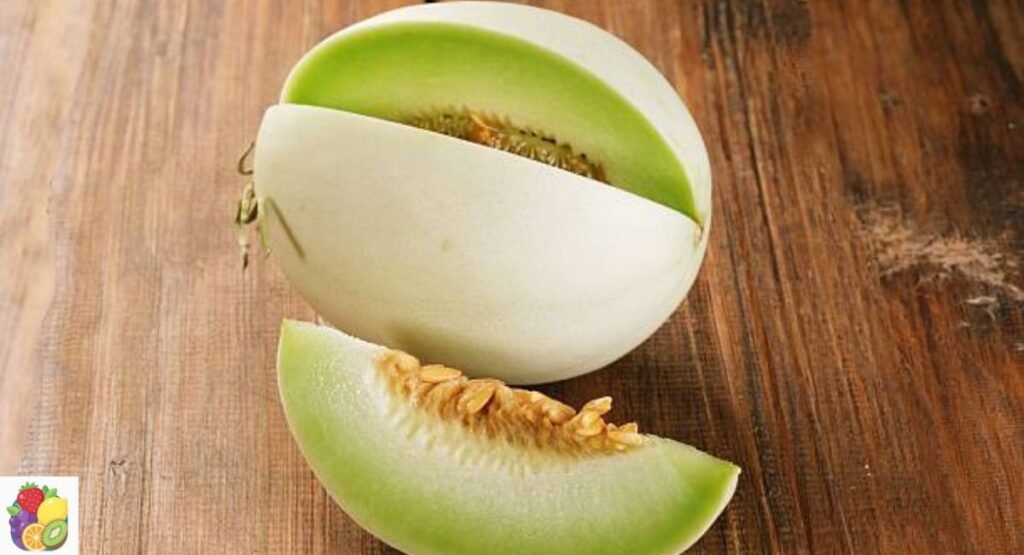
Honeydew melon has smooth, pale skin and juicy green flesh. Its flavor is mild, sweet, and refreshing, which makes it popular in fruit salads and smoothies. You can also enjoy chilled honeydew as a simple summer snack.
2. Huckleberry
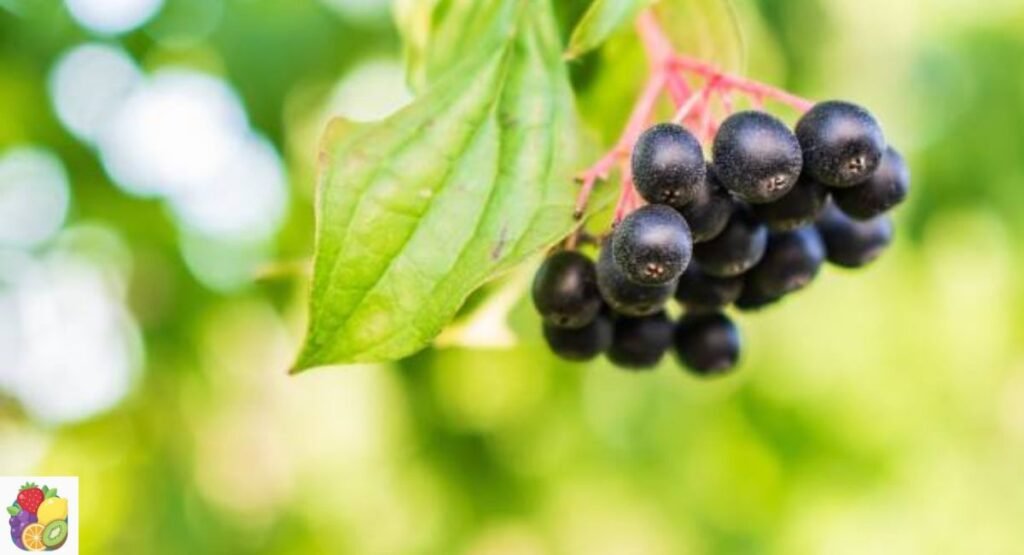
Huckleberries are small fruits that can appear red, blue, purple, or nearly black. They usually have a sweet-tart flavor with juicy flesh. People commonly use huckleberries in pies, jams, sauces, syrups, and other desserts.
3. Hardy Kiwi
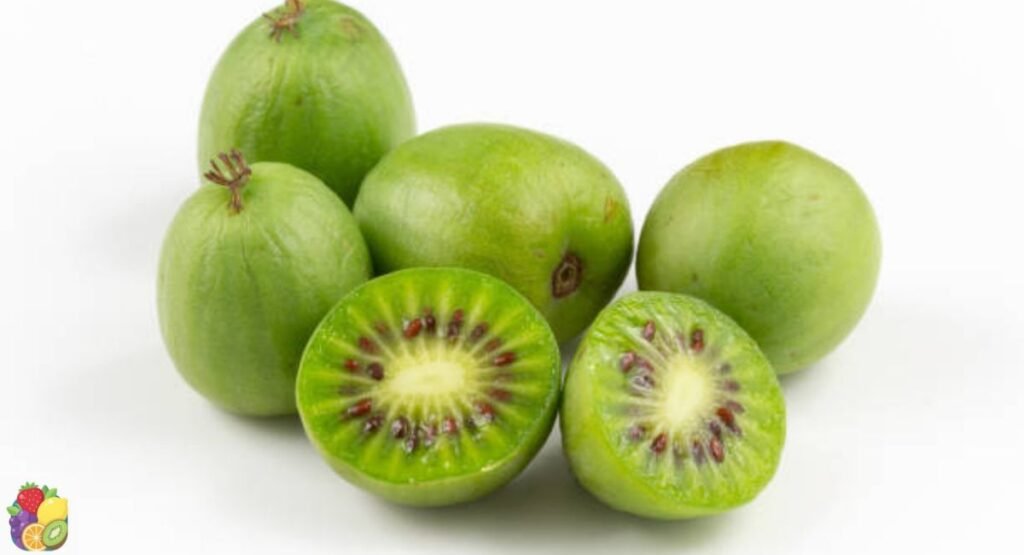
Hardy kiwi is a small kiwi with smooth, edible skin. Its green flesh tastes sweet and pleasantly tangy. Unlike the familiar fuzzy kiwi, you can usually eat hardy kiwi whole without peeling it first.
4. Hackberry
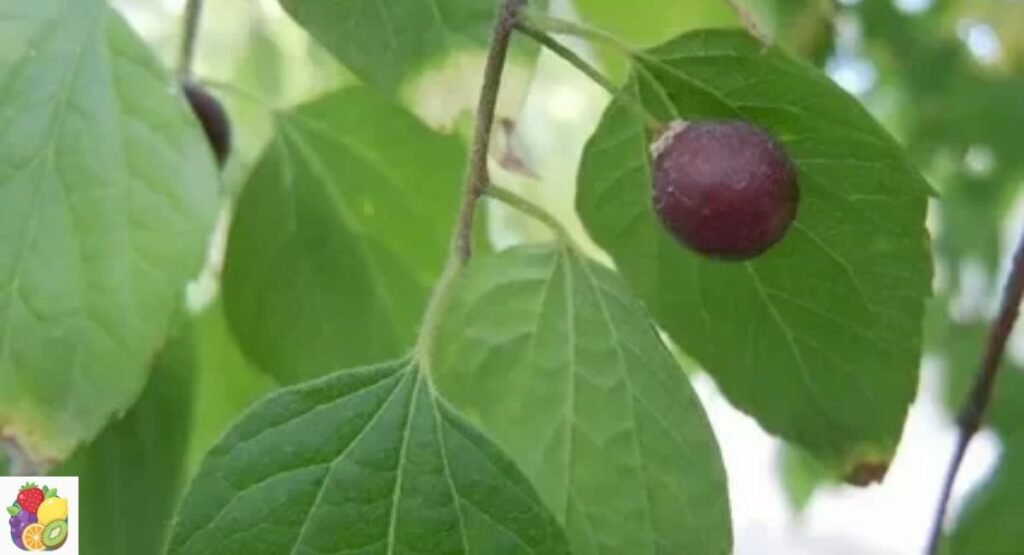
Hackberry is a small fruit that grows on hackberry trees. It contains a relatively large hard seed surrounded by thin, sweet flesh. The fruit may look modest, yet it provides an interesting example of wild edible fruit found on trees.
5. Hala Fruit
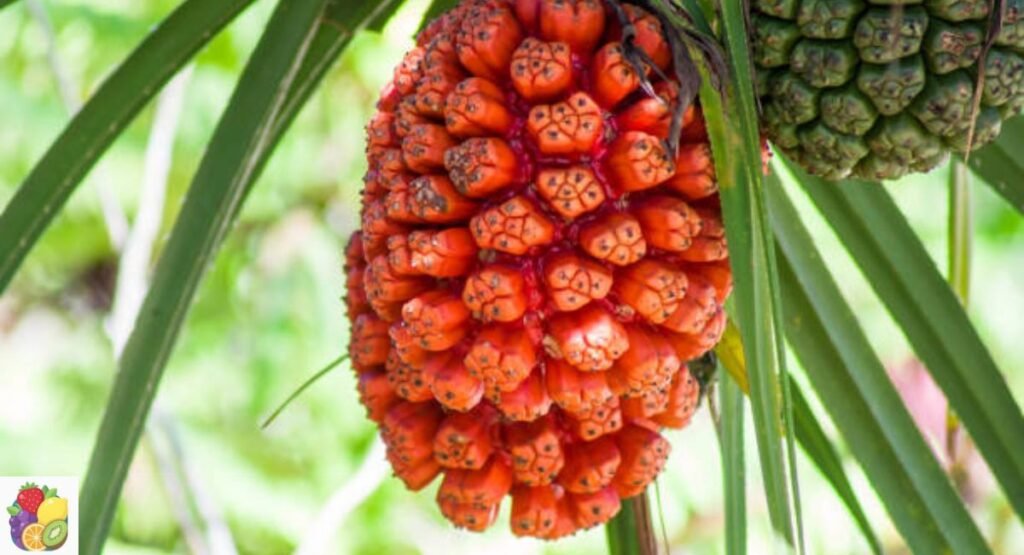
Hala fruit comes from the pandanus tree and has a striking segmented appearance. Its individual sections can become orange, yellow, or reddish when mature. In parts of the Pacific, people have traditionally used the soft fruit sections as food.
6. Hami Melon
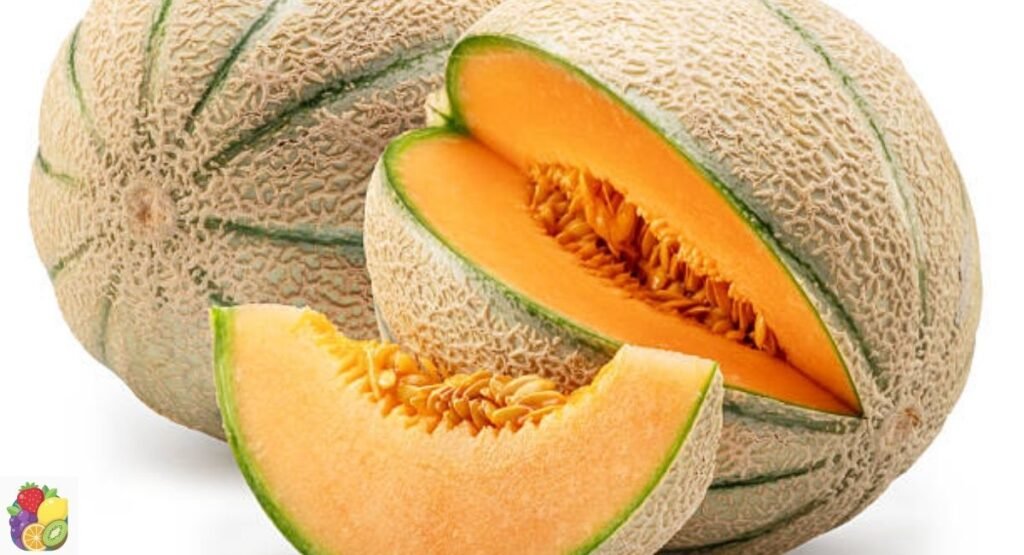
Hami melon is known for its crisp texture and sweet, aromatic flavor. It comes in several varieties, so the flesh can range from green to yellow or orange. This melon works well as a fresh snack, dessert ingredient, or fruit salad addition.
7. Hawthorn Berry
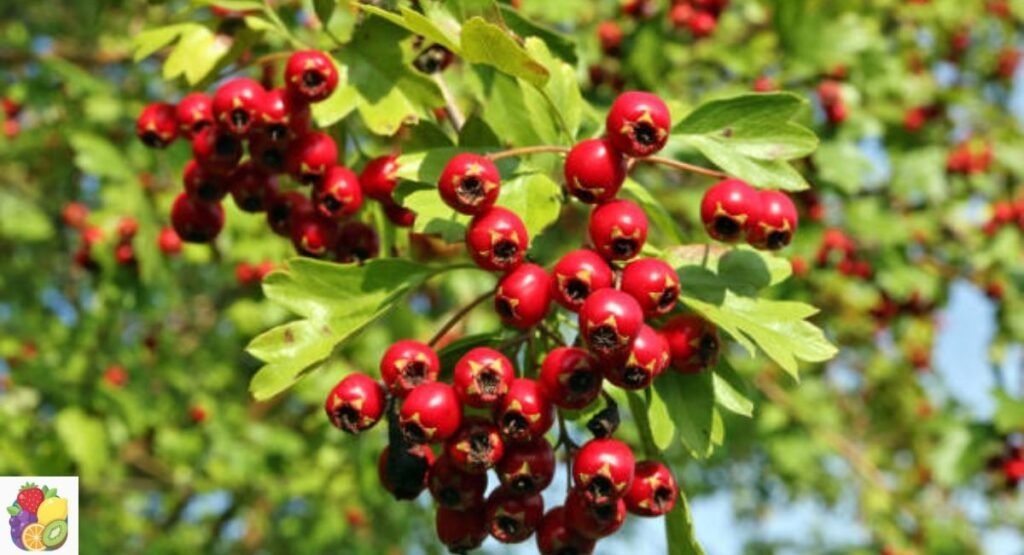
Hawthorn berries are small fruits that grow on hawthorn trees. They often have red or orange skin and a tart to mildly sweet taste. Depending on the species and tradition, people use them in jams, jellies, teas, and other preparations.
8. Honeyberry
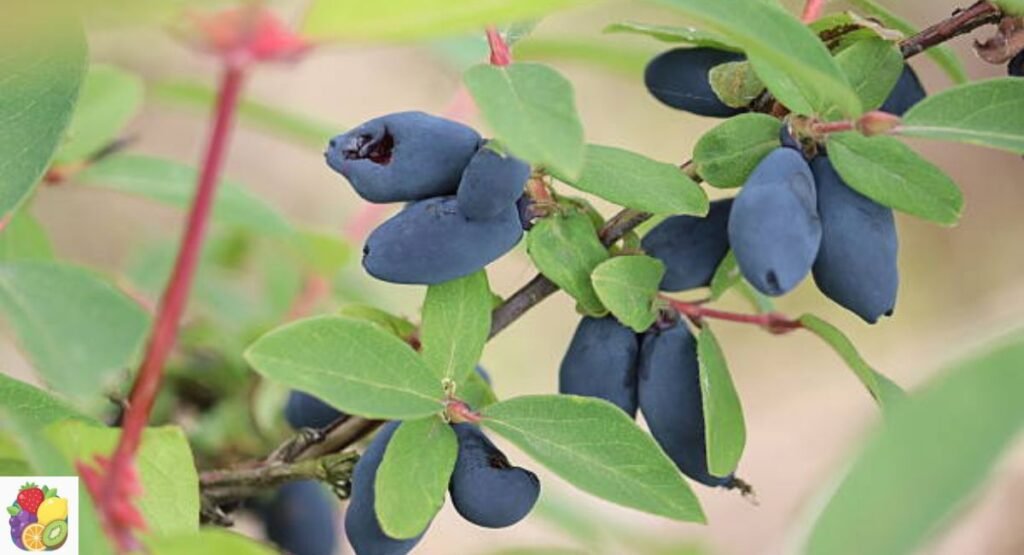
Honeyberry is an elongated blue-purple berry with a flavor that combines sweet and tart notes. It is also widely known as haskap. The berries grow on shrubs and can be eaten fresh or used in jams, sauces, and desserts.
9. Horned Melon
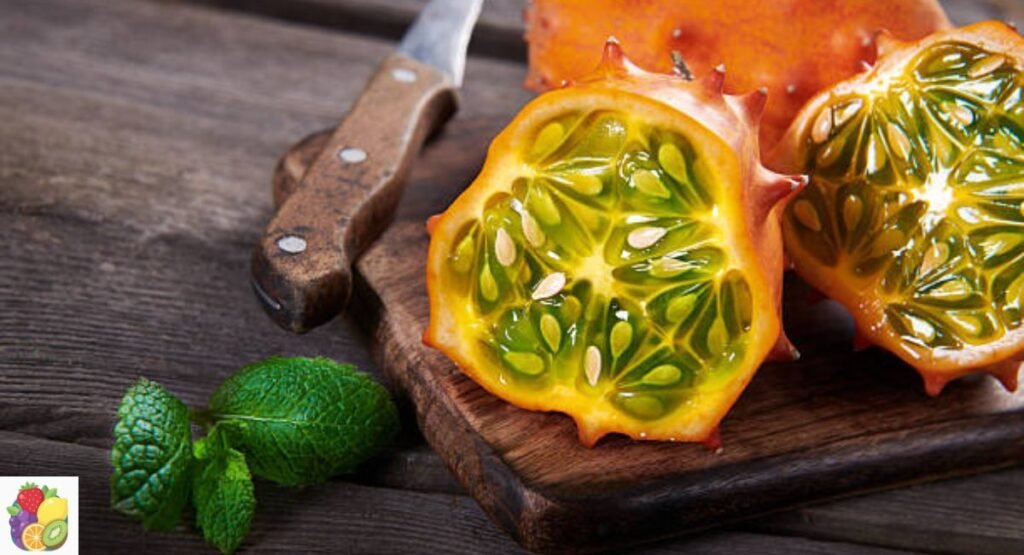
Horned melon has bright orange skin covered with distinctive spikes. Inside, its green jelly-like pulp surrounds many small seeds. Also called kiwano, it has a refreshing flavor often compared with cucumber, melon, and citrus.
10. Huito
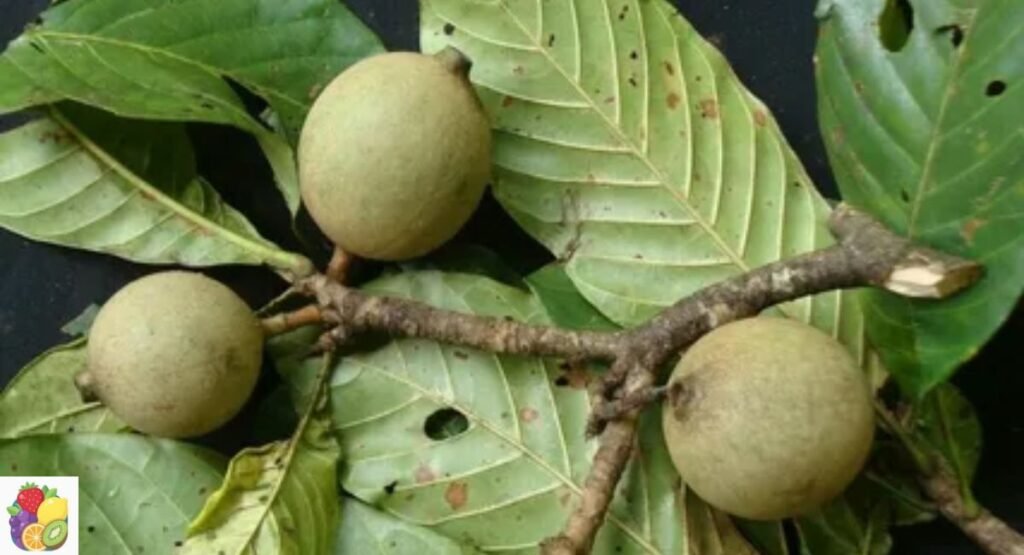
Huito, also called genipap or jagua, is a tropical fruit native to parts of the Americas. It develops a thick skin and soft aromatic pulp. Traditional preparations may use the fruit for drinks, preserves, and other food products.
11. Hog Plum
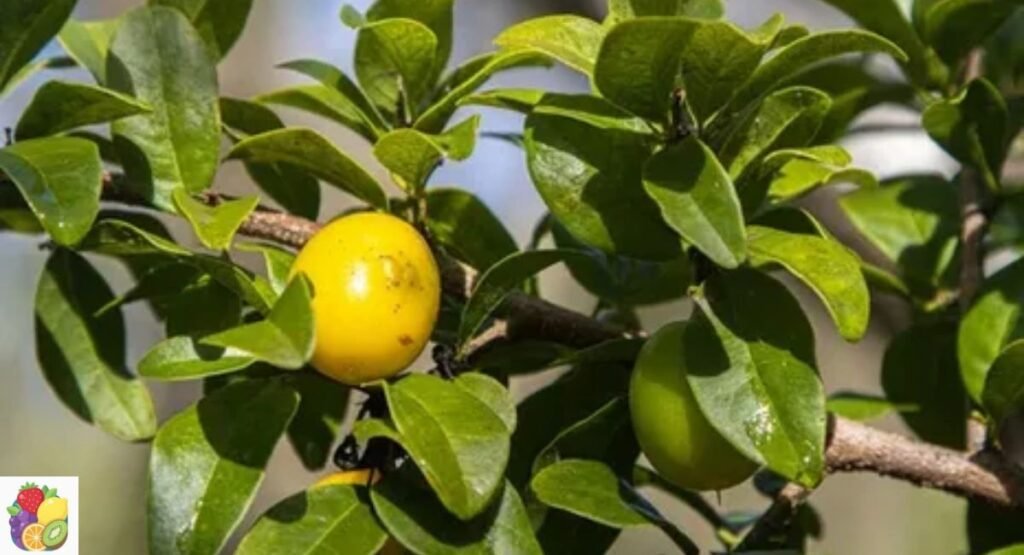
Hog plum is a common name used for several fruits in the Spondias group. The fruit can have a sour, tangy, or sweet flavor depending on its species and ripeness. It is often used in chutneys, sauces, drinks, and other regional dishes.
12. Hawaiian Mountain Apple
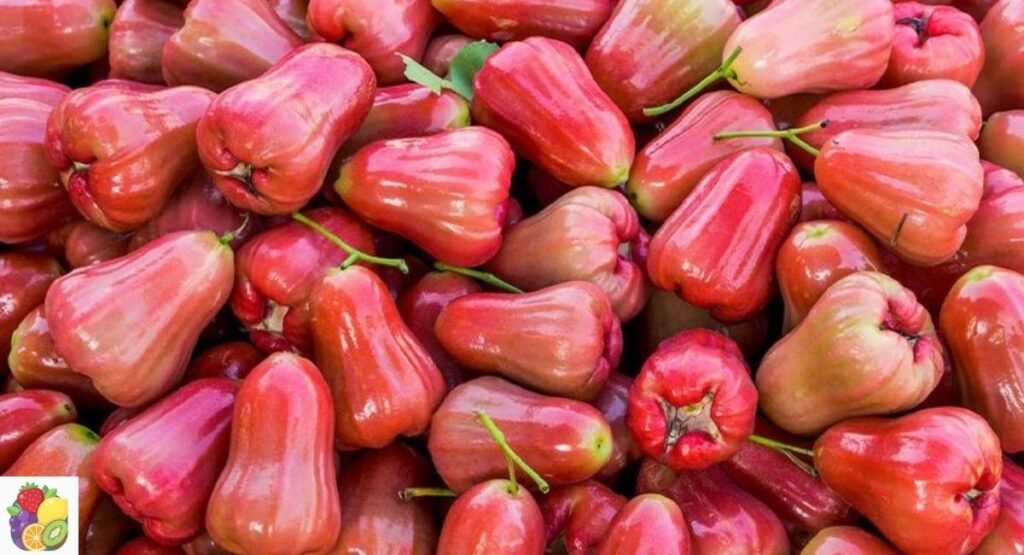
Hawaiian mountain apple is a tropical fruit with smooth skin that can become bright red or pink. Its flesh is generally crisp, juicy, and mildly sweet. The fruit grows well in warm climates and is often eaten fresh.
13. Highbush Blueberry
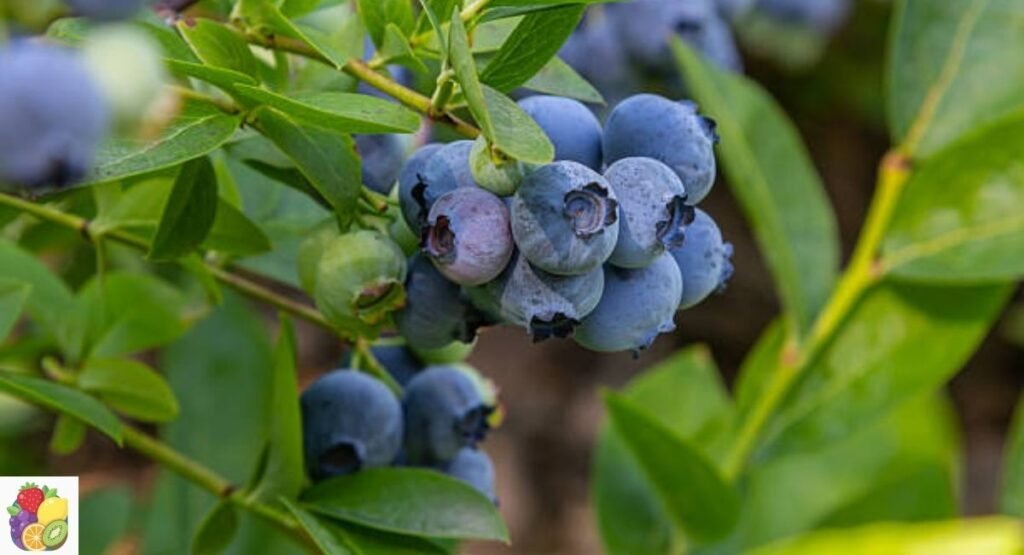
Highbush blueberries are familiar round berries with blue skin and a natural waxy bloom. They offer a sweet flavor with gentle tartness. You can eat them fresh or add them to oatmeal, smoothies, muffins, pancakes, and desserts.
14. Highbush Cranberry
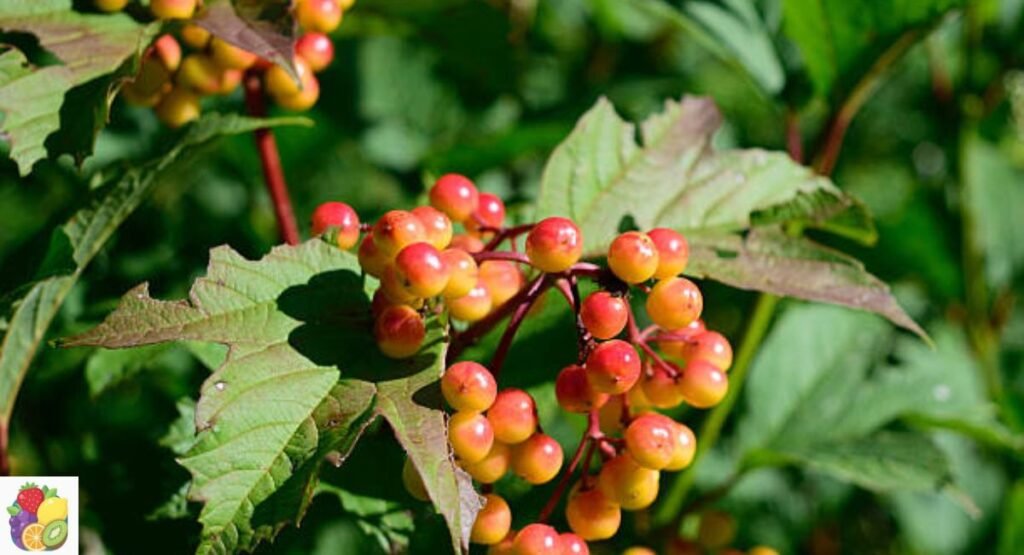
Highbush cranberry produces clusters of bright red fruit. Despite its name, it isn’t a true cranberry because it belongs to the Viburnum group rather than the Vaccinium group. Its fruit has a distinctly tart flavor and is sometimes used in preserves.
15. Himalayan Mulberry
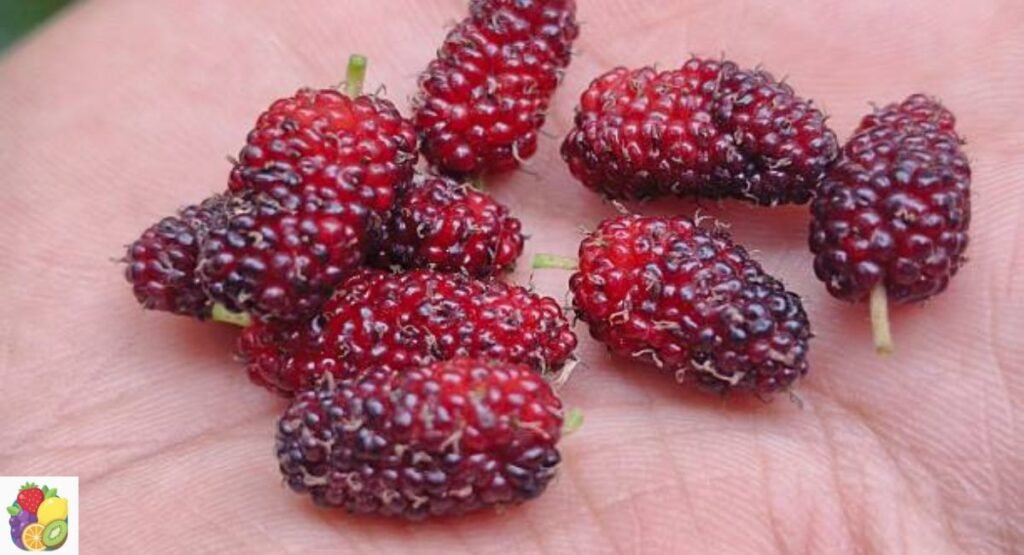
Himalayan mulberry is a mulberry type associated with mountainous regions of Asia. Its fruits develop from small clustered sections and can change from lighter colors to deep red or purple as they ripen. Ripe fruit generally has a sweet, juicy flavor.
16. Haruka Citrus
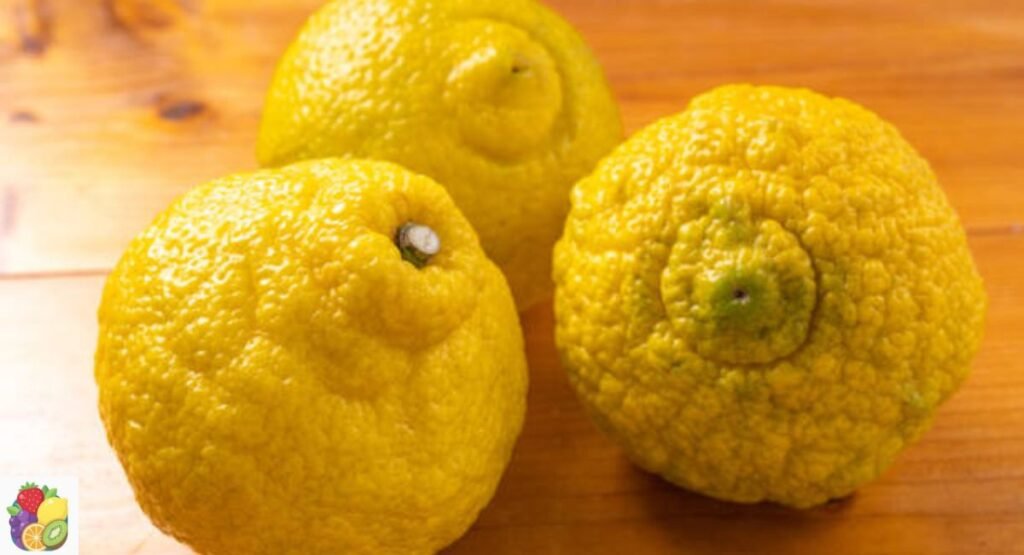
Haruka is a Japanese citrus fruit with yellow skin and a pleasantly mild taste. Although its appearance may suggest a sharp citrus flavor, it is known for being sweet and relatively gentle in acidity. It can be enjoyed fresh or used in citrus dishes.
17. Hassaku
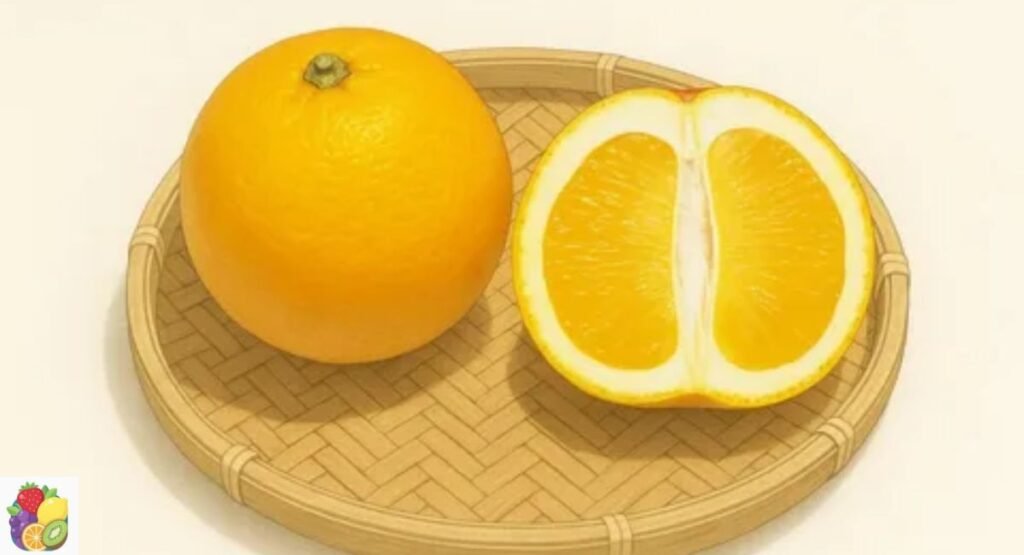
Hassaku is a Japanese citrus with a thick yellow-orange rind and juicy segments. Its flavor combines sweetness, tartness, and a slight bitterness. People often eat it fresh or use its juice and segments in various citrus preparations.
18. Hovenia Fruit
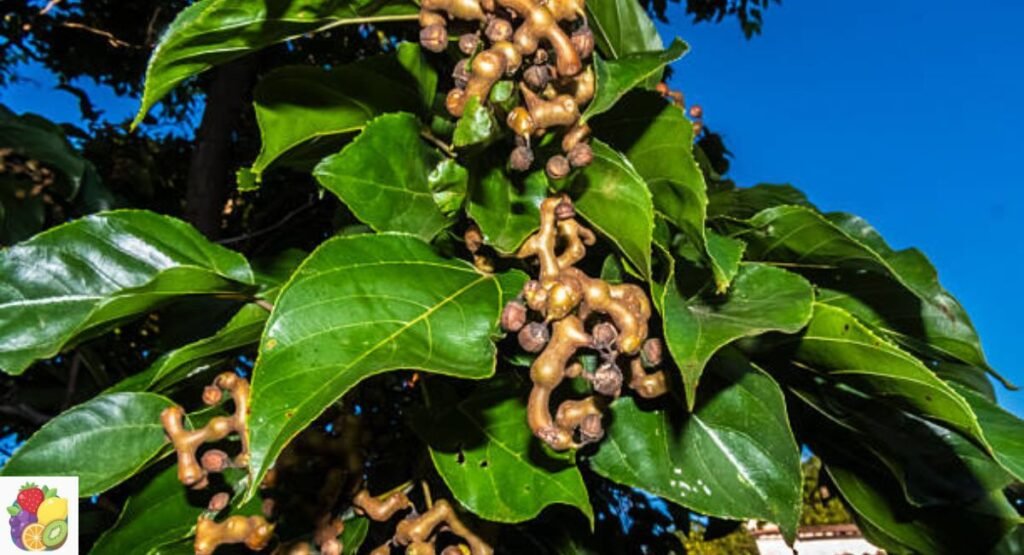
Hovenia fruit comes from the Japanese raisin tree, which grows across parts of East Asia. Its unusual edible part is a swollen fruit stalk rather than the small fruit itself. When ripe, it becomes sweet and fragrant, with a flavor and texture often compared to raisins and pears.
19. Hawaiian Raspberry
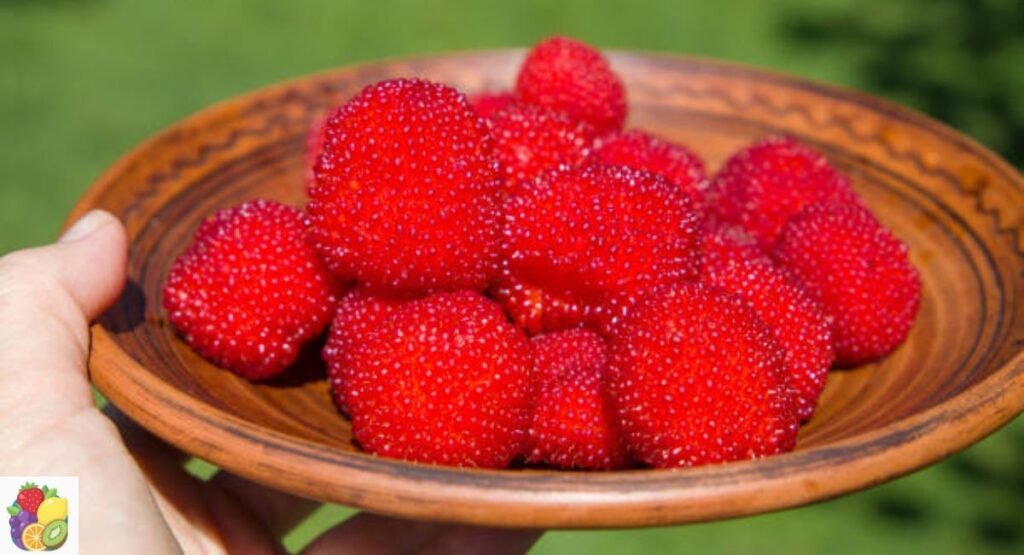
Hawaiian raspberry refers to raspberry species found in Hawaii. The small fruits develop in clustered sections and can have a sweet-tart berry flavor. Their unusual growing environment makes them an interesting addition to lists of tropical and regional H fruits.
20. Husk Cherry
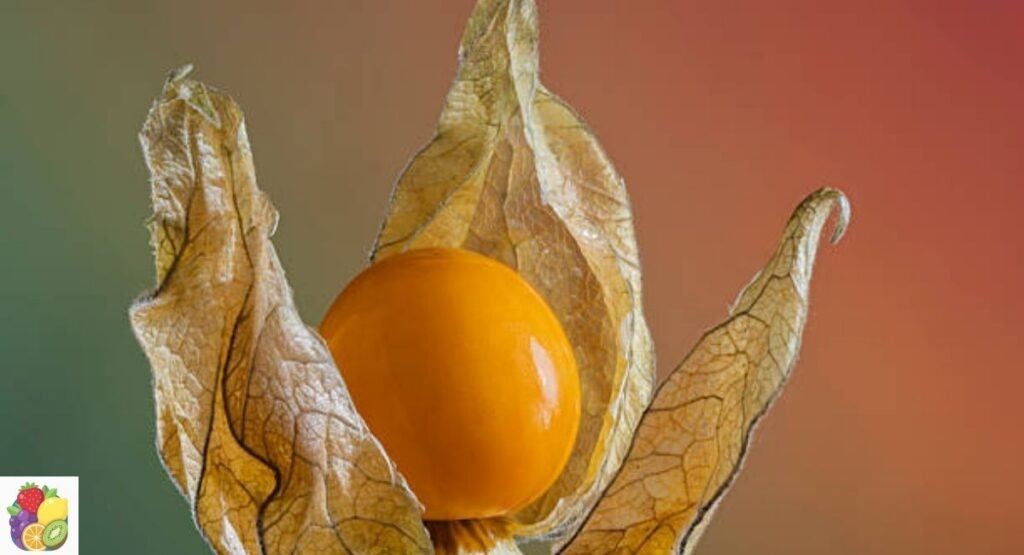
Husk cherry is a small golden-yellow fruit enclosed inside a thin, papery husk. Its flavor is usually sweet with a pleasant tartness, somewhat like a blend of tropical fruit and tomato. You can eat ripe fruits fresh or use them in desserts and preserves.
Fruits That Start With H by Color, Taste, and Type
Grouping H fruits by visible traits makes the alphabetic list easier to remember. It also shows how much variety hides behind one letter. A green fruit might be creamy, crisp, acidic, or juicy. Meanwhile, red fruits can range from tart berries to refreshing tropical produce.
Green Fruits That Start With H
Honeydew melon, hardy kiwi, Hass avocado, and Hebesu all offer green tones, yet their eating qualities differ sharply. Honeydew delivers juicy sweetness, hardy kiwi provides crisp fruit texture, Hass avocado offers creamy flesh, and Hebesu contributes a bright acidic note.
Red Fruits That Start With H
Hawaiian mountain apple, hawthorn berry, Hawaiian raspberry, and highbush cranberry provide several red examples. Their textures range from crisp and watery to soft and berry-like. Their flavors also span mild sweetness, tartness, and more complex acidic notes, showing that color alone doesn’t predict taste.
Sweet Fruits That Start With H
Hami melon, honeydew melon, honeyberry, Honeycrisp apple, and Himalayan mulberry can all deliver noticeable sweetness. However, sweetness isn’t identical across them. Some pair it with acidity, while others provide a softer profile. This balance often determines whether a fruit works best fresh, cooked, or preserved.
Sour and Tart Fruits That Start With H
Hog plum, Hebesu, Hassaku, huckleberry, and highbush cranberry can offer pronounced acidity or tartness. These fruits often shine when paired with sugar or savory ingredients. Their tang can sharpen chutneys, sauces, beverages, preserves, and desserts instead of making the finished dish taste flat.
Tropical Fruits That Start With H
Hala fruit, hog plum, huito, Hawaiian mountain apple, and Hawaiian raspberry connect the H category with tropical environments. Many have distinctive fruit pulp, unusual shapes, or regional food traditions. Their diversity also demonstrates how climate strongly influences fruit texture, growing habits, and seasonal availability.
Hami Melon vs. Honeydew Melon: What’s the Difference?
Hami melon and honeydew may both belong on a summer fruit platter, yet they don’t taste or feel exactly alike. Hami melons are often firmer and more aromatic. Honeydew usually has a softer, juicier texture with a gentle sweetness. Their rind patterns also make them easy to distinguish.
| Feature | Hami Melon | Honeydew Melon |
| Shape | Oval or elongated | Round to oval |
| Skin | Often patterned or netted | Usually smooth |
| Flesh | Green, yellow, or orange varieties | Usually pale green |
| Texture | Firm and crisp | Tender and juicy |
| Flavor | Sweet and aromatic | Mild and sweet |
For everyday eating, the choice often comes down to texture. Hami suits readers who enjoy a firmer bite and pronounced aroma. Honeydew appeals to those who prefer tender, juicy flesh. Both work well in fruit salads, chilled dishes, smoothies, and summer desserts.
Are Honeyberry and Haskap the Same Fruit?
Honeyberry and haskap are names that frequently overlap around edible forms of Lonicera caerulea. The fruits are usually elongated rather than perfectly round, with skin ranging from blue to deep purple. Their flavor often combines sweetness with a sharp berry-like tang.
For an alphabetical article, counting both names as completely separate fruits can make the list look larger than it really is. Treating them as overlapping names gives readers a clearer picture. It also prevents duplicate entries when building a list of unique fruit names.
Nutritional Value and Uses of H Fruits
H fruits don’t share one nutritional profile because this group includes melons, berries, citrus, avocados, apples, and tropical fruits. Their nutrient content varies with species, cultivar, ripeness, growing conditions, and serving size. That variety is one reason a mixed fruit diet can provide a broad range of nutrients.
Vitamins and Dietary Fiber
Blueberries, kiwi, citrus, melons, apples, and avocados provide different combinations of vitamins, minerals, fiber, and other naturally occurring compounds. Hardy kiwi and berries can contribute fiber, while citrus fruits are notable sources of vitamin C. Avocado differs again because it provides substantially more fat than most fruits.
Antioxidant Compounds in Berries
Berries such as blueberries and some huckleberries contain naturally occurring plant compounds, including anthocyanins. These compounds contribute to the deep red, purple, and blue colors found in many berries. Their levels vary among species and cultivars, so color alone shouldn’t be treated as a precise measure of nutritional value.
How to Eat and Use H Fruits
H fruits can move easily from breakfast bowls to desserts and savory meals. Honeydew and berries work well in salads and smoothies. Citrus can brighten sauces and drinks. Hog plum can enter chutneys, while apples, mulberries, and huckleberries can become pies, jams, baked goods, or preserves.
How to Choose and Store Fruits That Start With H
Choosing ripe fruit isn’t about one universal rule. Each type gives different clues. Melons may reveal ripeness through aroma and slight softness, while berries should look plump and free from mold. Citrus usually feels heavy for its size. Avocados need time to soften before they’re ready to eat.
Choosing Fresh and Ripe H Fruits
Look for clean skin, natural color, pleasant aroma, and suitable firmness. A perfectly hard avocado isn’t ready for immediate guacamole, while an overly soft berry may already be deteriorating. For unfamiliar fruit varieties, learn the normal appearance first. That simple step makes unusual produce much easier to judge.
Proper Storage Methods
Refrigeration helps slow deterioration for many berries and cut fruits. Whole melons may have different storage needs before cutting, while ripe avocados can move into the refrigerator to slow further softening. Once fruit is cut, store it covered and chilled. Follow basic food-safety practices to protect freshness.
Fruits That Start With H in Spanish
| English Fruit Name | Spanish Name |
| Honeydew Melon | Melón verde / melón honeydew |
| Huckleberry | Arándano silvestre |
| Hardy Kiwi | Kiwi resistente |
| Hackberry | Almez |
| Hala Fruit | Fruta de hala |
| Hami Melon | Melón Hami |
| Hawthorn Berry | Espino albar / fruto del espino |
| Honeyberry | Baya de miel |
| Horned Melon | Melón cornudo / kiwano |
| Huito | Genipapo |
| Hog Plum | Ciruela de cerdo |
| Hawaiian Mountain Apple | Manzana de montaña hawaiana |
| Highbush Blueberry | Arándano alto |
| Highbush Cranberry | Viburno americano |
| Himalayan Mulberry | Mora del Himalaya |
| Haruka Citrus | Cítrico Haruka |
| Hassaku | Hassaku |
| Hyuganatsu | Hyuganatsu |
| Hawaiian Raspberry | Frambuesa hawaiana |
| Husk Cherry | Cereza de tierra |
Interesting Facts About Fruits That Start With H
H fruits contain plenty of surprises. Horned melon and kiwano are commonly used names for the same exotic fruit. Highbush cranberry isn’t a true cranberry. Honeyberry and haskap overlap as names. Hardy kiwi has smooth edible skin. Hala fruit develops a striking segmented structure. Japanese citrus also contributes several uncommon H names.
Another interesting detail involves classification. Honeycrisp and Hass identify cultivated varieties rather than entirely separate botanical species. Huckleberry can refer to multiple plants. Hog plum can also describe different species depending on region. These distinctions matter when you build accurate fruit names and pictures guides rather than simply collecting names from scattered lists.
Conclusion
The world of fruits that start with H is much broader than honeydew melon. From crisp hardy kiwi and juicy blueberries to unusual hala fruit and aromatic Japanese citrus, these names represent an impressive range of flavors and forms. Some are common supermarket choices, while others remain regional specialties.
Learning these fruits also reveals an important lesson about fruit classification. Common names can overlap, cultivars aren’t always separate species, and regional names can describe the same produce. Once you understand those details, exploring fruits from around the world becomes far more interesting—and a lot more delicious.
FAQs
What are 5 fruits that start with H?
Honeydew melon, huckleberry, hardy kiwi, honeyberry, and horned melon are five recognizable examples. Each offers a different combination of flavor, texture, appearance, and growing conditions.
What is the most common fruit that starts with H?
Honeydew melon is one of the most familiar H fruits for U.S. shoppers. Hass avocado and Honeycrisp apple are also widely recognized names.
What are some exotic fruits that start with H?
Hala fruit, huito, hog plum, and horned melon are notable choices. Their unusual shapes, tropical origins, or regional culinary traditions make them especially interesting.
What are some green fruits that start with H?
Honeydew melon, hardy kiwi, Hass avocado, and Hebesu are useful examples. Their green colors come with very different textures and flavor profiles.
Are there any berries that start with H?
Yes. Honeyberry, huckleberry, highbush blueberry, and hawthorn berry are examples. However, their botanical classifications aren’t identical.
What fruits start with H in Spanish?
Spanish fruit names don’t always retain the H used by their English equivalents. For example, higo means fig in Spanish. Many English H fruits use completely different Spanish names.

Welcome to Fruitloria.com! I’m Anam Sattar, an AI-powered SEO Specialist and Content Writer with over 4 years of experience in creating high-quality, search-optimized content. I help businesses improve their search engine rankings, increase organic traffic, and build beautiful, user-friendly websites. My mission is to make SEO, content creation, and web design simple, effective, and accessible for everyone. Let’s grow your online presence and achieve success together!
1 thought on “20 Fruits That Start With H: Names, Types, Flavors & Unique Varieties”