


Finding fruits that start with G can be more exciting than it sounds. This letter brings together familiar favorites, tropical treasures, and unusual varieties from different parts of the world. You will find juicy grapes, refreshing grapefruit, creamy guava, and sweet golden kiwi among the better-known choices. There are also fascinating exotic fruits, such as gac fruit, genip, and guavaberry, that deserve attention.
Some tropical fruits offer bold flavors and vibrant colors, while others remain rare outside their native regions. In this guide, we explore G fruit names, their flavors, uses, colors, and interesting facts. Whether you need a quick fruit list or want to discover something new, these G fruits offer plenty to explore.
20 Fruits That Start With G
The list below brings together familiar and lesser-known G fruits from different regions. Each one has its own flavor, appearance, growing conditions, and place in local food traditions. Some are easy to find in American stores, while others usually require specialty markets or tropical produce sources.
| Fruit | Category | Typical Taste | Common Use |
| Grapes | Common | Sweet or tart | Snacks, juice |
| Guava | Tropical | Sweet, fragrant | Juice, desserts |
| Grapefruit | Citrus | Tart, bittersweet | Breakfast, juice |
| Gooseberry | Berry | Tart or sweet | Pies, preserves |
| Golden Kiwi | Exotic | Sweet, tangy | Fruit salads |
| Ground Cherry | Unusual | Sweet-tart | Desserts, snacks |
| Genip | Tropical | Sweet, tangy | Fresh eating |
| Gac Fruit | Exotic | Mild | Cooking, rice dishes |
| Greengage | Stone fruit | Very sweet | Desserts, preserves |
| Granadilla | Tropical | Sweet, floral | Juices, desserts |
| Guavaberry | Tropical | Sweet-tart | Drinks, preserves |
| Governor’s Plum | Exotic | Sweet-tart | Jams, sauces |
| Garcinia | Tropical | Sour | Cooking, preserves |
| Grumichama | Exotic | Sweet | Fresh eating |
| Galia Melon | Melon | Sweet, juicy | Fruit salads |
| Guanabana | Tropical | Sweet, creamy | Smoothies, desserts |
| Giant Granadilla | Tropical | Sweet | Juices, desserts |
| Ground Plum | Unusual | Species-dependent | Fresh eating |
| German Medlar | Unusual | Mellow, sweet | Preserves |
| Goji Berry | Unusual | Sweet-tart | Snacks, teas |
1. Grapes
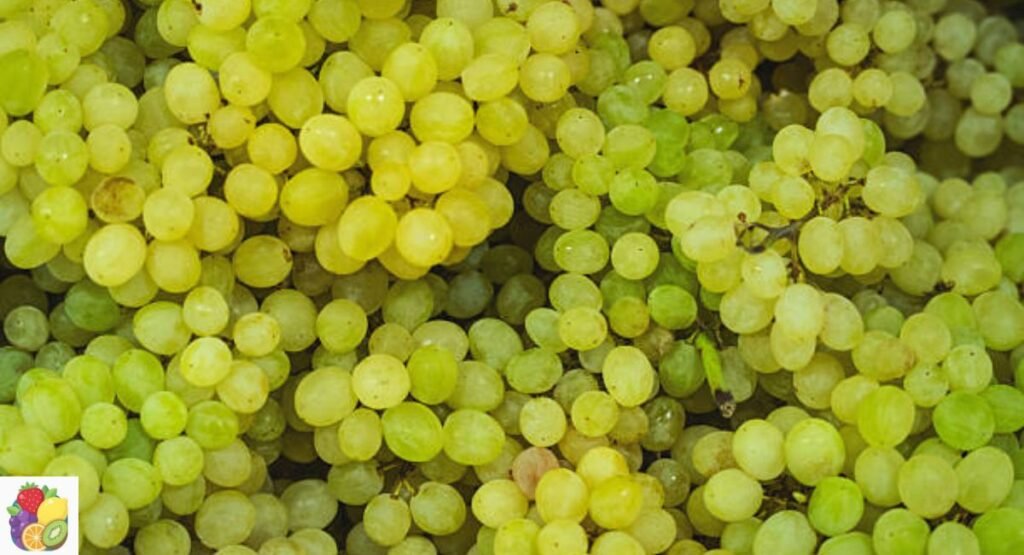
Grapes grow in clusters on woody vines and come in green, red, purple, and black varieties. Their juicy flesh can taste sweet or pleasantly tart. They provide dietary fiber and naturally occurring plant compounds. People enjoy them fresh, dried as raisins, juiced, or added to salads and desserts.
2. Guava
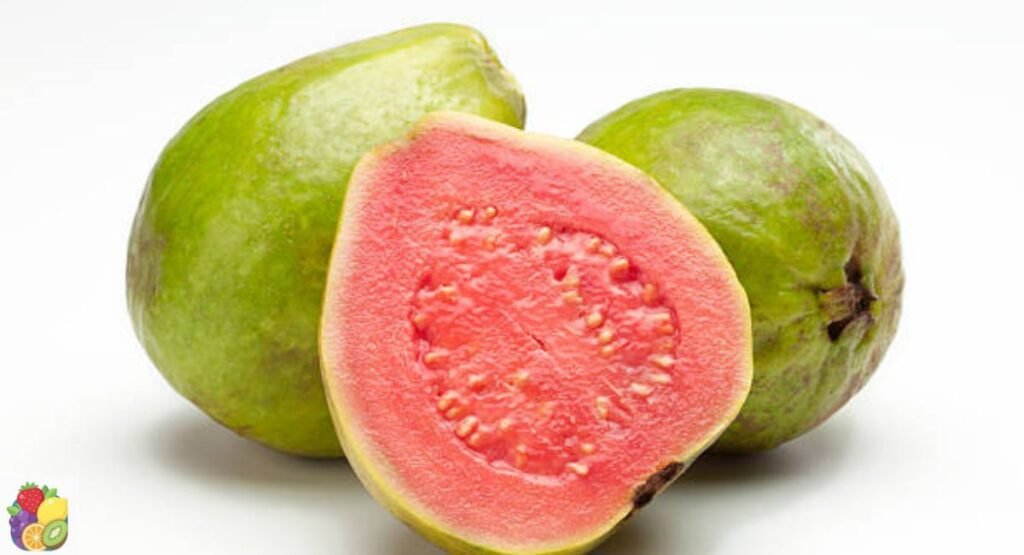
Guava is a tropical fruit with green or yellow skin and white, pink, or reddish flesh. Its fragrant flavor can resemble a blend of pear and strawberry with a tropical twist. The fruit contains vitamin C and fiber. You can eat it fresh or blend it into juices, smoothies, and desserts.
3. Grapefruit
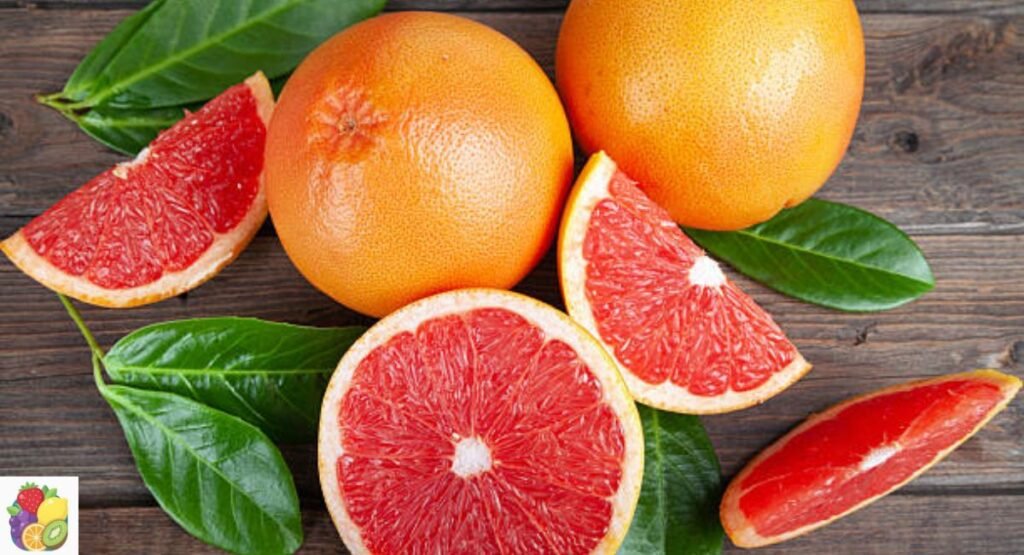
Grapefruit is a round citrus fruit with yellow, pink, or reddish flesh. Its flavor combines sweetness with a distinctive bitter and tangy edge. The juicy segments contain vitamin C and plenty of water. In the United States, people commonly serve grapefruit at breakfast or use it in juices and salads.
4. Gooseberry
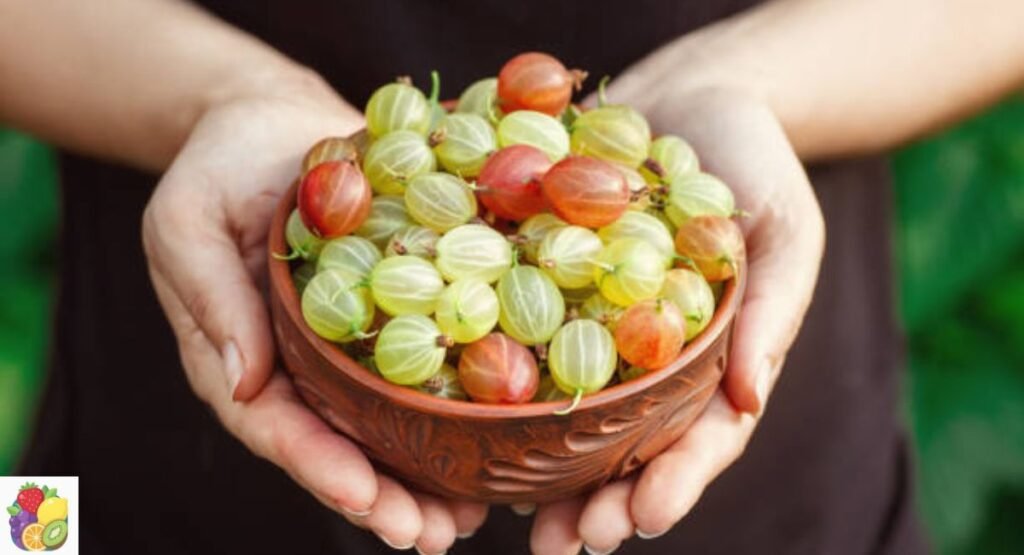
Gooseberries are small fruits that grow on shrubs and can appear green, yellow, red, or purple. Their flavor ranges from sharply tart to pleasantly sweet when ripe. They provide fiber and vitamin C. Cooks often turn them into pies, jams, sauces, jellies, and flavorful fruit preserves.
5. Golden Kiwi
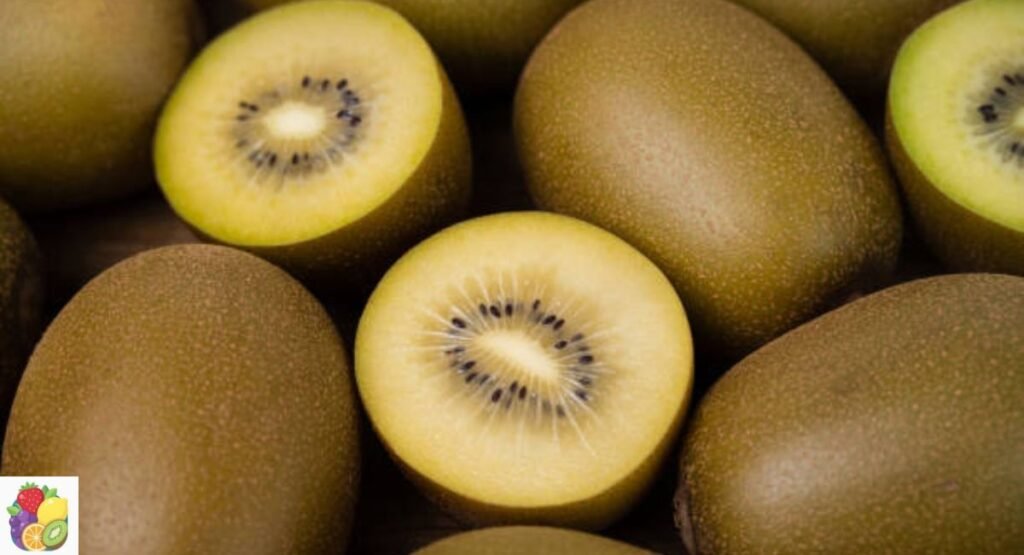
Golden kiwi has fuzzy brown skin and bright yellow flesh dotted with tiny edible seeds. Compared with green kiwi, it usually tastes sweeter and less sharply acidic. Its soft texture works beautifully in fruit salads and smoothies. It also supplies vitamin C and other nutrients found in fresh fruit.
6. Ground Cherry
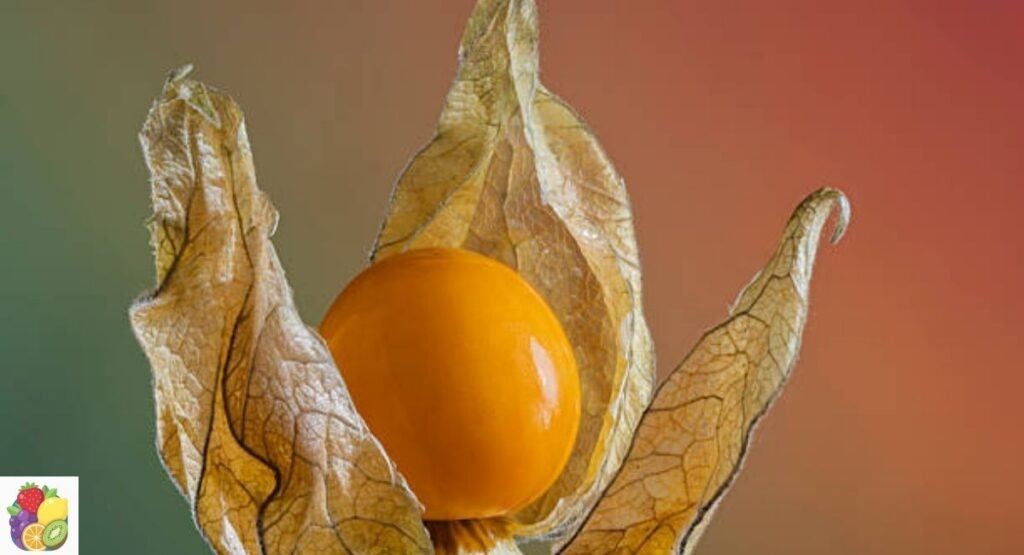
Ground cherries are small golden fruits enclosed inside delicate papery husks. They belong to the Physalis group and develop a sweet-tart flavor as they ripen. Their unusual appearance makes them memorable. You can eat them fresh or use them in pies, jams, sauces, and desserts.
7. Genip
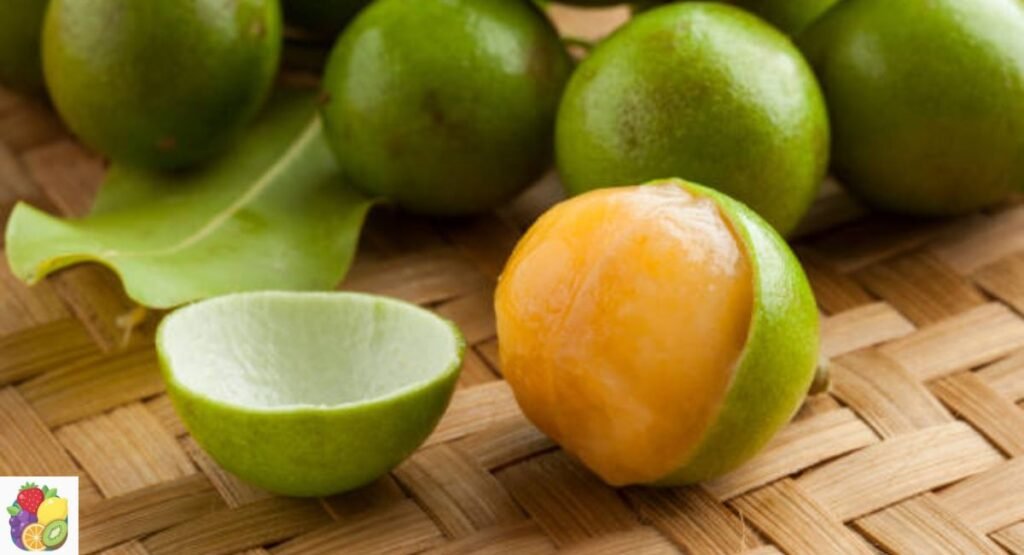
Genip, also called Spanish lime or mamoncillo, grows in tropical regions of the Americas and Caribbean. Its green shell hides juicy orange or salmon-colored pulp around a large seed. The flavor combines sweetness with tartness. People commonly eat the pulp fresh or use it in tropical drinks.
8. Gac Fruit
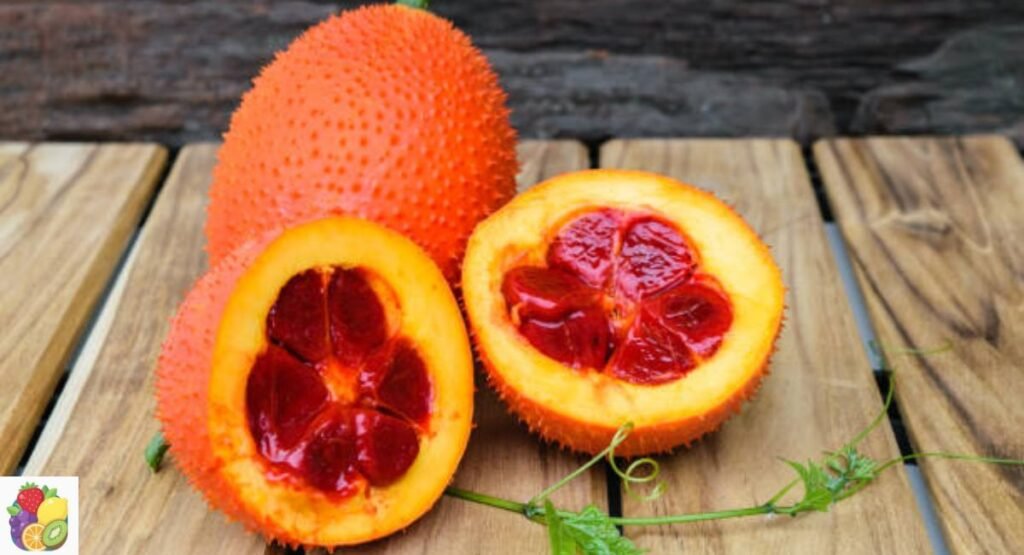
Gac fruit is native to Southeast Asia and has a striking orange-red exterior covered with short spines. Inside, bright red arils surround the seeds. The raw fruit has a mild flavor, so cooks often combine it with other ingredients. Its colorful arils are especially valued in traditional rice dishes.
9. Greengage
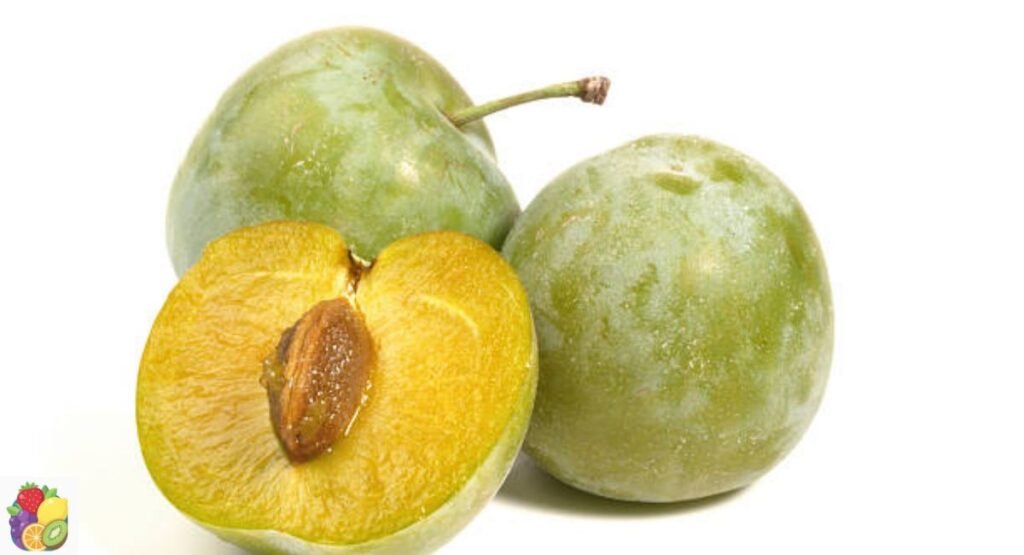
Greengage is a small plum variety famous for its green skin and intensely sweet flesh. When ripe, it becomes soft and juicy with a delicate honey-like flavor. This old-fashioned fruit works well in preserves and desserts. It can also be eaten fresh when fully ripe and fragrant.
10. Granadilla
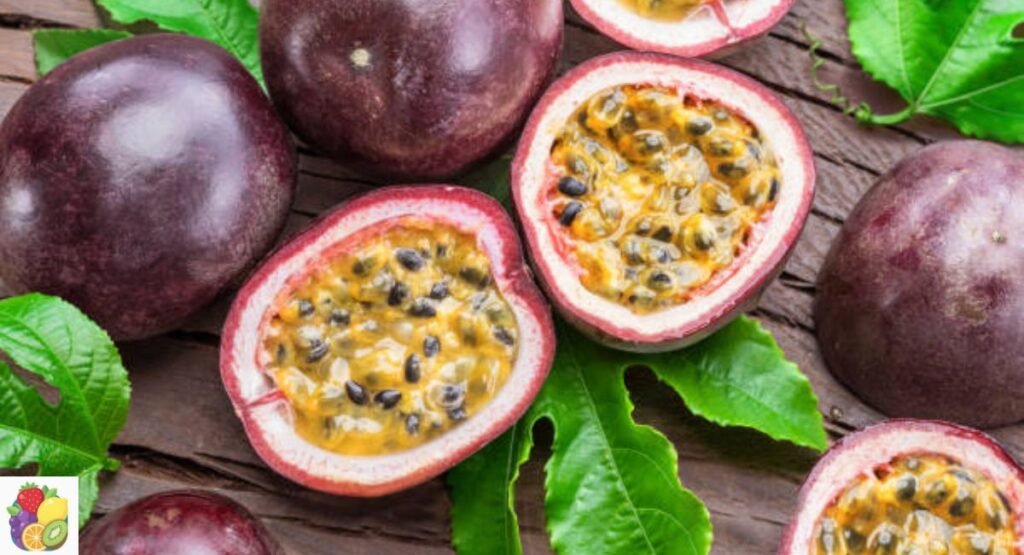
Granadilla is a sweet passion fruit with a firm orange or yellow shell. Crack it open and you’ll find aromatic pulp filled with crunchy edible seeds. Its flavor is sweeter and less tart than some passion fruit varieties. The pulp makes excellent smoothies, desserts, juices, and fruit bowls.
11. Guavaberry
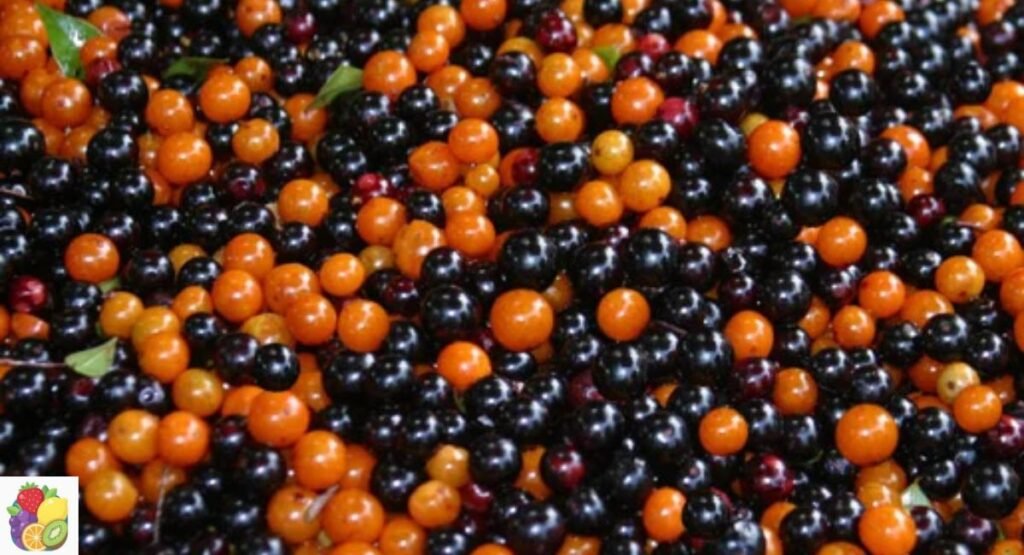
Guavaberry is a small tropical fruit associated strongly with the Caribbean and parts of Central America. Its skin may become reddish-purple or dark as it matures. The aromatic pulp has a sweet-tart character. Traditionally, people use it for beverages, preserves, jams, and seasonal preparations.
12. Governor’s Plum
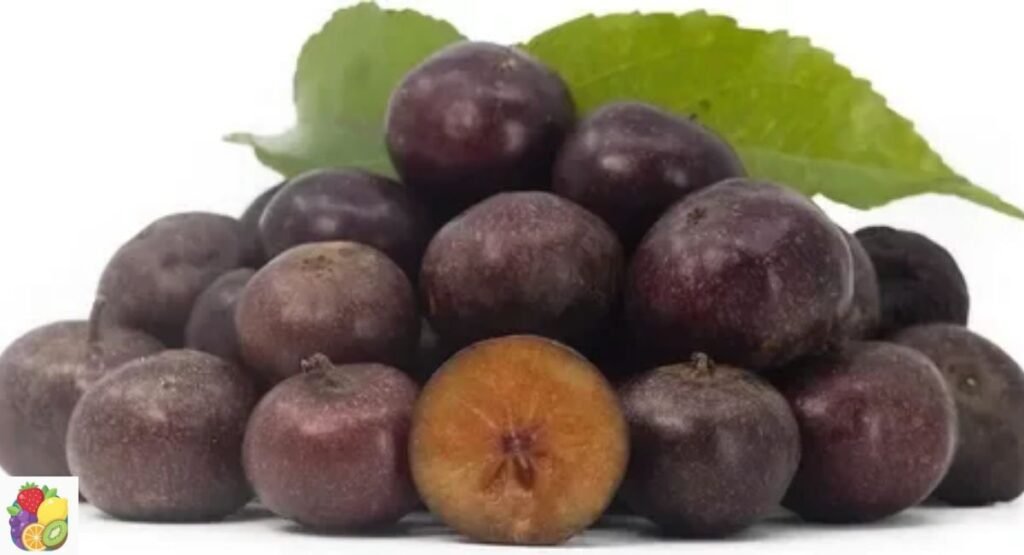
Governor’s plum is a small tropical fruit associated with parts of Africa and Asia. Its fruit can develop colorful skin with juicy flesh beneath. Depending on the species and ripeness, the taste may range from tart to sweet. Local cooks use it for jams, sauces, preserves, and fresh eating.
13. Garcinia
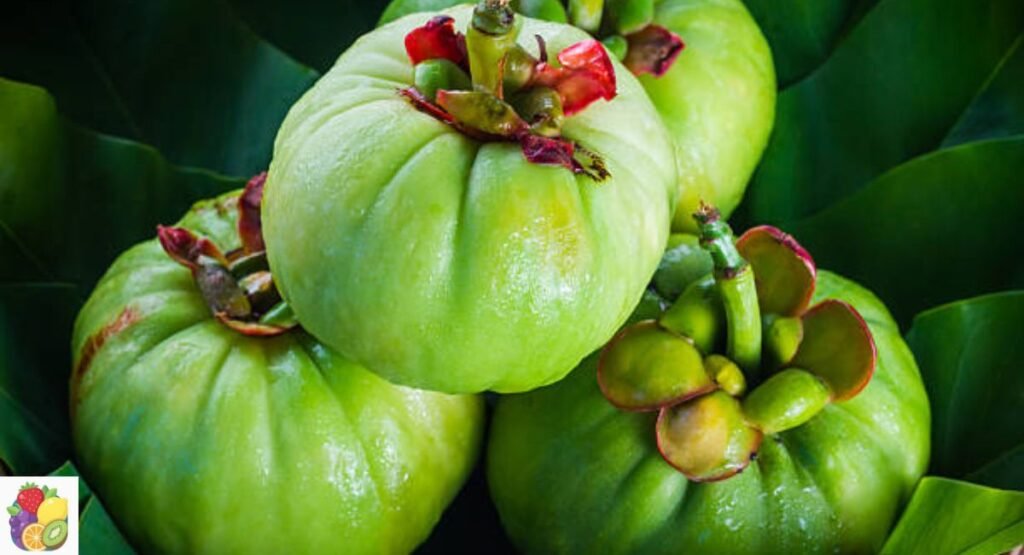
Garcinia refers to a large genus containing many tropical fruit species. Their fruits vary considerably in size, color, and flavor. Some are notably sour and serve as regional ingredients. Different Garcinia fruits appear in traditional cooking, drinks, chutneys, and preserves across parts of Asia and Africa.
14. Grumichama
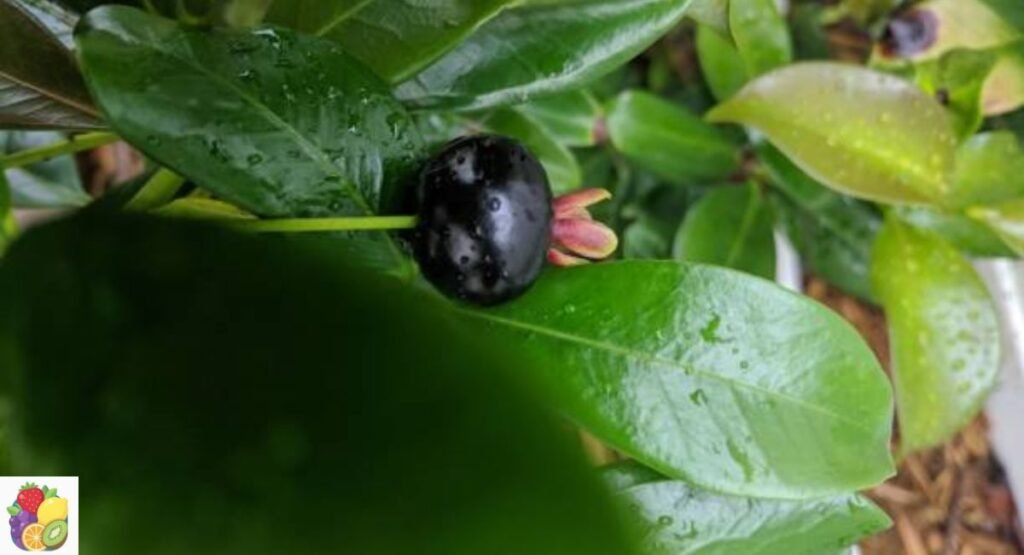
Grumichama is a Brazilian cherry with glossy red, purple, or nearly black skin. Its juicy flesh has a sweet flavor reminiscent of familiar cherries. The fruit grows on an evergreen tree in warm climates. People can eat it fresh or turn it into jams, jellies, and desserts.
15. Galia Melon
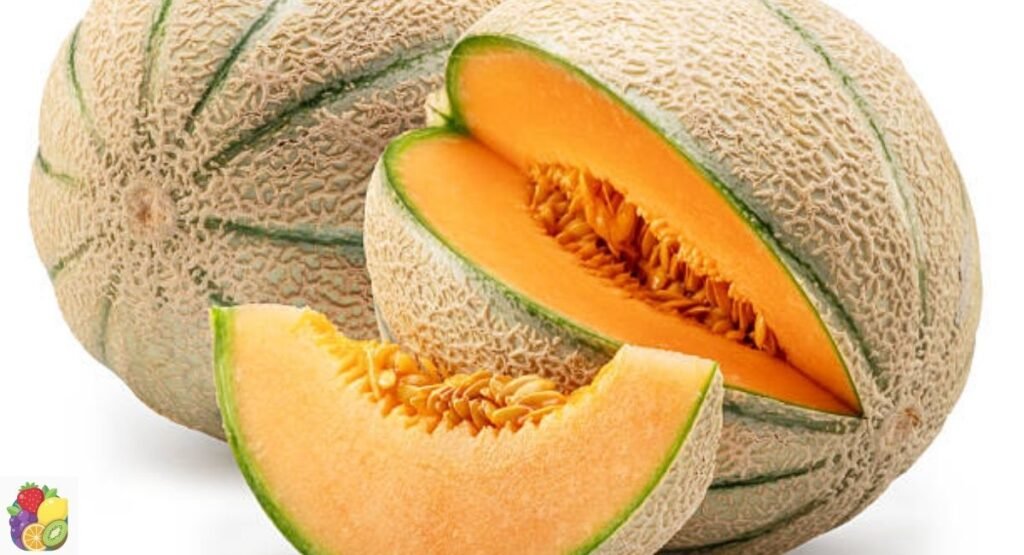
Galia melon has a netted rind that changes from greenish to yellow as it ripens. Its pale green flesh is juicy, fragrant, and naturally sweet. The melon makes a refreshing warm-weather snack. You can add it to fruit salads, smoothies, breakfast bowls, or chilled summer dishes.
16. Guanabana (Soursop)
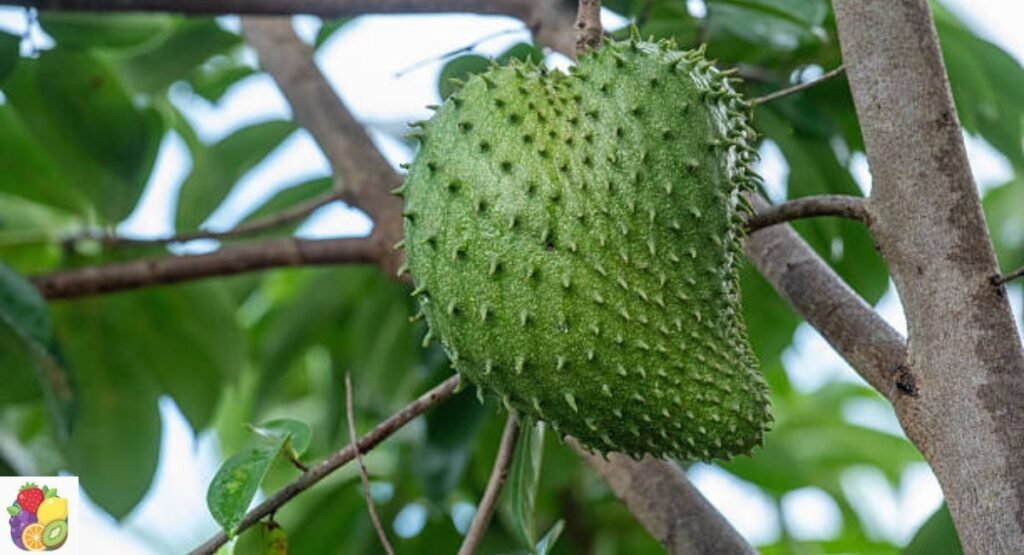
Guanabana, better known as soursop, has green spiny skin and soft white flesh. Its flavor combines creamy sweetness with a gentle citrus-like tang. The flesh contains fiber and vitamin C. In tropical cuisines, people use it for smoothies, juices, ice cream, puddings, and other desserts.
17. Green Sapote
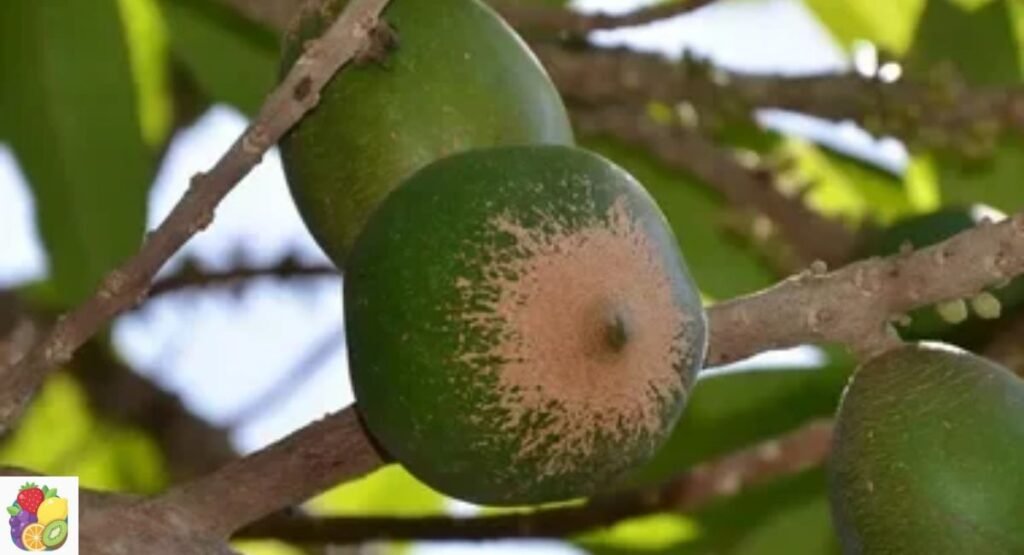
Green sapote is a tropical fruit that grows in Central America and belongs to the sapote family. It has green skin that turns slightly yellow as it ripens, with soft, creamy orange flesh inside. Its flavor is sweet and rich, often compared to a blend of pumpkin, sweet potato, and apricot. Green sapote can be eaten fresh when fully ripe or added to smoothies, desserts, and fruit bowls. Its smooth texture and naturally sweet taste make it an interesting choice among unusual tropical fruits.
18. Ground Plum
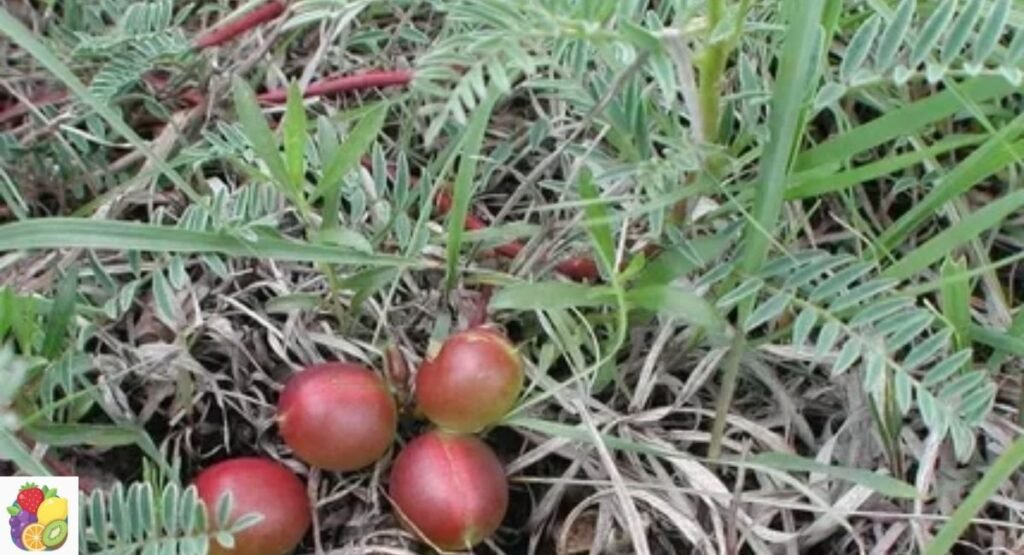
Ground plum is a name applied to certain low-growing fruiting plants, so identification matters before eating one. Some related plants can look surprisingly similar. Therefore, reliable botanical identification is important. Unlike familiar G fruits, this name should never encourage eating an unknown wild plant.
19. German Medlar
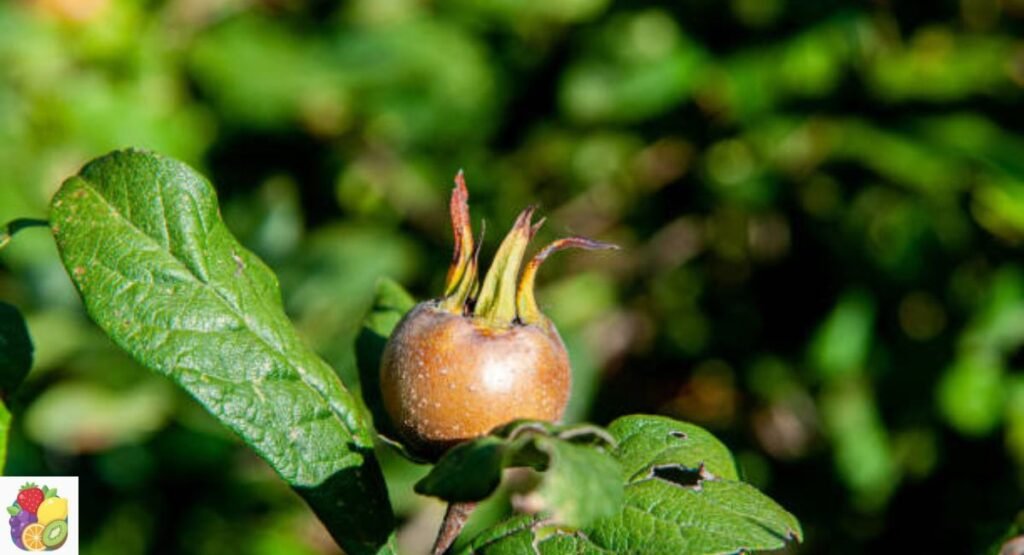
German medlar is an old European fruit with brownish skin and firm flesh when first harvested. It traditionally undergoes bletting, a ripening process that softens the flesh and changes its flavor. Once properly softened, the fruit develops a mellow taste and works well in preserves and traditional desserts.
20. Goumi Berry
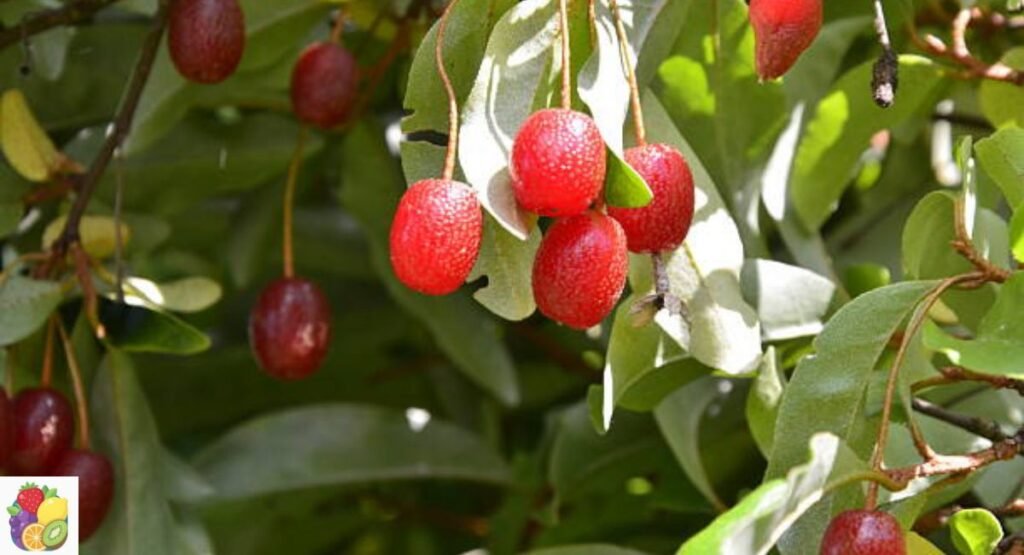
Goumi berry is a small, bright red fruit that grows on a hardy shrub native to East Asia. It has smooth skin, juicy flesh, and a single seed in the center. Its flavor is sweet and tangy, with a slight tartness that becomes milder as the fruit ripens. Goumi berries can be eaten fresh or used in jams, jellies, sauces, and desserts. The shrub is also valued for its ability to grow in different soil conditions. With its vibrant color and distinctive taste, goumi is an interesting addition to the list of fruits that start with G.
Common Fruits That Start With G Table
For American shoppers, some common fruits that start with G are much easier to find than tropical specialties. Grapes and grapefruit are familiar supermarket choices. Guava and golden kiwi are also increasingly available through larger grocery stores and specialty produce sections.
Their uses are equally broad. You can eat them straight from the refrigerator, slice them into breakfast bowls, blend them into drinks, or combine them with savory foods. That flexibility makes familiar G fruits easy additions to everyday meals.
Grapes, Guava, and Grapefruit
Grapes offer a crisp, juicy bite with many color and flavor variations. Guava brings a fragrant tropical character with soft flesh and edible seeds. Grapefruit provides a sharper citrus profile. Together, these fresh fruits show how widely flavors can vary among fruits beginning with G.
Gooseberry and Golden Kiwi
Gooseberries deliver a lively tartness that works especially well in cooked recipes and preserves. Golden kiwi offers softer flesh with a sweeter tropical note. Both add useful variety to fruit salads, desserts, breakfast bowls, and snacks without relying on the same familiar flavors.
Exotic Fruits That Start With G Table
Exotic G fruits often attract attention because of their unusual appearance or limited availability. Gac fruit, genip, granadilla, and grumichama come from different regions and offer flavors that may feel unfamiliar to American shoppers.
| Exotic G Fruit | Appearance | Flavor | Typical Use |
| Gac Fruit | Orange-red, spiny | Mild | Rice dishes, cooking |
| Genip | Green shell | Sweet-tart | Fresh eating |
| Granadilla | Orange shell | Sweet, floral | Desserts, drinks |
| Guavaberry | Dark red-purple | Sweet-tart | Beverages |
| Governor’s Plum | Small, colorful | Tart-sweet | Preserves |
| Garcinia | Varies by species | Often sour | Cooking |
| Grumichama | Red-purple | Sweet | Fresh eating |
Tropical Fruits That Start With G Table
Warm climates produce many fascinating tropical fruits that start with G. These fruits often have juicy flesh, aromatic flavors, thick skins, or unusual seeds. Several grow mainly in tropical regions, although specialty markets can sometimes offer them in the United States.
| Tropical G Fruit | Main Feature | Flavor | Common Use |
| Guanabana | Spiny green skin | Sweet, creamy | Smoothies |
| Giant Granadilla | Large passion fruit | Sweet | Drinks |
| Galia Melon | Netted rind | Sweet, juicy | Fresh eating |
| Genip | Green shell | Sweet-tart | Fresh eating |
| Guava | Fragrant flesh | Sweet | Juice, desserts |
Unusual and Rare Fruits That Start With G
Some unusual fruits that start with G rarely appear in ordinary American grocery aisles. Ground cherries, ground plums, German medlars, and goji berries each offer something different. Their stories also show how fruit names can reflect geography, cultivation, tradition, or appearance.
| Unusual G Fruit | What Makes It Different |
| Ground Cherry | Grows inside a papery husk |
| Greengage | Green plum with rich sweetness |
| Ground Plum | Name used for certain low-growing fruits |
| German Medlar | Requires traditional bletting |
| Goji Berry | Commonly sold dried |
Fruits That Start With G by Color
Color can make fruit identification easier, but it isn’t always a reliable guide by itself. A single species may have several cultivars with different skin colors. Grapes provide a clear example because they can be green, red, purple, or nearly black.
| Color | Examples |
| Green | Grapes, guava, gooseberry, greengage |
| Yellow | Grapefruit, golden kiwi flesh, Galia melon |
| Orange | Ground cherry, granadilla |
| Red | Gac fruit, red grapes, goji berries |
| Purple | Grumichama, guavaberry |
This table gives you a quick comparison of the major fruits covered in the article. Because common names can overlap, some entries require extra botanical care. Genip and guinep are the clearest example, as they refer to the same fruit.
Fruits That Start With G in a Quick Reference Table
| Fruit | Category | Typical Taste | Common Use |
| Grapes | Common | Sweet or tart | Snacks, juice |
| Guava | Tropical | Sweet, musky | Juice, desserts |
| Grapefruit | Citrus | Tart, bittersweet | Breakfast, juice |
| Gooseberry | Berry | Tart or sweet | Jams, pies |
| Golden Kiwi | Exotic | Sweet, tangy | Fruit salads |
| Ground Cherry | Unusual | Sweet-tart | Desserts, snacks |
| Genip | Tropical | Sweet, tangy | Fresh eating |
| Gac Fruit | Exotic | Mild | Drinks, cooking |
| Greengage | Stone fruit | Very sweet | Desserts, preserves |
| Granadilla | Tropical | Sweet | Juices, fresh eating |
| Guavaberry | Tropical | Sweet-tart | Drinks, preserves |
| Governor’s Plum | Exotic | Sweet-tart | Jams, sauces |
| Garcinia | Tropical | Sour | Cooking, preserves |
| Grumichama | Exotic | Sweet | Fresh eating |
| Galia Melon | Melon | Sweet, juicy | Fruit salads |
| Guanabana | Tropical | Sweet, creamy | Smoothies, desserts |
| Giant Granadilla | Tropical | Sweet | Juices, desserts |
| Ground Plum | Unusual | Variable | Species-dependent |
| German Medlar | Unusual | Mellow | Preserves |
| Goji Berry | Unusual | Sweet-tart | Snacks, teas |
Nutritional Benefits of Fruits That Start With G
Different G fruits offer different nutritional profiles. Guava and grapefruit are known for vitamin C, while grapes provide fiber and various plant compounds. Kiwi also contributes vitamin C and other nutrients. Exact values depend on serving size, variety, maturity, and preparation.
For reliable nutrition comparisons, you can check USDA FoodData Central rather than relying on generalized claims. The database includes food composition information from several data sources and is updated regularly.
How to Eat and Use Fruits That Start With G
The best way to enjoy fruits beginning with G depends on their texture and flavor. Grapes and golden kiwi are excellent fresh. Granadilla pulp works beautifully in yogurt and desserts. Guava and soursop can become creamy smoothies, while grapefruit adds brightness to salads and breakfast plates.
Cooking can transform tart or unfamiliar fruits into something completely different. Gooseberries can become preserves, gac can appear in traditional dishes, and German medlar develops a softer character through bletting. That variety makes G fruits surprisingly versatile in both sweet and savory recipes.
Conclusion
The world of fruits that start with G reaches far beyond grapes and grapefruit. Guava, golden kiwi, gooseberry, gac fruit, granadilla, soursop, and grumichama each bring different flavors and textures to the table. Some are familiar supermarket choices, while others remain regional specialties.
Whether you prefer crisp, juicy, creamy, tart, or intensely sweet fruit, there’s plenty to explore. Next time you visit a farmers’ market or specialty produce store, consider trying a G fruit you haven’t tasted before. You might discover a new favorite.
FAQs
1. What are the most common fruits that start with G?
Grapes, guava, grapefruit, gooseberries, and golden kiwi are among the most familiar fruits that start with G.
2. What is an exotic fruit that starts with G?
Gac fruit, granadilla, guavaberry, governor’s plum, and grumichama are examples of less familiar G fruits.
3. What tropical fruits start with the letter G?
Guava, guanabana, genip, giant granadilla, and Galia melon are examples of tropical fruits starting with G.
4. Which green fruits start with G?
Green grapes, green guava, gooseberries, and greengages are common examples of green fruits beginning with G.
5. What is the sweetest fruit that starts with G?
Greengage is known for its rich, honey-like sweetness when fully ripe. However, sweetness varies by cultivar and growing conditions.

Welcome to Fruitloria.com! I’m Anam Sattar, an AI-powered SEO Specialist and Content Writer with over 4 years of experience in creating high-quality, search-optimized content. I help businesses improve their search engine rankings, increase organic traffic, and build beautiful, user-friendly websites. My mission is to make SEO, content creation, and web design simple, effective, and accessible for everyone. Let’s grow your online presence and achieve success together!
1 thought on “20 Fruits That Start With G: Common, Exotic, Tropical & Unusual Fruit Names”