


Finding fruits that start with F can be more interesting than you might expect. From familiar figs and Fuji apples to unusual finger limes and feijoas, this letter offers a wide range of flavors, textures, and colors. Some are common supermarket favorites, while others are exotic fruits found mainly in specific regions. You can also discover tropical fruits, wild berries, citrus varieties, and unique fruit cultivars from around the world.
In this guide, we explore 20 fruit names starting with F, including their taste, texture, origin, nutrition, and common uses. Whether you need a fruit for a word game or want to discover unusual fruits, this list makes exploring F fruits simple and enjoyable.
What Is a Fruit That Starts With F?
A fruit that starts with F is simply a fruit whose commonly used English name begins with the letter F. Examples include fig, feijoa, finger lime, Fuji apple, and Fuyu persimmon. Other F fruit names are less familiar because they come from regional plants, wild species, or named fruit cultivars.
The category can include citrus varieties, berries, grapes, apples, mangoes, bananas, plums, and other edible plant fruits. Common names can also differ by country. A fruit may have one English name, a local name, and a scientific name. That is why lists of fruits beginning with F can contain both everyday supermarket fruits and rare regional names.
Quick Comparison of F Fruits
| Fruit | Type | Flavor | Texture | Origin or Association | Common Use |
| Fig | Tree fruit | Sweet, honeyed | Soft | Mediterranean and warm regions | Fresh, dried, desserts |
| Feijoa | Subtropical fruit | Sweet-tart, tropical | Soft and juicy | South America | Fresh, smoothies, jam |
| Finger Lime | Citrus fruit | Tart, citrusy | Pearl-like pulp | Australia | Garnishes, drinks |
| Fuyu Persimmon | Persimmon cultivar | Sweet | Firm and crisp | East Asian fruit tradition | Fresh, salads |
| Fairchild Tangerine | Citrus cultivar | Sweet-tart | Juicy | Florida citrus | Fresh, juice |
| Fuji Apple | Apple cultivar | Sweet | Crisp and juicy | East Asian and global cultivation | Snacking, baking |
| Fuji Cherry | Cherry type | Sweet-tart | Juicy | Cultivated regions | Fresh, desserts |
| Florida Avocado | Avocado type | Mild | Firm and creamy | Florida | Salads, sandwiches |
| Florida Strangler Fig | Wild fig species | Fig-like | Small and fleshy | Florida | Wildlife food |
| Forest Strawberry | Wild strawberry | Sweet-tart | Soft | Woodland and alpine regions | Fresh, jam |
| Fox Grape | Native grape | Sweet-tart, earthy | Juicy | North America | Juice, jelly |
| False Mastic Fruit | Regional fruit | Sweet-tart | Soft or gummy | Warm regions | Regional uses |
| Fascell Mango | Mango cultivar | Sweet, tropical | Juicy | Florida | Fresh, smoothies |
| Fuerte Avocado | Avocado cultivar | Mild, rich | Creamy | Mexico and California tradition | Guacamole, salads |
| French Prune | Plum type | Sweet | Juicy or chewy when dried | European plum-growing regions | Drying, baking |
| Frangipani Fruit | Botanical seed pod | Not a standard food fruit | Dry pod | Tropical regions | Botanical interest |
| Florida Cherry | Regional fruit name | Sweet-tart | Juicy | Warm regions | Fresh, jams |
| Florida Peach | Peach type | Sweet, fruity | Soft and juicy | Florida | Fresh, desserts |
| Farkleberry | Wild berry | Sweet-tart | Small and firm | Southeastern North America | Preserves, wildlife food |
| Ficus Fruit | Botanical fruit structure | Varies | Fleshy | Tropical and subtropical regions | Species-dependent |
This comparison shows how varied fruits beginning with F can be. Some are familiar grocery-store fruits. Others are named cultivars. A few are mainly important from a botanical or ecological perspective.
20 Fruits Beginning With F
1. Fig
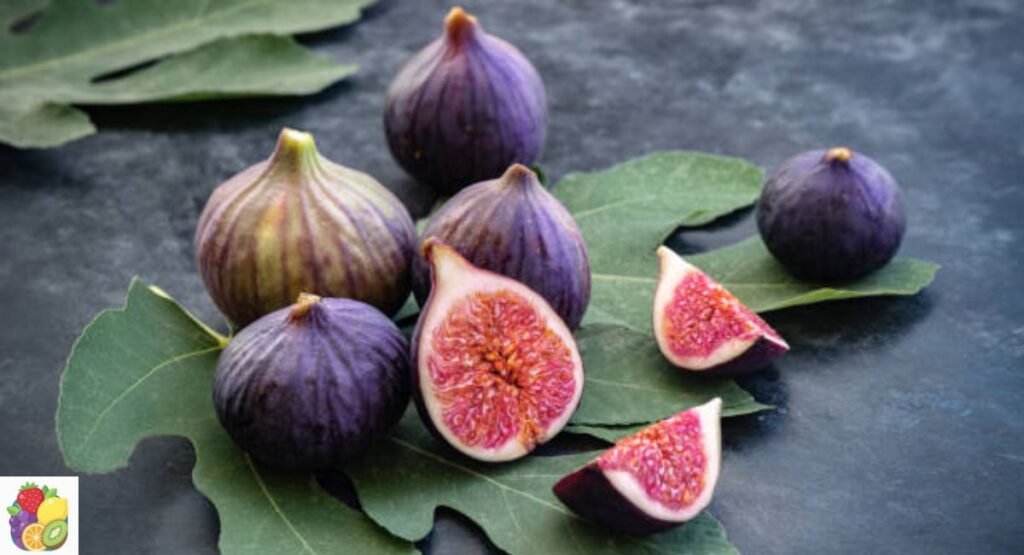
The fig is one of the best-known fruits that start with F. It grows on trees in the Ficus genus. Figs can have green, purple, brown, or dark skin depending on the variety. Inside, the fruit has soft, juicy flesh filled with many tiny edible seeds. Its flavor is usually rich and sweet, with honeyed notes when fully ripe.
Fresh figs have a soft texture and delicate skin. Dried figs are much denser and sweeter because much of their water has been removed. Both forms are popular in cooking. Fresh figs can be added to salads, cheese boards, desserts, and breakfast dishes. Dried figs are common in snacks, baked goods, preserves, and homemade energy foods. Figs also provide dietary fiber, potassium, calcium, and antioxidant compounds.
2. Feijoa
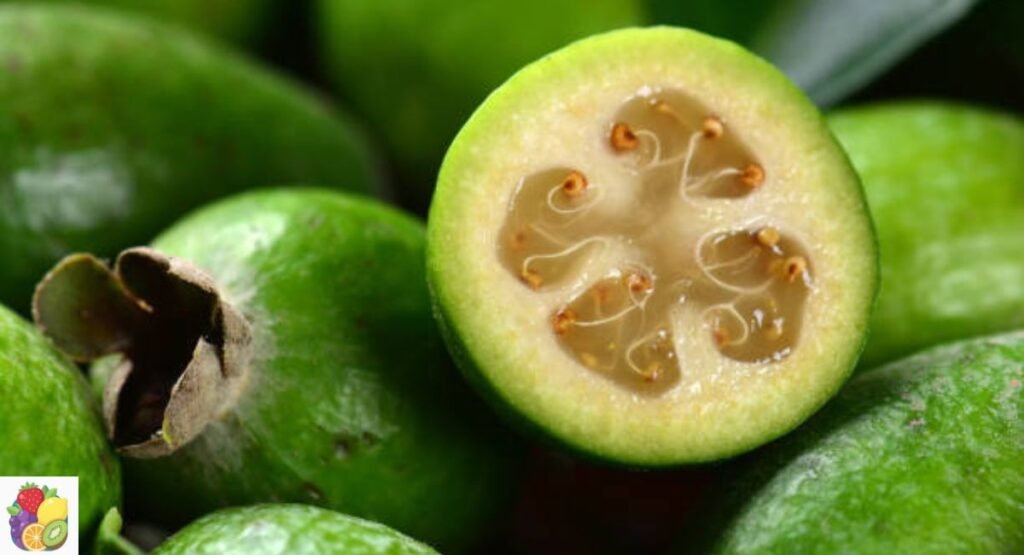
Feijoa is an unusual green fruit also called pineapple guava. It is native to South America and is now grown in several subtropical regions. The fruit has firm green skin and a soft interior. The center contains small edible seeds surrounded by juicy pulp.
One reason feijoa is popular among people searching for exotic fruits that start with F is its unusual flavor. Its taste can have pineapple-like, apple-like, and minty notes. It has a refreshing sweet-tart flavor and a strong fruity aroma. Some people eat it by cutting it in half and scooping out the flesh. It can also be blended into smoothies or used in jams, jellies, sauces, and desserts.
3. Finger Lime
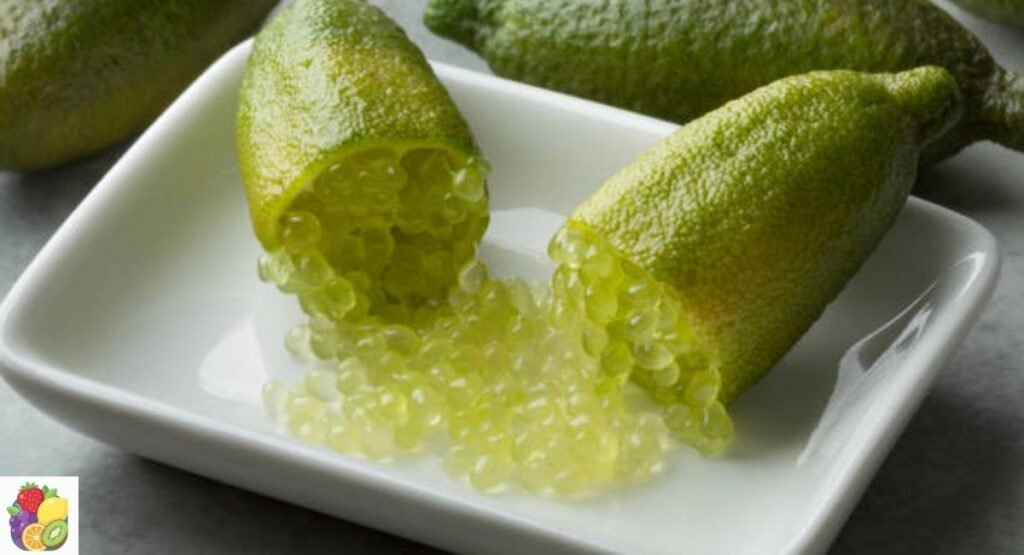
Finger lime is one of the most unusual citrus fruits starting with F. It is a narrow, elongated citrus fruit associated with Australia. Its shape resembles a small finger, which explains its common name. The skin can occur in several colors, while the interior contains tiny juice-filled vesicles.
These little vesicles look like pearls and are often called citrus caviar. When bitten, they release a sharp, fresh citrus flavor. Finger lime has a distinctly tart and tangy taste. Its unusual texture makes it especially popular as a garnish.
Chefs use finger lime with seafood, salads, desserts, sauces, and drinks. It can add both acidity and visual appeal without producing the same texture as ordinary citrus juice. Finger lime is therefore an excellent example of an exotic citrus with a modern culinary role.
4. Fuyu Persimmon
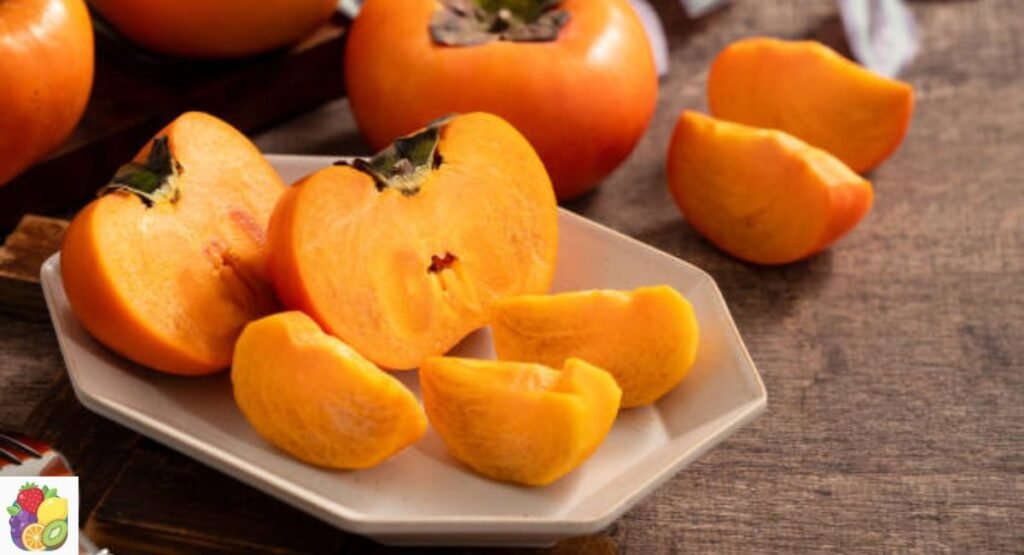
Fuyu persimmon is a popular variety of persimmon. It has a rounded shape and bright orange skin. The flesh is firm, sweet, and usually non-astringent. This means it can be eaten while it is still crisp.
This characteristic separates Fuyu from some softer persimmon varieties. Other persimmons may need to become very soft before they are pleasant to eat. Fuyu persimmons can be sliced while firm and used in salads, fruit plates, snacks, and desserts. Their honeyed flavor becomes especially enjoyable when the fruit is fully mature.
Fuyu persimmons also contain nutrients such as vitamin A, vitamin C, fiber, and antioxidant compounds. Their attractive orange color comes partly from plant pigments such as carotenoids.
5. Fairchild Tangerine
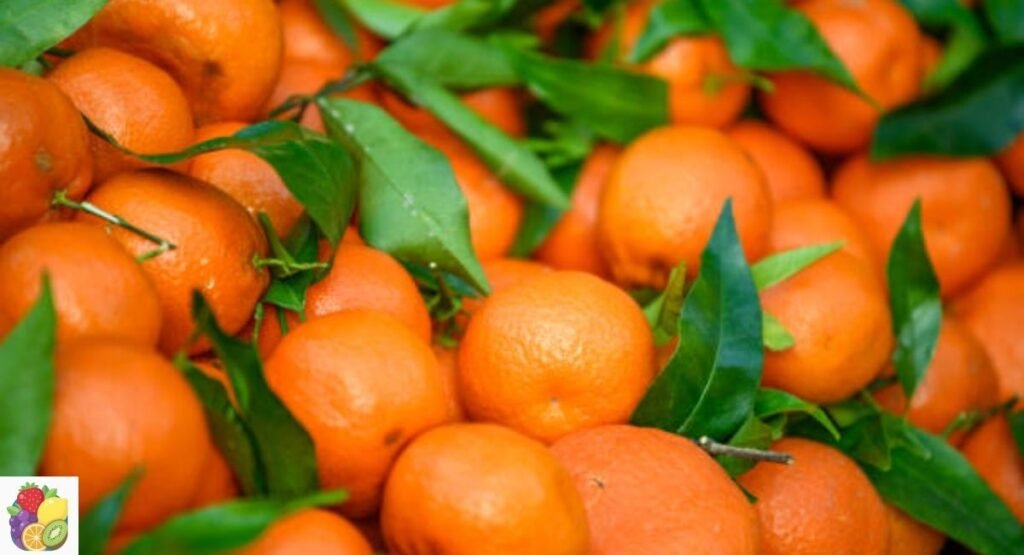
Fairchild tangerine is a named citrus variety and an interesting choice among fruit varieties beginning with F. It is associated with warm citrus-growing regions and has orange skin with juicy internal segments. The fruit is generally sweet but also has enough acidity to create a refreshing balance.
Like other tangerines, Fairchild can be eaten fresh after peeling. The segments can also be added to salads, desserts, fruit dishes, and drinks. Its combination of sweetness and acidity makes it useful when a recipe needs a bright citrusy flavor.
Fairchild tangerine is particularly useful in an alphabetical fruit list because it shows how cultivar names can expand the number of fruit names beginning with the letter F.
6. Fuji Apple
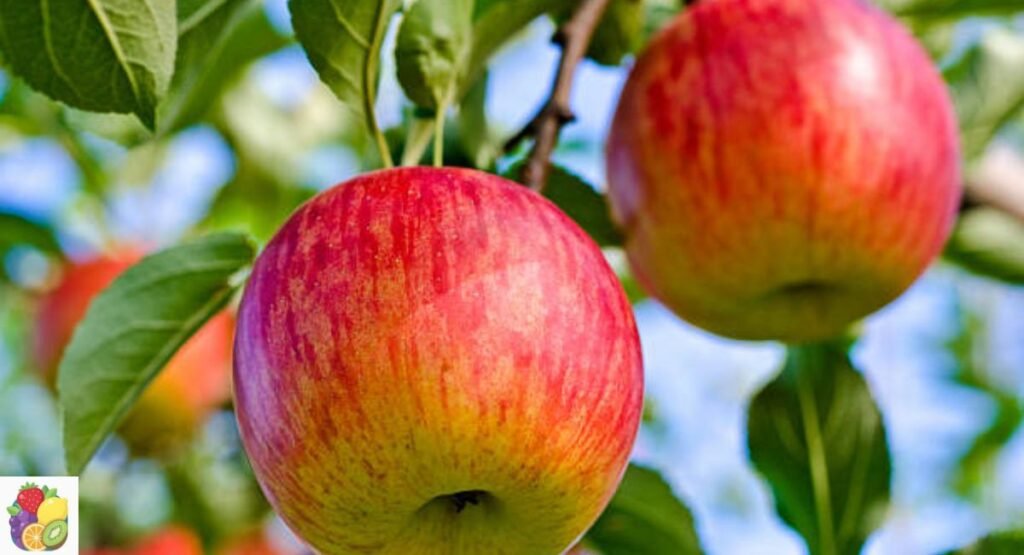
Fuji apple is one of the most familiar names in this list. It is an apple cultivar known for its firm texture, juicy flesh, and naturally sweet flavor. Its skin often combines red, pink, yellow, and green shades.
The flesh stays pleasantly crisp when fresh. This makes Fuji apples popular for everyday snacking. They also work well in salads, baked goods, applesauce, and juice. Their natural sweetness means they can add flavor without needing as much added sugar in some recipes.
Fuji apples are a good example of how a fruit cultivar can become more recognizable than the name of the species itself. Apples belong to a large family of varieties, and Fuji is one of the better-known modern choices.
7. Fuji Cherry
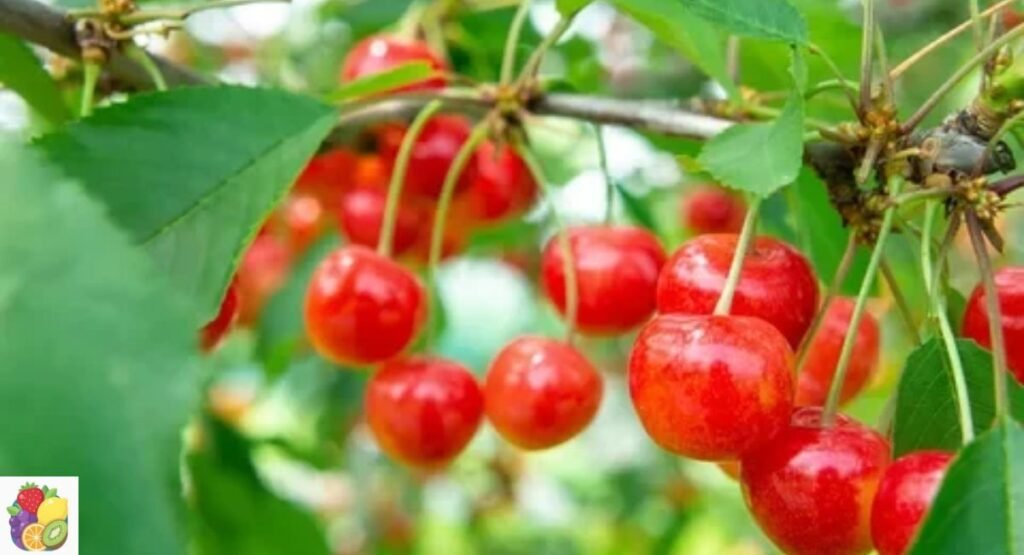
Fuji cherry is a less familiar name among unusual fruits beginning with F. It is associated with cherry varieties and has the typical stone-fruit structure of a cherry. The fruit has a fleshy outer part surrounding a hard pit.
Depending on the specific variety and growing conditions, cherries can have red, dark red, or nearly black skin. Their flavor often combines sweetness with mild acidity. This makes them useful for fresh eating as well as desserts and preserves.
Like other cherries, Fuji cherry can be enjoyed fresh when ripe. It can also be used in pies, sauces, jams, and other cooked dishes. Because cherry names can vary between regions and cultivars, readers should check the exact variety when buying or growing an unfamiliar cherry.
8. Florida Avocado
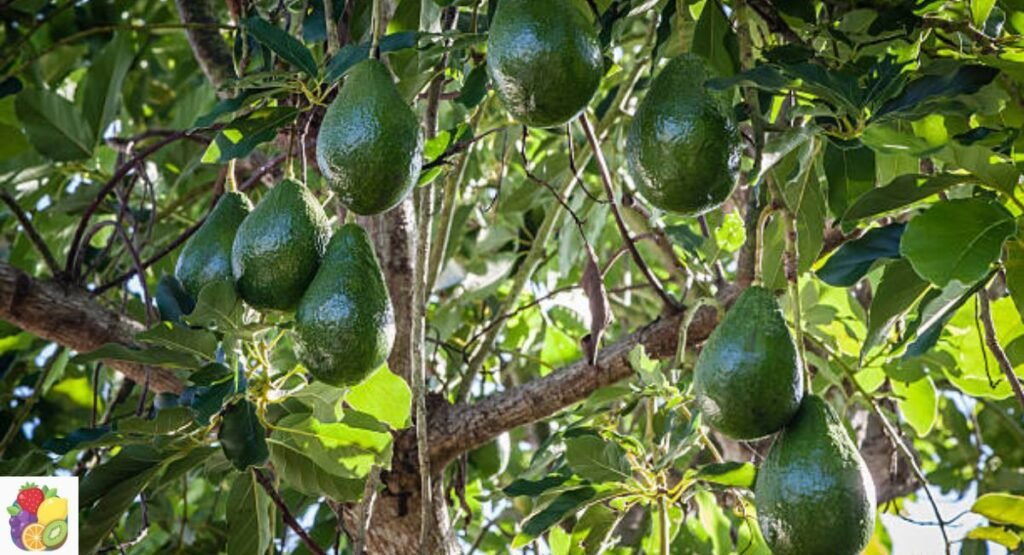
Florida avocado is a type of avocado grown in Florida and other warm regions. It differs noticeably from the smaller, darker Hass avocado commonly seen in American supermarkets. Florida avocados are often larger and have smoother green skin.
Their flesh is generally firmer and milder than that of Hass avocados. They also tend to have less fat per serving than Hass avocados because of differences between the varieties. Their mild taste works well in salads, sandwiches, wraps, dips, and smoothies.
Although avocado is commonly treated as a vegetable in everyday cooking, it is botanically a fruit. This makes Florida avocado an interesting example for people searching for fruits and vegetables that start with F. The difference comes from the fact that culinary categories and fruit classification do not always follow botanical rules.
9. Florida Strangler Fig
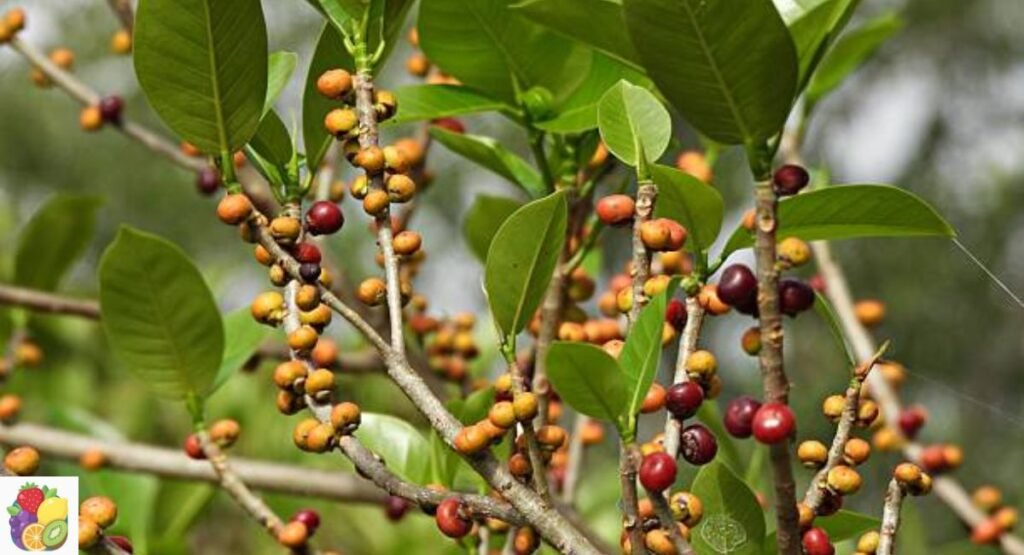
Florida strangler fig is a distinctive member of the Ficus group. It is a tropical and subtropical tree known for its unusual growth habit. Young plants can begin life associated with another tree and develop roots that eventually reach the ground.
The tree produces small fig-like fruits. These fruits are important to wildlife and form part of the ecological food web. However, Florida strangler fig should not be confused with the large sweet figs commonly sold as fresh or dried fruit.
Its importance is therefore both botanical and ecological. It demonstrates how the word “fig” can refer to a broader group of plants rather than only the familiar edible fig found in grocery stores.
10. Forest Strawberry
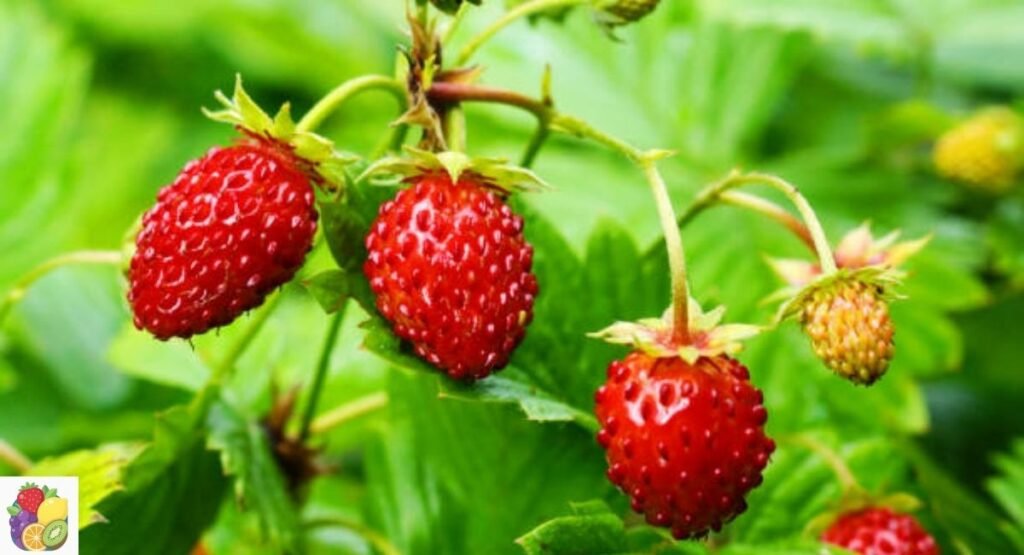
Forest strawberry refers to small strawberry fruits associated with woodland, wild, or alpine-type environments. These berries are usually much smaller than many commercial strawberries. However, their small size does not mean they lack flavor.
Wild strawberries can have an intense aroma and a sweet, delicate taste. Some varieties have a balanced sweet-tart flavor that works well in jams and desserts. Their soft texture also makes them best eaten soon after picking.
Forest strawberries can be eaten fresh or used in homemade jam, jelly, sauces, and desserts. They are also attractive additions to gardens when suitable varieties are grown. Their name makes them a useful example of wild fruits that begin with F.
11. Fox Grape
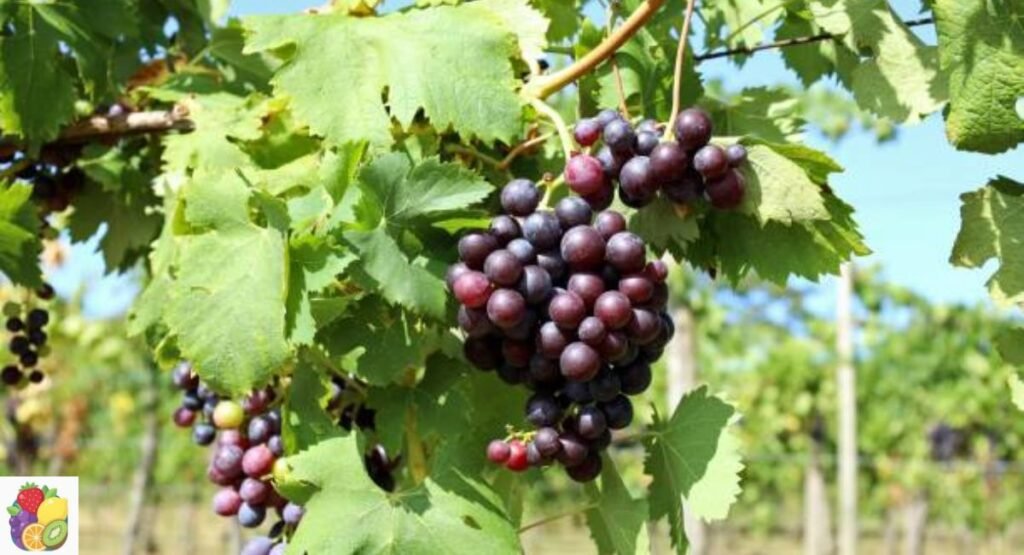
Fox grape is a North American grape species. It can produce dark-colored grapes with a distinctive aroma and flavor. Depending on the variety and growing conditions, the grapes may taste sweet, tart, or somewhat earthy.
Fox grape is especially interesting because it represents a wild fruit species rather than a standard supermarket grape. Native grapes have played an important role in regional food traditions and have also contributed to grape breeding.
The fruit can be eaten fresh when suitable and ripe. It can also be used for juice, jelly, preserves, and some forms of winemaking. Its strong character makes it different from the mild flavor of many cultivated table grapes.
12. False Mastic Fruit
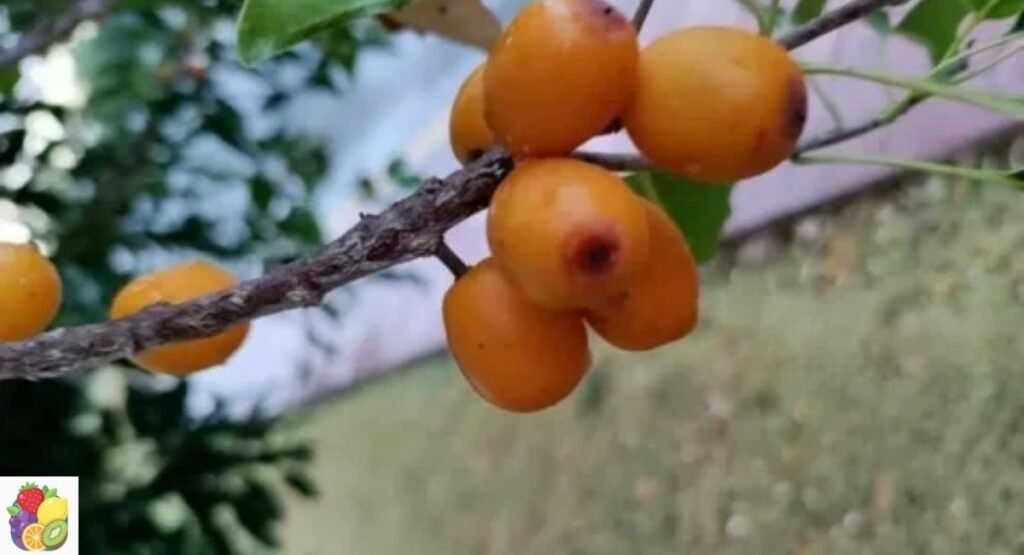
False mastic fruit is an unusual entry among rare fruits that start with F. It comes from a plant found in warm regions, including parts of Florida. The small fruits can develop yellowish colors as they mature.
The fruit has a distinctive appearance and may have soft or somewhat gummy pulp. Descriptions of flavor can vary according to maturity and regional use. This is common with unusual fruit varieties because they may not have the same standardized commercial descriptions as apples, oranges, or bananas.
False mastic is therefore better understood as a regional and botanical fruit rather than a common grocery-store choice. Anyone encountering unfamiliar wild fruit should identify the species correctly before eating it.
13. Fascell Mango
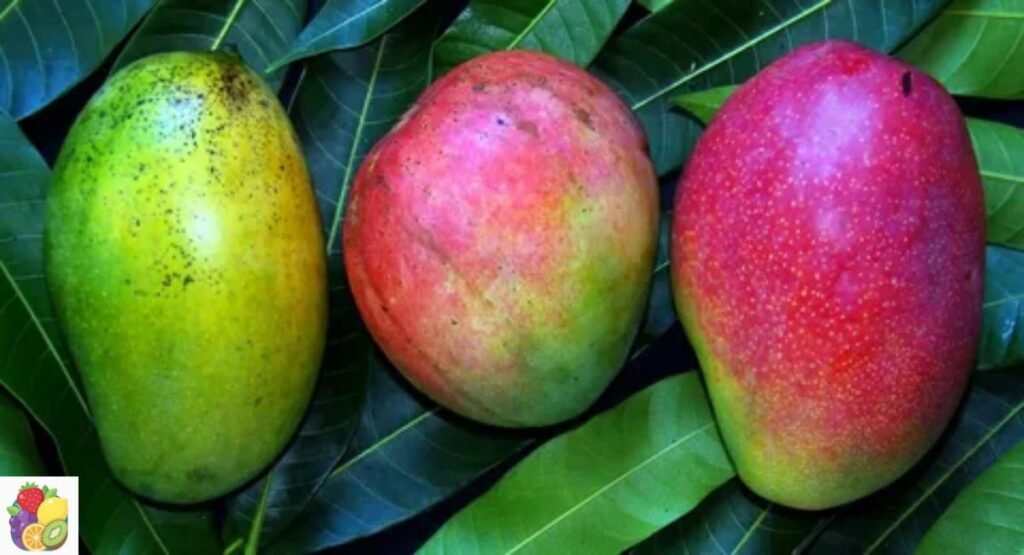
Fascell mango is a named mango cultivar associated with Florida. Like other mangoes, it develops fleshy fruit around a large central seed. Its flesh can become yellow or orange as it ripens.
The fruit has a tropical aroma and a sweet flavor. Ripe mangoes are usually juicy and soft, while less ripe fruit can be firmer and more acidic. Fascell mango can be eaten fresh or added to smoothies, fruit salads, desserts, sauces, and other tropical recipes.
Mangoes are a useful example of fruit cultivars because many varieties have their own names, shapes, flavors, and growing characteristics. Fascell mango therefore adds a regional Florida connection to this list of F fruits.
14. Fuerte Avocado
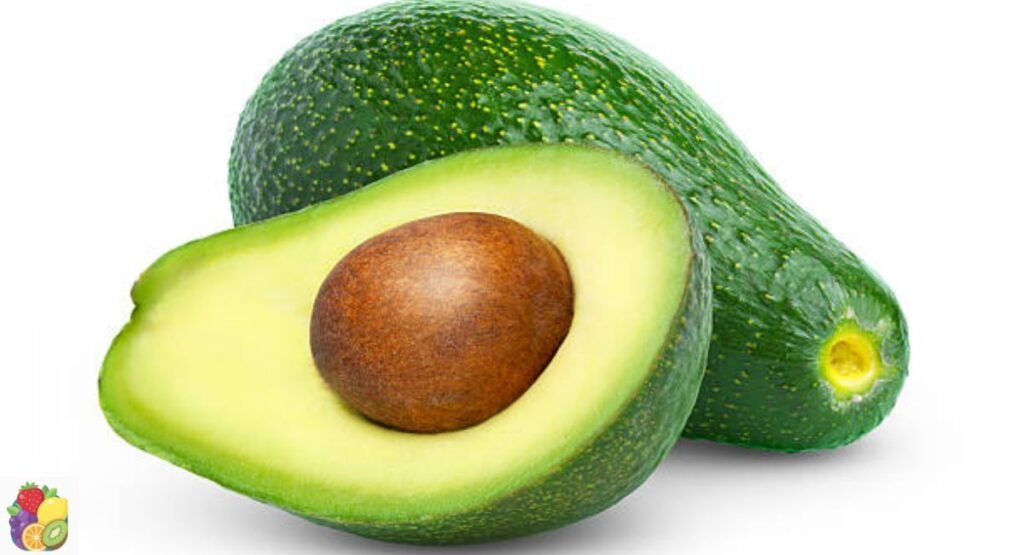
Fuerte avocado is another avocado variety beginning with F. The name means “strong” in Spanish. The fruit typically has green skin and creamy flesh. Its shape is often pear-like.
Fuerte is known for its mild, pleasant flavor. Its flesh can be used in many of the same ways as other avocados. It works well in guacamole, salads, sandwiches, spreads, and fresh dishes.
The fruit is also useful for explaining why a list of fruit names starting with F may contain several names from the same botanical fruit. Florida avocado and Fuerte avocado are not different kinds of fruit in the broad sense. They are different avocado types or cultivars.
15. French Prune
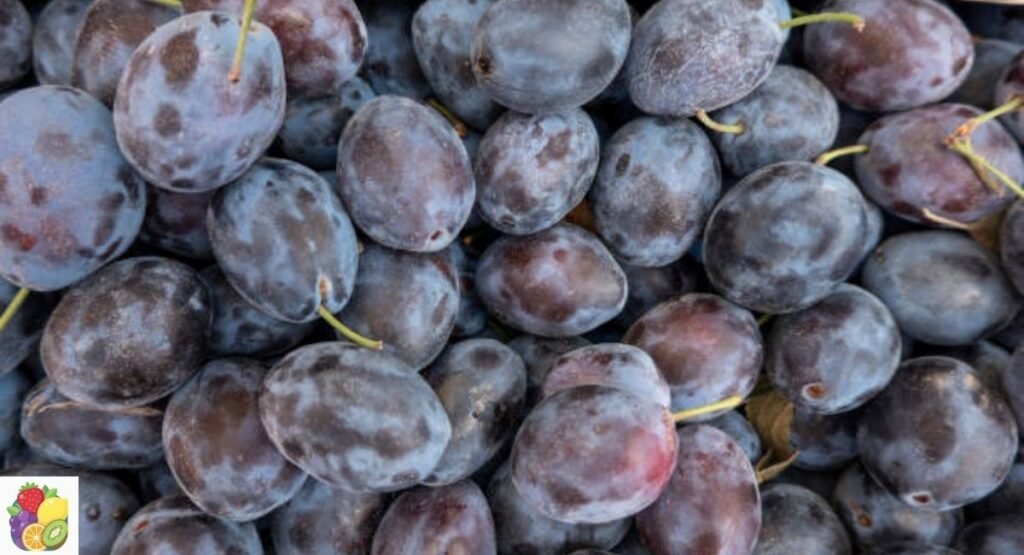
French prune is associated with plum varieties that are especially suitable for drying. Plums are stone fruits, meaning the fleshy fruit surrounds a hard central pit.
Fresh French prune-type plums can have sweet flesh and a rich fruity flavor. When dried, their water content decreases and their natural sugars become more concentrated. This produces the familiar chewy texture associated with dried prunes.
French prune can be eaten fresh when appropriate or used in baking, preserves, sauces, desserts, and dried-fruit snacks. The fruit is also useful for understanding the connection between fresh plums and dried prunes.
16. Frangipani Fruit
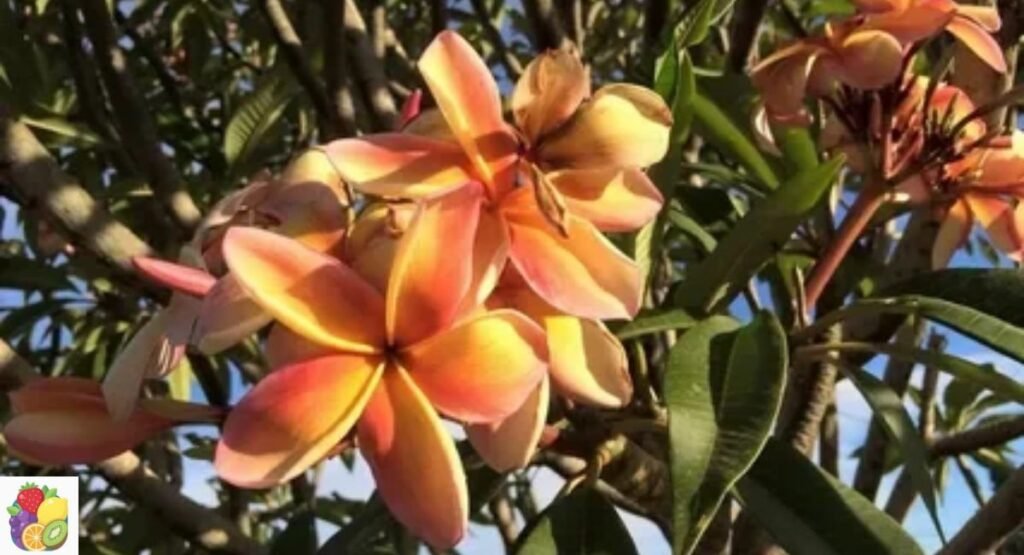
Frangipani fruit is an unusual entry that needs special care. Frangipani plants are best known for their attractive and fragrant flowers. Under suitable conditions, the plant can produce elongated paired seed pods.
These structures are not the same as the sweet commercial fruits people normally expect from an alphabetical fruit list. The word “fruit” here refers to the botanical structure that develops after flowering and contains seeds.
This distinction is important. People should not assume that every plant structure called a fruit is safe or pleasant to eat. Botanical fruit and edible culinary fruit are not always identical concepts. Frangipani is therefore best included as a botanical example rather than promoted as an everyday food.
17. Florida Cherry
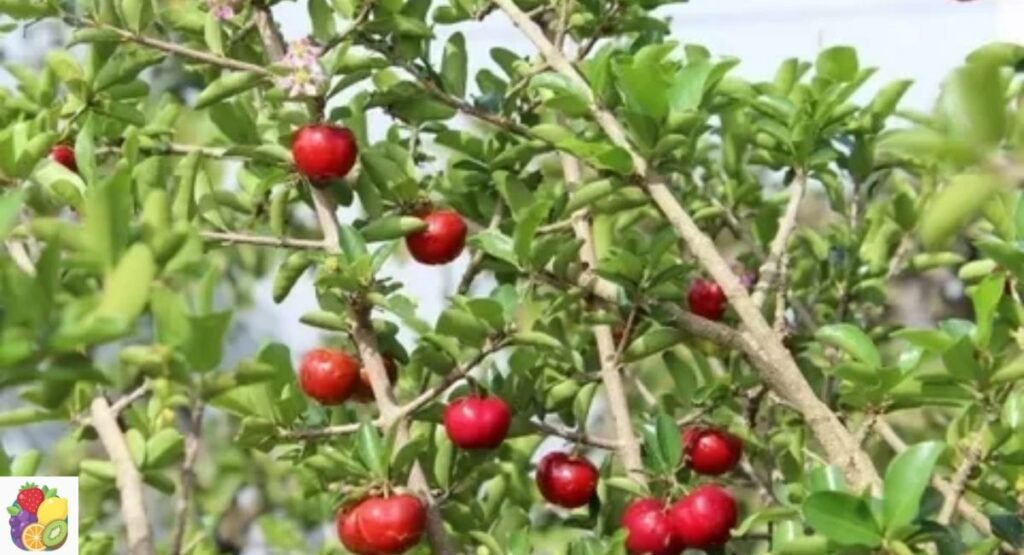
Florida cherry is a regional fruit name that can refer to fruits grown in warm climates. Some sources use the name for tropical or subtropical cherry-like fruits with bright colors and acidic or sweet-tart flavors. Because common names can vary, exact plant identification is important.
Depending on the fruit and maturity, the color can range from green to orange or red. Riper fruit is often sweeter, while less mature fruit may have stronger acidity. This makes Florida cherry an interesting example of how regional fruit varieties can have different names from place to place.
Some fruits sold under regional cherry names can be used for fresh eating, juices, jams, and preserves. Their specific culinary use depends on the exact species or cultivar being discussed.
18. Florida Peach
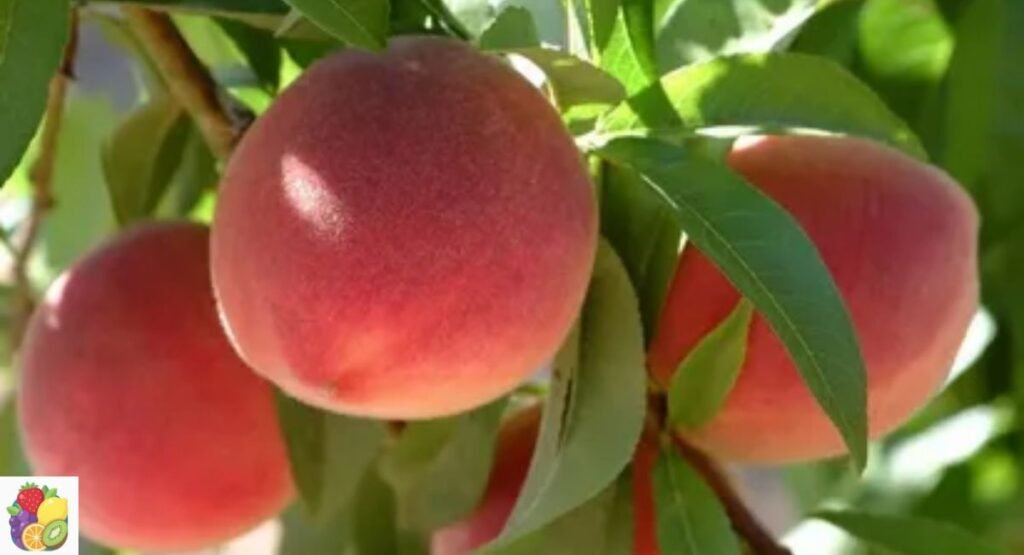
Florida peach is a regional peach choice adapted to warmer growing conditions. Peaches are stone fruits with juicy flesh surrounding a single hard pit. Their skin can range from yellow and orange to reddish tones.
A ripe peach usually has a soft texture and a sweet, fragrant flavor. Peaches can be eaten fresh or used in pies, cobblers, jams, preserves, sauces, and summer desserts.
Florida-grown peaches are especially interesting because peach production is often associated with cooler or temperate regions. Warm-climate peach production depends on choosing varieties with suitable chilling requirements and growing conditions.
19. Farkleberry
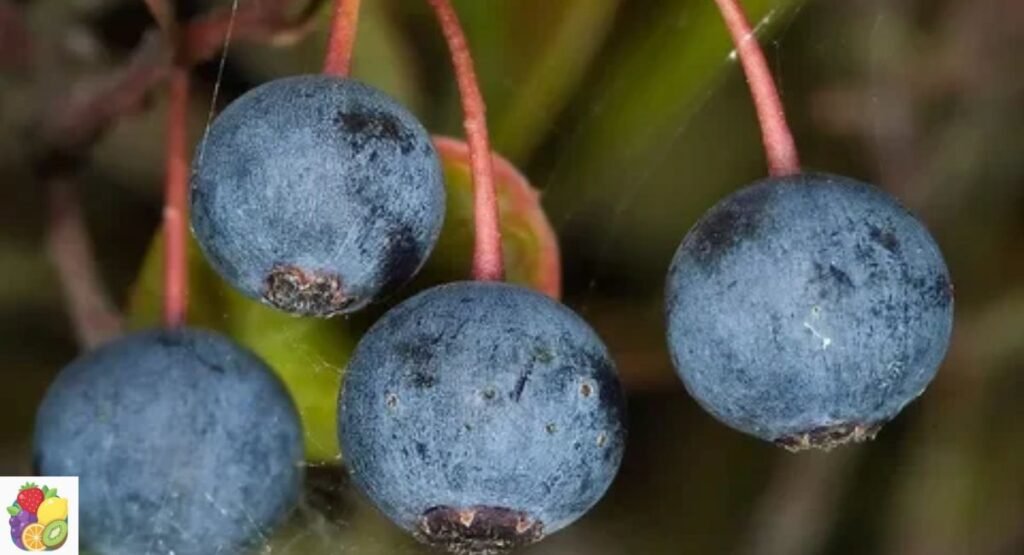
Farkleberry is a small dark berry associated with the southeastern United States. It can resemble a blueberry because of its dark color and rounded shape. However, it belongs to a different group and has its own flavor and texture.
Farkleberries may have a sweet, mildly tart taste. They are an example of wild berries that can be important to local wildlife. Birds and other animals can consume the fruits, helping the plant fit into native ecosystems.
When properly identified and suitable for consumption, the berries can be used in foods such as preserves and baked dishes. Farkleberry is one of the more distinctive names in lists of unusual fruits beginning with F.
20. Ficus Fruit
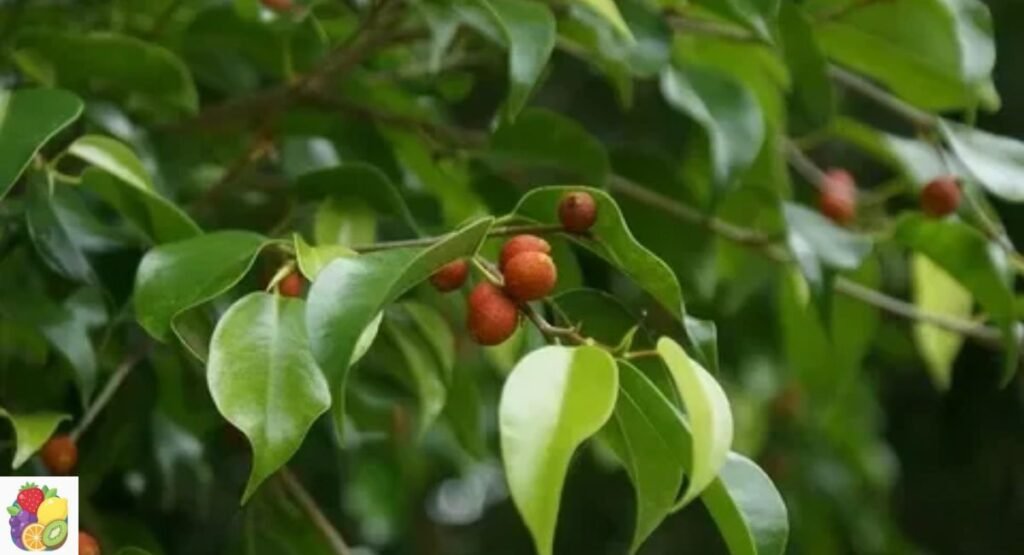
Ficus fruit is a broad botanical term related to fruits produced by species in the Ficus genus. The familiar edible fig is one example. However, many other Ficus species produce structures that look very different from the common figs sold in stores.
A fig is technically a specialized structure called a syconium. What appears to be a single fruit contains many tiny flowers inside. This unusual structure is one reason figs are botanically fascinating.
Not every Ficus species produces fruit that should be treated as an edible food. Some species are important mainly as wild plants or as food sources for animals. Correct botanical identification is therefore essential when discussing Ficus fruits.
Fruits and Vegetables That Start With F
The search for fruits and vegetables that start with F can produce interesting classification questions. Some foods are botanically fruits but are normally used like vegetables. Cucumbers and avocados are common examples. They develop from flowers and contain seeds, which makes them botanical fruits.
In everyday cooking, however, people usually group foods by taste and use. A cucumber is commonly placed with vegetables in salads and savory dishes. Avocado is also frequently used in savory meals. This difference between culinary fruit and botanical classification explains why fruit lists can sometimes look surprising.
Foods Commonly Confused as Vegetables
Field cucumber is a useful example. Cucumber plants produce fruits that contain seeds and develop from flowers. Botanically, that makes them fruits. In the kitchen, however, cucumbers are generally treated as vegetables.
Avocado has a similar story. Florida avocado and Fuerte avocado are botanical fruits, but people usually use them in salads, sandwiches, dips, and savory dishes. These examples show why an alphabetical search should consider both common food language and botanical definitions.
Citrus Fruits That Start With F
Several citrus fruits starting with F are available as names of species, varieties, or cultivars. Finger lime is one of the clearest examples. Its unusual pearl-like pulp and strong acidity make it especially recognizable.
Fairchild tangerine is another F citrus fruit. Other F-named citrus examples include Florentine citron and Fukushu kumquat. Citron is especially valued for its fragrant rind, while kumquat is unusual because the skin can be eaten with the fruit.
Citrus fruits commonly provide vitamin C and aromatic plant compounds. Their peel may contain flavorful oils, making citrus zest useful in cooking. Depending on the fruit, F citrus varieties can be eaten fresh or used in juice, marmalade, desserts, sauces, beverages, and garnishes.
Short F Fruit Names
People sometimes search for four-letter fruit names beginning with F for word games, school activities, or vocabulary exercises. However, short English fruit names beginning with F are uncommon.
The difficulty comes from the way fruit names are written. A cultivar name may contain two words, while a scientific name can be much longer. Regional names may also differ from standard English names.
For this reason, searches for short F fruit names can produce different results depending on whether the puzzle accepts cultivar names, common names, scientific names, or regional terms. It is better to confirm the rules of the particular word game before choosing an answer.
Fruits That Start With F in Spanish
| English Fruit | Spanish Name | Notes |
| Fig | Higo | A sweet fruit with soft flesh and edible seeds. |
| Feijoa | Feijoa | Also called guayabo del Brasil in some Spanish-speaking regions. |
| Finger Lime | Lima dedo | A small Australian citrus with pearl-like pulp. |
| Fuji Apple | Manzana Fuji | A sweet, crisp apple variety. |
| Fuyu Persimmon | Caqui Fuyu | A firm, sweet persimmon variety. |
| Fairchild Tangerine | Mandarina Fairchild | A named tangerine cultivar. |
| Fuerte Avocado | Aguacate Fuerte | A traditional avocado cultivar. |
| Florida Avocado | Aguacate de Florida | Refers to Florida-grown avocado types. |
| Fascell Mango | Mango Fascell | A named mango cultivar. |
| Fox Grape | Uva zorro | A North American grape species; the common Spanish translation may vary. |
| Farkleberry | Farkleberry | The English name is often retained because it has no widely standardized Spanish common name. |
| Forest Strawberry | Fresa silvestre | A wild or woodland strawberry. |
| French Prune | Ciruela francesa | A plum type associated with drying into prunes. |
| Finger Lime | Lima dedo australiana | A more descriptive Spanish name sometimes used for this Australian citrus. |
Important: Not every English F-fruit has a standard Spanish name beginning with F. In fact, common examples such as fig → higo and finger lime → lima dedo show why direct translation does not always preserve the first letter. Regional Spanish usage can also differ.
How to Choose and Eat F Fruits
Choosing an F fruit depends on the type of fruit. Apples should usually feel firm and heavy for their size. Peaches should develop a fragrant aroma and yield slightly when ripe. Figs are often soft when ready to eat. Fuyu persimmons can remain firm while still being sweet.
Citrus fruits should generally feel heavy for their size because this can indicate good juice content. Berries are delicate and should be checked for mold, excessive softness, or leaking juice. Unfamiliar wild fruits require extra care because a common name alone does not guarantee that a plant is edible.
Many fresh fruits starting with F can be eaten raw. Others work especially well when cooked. Figs are excellent in desserts and preserves. Fuji apples work well in baking. Finger lime can brighten savory dishes. Feijoa can be blended into smoothies or cooked into jams. Peaches can be baked into pies and cobblers.
Conclusion
The world of 20 fruits that start with F is much more varied than it may first appear. Familiar choices such as fig, Fuji apple, Fuyu persimmon, and feijoa sit alongside finger lime, Farkleberry, fox grape, and other unusual varieties. Together, they represent citrus fruits, berries, tree fruits, tropical fruits, stone fruits, and regional varieties.
Exploring fruits beginning with F is also a useful way to learn about different flavors, cultures, growing regions, and botanical classifications. Some are sweet and juicy, while others are tart, aromatic, or unusual in texture. From a crisp Fuji apple to the tiny citrus pearls of a finger lime, F fruits offer plenty of new flavors to discover.
FAQs
What is a fruit that starts with the letter F?
Several fruits start with F. Some familiar examples are Fig, Feijoa, Finger Lime, Fuji Apple, and Fuyu Persimmon. There are also less common choices such as Farkleberry, Fox Grape, Fairchild Tangerine, and Forest Strawberry.
What is a fruit or vegetable that starts with F?
Field cucumber can appear in searches for fruits or vegetables beginning with F. Cucumber is botanically a fruit because it develops from a flower and contains seeds. In everyday cooking, however, it is normally treated as a vegetable.
What is a citrus fruit that starts with F?
Finger Lime is one of the best-known citrus fruits starting with F. Fairchild Tangerine is another. Florentine Citron and Fukushu Kumquat are additional F-named citrus examples.
Are there four-letter fruits beginning with F?
Very short English fruit names beginning with F are uncommon. The answer can depend on the rules being used. A word game may accept a common name but reject a cultivar name or scientific name. Therefore, the exact rules should be checked before selecting an answer.
What are some unusual fruits that start with F?
Some unusual fruits that start with F include False Mastic Fruit, Farkleberry, Feijoa, Finger Lime, Fox Grape, and Forest Strawberry. Other lists also include Five Flavor Berry, Fibrous Satinash, Fe’i Banana, and other regional fruits.

Welcome to Fruitloria.com! I’m Anam Sattar, an AI-powered SEO Specialist and Content Writer with over 4 years of experience in creating high-quality, search-optimized content. I help businesses improve their search engine rankings, increase organic traffic, and build beautiful, user-friendly websites. My mission is to make SEO, content creation, and web design simple, effective, and accessible for everyone. Let’s grow your online presence and achieve success together!
1 thought on “20 Fruits That Start With F: Common, Exotic & Unique Fruits”