


Starting with the letter J opens the door to a surprisingly diverse collection of fruits. From the enormous jackfruit to tiny berry-like fruits, these choices span tropical, subtropical, and temperate regions. Some are familiar in markets, while others remain uncommon J fruits that deserve more attention. In this guide to fruits that start with J, you’ll discover well-known favorites alongside unusual varieties from around the world.
We’ll explore their flavors, textures, colors, origins, and everyday uses. Whether you’re searching for exotic fruits starting with J, building a fruit-name list, or simply curious about new foods, this collection makes it easy to explore 20 fascinating fruits beginning with J.
20 Fruits That Start With J
1. Jackfruit
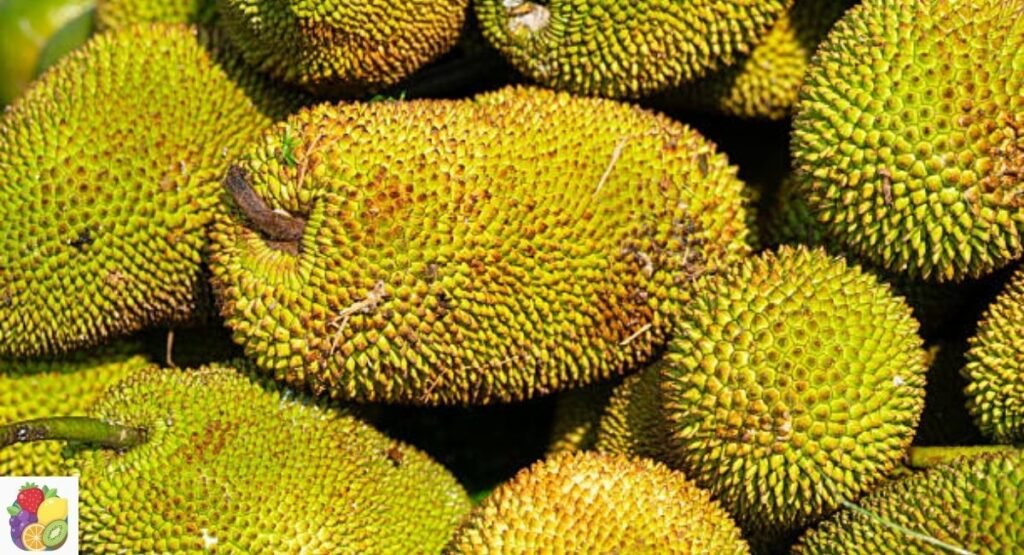
Jackfruit is one of the largest tree-borne fruits in the world. Its thick green rind protects golden, fragrant pods with a sweet flavor when ripe. The flesh becomes fibrous and tender when cooked young. Native to South Asia, jackfruit now grows widely across tropical regions.
2. Jujube
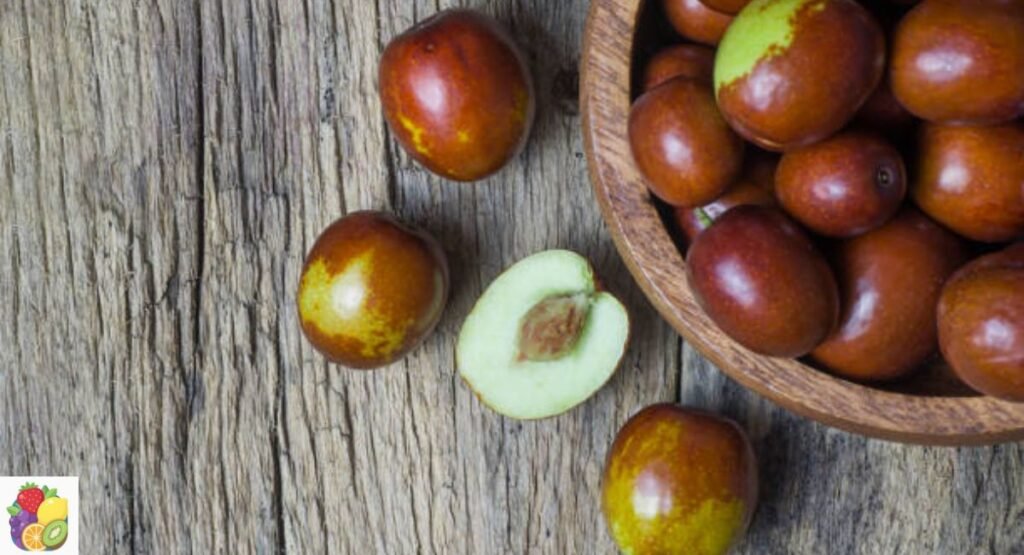
Jujube is a small fruit that changes from green to reddish-brown as it ripens. Fresh fruit has a crisp texture and mild sweetness that can remind you of an apple. Dried jujube becomes chewy and date-like. Chinese jujube is especially important across Asian food traditions.
3. Jaboticaba
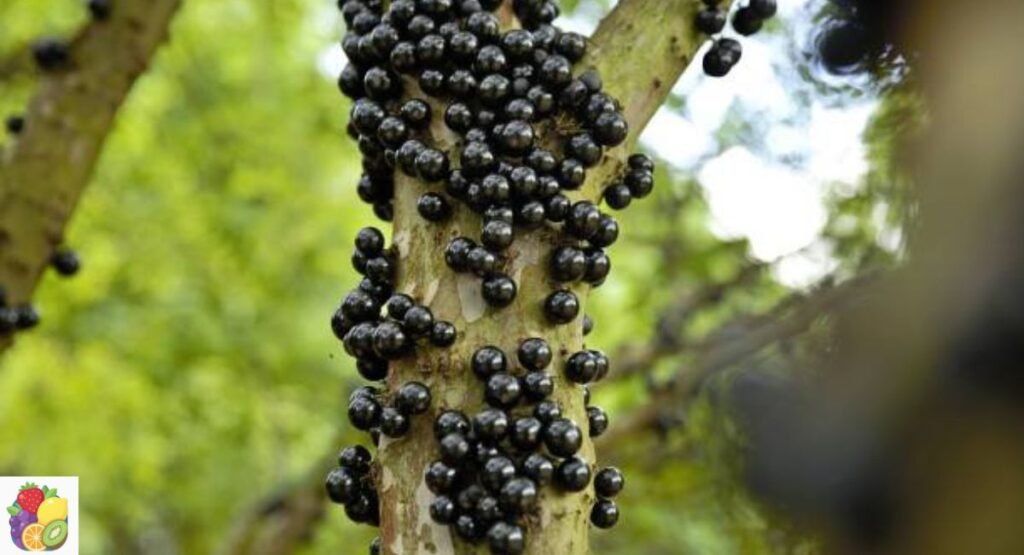
Jaboticaba looks almost magical because its dark fruits grow directly from the tree trunk. The round berries have purple-black skin and pale, juicy pulp. Their sweet-tart flavor works well fresh or in jams, jellies, juices, and other preparations. The species is native to Brazil.
4. Jostaberry
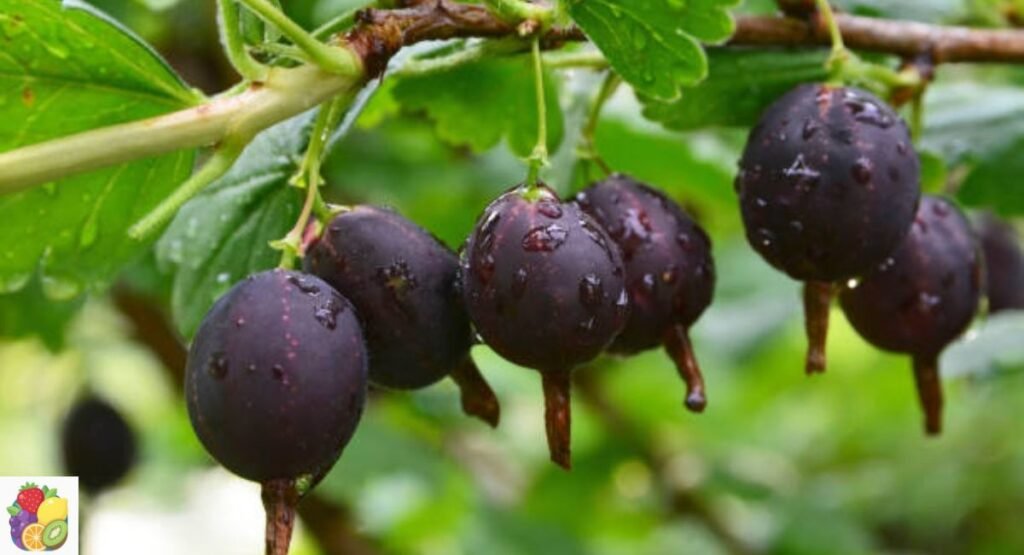
Jostaberry is a hybrid fruit created from blackcurrant and gooseberry relatives. Its dark berries have a juicy texture with a balanced sweet and tart taste. The thornless plant can grow in temperate gardens. You can enjoy the berries fresh or turn them into pies, preserves, sauces, and desserts.
5. Juneberry
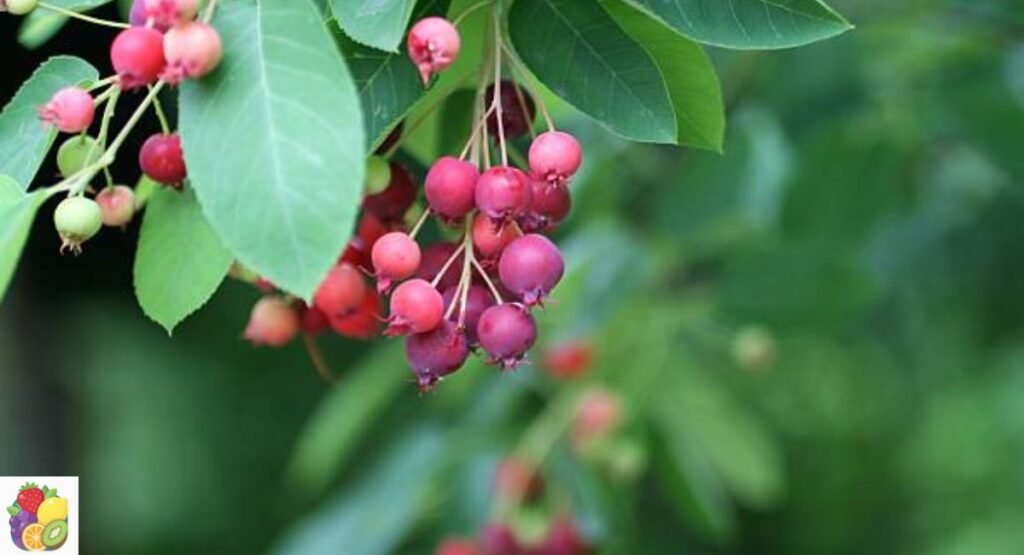
Juneberry refers to several species of Amelanchier that produce small edible berries. The fruits can become purple-red or blue-purple when mature. Their mildly sweet flavor pairs nicely with baked foods. Depending on the species, Juneberries may also be called serviceberries or Saskatoon berries in North America.
6. Java Apple
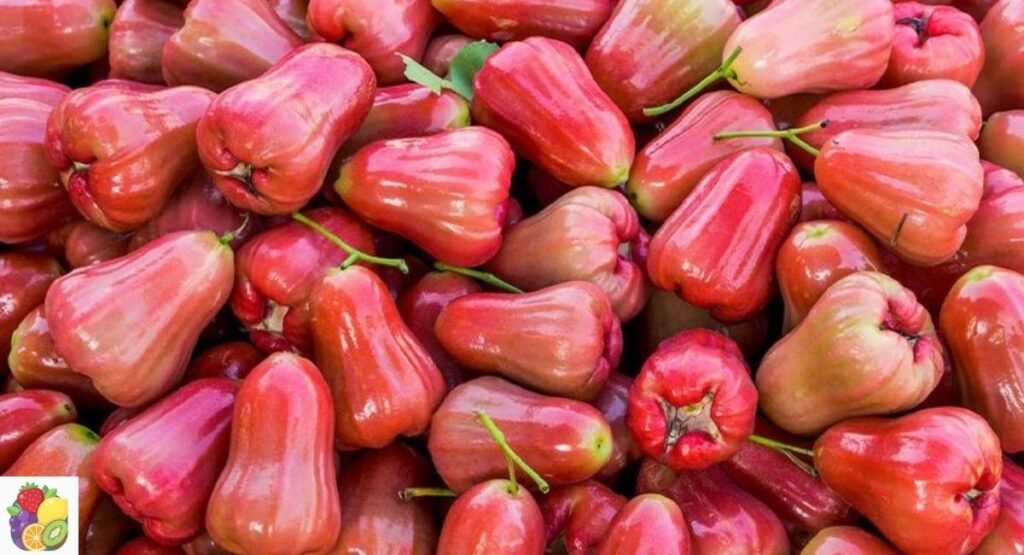
Java apple is a tropical fruit with a bell-like shape and smooth, glossy skin. Its flesh contains plenty of water and has a crisp texture when fresh. The flavor is usually mild and lightly sweet. Java apple belongs to the Syzygium group and is widely grown in tropical Asia.
7. Jocote
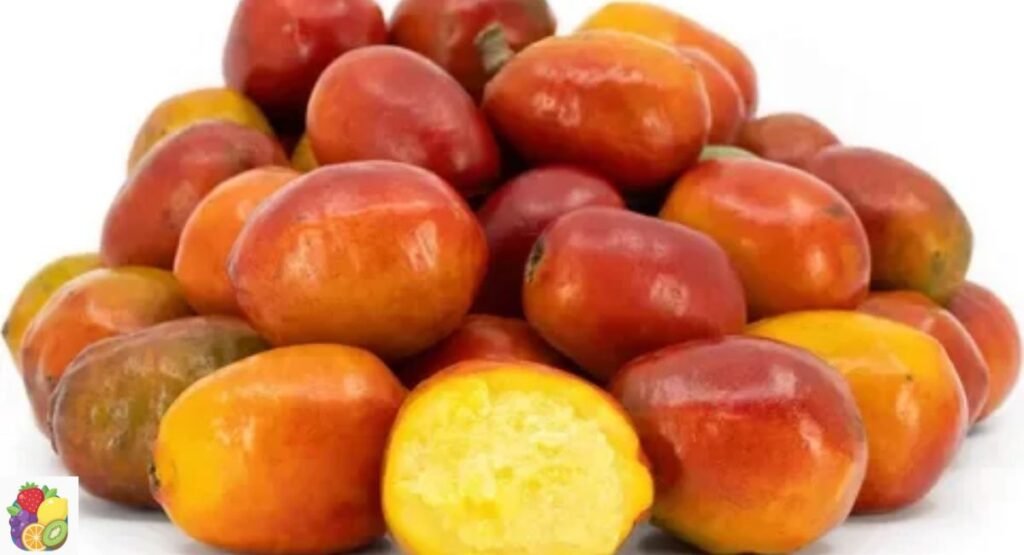
Jocote is a small tropical fruit native to parts of Central America and commonly associated with Mexico. Its skin may turn yellow, orange, or red as it ripens. The sweet-tart flesh surrounds a hard pit. People eat jocote fresh or use it in drinks, sauces, preserves, and cooked dishes.
8. June Plum
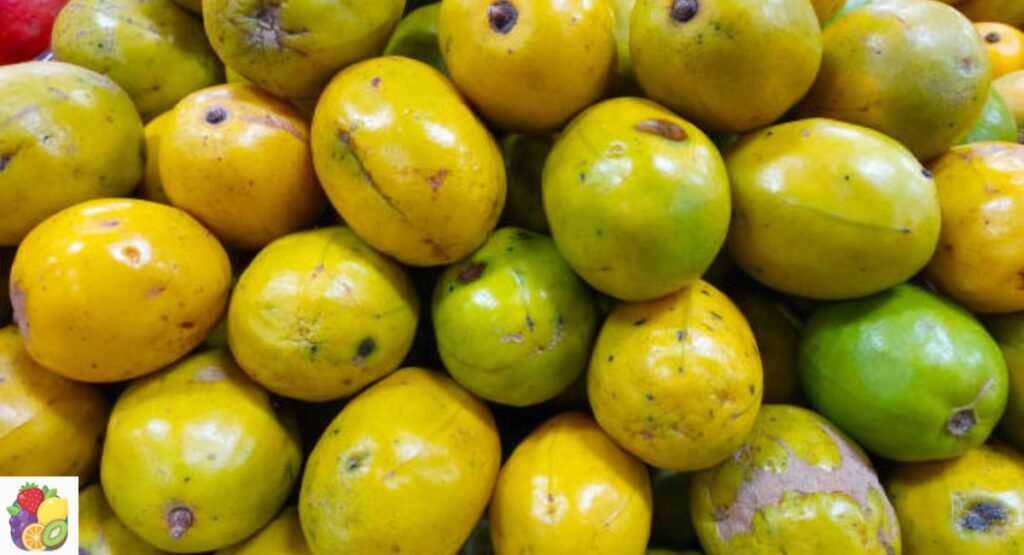
June plum, commonly associated with Spondias dulcis, is a tropical fruit with green or yellow skin. Young fruits can taste sharply tart, while ripe ones become sweeter and juicier. The crisp flesh makes it refreshing when eaten fresh. It also works well in drinks, sauces, chutneys, and preserves.
9. Jambolan
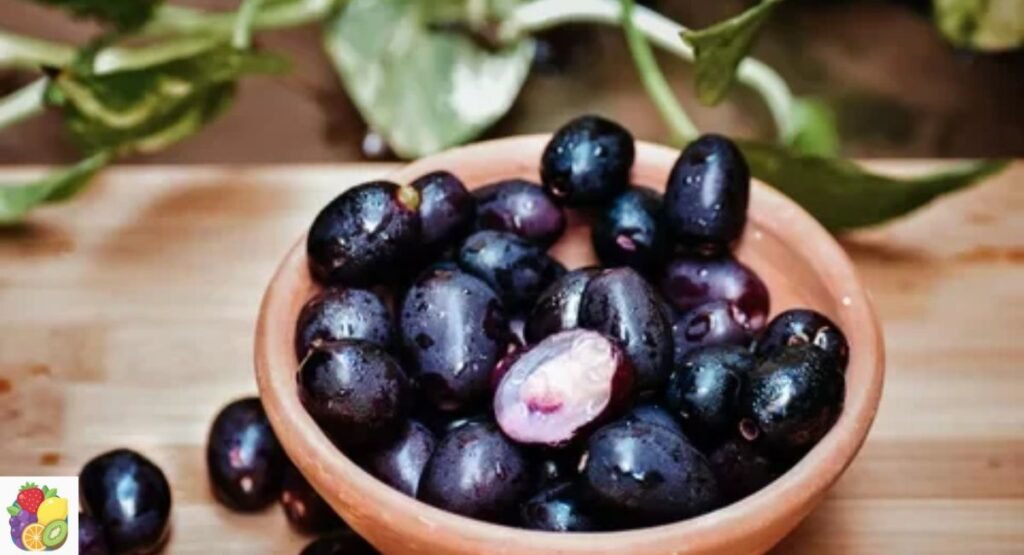
Jambolan is a dark purple fruit from the Syzygium cumini tree. It is also known by several regional names, including Java plum and jamun. Its juicy flesh has a sweet-astringent taste that becomes familiar to people who enjoy South Asian fruits. The fruit is eaten fresh and used in drinks and preserves.
10. Jelly Palm Fruit
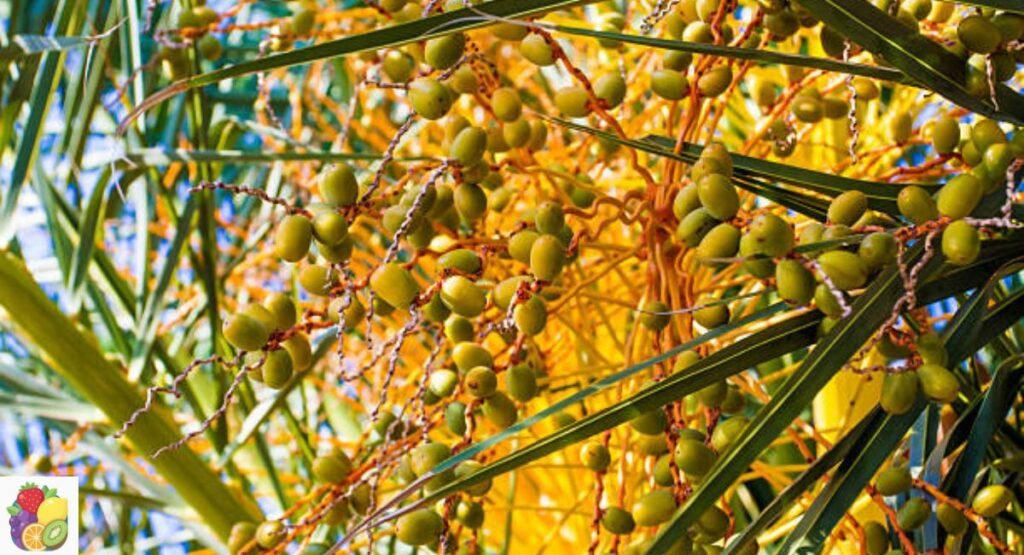
Jelly palm fruit comes from a palm commonly associated with the pindo or jelly palm. The small fruits usually turn yellow-orange as they mature. Their pulp can have a sweet-tart flavor with a soft, somewhat fibrous character. People use them for jellies, syrups, beverages, and other cooked preparations.
11. Jatoba Fruit
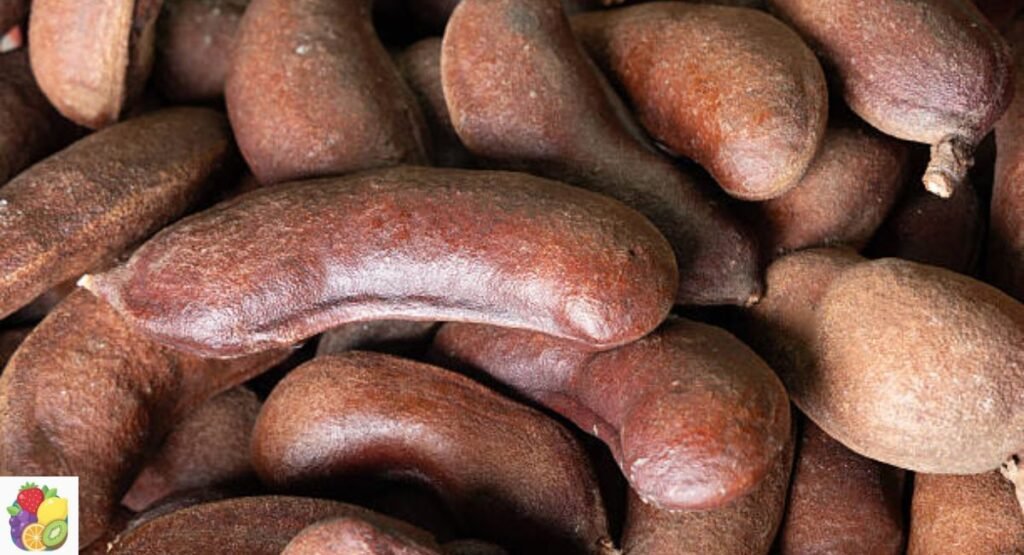
Jatoba fruit develops inside a hard pod produced by the tropical Hymenaea courbaril tree. Inside, the edible material has an unusual dry, powdery texture and naturally sweet taste. The tree occurs across tropical parts of the Americas. Jatoba stands out because its pod-like fruit looks quite unlike ordinary berries or drupes.
12. Jambu
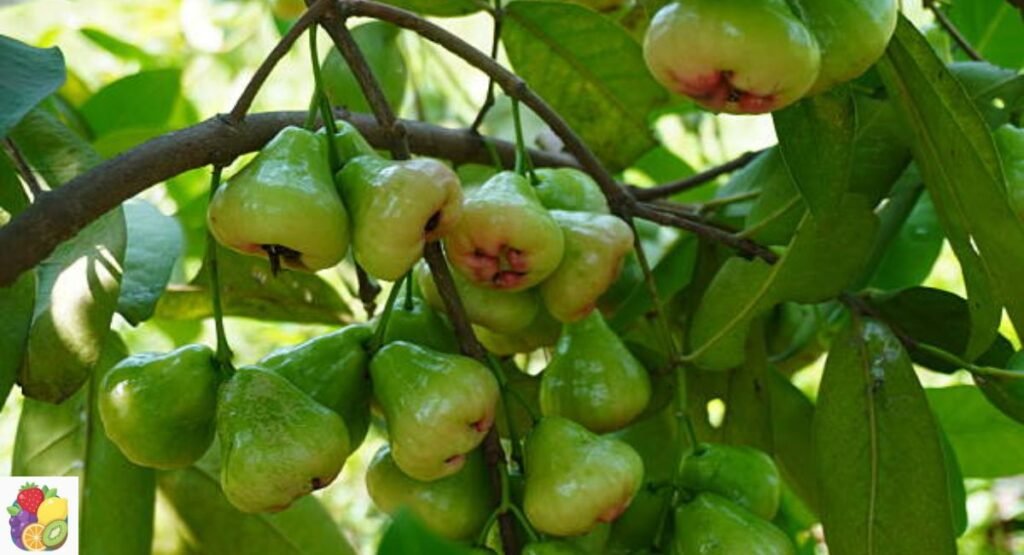
Jambu is a name used in different tropical regions for fruits and related plants, so context matters. In Southeast Asian food culture, several Syzygium fruits use jambu-related names. Java apple, for example, is known locally by jambu names. Always check the scientific name when identifying a regional fruit.
13. Jamaican Cherry
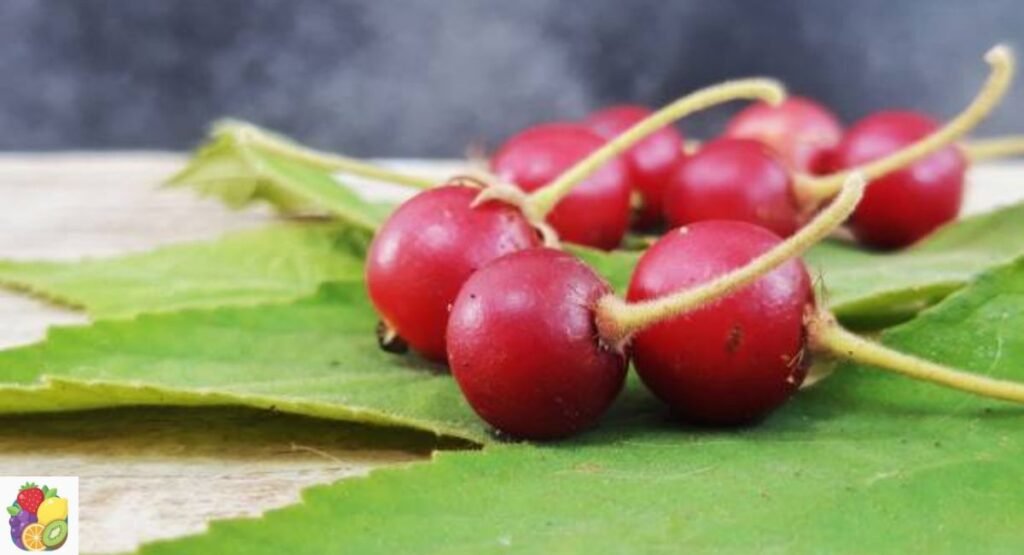
Jamaican cherry is a small, soft fruit produced by Muntingia calabura. The berries become red when mature and contain numerous tiny seeds. Their sweet flavor makes them enjoyable fresh. The fast-growing tree thrives in warm climates and has become established across several tropical and subtropical regions.
14. Japanese Pear
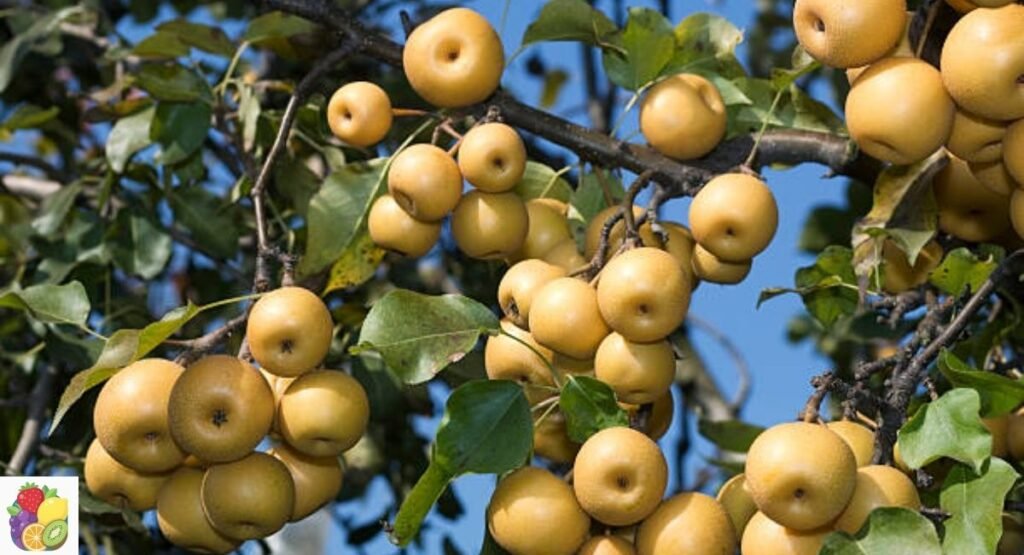
Japanese pear is better known in the United States as an Asian pear. Unlike soft European pears, it remains crisp and juicy when ripe. Its rounded shape and refreshing sweetness make it excellent for snacking. You can also slice it into salads, desserts, slaws, and chilled fruit dishes.
15. Japanese Persimmon
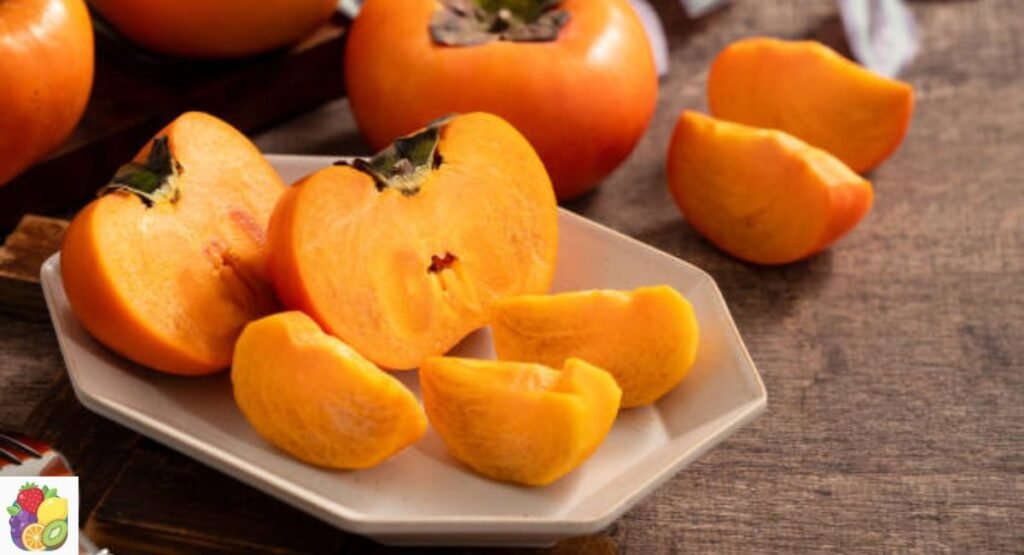
Japanese persimmon is the fruit of Diospyros kaki, a species widely cultivated in Asia and beyond. Depending on the variety, ripe fruit may be firm or extremely soft. Some types have noticeable astringency before ripening. Its orange flesh works beautifully in fresh snacks, desserts, drying, and baking.
16. Japanese Quince
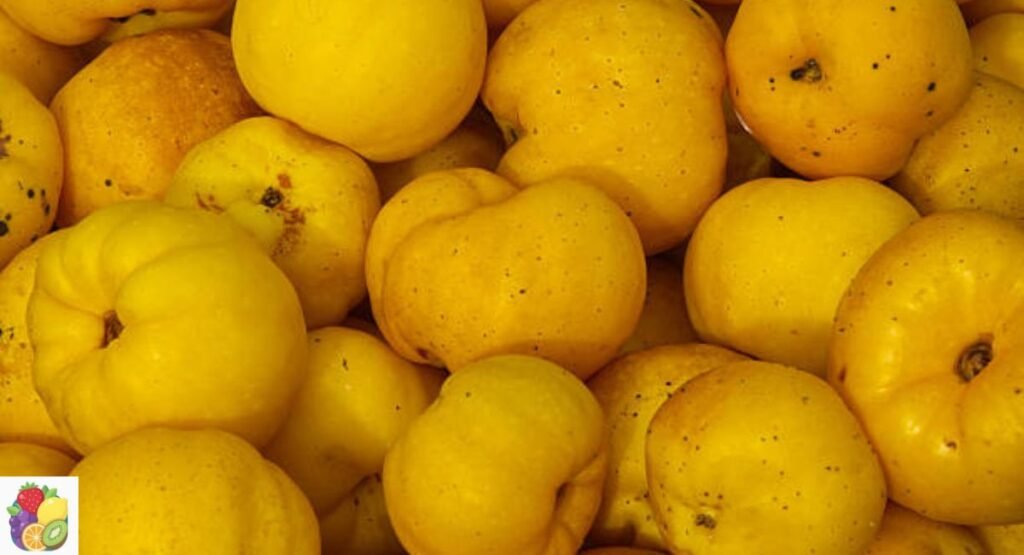
Japanese quince produces aromatic fruits that resemble small, hard quinces. The raw fruit is usually too firm and tart for casual snacking. Instead, cooks use it for jellies and preserves, where its fragrance becomes especially appealing. The plant is also valued as an ornamental shrub in temperate gardens.
17. Jamaican Tangelo
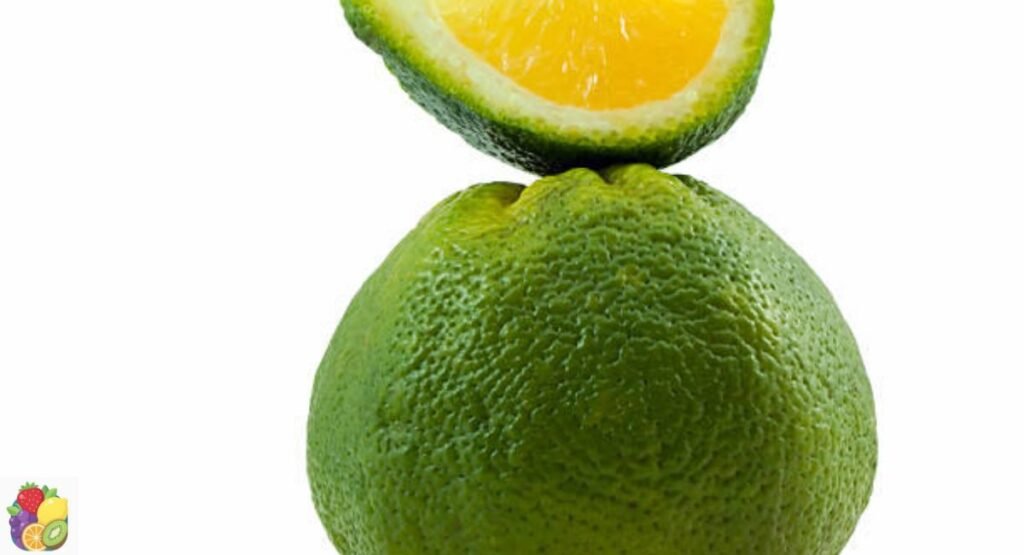
Jamaican tangelo is a citrus fruit associated with Jamaica and hybrid citrus cultivation. Like other tangelos, it combines characteristics from related citrus groups. Its juicy segments can offer a sweet-tart flavor with a fragrant citrus aroma. Because common names can vary, botanical identification helps distinguish it from other Jamaican citrus fruits.
18. Jaffa Orange
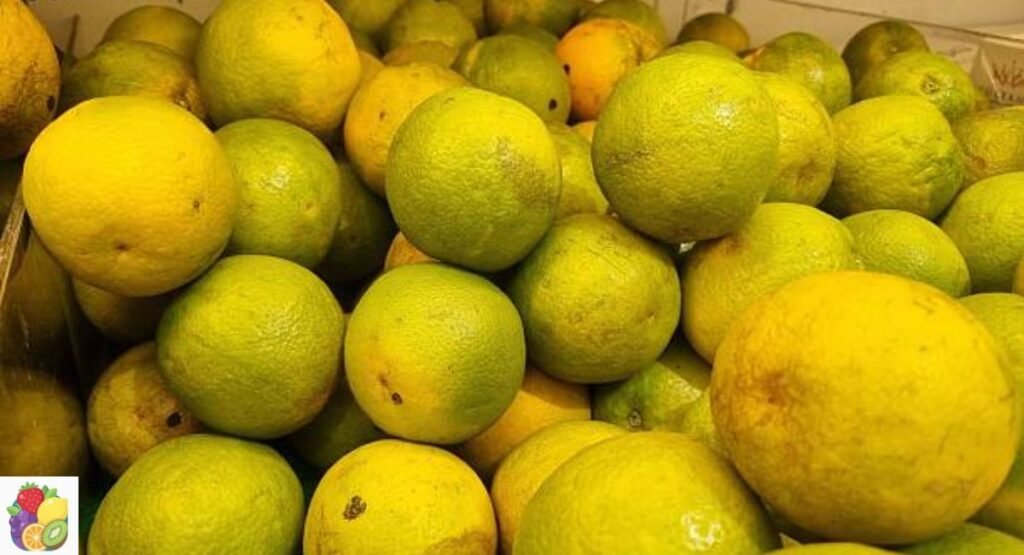
Jaffa orange is a popular sweet orange variety known for its juicy flesh, refreshing flavor, and bright orange color. It is commonly eaten fresh or enjoyed as fresh juice. The fruit is also valued for its pleasant aroma and high vitamin C content. Jaffa oranges are especially well known for their sweet taste and are widely enjoyed as a healthy and refreshing fruit.
19. Junglesop
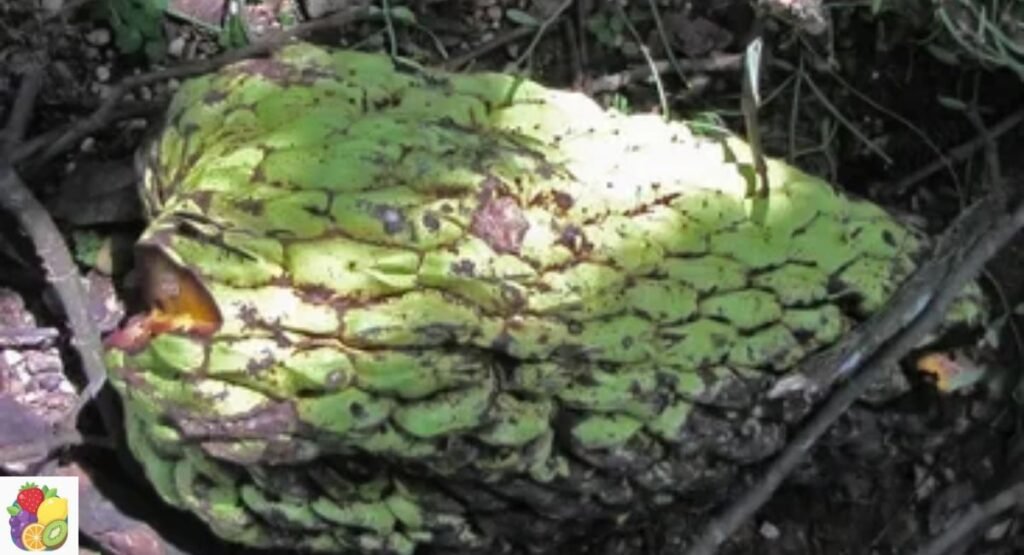
Junglesop is a tropical fruit native to parts of West and Central Africa. It grows on trees in humid rainforest environments and is known for its large size and distinctive appearance. The fruit has a rough, greenish-brown skin and soft, aromatic flesh when ripe. Junglesop is valued for its unique flavor and is eaten fresh in regions where it grows.
20. Japanese Plum
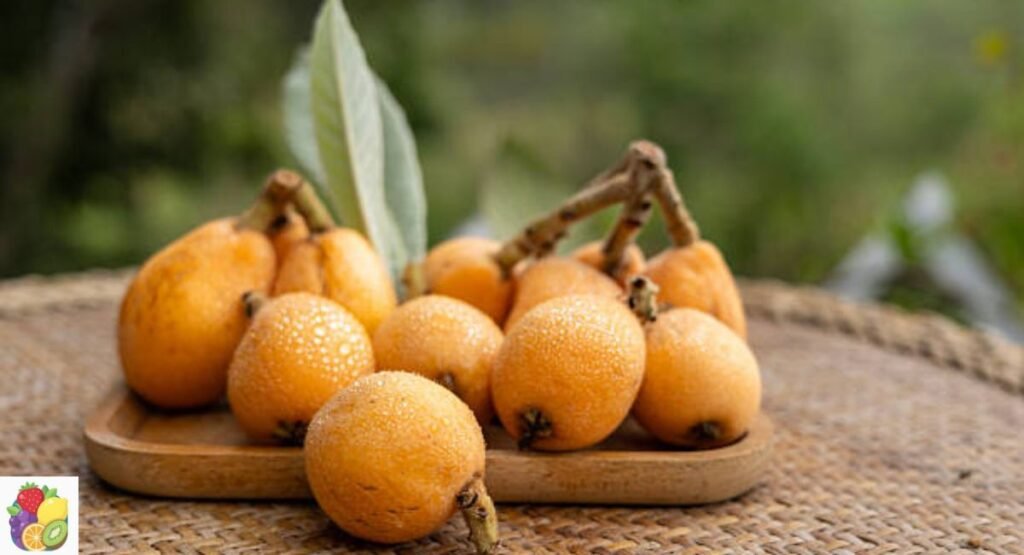
Japanese plum can refer to more than one fruit in common-name references. Some sources use it for Japanese apricot or loquat-related plants, while others apply it to Prunus salicina. This naming overlap makes verification important. A reliable article should identify the botanical species rather than assume every common name represents one fruit.
J Fruits at a Glance
The table below gives you a quick visual comparison of several recognizable choices. Flavor and texture can change with cultivar, ripeness, and growing conditions, so these descriptions work best as general guides rather than strict rules.
| Fruit | Flavor | Texture | Color | Fruit Type |
| Jackfruit | Sweet | Fibrous | Green/yellow | Tropical fruit |
| Jujube | Sweet | Crisp/chewy | Green/red-brown | Drupe |
| Jaboticaba | Sweet-tart | Juicy | Purple-black | Berry-like fruit |
| Jostaberry | Sweet-tart | Juicy | Dark purple | Hybrid berry |
| Juneberry | Sweet | Soft | Purple-red | Berry-like fruit |
| Java apple | Mildly sweet | Crisp/watery | Green/red | Tropical fruit |
| Jocote | Sweet-tart | Juicy | Yellow/red | Drupe |
| June plum | Tart-sweet | Crisp/juicy | Green/yellow | Drupe |
| Jambolan | Sweet-astringent | Juicy | Purple-black | Drupe |
| Jelly palm fruit | Sweet-tart | Soft/fibrous | Orange-yellow | Palm fruit |
| Jatoba | Sweet | Powdery | Brown | Pod fruit |
| Jamaican cherry | Sweet | Soft/juicy | Red | Berry-like fruit |
| Japanese pear | Sweet | Crisp/juicy | Tan/yellow-green | Pome |
| Japanese persimmon | Sweet | Firm/soft | Orange | Berry-like botanical fruit |
| Japanese quince | Tart | Firm | Yellow | Pome-like fruit |
Which J Fruits Are Common and Easy to Recognize?
Some J fruits have become relatively familiar to American shoppers. Jackfruit appears in many specialty markets, while Asian pears and persimmons are increasingly common in U.S. produce sections. Familiar J fruits offer an easy starting point for anyone exploring new produce.
Other names may sound completely unfamiliar. Jaboticaba, jatoba, jelly palm fruit, and jocote are examples of lesser-known J fruits that can introduce you to very different climates and food traditions. Their limited availability often reflects growing conditions rather than poor culinary value.
Tropical Fruits That Start With J
Warm climates produce many fascinating J fruits. Jackfruit, jaboticaba, Java apple, jocote, Jamaican cherry, and jelly palm fruit are linked with tropical or subtropical regions. These plants often prefer warmth, although their exact needs vary greatly by species and local conditions.
For U.S. shoppers, tropical fruit availability depends heavily on imports, specialty growers, and seasonal supply. That’s why a fruit can be famous in its native region yet remain rare in American supermarkets. Freshness also matters because some delicate tropical fruits have a short harvest season.
What Do J Fruits Taste Like?
The flavor range among J fruits is surprisingly broad. Jujube and jackfruit can taste sweet, while jocote and jostaberry offer sharper notes. Japanese pear leans toward clean sweetness with plenty of juice. These differences make J fruit flavors useful for both food exploration and culinary experimentation.
Some fruits also have unusual sensory qualities. Jamun combines sweetness with astringency, while jaboticaba offers juicy pulp beneath dark skin. Japanese quince is highly aromatic yet too firm and tart for most raw eating. In other words, the letter J hides a whole spectrum of sweet, sour, tart, and tangy flavors.
J Fruits by Texture
Texture can change how you prepare and enjoy fruit. Japanese pear delivers a firm crunch, while ripe persimmon becomes soft and smooth. Java apple feels crisp and watery. Jackfruit takes a completely different path with its fibrous flesh, which separates into pods around the seeds.
Berry-like fruits create another category. Jostaberry and Juneberry offer tender, juicy bites, while jaboticaba has a thicker outer skin surrounding softer pulp. These differences matter when choosing fruit for salads, smoothies, baking, or fresh snacks. Texture can be just as important as flavor.
How Can You Use Fruits That Start With J?
Fresh eating is often the simplest choice. Japanese pears need little preparation, while ripe jujubes can make a satisfying snack. Tropical fruits such as Java apple and Jamaican cherry can add moisture and sweetness to chilled dishes. With the right ripeness, many J fruits need nothing more than a quick rinse.
Cooking opens another door. Jackfruit can work in savory dishes when young, while ripe jackfruit suits desserts and smoothies. Tart fruits can become jams, jellies, preserves, sauces, and syrups. Jaboticaba, for example, is also used for jams, juices, jellies, and wine in Brazil.
| Use | Suitable J Fruits |
| Fresh snacks | Jujube, Japanese pear, Java apple |
| Smoothies | Jackfruit, Jamaican cherry, Japanese persimmon |
| Jams and jellies | Jaboticaba, jelly palm fruit, Japanese quince |
| Baking | Juneberry, jostaberry, Japanese persimmon |
| Savory cooking | Young jackfruit, jocote, June plum |
J Fruits With Seeds, Pits, or Edible Skin
J fruits vary greatly in internal structure. Jocote has a central pit, while jackfruit contains many seeds inside its fleshy pods. Jujube also has a prominent stone. These features can affect preparation, especially when you’re trying a fruit for the first time. Knowing the structure makes fruit preparation much easier.
Skin varies just as much. Japanese pear can be eaten with its skin after washing, while thick jackfruit rind is removed. Jaboticaba has dark skin surrounding pale pulp. Before eating an unfamiliar fruit, check reliable preparation guidance because not every fruit or plant part is intended to be eaten raw.
Nutritional Highlights of J Fruits
Many J fruits can contribute useful nutrients to a varied diet. Their nutritional profiles differ widely, though. Jackfruit provides carbohydrates and potassium, while fruits such as Japanese pear contribute substantial water. Nutritional values also change with serving size, ripeness, and preparation.
Fiber is another useful consideration. Whole fruits can contribute dietary fiber, while colorful varieties often contain different plant compounds. Vitamin C, potassium, and other micronutrients occur in varying amounts. Rather than treating one fruit as a miracle food, it’s smarter to enjoy several kinds as part of an overall balanced eating pattern.
How to Choose a Ripe J Fruit
Choosing ripe fruit becomes easier when you know what to look for. Depending on the species, check skin color, firmness, aroma, weight, and surface condition. A Japanese pear should feel firm and heavy for its size, while a ripe persimmon may become noticeably softer. Each fruit has its own ripeness clues.
Avoid produce with obvious mold, leaking areas, deep bruises, or an unpleasant fermented smell. However, don’t assume every firm fruit is unripe. Some varieties are naturally crisp when ready to eat. For unfamiliar tropical produce, ask the seller about ripeness because local varieties can behave differently from familiar supermarket fruit.
Fruits That Start With J in Spanish
Spanish names can vary by country, which makes regional language especially interesting. For example, jackfruit is commonly called jaca, while jujube can appear as azufaifa or jinjol. Jocote is also widely used as a Spanish fruit name. These differences make Spanish fruit vocabulary a useful supporting topic for J searches.
| English Fruit | Spanish Name |
| Jackfruit | Jaca |
| Jujube | Azufaifa / Jinjol |
| Japanese Pear | Pera japonesa |
| Japanese Plum | Ciruela japonesa |
| Jocote | Jocote |
If you search for fruits that start with J in Spanish, remember that regional vocabulary can change. A name used in Mexico may not be the most common term in Spain or another Spanish-speaking country. For accurate identification, the scientific name remains the safest reference.
Is There a Fruit or Vegetable That Starts With J?
Yes, several fruits begin with J, although everyday food language can make classification confusing. Jackfruit, jujube, jocote, and Japanese pear are clear examples. Some foods called vegetables botanically qualify as fruits because they develop from a flower’s ovary and contain seeds.
That difference explains why culinary and botanical classifications sometimes disagree. A food can behave like a vegetable in the kitchen while botanists classify it as a fruit. For a fruit or vegetable starting with J, context matters more than the label alone.
Interesting Facts About J Fruits
J fruits have some remarkable stories behind them. Jaboticaba produces fruit directly on its trunk, a growth habit called cauliflory. Jambolan has many regional names, including Java plum and jamun. Jatoba develops its edible material inside a hard pod. Meanwhile, jostaberry is a deliberate hybrid rather than a naturally occurring wild species.
Naming can be just as fascinating as biology. Jambolan, jamun, jambul, and Java plum commonly refer to the same Syzygium cumini fruit rather than four separate fruits. Likewise, Japanese plum can represent different plants in common-name references. That’s why scientific names are valuable when building an accurate fruit list.
Conclusion
The world of fruits that start with J is far more varied than it first appears. Jackfruit and jujube may be familiar, yet jaboticaba, jatoba, jocote, and jelly palm fruit offer something completely different. Their flavors range from sweet and juicy to tart and pleasantly astringent.
For U.S. readers, these fruits also provide a window into global food traditions. Some are easy to find, while others require specialty markets or adventurous travel. Either way, learning their names, textures, origins, and uses makes fruit discovery much more fun. And who knows? Your next favorite fruit might just start with J.
FAQs
What fruit starts with J?
Jackfruit is one of the best-known examples. Other choices include jujube, jaboticaba, jostaberry, Juneberry, jocote, and Japanese pear.
What are 5 fruits that start with J?
Five examples are jackfruit, jujube, jaboticaba, jostaberry, and Juneberry. Each offers a different flavor, texture, and growing background.
What is an exotic fruit that starts with J?
Jaboticaba is an excellent example. Its dark fruits grow directly from the trunk, creating one of the most unusual fruiting displays.
What tropical fruit starts with J?
Jackfruit is a famous tropical example. Java apple, jocote, Jamaican cherry, and jelly palm fruit also have tropical or subtropical associations.
What berry starts with J?
Jostaberry and Juneberry are common answers. Their everyday names describe berry-like fruits, although botanical classifications can be more specific.

Welcome to Fruitloria.com! I’m Anam Sattar, an AI-powered SEO Specialist and Content Writer with over 4 years of experience in creating high-quality, search-optimized content. I help businesses improve their search engine rankings, increase organic traffic, and build beautiful, user-friendly websites. My mission is to make SEO, content creation, and web design simple, effective, and accessible for everyone. Let’s grow your online presence and achieve success together!
1 thought on “20 Fruits That Start With J: Common, Exotic, Tropical & Unique Fruits”