


Finding Fruits That Start With K can be surprisingly interesting because many K fruit names are less familiar in everyday American markets. This letter includes everything from common K fruits such as kiwi and kumquat to unusual tropical varieties with distinctive flavors and appearances. Some are juicy and sweet, while others offer a sharp, tangy taste that works well in sauces, drinks, and desserts. You’ll also discover tropical fruits, citrus fruits, and colorful orange fruits that begin with K.
Whether you’re solving a word puzzle, expanding your fruit knowledge, or simply exploring new foods, this guide brings together 20+ K fruits with their origins, flavors, textures, colors, and popular culinary uses.
20 Fruits That Start With K
The list below brings together recognizable fruits and lesser-known regional varieties. Some are species while others are named cultivars. That distinction matters because a cultivar isn’t always a separate botanical species. Still, these names are useful when exploring K fruit names and food vocabulary.
For U.S. readers, availability varies widely. Kiwi and Key lime are familiar, while fruits such as Kepel and Korlan usually require specialty markets or tropical growers.
1. Kabosu
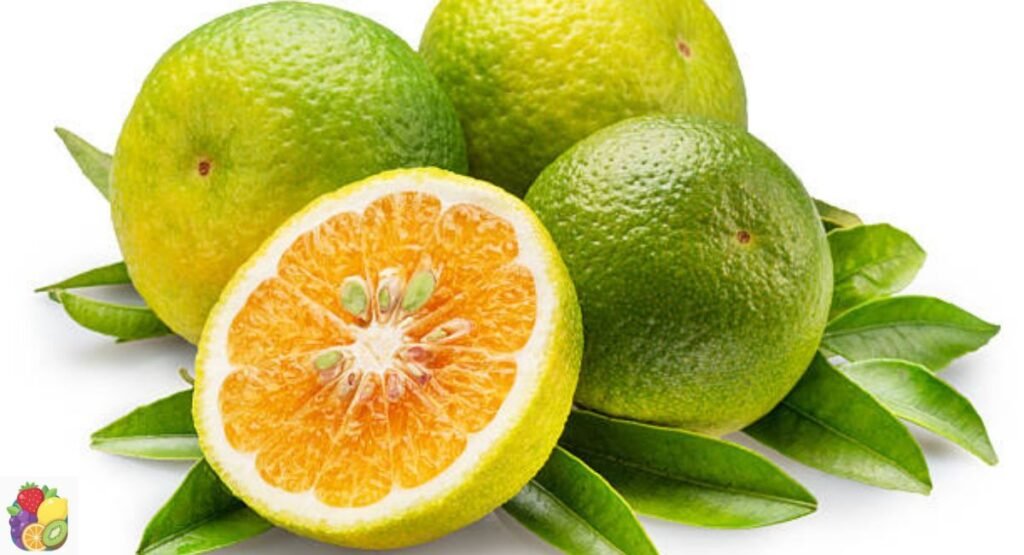
Kabosu is a small Japanese citrus with green skin and juicy flesh. Its sharp, aromatic juice has a tart flavor with a fragrant citrus note. Japanese cooks use it with fish, noodles, sauces, dressings, and drinks. It works much like lemon or lime when you want brighter acidity.
2. Kakadu Plum
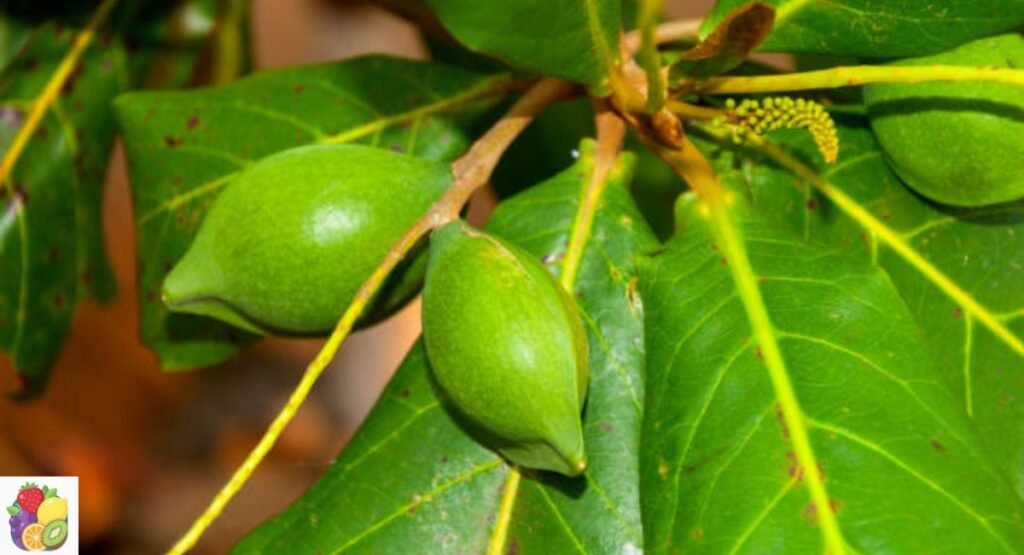
Kakadu plum comes from northern Australia and grows on native trees adapted to harsh conditions. The small green fruit has a strongly tart taste. Its pulp and extracts appear in sauces, preserves, powders, and specialty food products. It has also attracted attention for its vitamin C content.
3. Kaki Persimmon
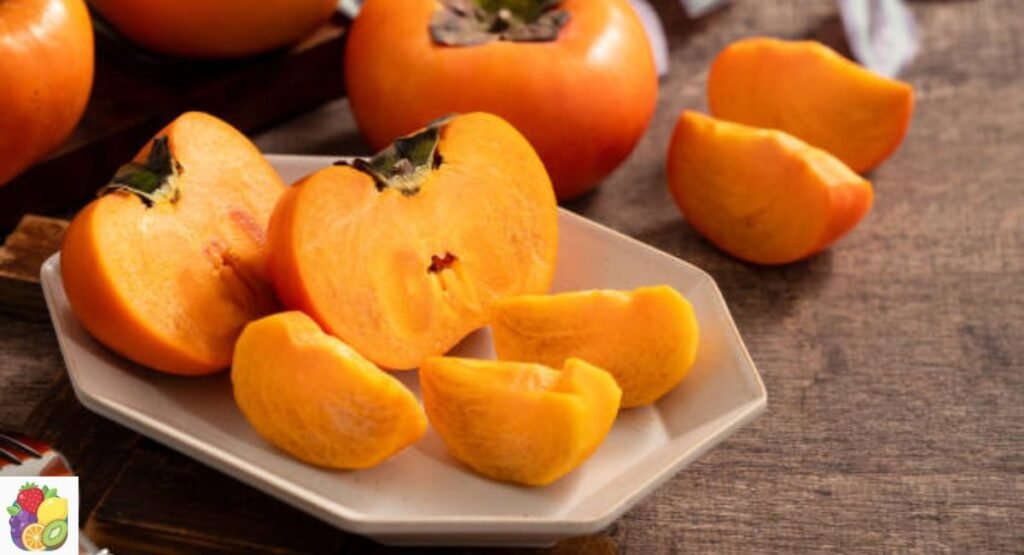
Kaki means persimmon in Japanese and commonly refers to the Japanese persimmon, Diospyros kaki. The fruit develops smooth orange skin and sweet flesh. Depending on the variety, you can eat it while firm or wait until it becomes soft. Its flavor often has a honey-like sweetness.
4. Kaffir Lime
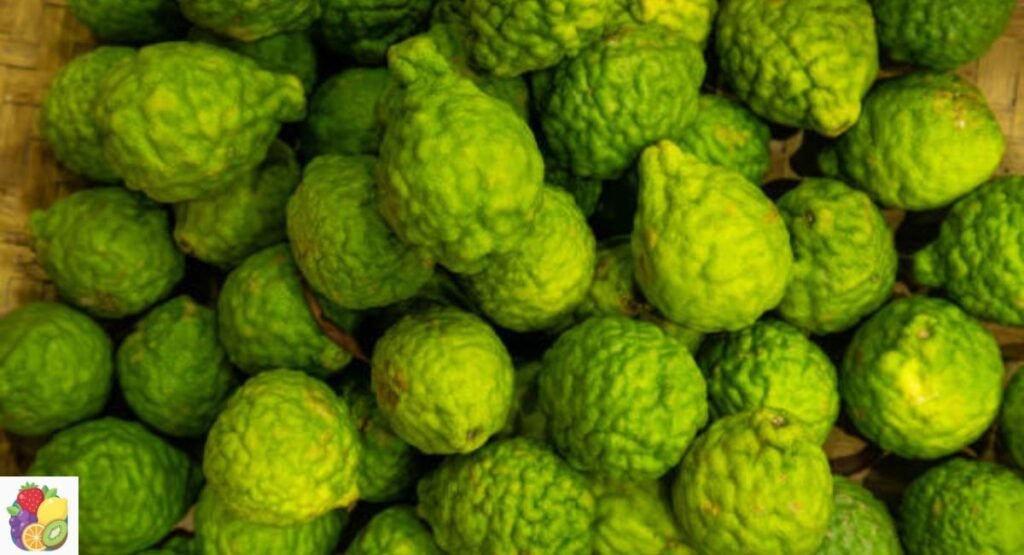
Kaffir lime, now often called Makrut lime, is a distinctive citrus used heavily in Southeast Asian cooking. Its bumpy green fruit has intensely aromatic zest and leaves. The juice can be sharply acidic. Cooks use the fruit, peel, and leaves in curries, soups, sauces, marinades, and beverages.
5. Kei Apple
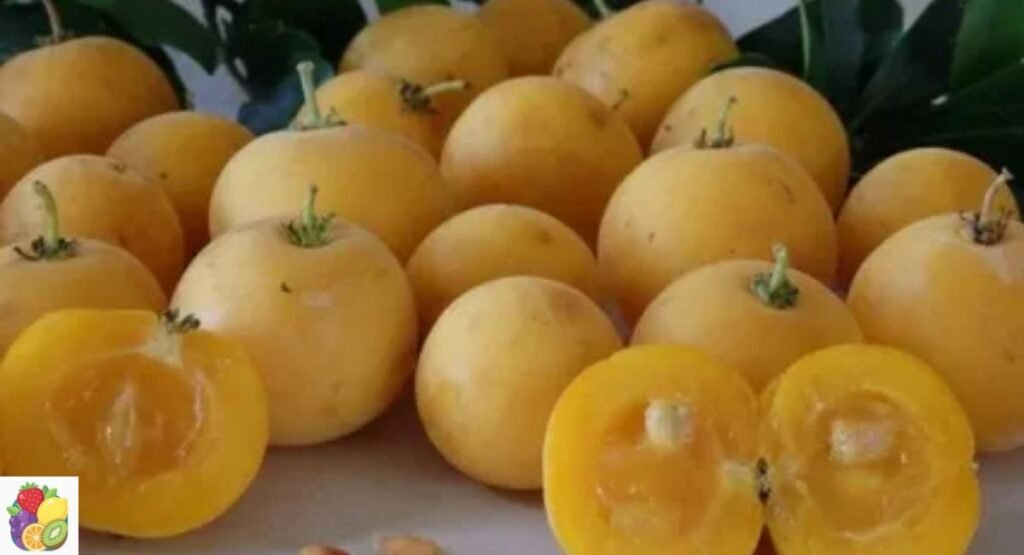
Kei apple grows in warm regions of southern Africa and produces small yellow to yellow-orange fruits. Its firm flesh has a pronounced sweet-tart flavor, often with considerable acidity. Because of that sharp character, people commonly turn it into jams, jellies, sauces, and other preserves instead of eating large amounts fresh.
6. Keitt Mango
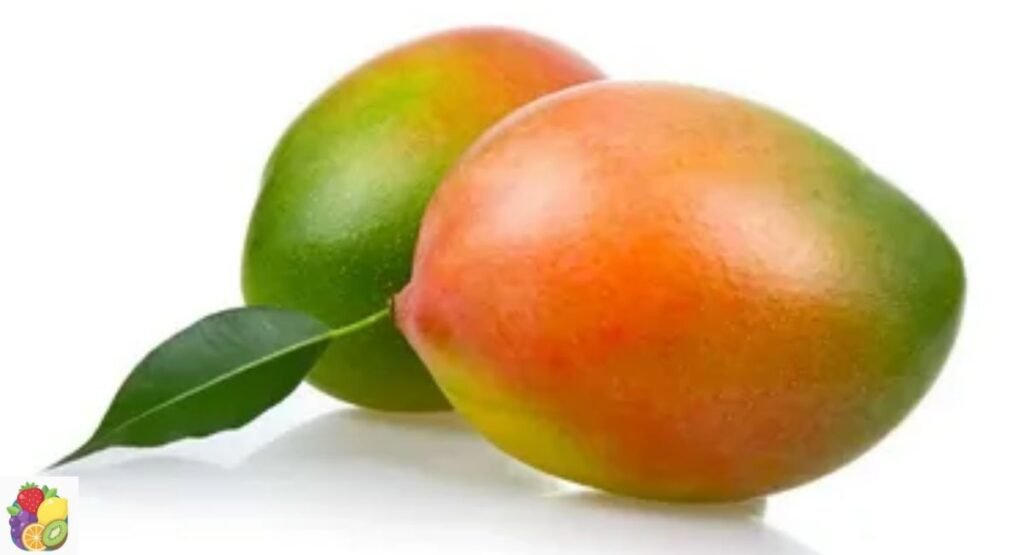
Keitt is a well-known mango cultivar with an unusual ripening habit. Its skin can remain green even when the flesh becomes ripe and sweet. The fruit has juicy yellow-orange flesh with relatively little fiber. It works beautifully in smoothies, desserts, salads, salsas, and fresh slices.
7. Kelsey Plum
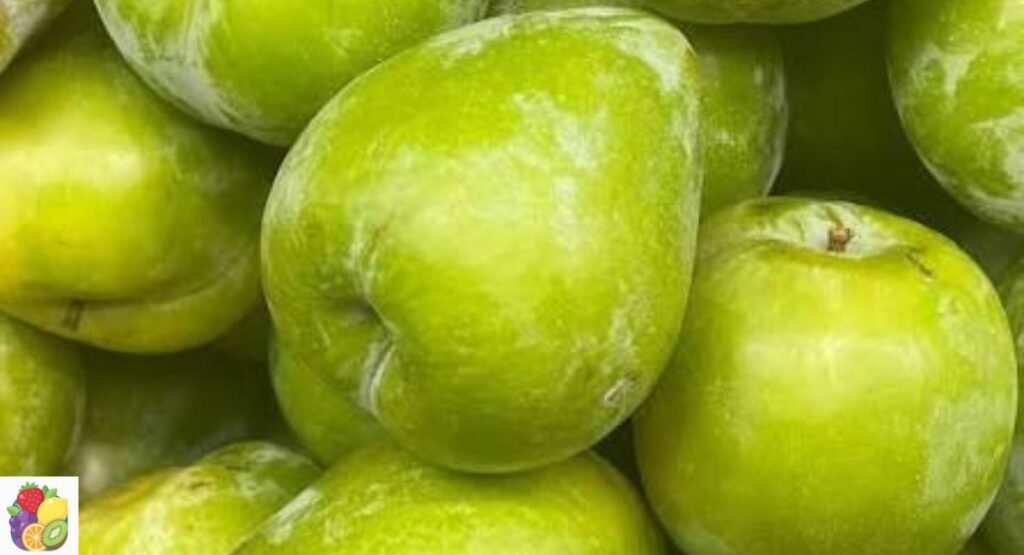
Kelsey plum is a Japanese-type plum associated with the Japanese plum group. It has a distinctive greenish skin that can develop yellow or reddish tones as it ripens. The flesh tastes sweet with gentle acidity. Unlike ordinary supermarket plums, its unusual shape and color make it especially memorable.
8. Kent Mango
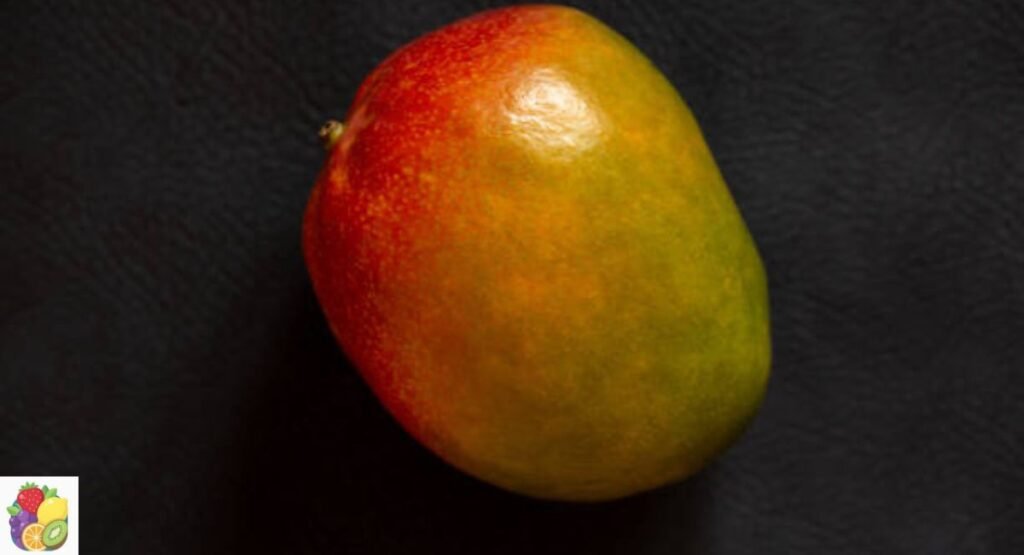
Kent mango is another popular mango cultivar, particularly valued for its juicy flesh and pleasant sweetness. The skin changes from green toward yellow as the fruit matures, sometimes developing a reddish blush. Its tender flesh works well in desserts, drinks, smoothies, salads, and fresh fruit dishes.
9. Key Lime
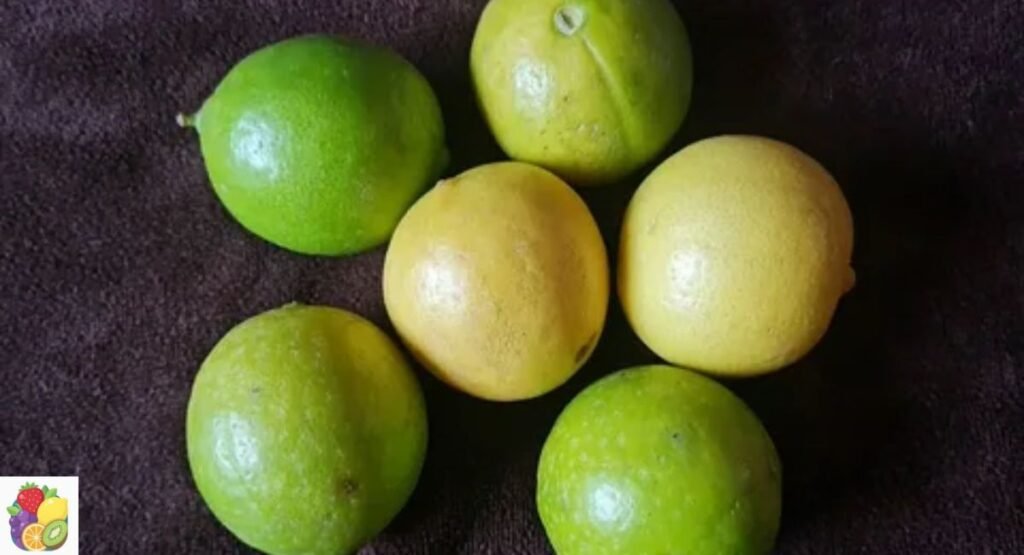
Key lime is a small citrus fruit with thin skin and highly aromatic juice. It usually delivers more acidity and fragrance than a typical sweet orange. Its best-known American use is Key lime pie, although cooks also add it to beverages, sauces, marinades, dressings, and seafood dishes.
10. Kiwano
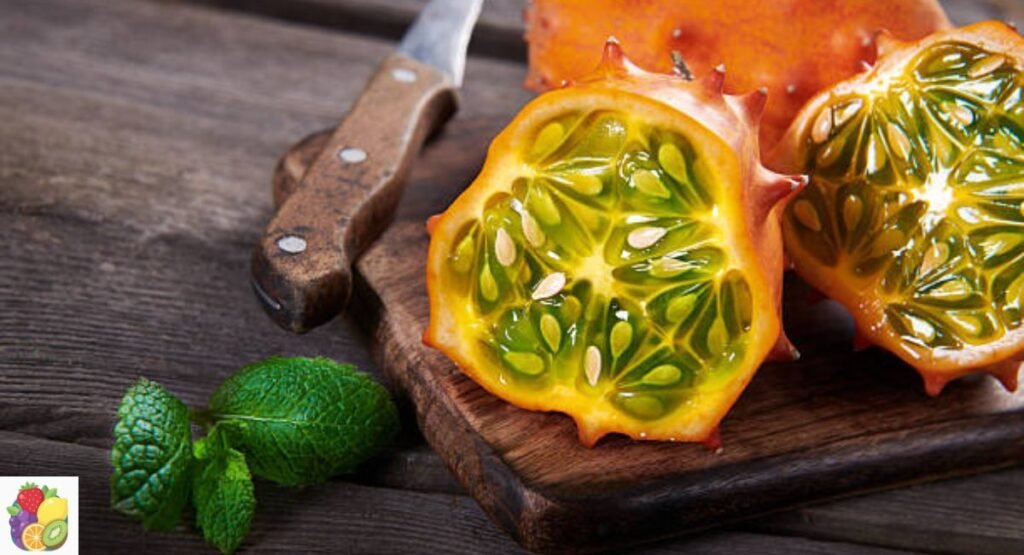
Kiwano is also called horned melon because its yellow-orange rind develops small spikes. Cut it open and you’ll find bright green, jelly-like flesh surrounding many soft seeds. Its flavor is mild and refreshing, with notes often compared to cucumber, melon, and citrus. It makes an eye-catching garnish or drink ingredient.
11. Kiwi
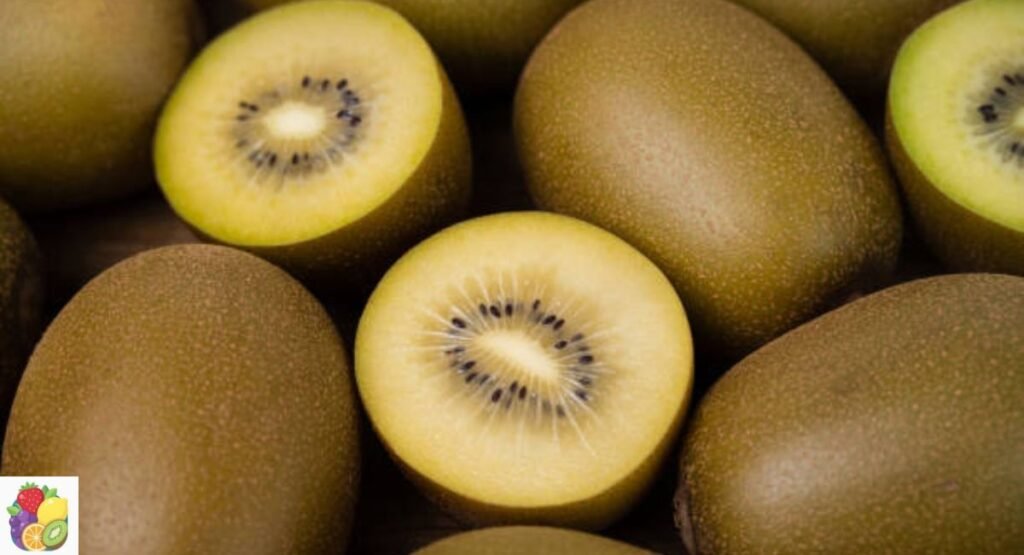
Kiwi remains one of the most familiar fruits starting with K. Green kiwi has brown fuzzy skin and bright green flesh dotted with tiny edible seeds. Golden kiwi offers smoother skin and a sweeter taste. Both varieties provide vitamin C and fiber and work well in breakfast bowls, salads, smoothies, and desserts.
12. Kitembilla
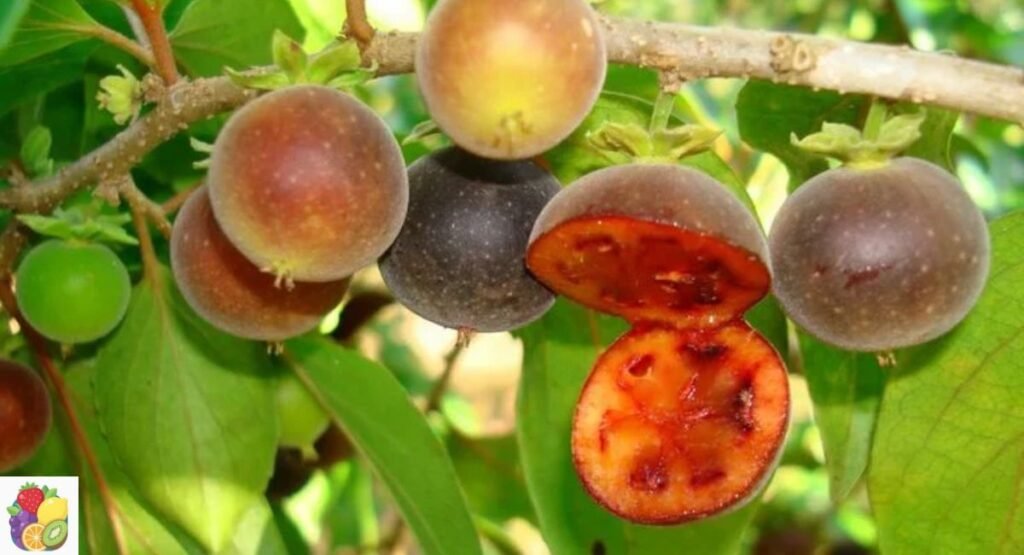
Kitembilla is a lesser-known tropical fruit associated with Sri Lanka and South Asian growing regions. Its small fruit develops dark reddish or purplish tones when mature. The flesh has a distinctly tart character. Traditional preparations can include jams, jellies, and other sweetened products that balance its natural acidity.
13. Korlan
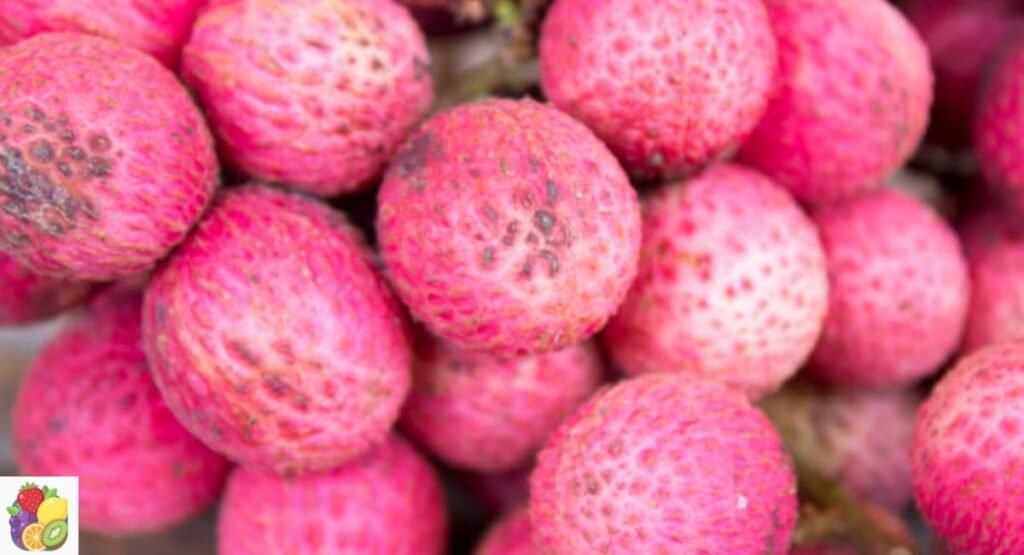
Korlan is a Southeast Asian fruit related to rambutan and lychee. Its rounded fruit develops a reddish or dark-colored skin and contains translucent, juicy flesh. The taste combines sweetness with noticeable acidity. People generally eat the flesh fresh after removing the skin and seed.
14. Kumquat
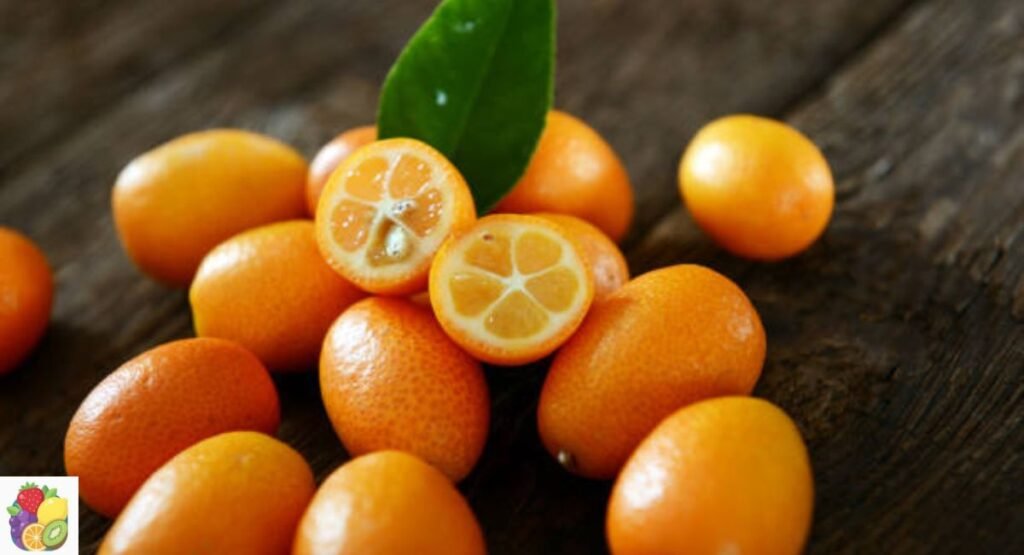
Kumquat is one of the most distinctive small citrus fruits. Unlike many citrus varieties, people commonly eat the entire fruit, including its thin edible peel. The skin tastes sweet while the center tastes tart and juicy. Kumquats are excellent fresh and also work in marmalades, preserves, desserts, and sauces.
15. Karonda
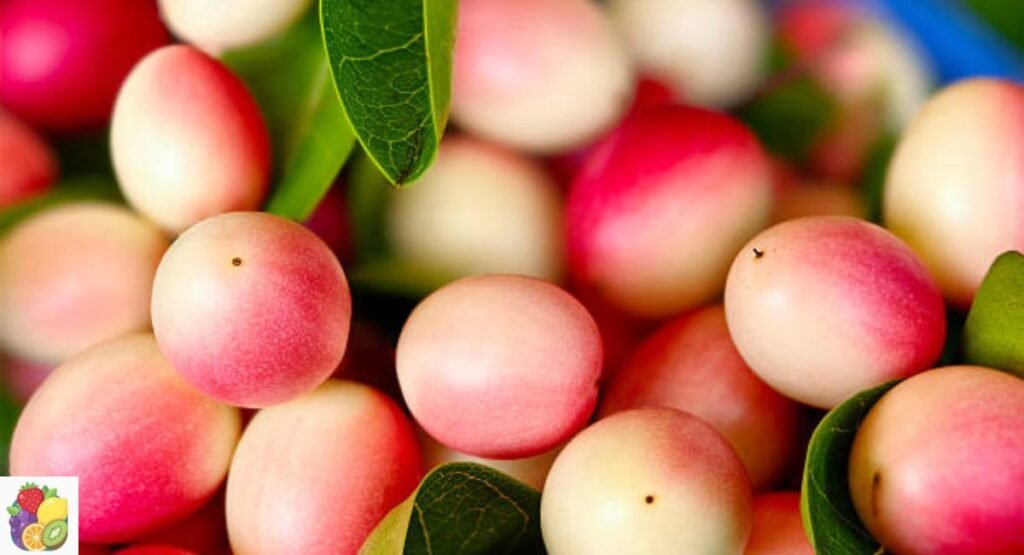
Karonda is a small tropical fruit that changes color as it matures. Young fruits can appear green before developing pink, red, or darker shades. Its flavor ranges from sharply sour to mildly sweet. Because of that acidity, cooks often use it in pickles, chutneys, preserves, sauces, and regional dishes.
16. Kepel
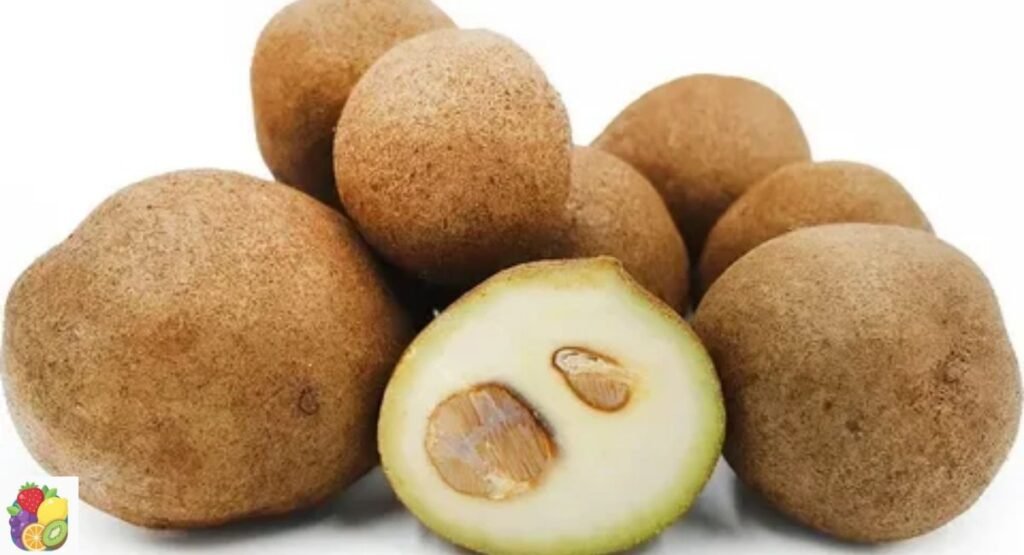
Kepel is an unusual tropical fruit from Southeast Asia. Its round fruit develops brownish skin with soft flesh inside. What makes it especially intriguing is its strong and distinctive aroma. Historically, the fruit held cultural significance in parts of Indonesia. Today, it remains a rare choice outside its native growing regions.
17. Kwai Muk
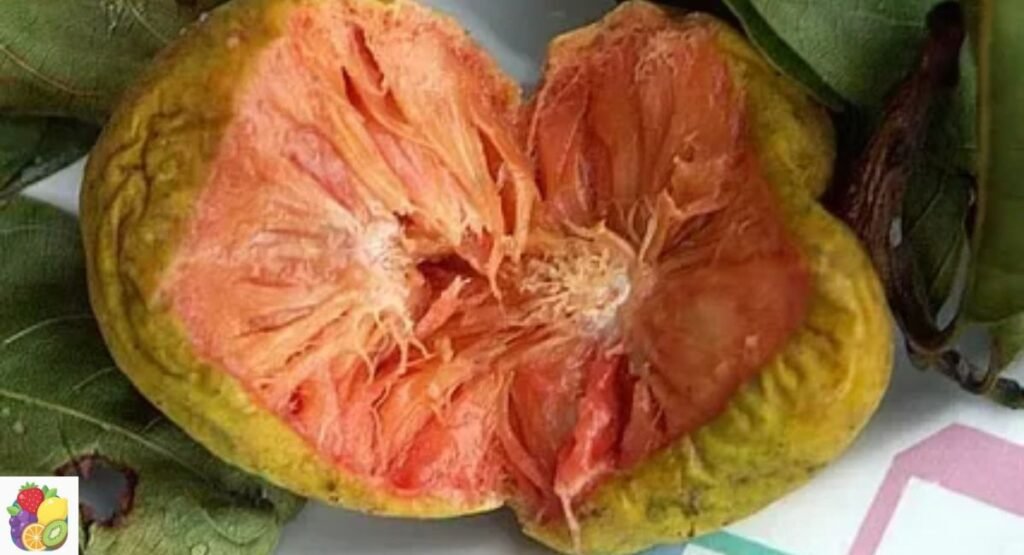
Kwai muk is an Asian fruit related to jackfruit and breadfruit. Its round or slightly oval fruit develops rough orange-brown skin. Inside, the soft pulp can taste sweet with a mild tang. People may eat it fresh or use it in jams, desserts, and other preparations.
18. Kundangan
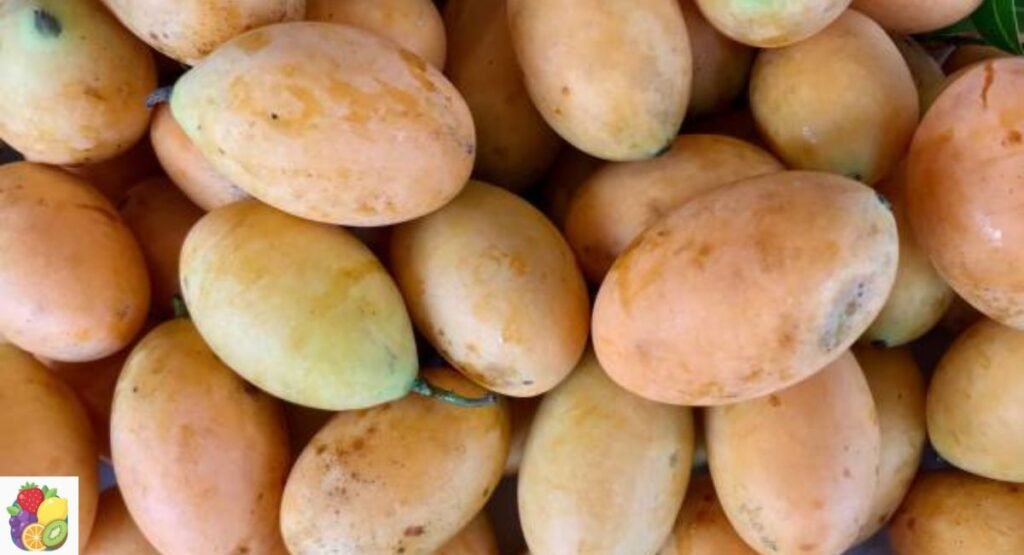
Kundangan, also known as kundang or related regional names, refers to a tropical fruit in the mango family. Its small fruits can develop yellow-orange tones as they mature. The juicy flesh has a sweet-tart character. Regional cuisines use the fruit fresh and in sauces, preserves, and other preparations.
19. Kacangma Fruit
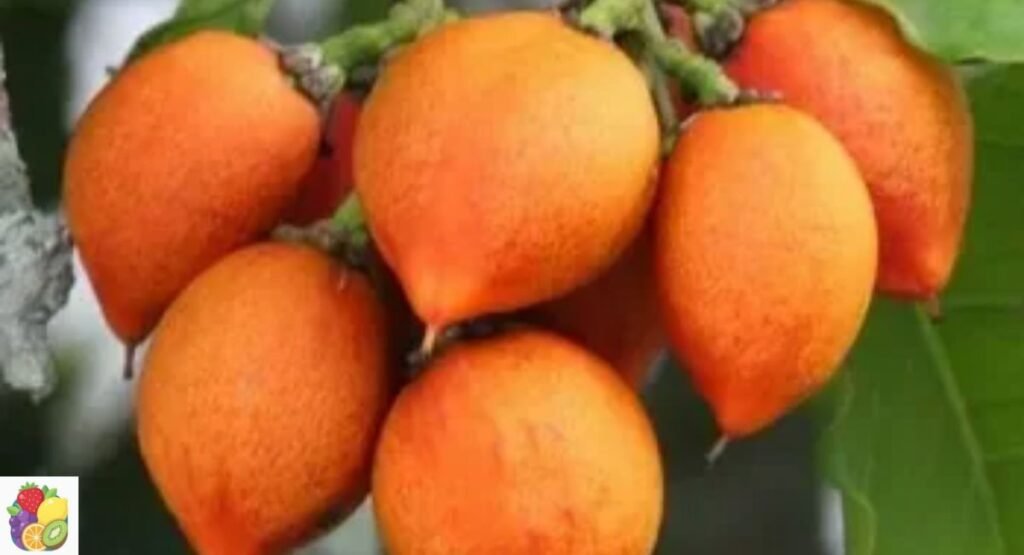
Kacangma is sometimes included in online lists of K fruits, but reliable botanical references do not clearly establish it as a distinct, widely recognized edible fruit. Because accurate food information matters, it should not be presented as a confirmed fruit without a verified species or regional identification. This is a useful distinction for alphabetic fruit lists.
20. Kaimana Lychee
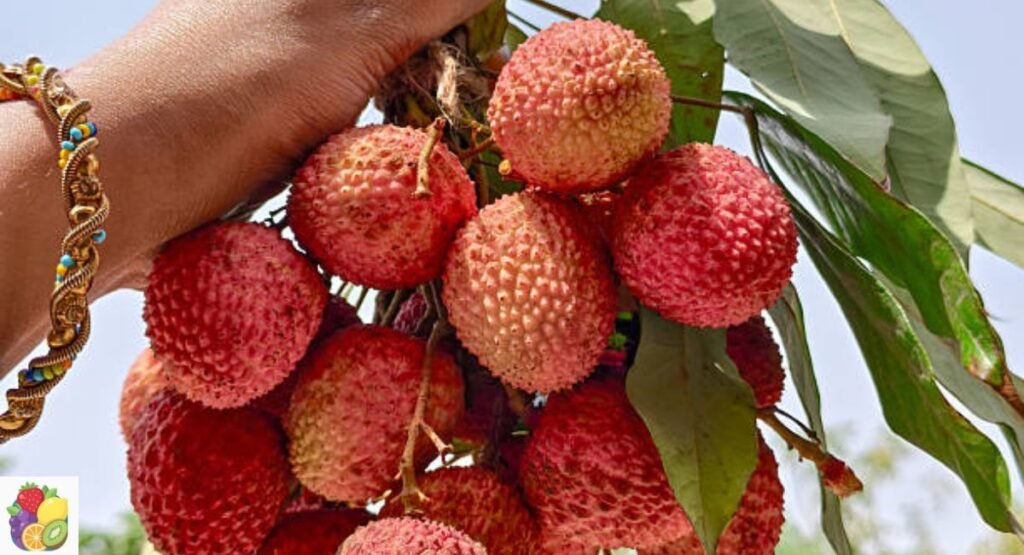
Kaimana is a recognized lychee cultivar rather than a separate lychee species. It originated from a seedling selection of the Hak Ip cultivar and became important in Hawaii. The fruit is large, often heart-shaped, and deep red with sweet, crisp pulp. It is enjoyed fresh when in season.
Orange Fruits That Start With K
Several orange fruits that start with K stand out because of their bright skin or flesh. Kiwano has an orange-yellow spiny rind, while kumquat offers vivid orange skin. Kaki persimmon develops rich orange flesh. Kei apple can also become yellow-orange when ripe.
These fruits don’t all taste alike. Kumquat balances a sweet peel with tart pulp. Kaki is much sweeter. Kiwano is mild and refreshing. Kei apple is noticeably acidic. That contrast makes orange K fruits a fun group to compare.
| Fruit | Orange Appearance | Flavor | Common Use |
| Kiwano | Orange-yellow spiny rind | Mild, refreshing, slightly tart | Salads, drinks, garnishes |
| Kumquat | Bright orange skin | Sweet peel with tart center | Fresh eating, preserves, desserts |
| Kaki Persimmon | Orange skin and flesh | Sweet, honey-like | Fresh eating, desserts |
| Kei Apple | Yellow-orange when ripe | Sharp, sweet-tart | Jams, jellies, sauces |
Citrus Fruits That Start With K
The citrus fruits that start with K include several fruits with very different personalities. Kabosu and Key lime are strongly acidic. Makrut lime is prized more for its intense aroma and culinary leaves. Kumquat stands apart because its peel is commonly eaten with the flesh.
| Citrus Fruit | Flavor | Common Uses |
| Kabosu | Tart and aromatic | Sauces, drinks, seasoning |
| Kaffir Lime | Strong and citrusy | Asian cooking |
| Key Lime | Tart and fragrant | Pies, beverages |
| Kumquat | Sweet-tart | Fresh eating, preserves |
Tropical Fruits That Start With K
Many tropical fruits that start with K come from warm, humid regions across Asia, Australia, and other tropical zones. Their diversity is remarkable. Some have juicy flesh, while others are prized mainly for preserves or traditional food uses.
Kakadu plum, Kei apple, Kitembilla, Korlan, Karonda, Kepel, Kwai Muk, and Kundangan all bring different flavors to the table. Some are sharply acidic. Others taste sweet and mild. Their limited U.S. availability often makes them unfamiliar to American shoppers.
Exotic Fruits That Start With K
For U.S. shoppers, an exotic fruit usually means something rarely stocked by ordinary supermarkets. That doesn’t necessarily mean the fruit is botanically unusual. Often, geography and supply chains determine whether you see it at a local store.
Kakadu plum, Kiwano, Kitembilla, Korlan, Kepel, Kwai Muk, and Kundangan fit this idea well. Specialty markets, tropical farms, international grocers, and online sellers may offer some of them.
Common Fruits That Start With K
Some K fruits are far easier to recognize. Kiwi is the clear everyday favorite in the United States. Kumquats and Key limes are also familiar, although availability can vary by season and store. Kaki persimmons and mango cultivars appear more often during suitable growing seasons.
Kent and Keitt mangoes are commercially important cultivars, although shoppers may simply see them labeled as mangoes. This is an important point when counting common K fruits. A fruit variety can have a K name without being a completely separate fruit species.
Fruits or Vegetables That Start With K
The search for a fruit or vegetable that starts with K can produce a mixed list. Kiwi, kumquat, and Key lime are fruits. Kale and kohlrabi are vegetables. Their culinary categories differ even though all five names begin with the same letter.
| Food | Category | Typical Use |
| Kiwi | Fruit | Fresh eating, smoothies |
| Kumquat | Fruit | Snacks, preserves |
| Key lime | Fruit | Pies, drinks |
| Kale | Vegetable | Salads, cooking |
| Kohlrabi | Vegetable | Raw dishes, roasting |
How Many Fruits Start With the Letter K?
There is no universally fixed number of fruits that begin with K. Lists differ because some writers include cultivars, regional names, synonyms, and closely related species. Others count only recognized fruit species. That difference can change the final total considerably.
For example, Kaimana is a lychee cultivar rather than a separate species. Kundangan also has regional naming variations. Meanwhile, questionable entries such as “Kupa” can refer to different plants. A careful list should explain these distinctions instead of inflating the number.
| English Fruit | Spanish | French |
|---|---|---|
| Kabosu | Kabosu | Kabosu |
| Kakadu Plum | Ciruela de Kakadu | Prune de Kakadu |
| Kaki Persimmon | Caqui | Kaki |
| Kaffir Lime / Makrut Lime | Lima kaffir / lima makrut | Combava |
| Kei Apple | Manzana Kei | Pomme Kei |
| Keitt Mango | Mango Keitt | Mangue Keitt |
| Kelsey Plum | Ciruela Kelsey | Prune Kelsey |
| Kent Mango | Mango Kent | Mangue Kent |
| Key Lime | Lima mexicana / lima ácida | Citron vert mexicain |
| Kiwano | Kiwano / melón africano | Kiwano / melon à cornes |
| Kiwi | Kiwi | Kiwi |
| Kitembilla | Kitembilla | Kitembilla |
| Korlan | Korlan | Korlan |
| Kumquat | Kumquat | Kumquat |
| Karonda | Karanda | Karonda |
| Kepel | Kepel | Kepel |
| Kwai Muk | Kwai Muk | Kwai Muk |
| Kundangan | Kundangan | Kundangan |
| Kyoho Grape | Uva Kyoho | Raisin Kyoho |
| Kaimana Lychee | Lichi Kaimana | Litchi Kaimana |
Conclusion
K fruits are far more varied than kiwi alone might suggest. From sharp Japanese citrus to sweet mango cultivars and rare Southeast Asian fruits, the letter K opens the door to an intriguing mix of flavors, colors, and textures.
Some are easy to find in American stores. Others remain regional specialties. That contrast makes these K fruit names especially interesting. Whether you’re building a food list, exploring new produce, or simply satisfying your curiosity, there are plenty of unusual fruits waiting beyond the familiar kiwi and kumquat.
FAQs
What is a fruit that starts with K?
Kiwi is probably the most familiar fruit beginning with K. Other examples include kumquat, Key lime, Kiwano, kaki persimmon, and Kakadu plum.
What are some exotic fruits that start with K?
Kepel, Kitembilla, Korlan, Kwai Muk, and Kakadu plum are less familiar in the U.S. market. Their limited availability makes them unusual choices for American shoppers.
What orange fruit starts with K?
Kiwano has an orange-yellow rind, while kumquat has bright orange skin. Kaki persimmon also develops orange skin and flesh when ripe.
What citrus fruits start with K?
Kabosu, Makrut lime, Key lime, and kumquat are notable citrus fruits beginning with K. Their acidity, aroma, peel, and culinary uses vary considerably.
What tropical fruits start with K?
Kei apple, Karonda, Korlan, Kepel, Kwai Muk, Kitembilla, and Kundangan are tropical or warm-climate choices. Kakadu plum is another distinctive warm-region fruit.

Welcome to Fruitloria.com! I’m Anam Sattar, an AI-powered SEO Specialist and Content Writer with over 4 years of experience in creating high-quality, search-optimized content. I help businesses improve their search engine rankings, increase organic traffic, and build beautiful, user-friendly websites. My mission is to make SEO, content creation, and web design simple, effective, and accessible for everyone. Let’s grow your online presence and achieve success together!
1 thought on “20 Fruits That Start With K: Common, Exotic, Tropical & Orange Fruits”