


Fruits that start with O include many delicious and unusual varieties beyond the familiar orange. From juicy citrus fruits to crisp apples and tart berries, these fruits offer different flavors, colors, and textures. Popular examples include olives, oroblanco, oval kumquats, and Osteen mangoes. Some are easy to find in American grocery stores, while others are rare fruits grown in specific regions. Learning about these fruit names can help expand your vocabulary and introduce you to new foods.
This guide explores fruits that start with O, their unique characteristics, and their uses. You’ll also discover green fruits, tropical fruits, and Spanish fruit names to make your fruit knowledge more complete.
Quick List of 15 Fruits That Start With O
From everyday grocery-store favorites to rare regional varieties, these fruits show how diverse the letter O can be. The following table provides a quick introduction before we explore each fruit in more detail.
| No. | Fruit Name | Identifying Feature |
| 1 | Orange | Juicy flesh and bright orange skin |
| 2 | Olive | Small fruit with a hard pit |
| 3 | Oroblanco | Mild, sweet citrus with greenish-yellow skin |
| 4 | Orangelo | Citrus hybrid with orange-colored skin |
| 5 | Ortanique | Fragrant citrus with a sweet-tart taste |
| 6 | Oval Kumquat | Small fruit with an edible peel |
| 7 | Orlando Tangelo | Juicy citrus hybrid |
| 8 | Otaheite Gooseberry | Ribbed fruit with sour flesh |
| 9 | Oregon Grape | Blue-purple berries growing in clusters |
| 10 | Ohelo Berry | Tart berry native to Hawaii |
| 11 | Olosapo | Tropical fruit with soft, sweet flesh |
| 12 | Ooray (Davidson’s Plum) | Dark Australian fruit with a tart taste |
| 13 | Ōgonkan | Golden-yellow Japanese citrus |
| 14 | Osteen Mango | Mango variety with reddish-purple skin |
| 15 | Opal Apple | Golden-yellow apple with crisp flesh |
These fruit names beginning with O represent different botanical groups. Some are citrus hybrids, while others are berries, stone fruits, or cultivated varieties. Their flavors range from sugary and refreshing to sharply sour and savory.
15 Fruits That Start With O and Their Names
Each fruit has its own appearance, flavor, and culinary uses. Some grow in warm tropical climates, while others thrive in temperate regions. Let’s explore these interesting fruits and discover what makes each one different.
1. Orange
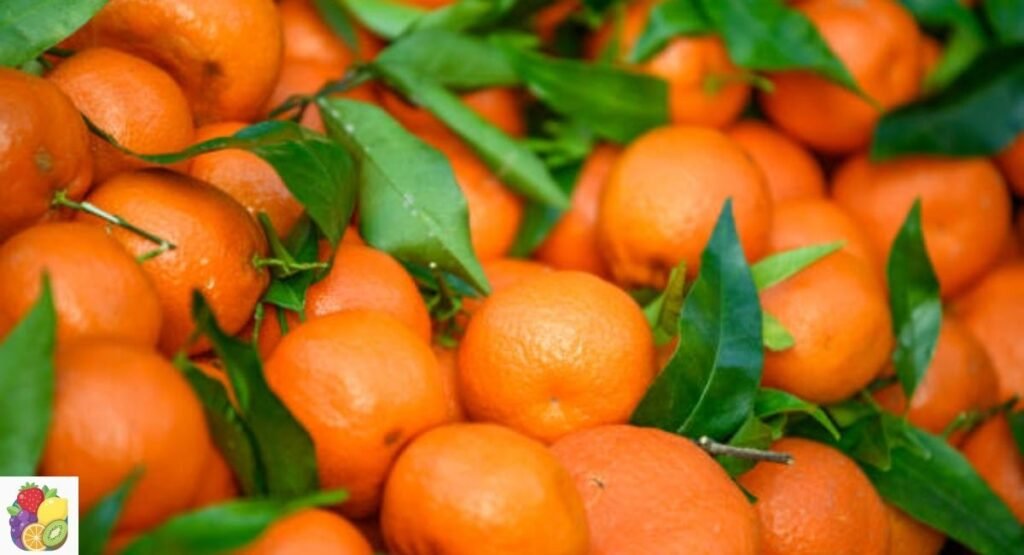
The orange is one of the world’s most recognizable citrus fruits. It has bright orange skin, juicy segments, and a refreshing sweet-tart flavor. Popular varieties include Navel, Valencia, and blood oranges. Navel oranges are easy to peel, while Valencia oranges are widely used for juice. Blood oranges have reddish flesh and a distinctive flavor.
Oranges provide vitamin C, water, and fiber when eaten whole. You can enjoy them as snacks, add them to fruit salads, or use their zest in baking. Their widespread availability makes them an easy starting point when exploring fruits that start with O.
2. Olive
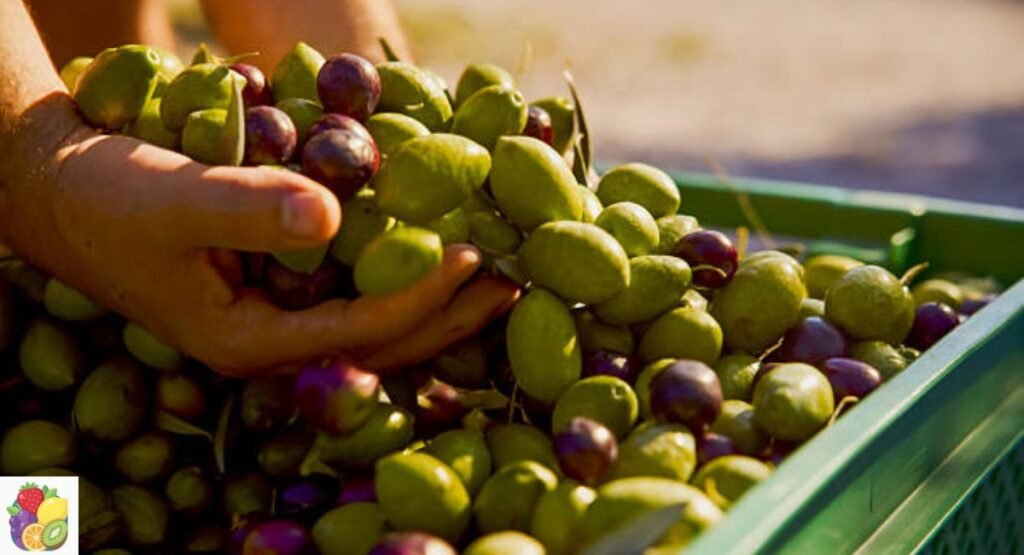
An olive is a small, oval fruit that grows on an olive tree. Its color can range from green to purple or black. Green olives are often harvested earlier, although processing methods also influence their final color. Fresh olives usually taste bitter, so producers cure them before selling them as table olives.
Botanically, olives belong to a group called drupes, which have fleshy outer parts surrounding a hard stone. Peaches and cherries belong to this group, too. Olives are popular in salads, pasta, sandwiches, and Mediterranean dishes. They also provide the oil used in many kitchens worldwide.
3. Oroblanco
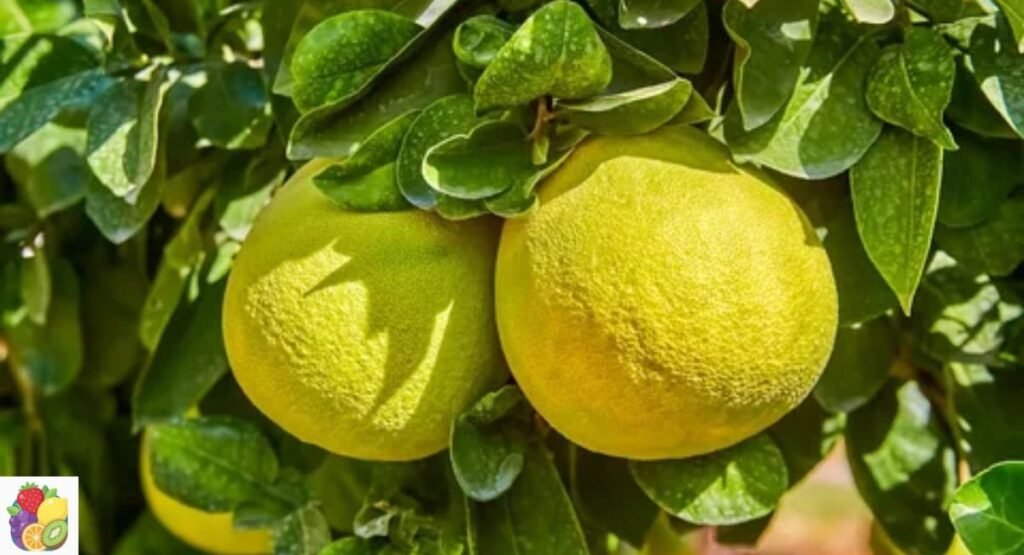
Oroblanco is a citrus hybrid with thick, greenish-yellow skin and pale flesh. Its name means “white gold” in Spanish. Scientists developed this fruit by crossing a pummelo with a white grapefruit. The result is a large citrus fruit known for its mild bitterness and naturally sweet flavor.
Unlike many grapefruit varieties, oroblanco often tastes less bitter. You can enjoy it fresh or add its segments to fruit salads. Its thick rind may take a little effort to remove. In some markets, a related fruit is sold under the name Sweetie. Oroblanco is an excellent example of a fruit that starts with O besides orange.
4. Orangelo
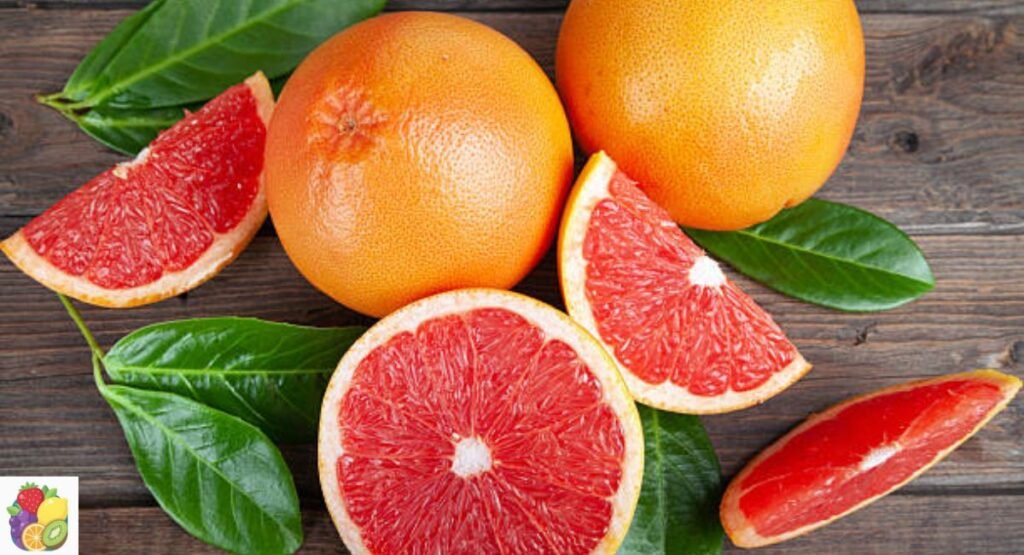
Orangelo is a citrus hybrid associated with orange and grapefruit ancestry. One well-known type, called Chironja, originated in Puerto Rico. Its rounded shape and orange-colored rind can resemble an ordinary orange. Inside, it contains juicy segments with a flavor that may be sweet, tangy, or slightly bitter.
The main difference lies in its hybrid background and flavor profile. A sweet orange usually offers a familiar balance of sweetness and acidity. An orangelo may have more grapefruit-like notes. Although it is less common in American supermarkets, it shows how citrus breeding can produce fruits with distinctive characteristics.
5. Ortanique
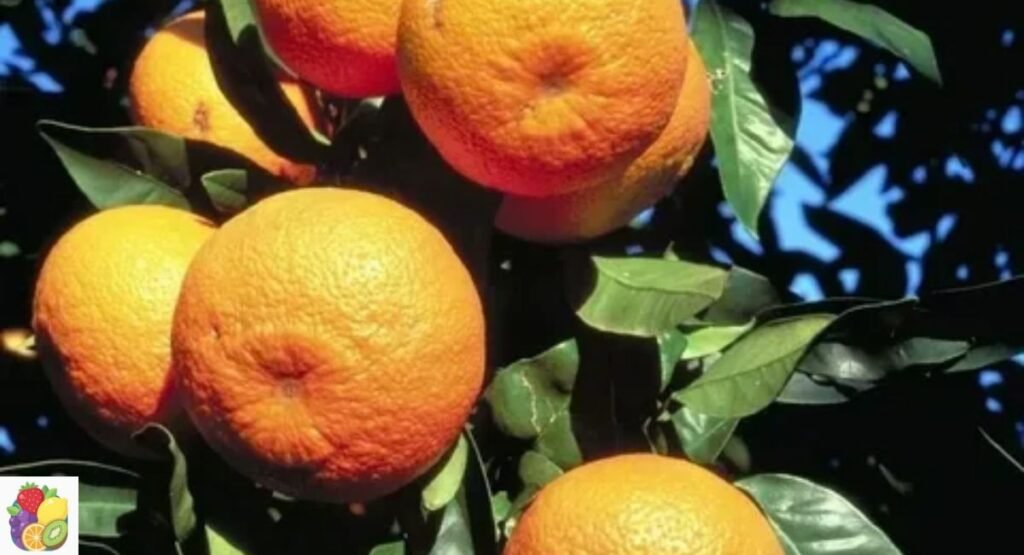
Ortanique is a citrus fruit known for its fragrant peel, juicy flesh, and sweet-tart taste. It is associated with Jamaica and is generally classified as a tangor, a hybrid involving a mandarin and a sweet orange. Its name is often explained as a blend of “orange,” “tangerine,” and “unique.”
The fruit typically has orange-colored skin and plenty of juice. Its flavor combines the sweetness of an orange with the aromatic qualities of a mandarin. Ortanique can be eaten fresh or squeezed for juice. However, availability varies by season and location, so you may need a specialty produce market to find it.
6. Oval Kumquat
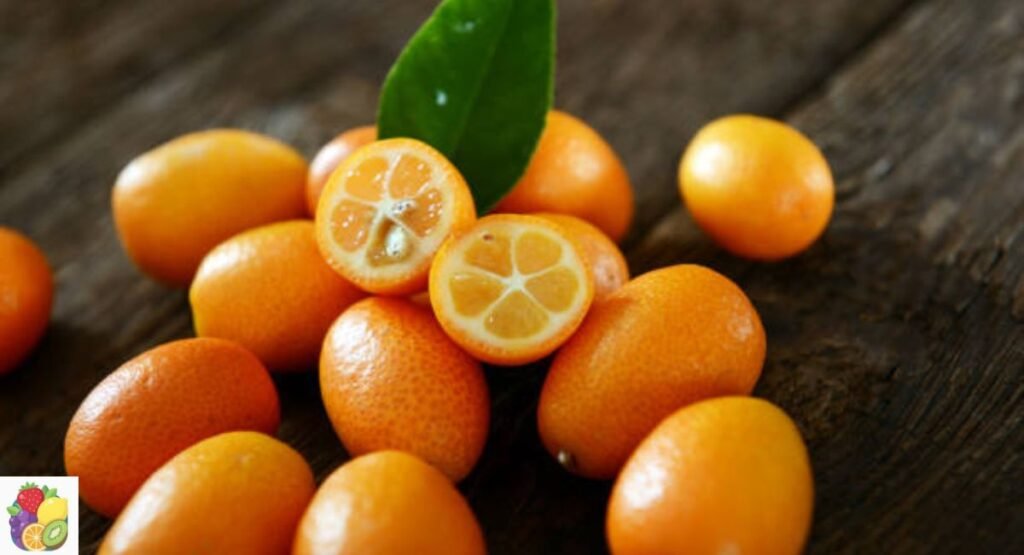
Oval kumquat is a small citrus fruit with an elongated shape and bright orange skin. It is also commonly known as the Nagami kumquat. Unlike most citrus fruits, kumquats are often eaten whole, including their peel. The peel tastes sweet, while the flesh has a sharp, tangy flavor.
This contrast creates a distinctive sweet-and-sour experience. Oval kumquats can be eaten fresh, sliced into salads, or cooked into marmalades and preserves. They are also used in desserts and garnishes. Their small size makes them easy to serve, while their edible peel distinguishes them from larger citrus fruits.
7. Orlando Tangelo
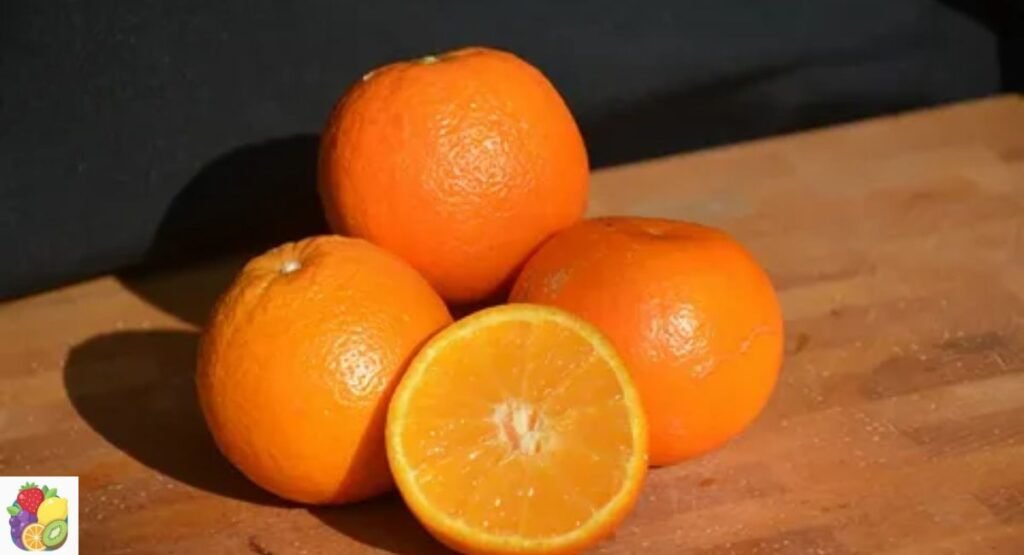
Orlando tangelo is a citrus variety developed from a cross involving a Duncan grapefruit and a Dancy tangerine. It usually has orange skin, juicy flesh, and a rounded shape. Its taste combines sweetness with a refreshing tang, making it suitable for fresh eating and juicing.
Compared with some other citrus fruits, Orlando tangelos can be relatively easy to peel. Their flavor works well in breakfast dishes, fruit salads, and homemade juice. The fruit grows in warm climates and is associated with commercial citrus production in Florida. Its hybrid background makes it another interesting addition to this list.
8. Otaheite Gooseberry
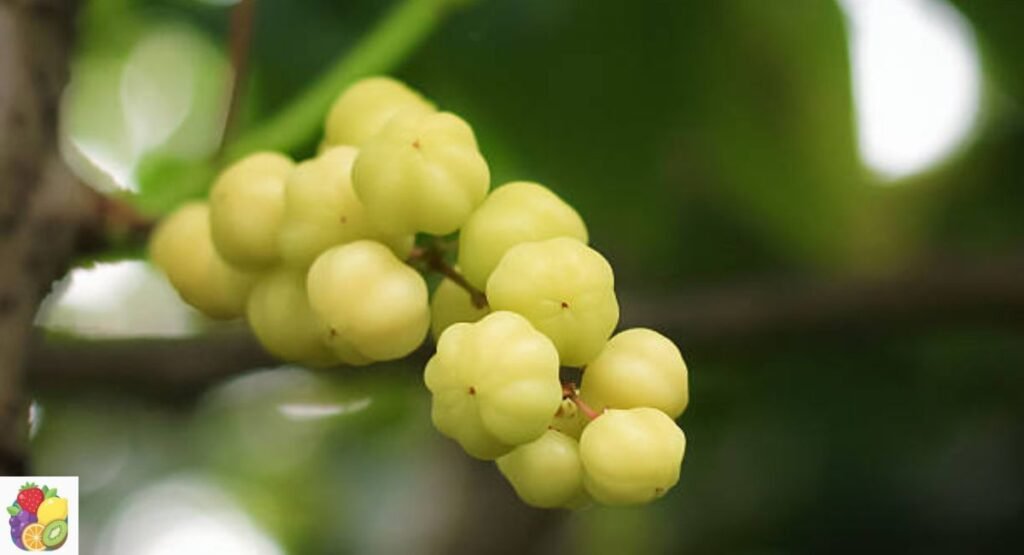
Otaheite gooseberry is a tropical fruit known for its small size and distinctive ribbed shape. Its color can range from pale green to yellow as it develops. The fruit has a very sour taste, which makes it more suitable for cooking than eating in large quantities straight from the tree.
In many regions, people use Otaheite gooseberries in pickles, chutneys, sauces, and preserves. Sugar can help balance their sharp acidity. Despite its name, this fruit differs from the familiar European gooseberry. Its unusual shape and strong flavor make it one of the more memorable unusual fruits that start with O.
9. Oregon Grape
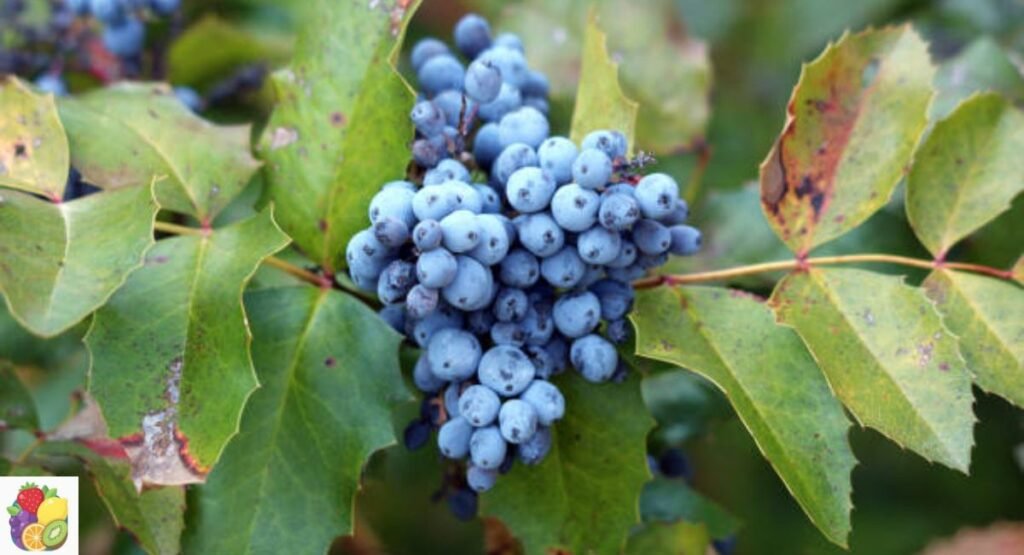
Oregon grape produces small, blue-purple berries that grow in clusters. A waxy coating often gives the berries a dusty appearance. The plant has spiny, holly-like leaves and grows naturally in parts of western North America. Despite its name, Oregon grape is not a true grape and does not belong to the grape family.
The berries usually taste tart and can be quite acidic. They have been used in some regional preparations, including jellies and preserves. However, identification matters because wild plants can be confused with other species. Never eat an unfamiliar wild berry without confirming its identity and checking reliable local guidance.
10. Ohelo Berry
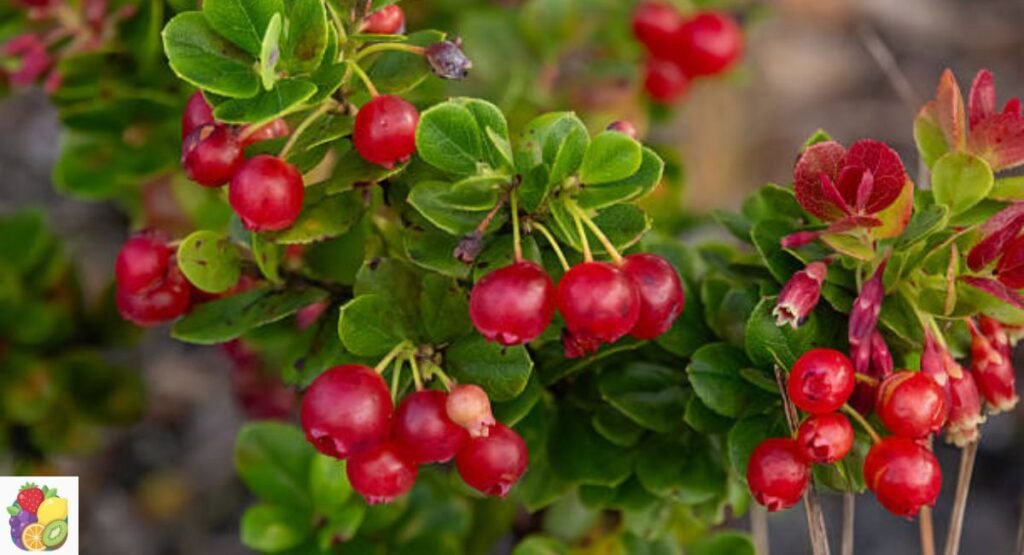
Ohelo berry is a small fruit native to Hawaii. The plant grows in volcanic landscapes and is especially associated with high-elevation habitats. Its berries can appear red, orange, or yellow, depending on the species and stage of development. Their small, round shape resembles that of other wild berries.
Ohelo berries generally have a tart flavor, although sweetness varies with ripeness. They have traditional culinary uses, including preparations such as jams. The plant also plays an ecological role in its native environment. Because these berries grow in sensitive habitats, visitors should follow local conservation rules and avoid collecting fruit where harvesting is restricted.
11. Olosapo
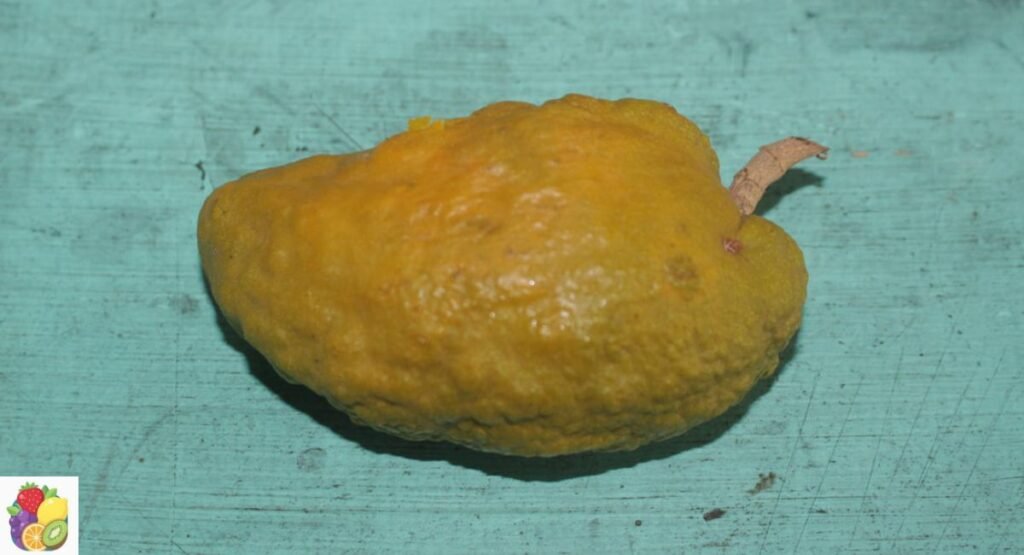
Olosapo is a tropical fruit associated with parts of Central America. It develops yellow-orange skin as it ripens, while its flesh becomes soft. Its appearance is less familiar to many American shoppers because the fruit is not widely sold in ordinary supermarkets.
When ripe, olosapo is known for its sweet taste and soft texture. It can be eaten fresh, provided the fruit is correctly identified and prepared. Its tropical origin makes it an interesting example of the many edible fruits that remain relatively unfamiliar outside their native regions. Availability usually depends on specialist growers and local growing conditions.
12. Ooray (Davidson’s Plum)
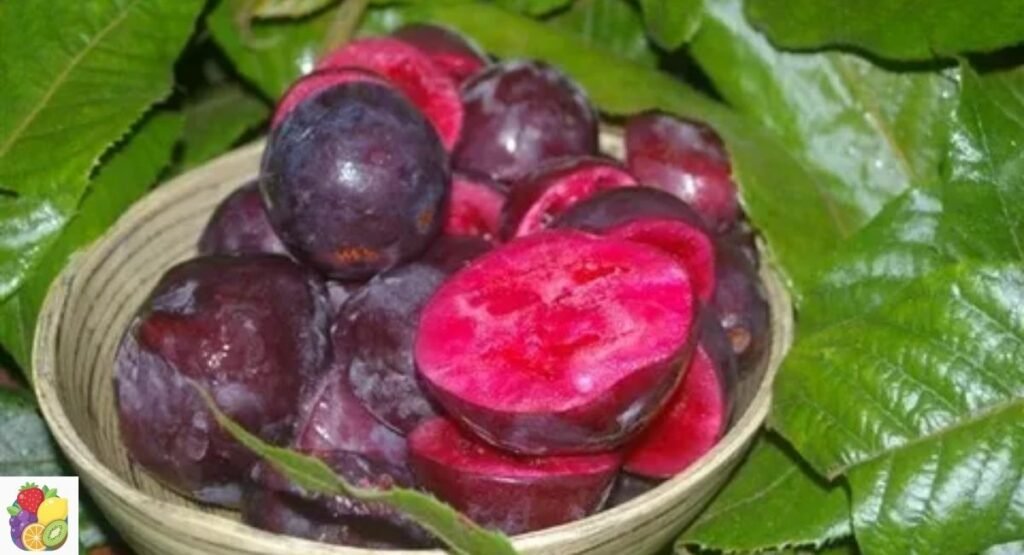
Davidson’s plum is an Australian native fruit known for its deep purple coloring and strongly tart flavor. Its flesh has an intense color, which can add a dramatic appearance to sauces, jams, and desserts. The fruit grows on Davidsonia species native to Australia and is valued in regional cuisine.
The name “ooray” requires care because common names can vary by region and may not always refer to the same botanical species. Before treating the names as exact synonyms, check a reliable botanical or horticultural source. Davidson’s plum is generally too tart for many people to enjoy in large amounts without preparation, but it can bring a lively sour note to cooked dishes.
13. Ōgonkan
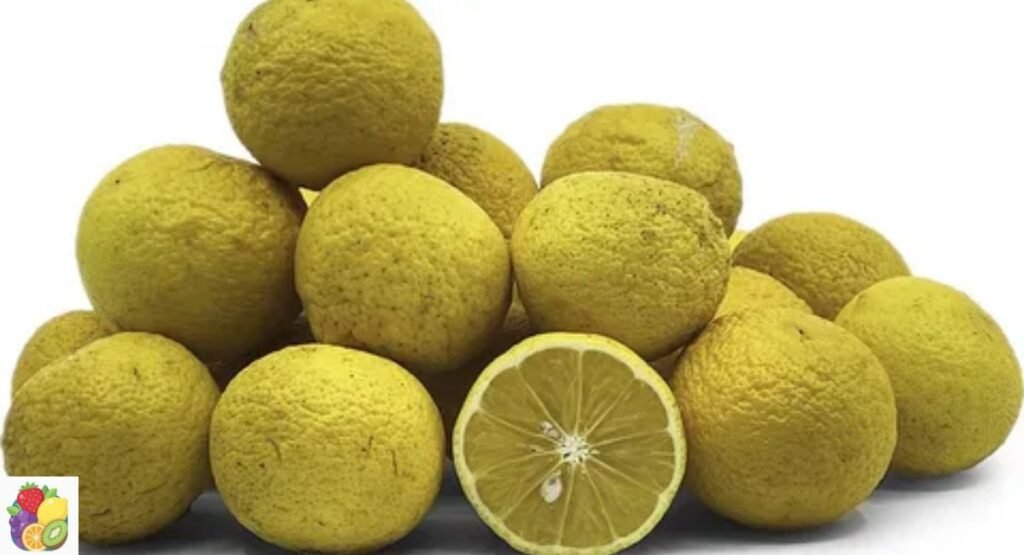
Ōgonkan is a Japanese citrus name associated with golden-yellow fruit. Its attractive rind and fragrant aroma make it a notable example of Japan’s diverse citrus varieties. The flesh offers a sweet-tart flavor, although the precise taste and appearance depend on the particular cultivar and growing conditions.
Japanese citrus fruits often have regional growing traditions and seasonal availability. Ōgonkan may be difficult to find in ordinary American supermarkets, especially outside specialty import markets. When researching this fruit, confirm its accepted botanical name and spelling because Japanese citrus names can refer to particular cultivars or regional varieties.
14. Osteen Mango
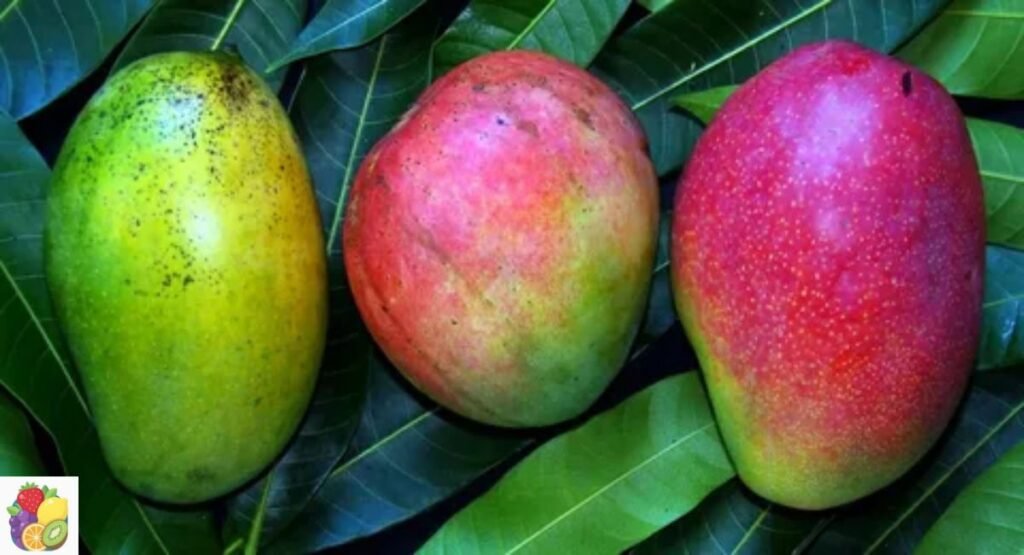
Osteen is a named mango variety associated with Florida and also grown in other warm regions. It often has reddish-purple skin with yellow-orange flesh inside. Like other mangoes, its texture becomes softer as it ripens, and its flavor is generally sweet with a rich tropical aroma.
Osteen mangoes can be enjoyed fresh, blended into smoothies, or added to fruit salads. Their colorful skin helps distinguish them from some green-skinned or yellow-skinned mango varieties. However, skin color alone does not always indicate ripeness. A gentle softness and a pleasant aroma are often more useful clues when selecting a ripe mango.
15. Opal Apple
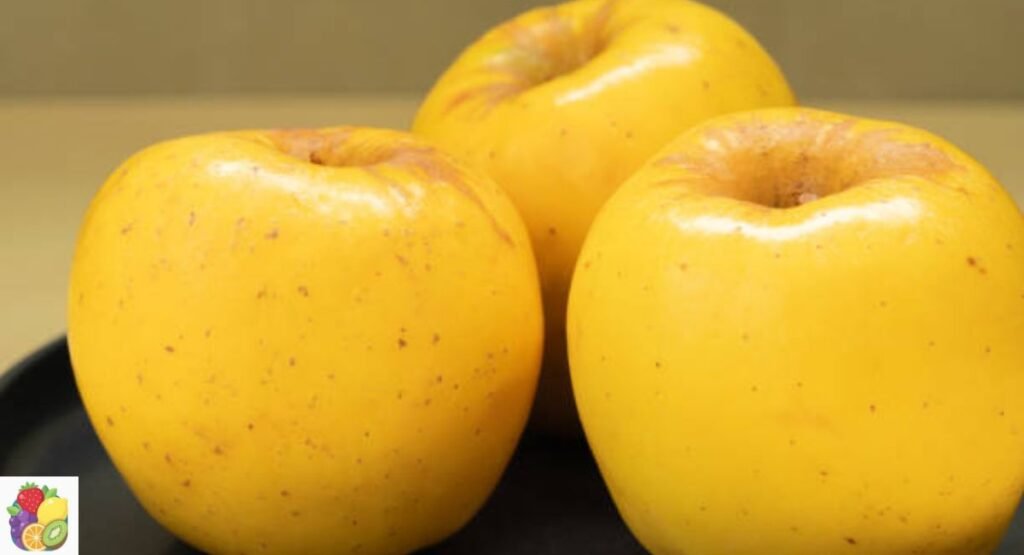
Opal apple is a named apple cultivar with golden-yellow skin and crisp flesh. It has a sweet flavor balanced by mild acidity. Its bright color makes it stand out among familiar red and green apple varieties. The fruit is especially suitable for people who enjoy a crisp bite and a refreshing finish.
You can eat Opal apples fresh, slice them into salads, or serve them with cheese and nuts. They can also be used in baking, although their flavor is often appreciated best when eaten raw. Opal is a cultivar rather than a separate botanical species, which is an important distinction when counting fruit varieties.
Fruits That Start With O Other Than Oranges
Orange may be the first fruit that comes to mind, but there are many alternatives. Olives offer a savory flavor, while oroblanco provides a milder citrus taste. Otaheite gooseberry and ohelo berry are more tart. Olosapo offers a sweeter tropical option when ripe.
These fruits also differ in their botanical groups. Olive is a drupe, Oregon grape produces berry-like fruits, and oroblanco is a citrus hybrid. Osteen mango and Opal apple are named cultivars. This variety makes the letter O a useful starting point for exploring fruit diversity.
| Fruit | Typical taste | Distinctive feature |
| Olive | Savory or bitter | Hard inner stone |
| Oroblanco | Sweet and mild | Thick greenish-yellow rind |
| Orangelo | Sweet-tart | Citrus hybrid background |
| Otaheite gooseberry | Very sour | Deeply ribbed shape |
| Ohelo berry | Tart | Hawaiian origin |
| Olosapo | Sweet when ripe | Tropical fruit |
| Davidson’s plum | Strongly tart | Deep purple flesh |
Fruits That Start With O in Spanish
| English Fruit Name | Spanish Name | Description |
| Orange | Naranja | A juicy citrus fruit with orange skin. |
| Olive | Aceituna / Oliva | A small fruit commonly used in salads and olive oil. |
| Oroblanco | Oroblanco | A sweet citrus hybrid with pale flesh. |
| Orangelo | Chironja (for a known type) | A citrus fruit associated with orange and grapefruit ancestry. |
| Ortanique | Ortanique | A citrus hybrid with a sweet-tart flavor. |
| Oval Kumquat | Kumquat ovalado | A small citrus fruit often eaten with its peel. |
| Orlando Tangelo | Tangelo Orlando | A juicy citrus hybrid. |
| Otaheite Gooseberry | Grosella de Tahití | A small, ribbed fruit with a sour taste. |
| Oregon Grape | Uva de Oregón | A blue-purple berry; the Spanish common name can vary. |
| Ohelo Berry | Baya ʻŌhelo | A tart berry native to Hawaii. |
| Olosapo | Olosapo | A tropical fruit generally known by its local name. |
| Davidson’s Plum | Ciruela de Davidson | An Australian fruit with dark flesh and a tart flavor. |
| Ōgonkan | Ōgonkan | A Japanese citrus variety. |
| Osteen Mango | Mango Osteen | A mango variety with colorful skin and sweet flesh. |
| Opal Apple | Manzana Opal | A crisp, golden-yellow apple cultivar. |
Note: Some rare fruits do not have a widely established Spanish name. In these cases, the original name is often retained. Spanish names can also vary by country and region.
Green Fruits That Start With O
Green fruits can be easy to overlook because people often associate ripeness with bright colors. Oroblanco may have greenish-yellow skin even when ripe. Green olives are also familiar, although their color depends partly on harvesting and processing. Certain apple cultivars, including Orin apples, may have green or yellow-green skin.
Color alone cannot reliably tell you whether a fruit is ripe. Some fruits remain green when ready to eat, while others change color as they mature. Texture, aroma, variety, and growing conditions can provide better clues. When identifying an unfamiliar fruit, use more than one characteristic instead of relying on skin color alone.
Rare and Unusual Fruits That Start With O
Some of the most interesting O fruits are difficult to find in regular American grocery stores. Olosapo comes from tropical regions, ohelo berry is associated with Hawaii, and Davidson’s plum is native to Australia. Otaheite gooseberry also stands out because of its unusual ribbed shape and sharp acidity.
Ōgonkan offers a glimpse into Japan’s diverse citrus varieties. These fruits demonstrate how climate, geography, and local food traditions shape the produce people eat. Availability depends on the season and local suppliers. If you want to try one, specialty produce shops, farmers markets, or growers who focus on unusual fruits may be useful places to investigate.
How to Identify Fruits That Start With O
The easiest way to identify a fruit is to examine several features together. Start with its color and outer skin. Bright orange skin may suggest a familiar orange, while a greenish-yellow rind may indicate oroblanco. Blue-purple clusters could point toward Oregon grape, but appearance alone is not enough to confirm a wild fruit’s identity.
Next, consider shape, size, texture, and taste. Oval kumquats are small and elongated, while Otaheite gooseberries have a ribbed surface. Citrus fruits contain segmented flesh, olives have a hard stone, and apples have crisp flesh. For unfamiliar produce, a trusted label or botanical reference is safer than guessing based on appearance.
Conclusion
The world of fruits that start with O extends far beyond oranges. Olives, oroblanco, oval kumquats, Otaheite gooseberries, and unusual tropical fruits offer different flavors, textures, and growing histories. Some are easy to find, while others are regional specialties worth learning about.
Exploring these fruits can also expand your food vocabulary and introduce you to new ingredients. Whether you are learning Spanish, preparing an educational list, or looking for something different to taste, these 15 examples provide a useful starting point.
FAQs
What is a fruit that starts with O besides orange?
Olive, oroblanco, orangelo, and Otaheite gooseberry are examples of fruits that start with O besides orange. Each offers a different taste, shape, and culinary use.
What are five fruits that start with O?
Five examples are orange, olive, oroblanco, orangelo, and oval kumquat. They include familiar produce and less common citrus varieties.
What is a green fruit that starts with O?
Oroblanco often has greenish-yellow skin, while green olives are another familiar example. Their color varies by variety, ripeness, and processing.
What fruits that start with O are citrus fruits?
Orange, oroblanco, orangelo, ortanique, oval kumquat, Orlando tangelo, and Ōgonkan are citrus fruits or citrus hybrids. Their sweetness and acidity vary.
What is a fruit that starts with O in Spanish?
Naranja means orange in Spanish, although the word starts with N. Aceituna and oliva are Spanish words for olive.

Welcome to Fruitloria.com! I’m Anam Sattar, an AI-powered SEO Specialist and Content Writer with over 4 years of experience in creating high-quality, search-optimized content. I help businesses improve their search engine rankings, increase organic traffic, and build beautiful, user-friendly websites. My mission is to make SEO, content creation, and web design simple, effective, and accessible for everyone. Let’s grow your online presence and achieve success together!
1 thought on “15 Fruits That Start With O: Spanish Fruits and Fruits Other Than Oranges”