


Have you ever wondered how many fruits that start with N you can name? Beyond familiar choices like nectarines, navel oranges, and nashi pears, many unusual fruits offer unique flavors, textures, and culinary uses. Some grow in tropical regions, while others are popular in orchards and grocery stores across the United States. Exploring these fruits is a fun way to discover new foods and expand your fruit vocabulary.
In this guide, you will find 20 fruit names beginning with N, including exotic fruits, citrus varieties, and lesser-known regional specialties. You will also learn about their origins, tastes, and common uses, making this list helpful for fruit lovers and curious readers.
20 Fruits That Start With N
The following fruits begin with the letter N. They include everyday grocery-store favorites, tropical produce, named fruit varieties, and less familiar regional fruits. Some names refer to specific cultivars, while others describe fruits traditionally eaten in particular regions.
1. Nectarine
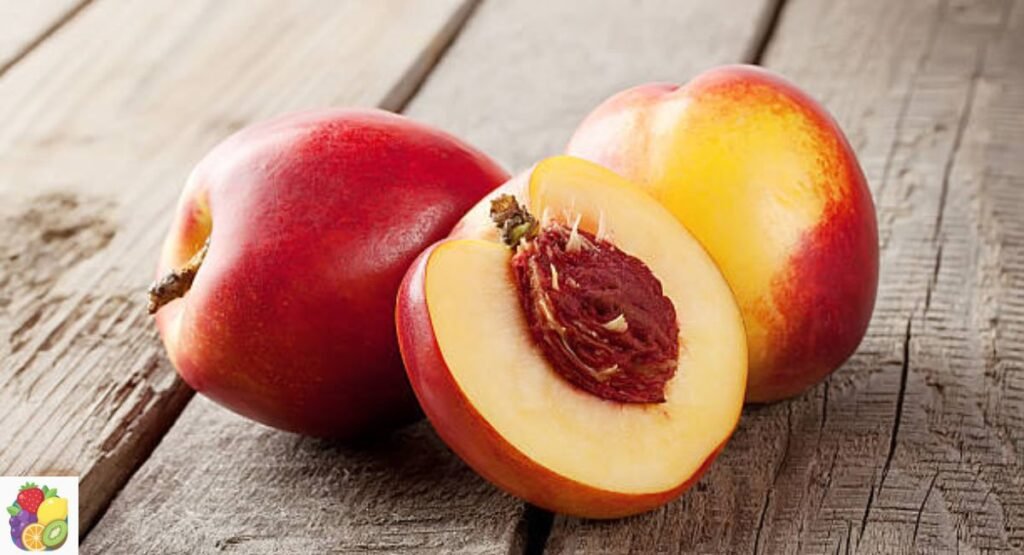
A nectarine is a smooth-skinned fruit closely related to the peach. It usually has yellow or reddish skin and juicy flesh that can be yellow or white. Its flavor ranges from sweet to slightly tangy, depending on the variety and ripeness.
Nectarines are commonly eaten fresh, sliced into fruit salads, or added to smoothies. They also work well in pies, jams, and baked desserts. Unlike peaches, nectarines do not have fuzzy skin, making them easy to distinguish at a glance.
2. Navel Orange
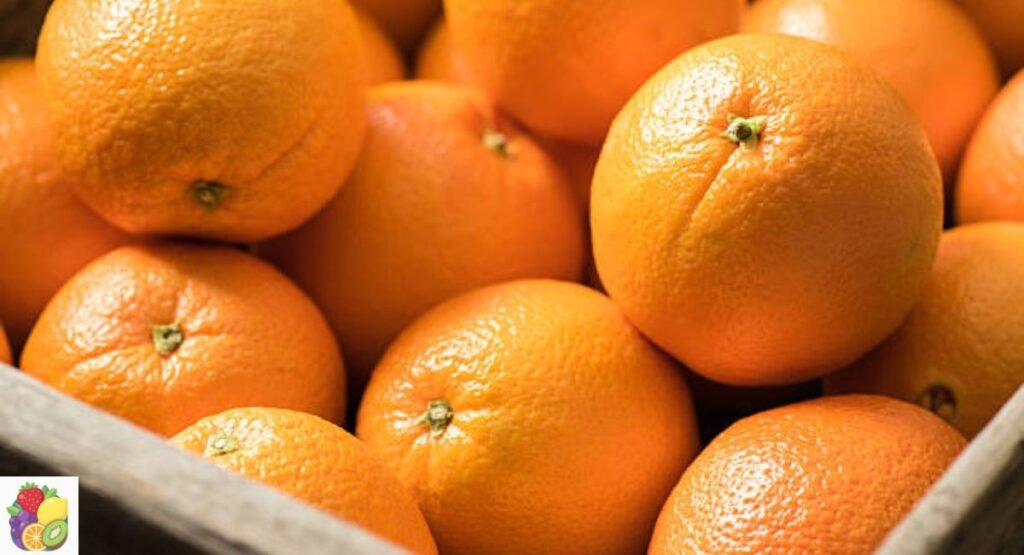
The navel orange is a popular citrus fruit known for its sweet flavor and easy-to-peel skin. It gets its name from the small, navel-like formation at the blossom end. The flesh is usually juicy, bright orange, and naturally seedless or nearly seedless.
People eat navel oranges as a snack, add their segments to salads, or use the juice in drinks. They are also a source of vitamin C. Their convenient size and refreshing taste make them a familiar choice in American supermarkets.
3. Nashi Pear
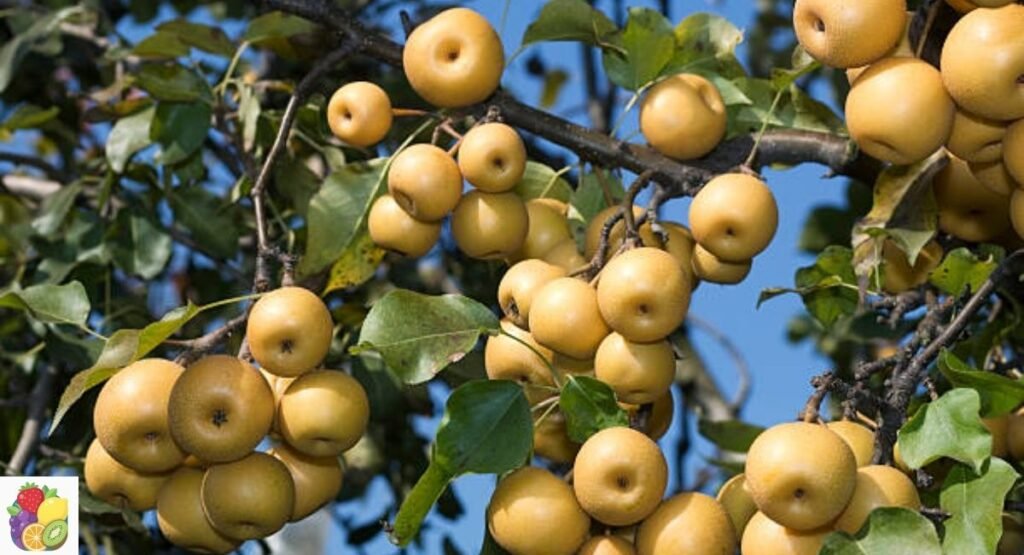
The nashi pear, also called the Asian pear, is rounder than many European pear varieties. Its skin is often golden brown or yellow, and its crisp flesh contains plenty of juice. The flavor is mildly sweet, with a refreshing texture similar to a crisp apple.
Nashi pears are usually eaten raw because their crunchy texture is one of their best features. They can also be sliced into salads or served with savory dishes. Unlike softer pears, they often remain firm even when fully ripe.
4. Naranjilla
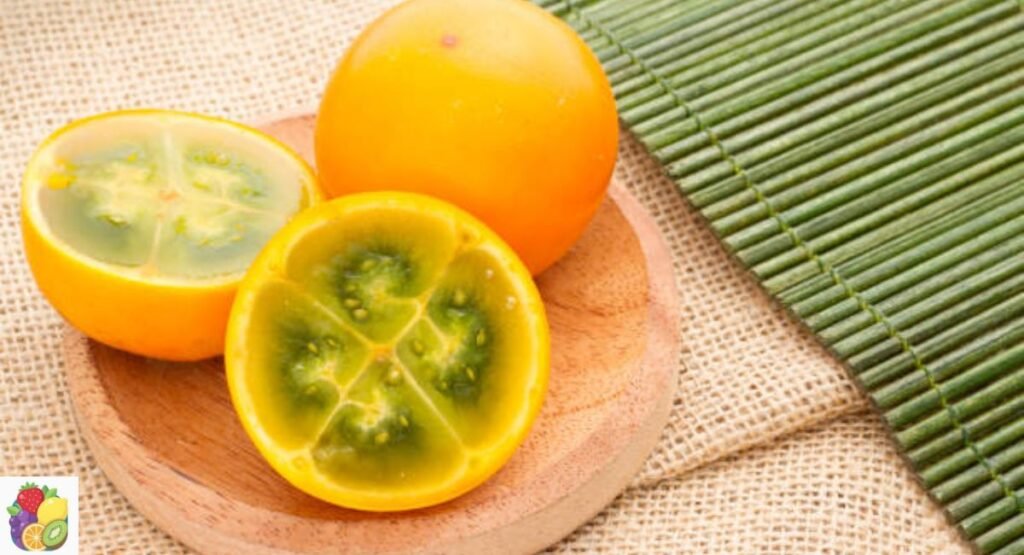
Naranjilla is a small tropical fruit associated with the Andean regions of South America. Its name means “little orange” in Spanish, although the fruit is not a true orange. It generally has orange-colored skin when ripe and greenish, juicy pulp inside.
Naranjilla has a distinctive sweet-and-sour flavor that people often compare to citrus fruits mixed with pineapple. It is commonly used to prepare juices, smoothies, sauces, and desserts. In some countries, its refreshing juice is a popular traditional drink.
5. Nance
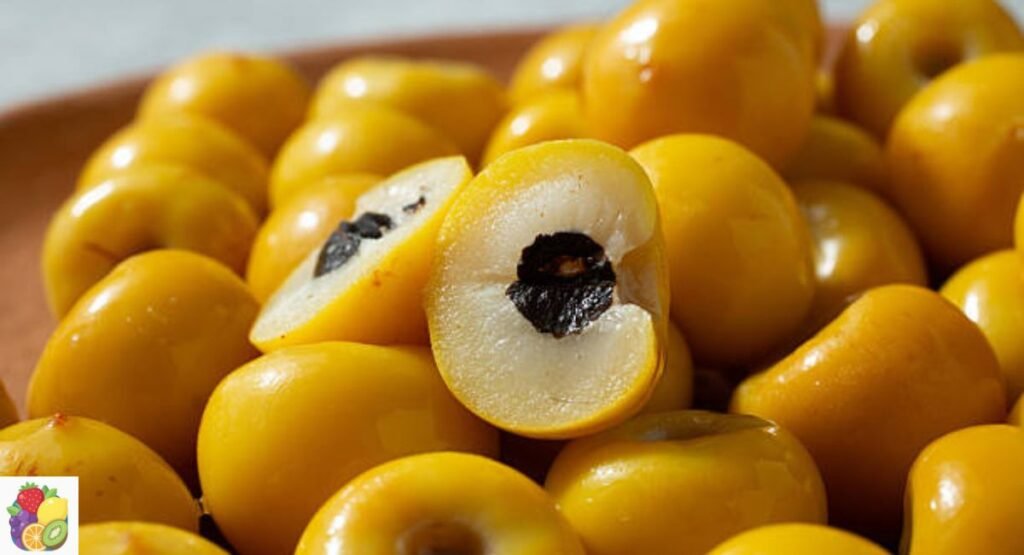
Nance is a small tropical fruit that grows in parts of Central America, the Caribbean, and South America. The fruit is usually yellow when ripe and has thin skin surrounding a soft, aromatic pulp. Its flavor can be sweet, tart, or slightly fermented.
People eat nance fresh or use it to make beverages, preserves, sweets, and traditional desserts. Its strong aroma makes it different from many familiar fruits. The fruit is especially valued in regions where it grows naturally or is cultivated locally.
6. Natal Plum
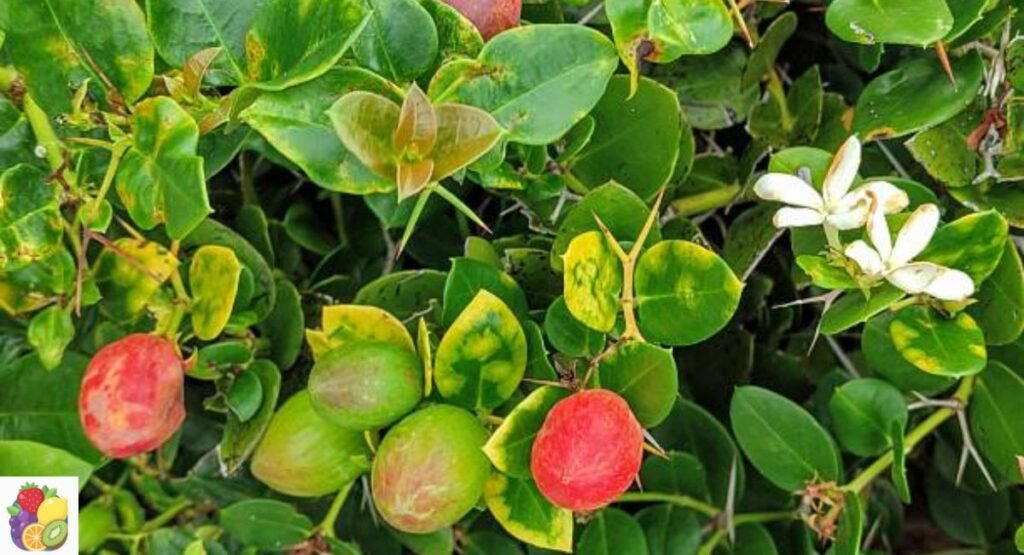
The Natal plum is a small fruit produced by a shrub native to southern Africa. Its ripe fruit is generally red, oval-shaped, and filled with soft pulp. The taste is tart to sweet, depending on ripeness and growing conditions.
Natal plums can be eaten fresh when fully ripe and correctly identified. They are also used in jams, jellies, sauces, and other preserves. However, the plant has thorny branches, and its unripe fruit is very different from the softer, mature fruit commonly used for food.
7. Nonda Plum
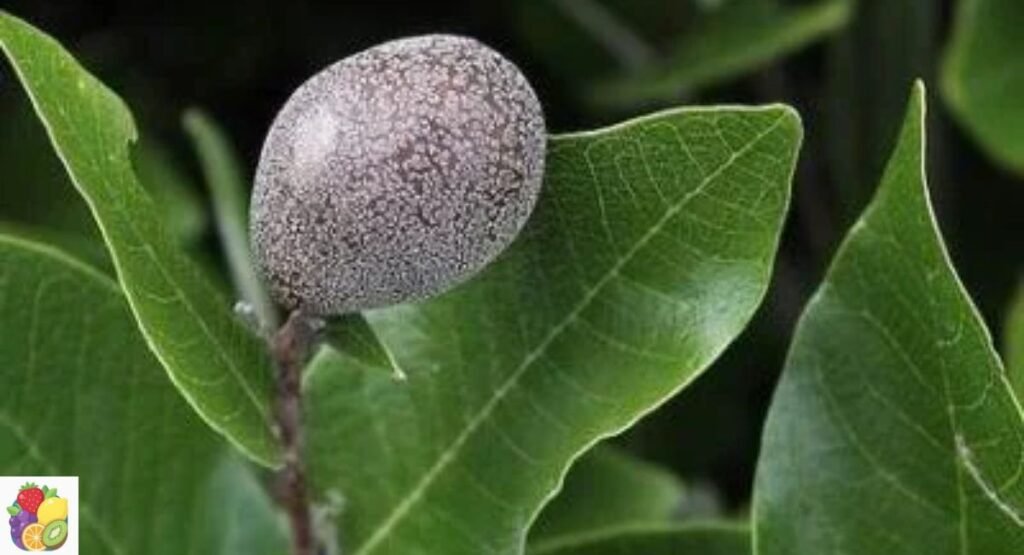
Nonda plum is a fruit native to parts of New Guinea and northern Australia. Despite its common name, it is not the same as the familiar European plum. The fruit belongs to a tropical tree and is associated with local food traditions.
Its appearance and flavor may vary with the species and stage of ripeness. Nonda plum is less widely available than common supermarket fruits, so many readers may encounter it mainly in discussions of Australian and Pacific Island plants. Its regional importance makes it an interesting addition to a list of unusual fruits.
8. Nungu
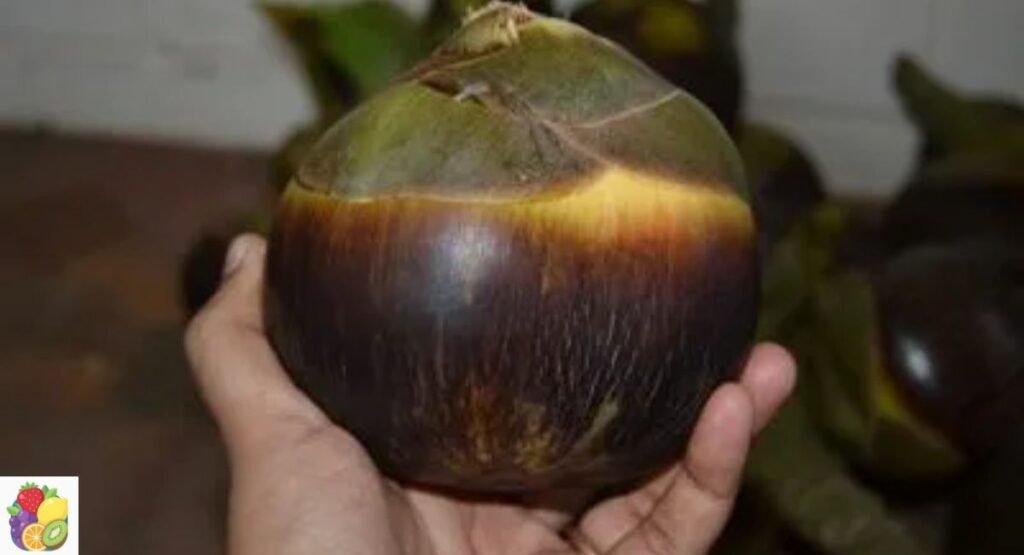
Nungu, also known as ice apple or palm fruit, comes from the palmyra palm. It is popular in parts of South Asia, especially during hot weather. The fruit has a thin outer covering and translucent, jelly-like sections inside.
Its texture is soft and refreshing, while its flavor is mild and lightly sweet. People commonly eat nungu fresh after removing its outer skin. Because it contains plenty of moisture, it is often enjoyed as a seasonal summer treat.
9. Noni
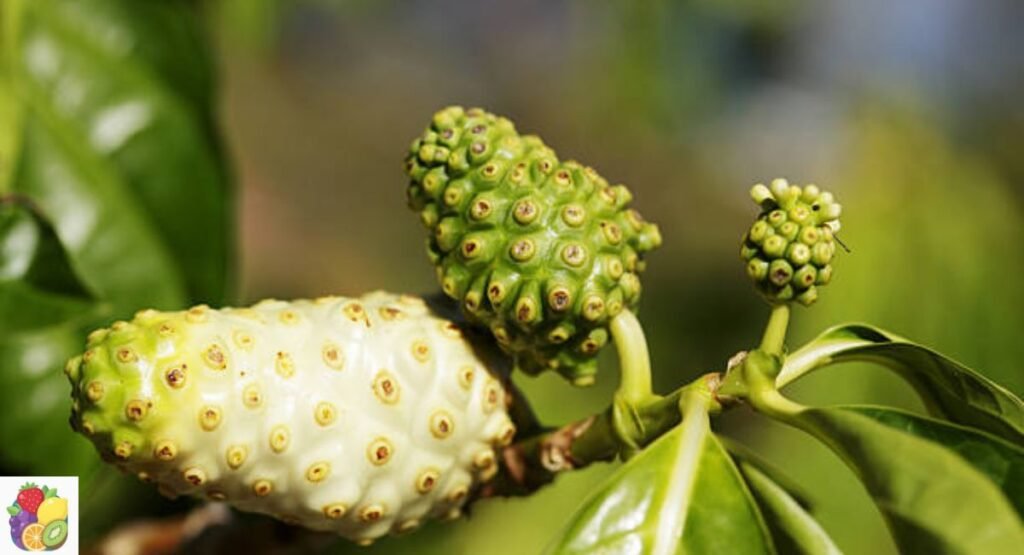
Noni is a tropical fruit that grows on a small evergreen tree found across parts of Asia and the Pacific. When mature, it usually becomes pale yellow or creamy white and develops a strong smell. Its bumpy surface makes it easy to recognize.
Noni has a bitter, distinctive flavor that many people find stronger than ordinary fruit. It is used in traditional food practices and is sometimes processed into juice or other products. Although noni is discussed in wellness marketing, claims that it treats or cures diseases should not be accepted without reliable medical evidence.
10. Nutmeg Fruit
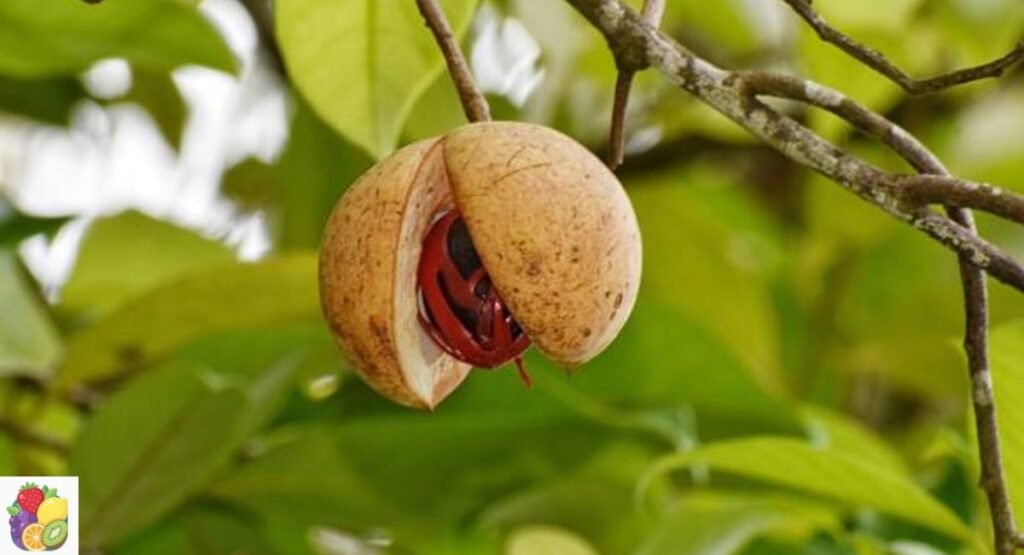
Nutmeg fruit grows on the nutmeg tree, a tropical evergreen native to the Maluku Islands of Indonesia. The ripe fruit splits open to reveal a brown seed surrounded by a bright red, net-like covering called mace. Both the seed and mace are used as spices.
The fleshy outer fruit is less familiar than the spice sold in stores. The seed is dried and ground to make nutmeg, while mace has its own flavor and culinary uses. This fruit is a useful reminder that some familiar kitchen spices come from tropical fruits.
11. Nagami Kumquat
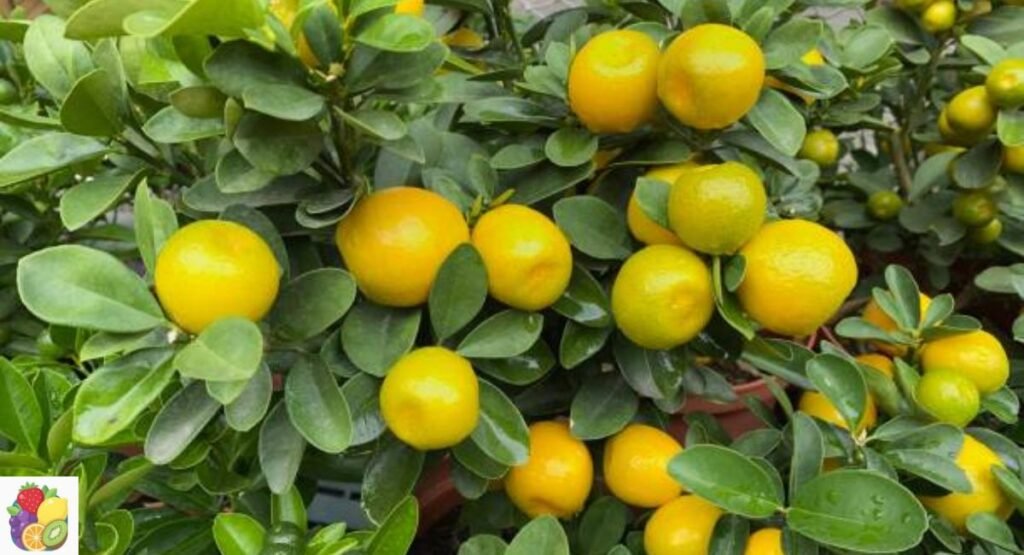
The Nagami kumquat is a small citrus fruit with an oval shape and bright orange skin. It is known for its unusual eating experience: the peel is often sweet, while the juicy interior is quite tart. The contrast creates a distinctive sweet-and-sour flavor.
Nagami kumquats can be eaten whole after washing, although some people prefer to slice them. They are also used in marmalades, chutneys, candied fruit, and drinks. Their small size makes them easy to serve as a garnish or a colorful snack.
12. Niagara Grape
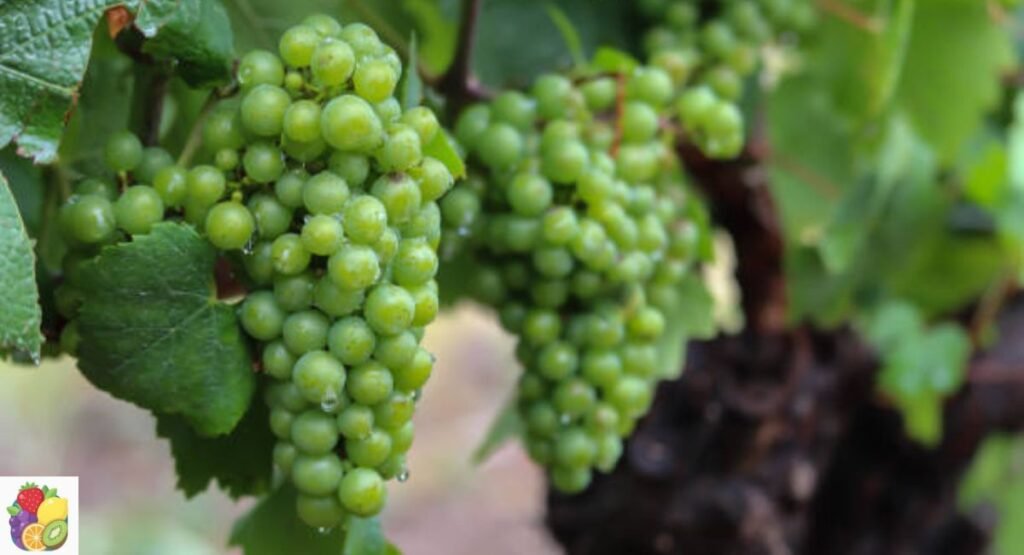
Niagara grape is a green grape variety known for its sweet taste and strong, recognizable aroma. It is widely associated with grape-growing regions in North America. The berries are generally round, pale green, and covered with a light natural bloom.
Niagara grapes can be eaten fresh or used to make juice, jelly, and other grape products. Their flavor is often more aromatic than that of many common table grapes. The name refers to a specific grape cultivar rather than a separate botanical species.
13. Northern Spy Apple
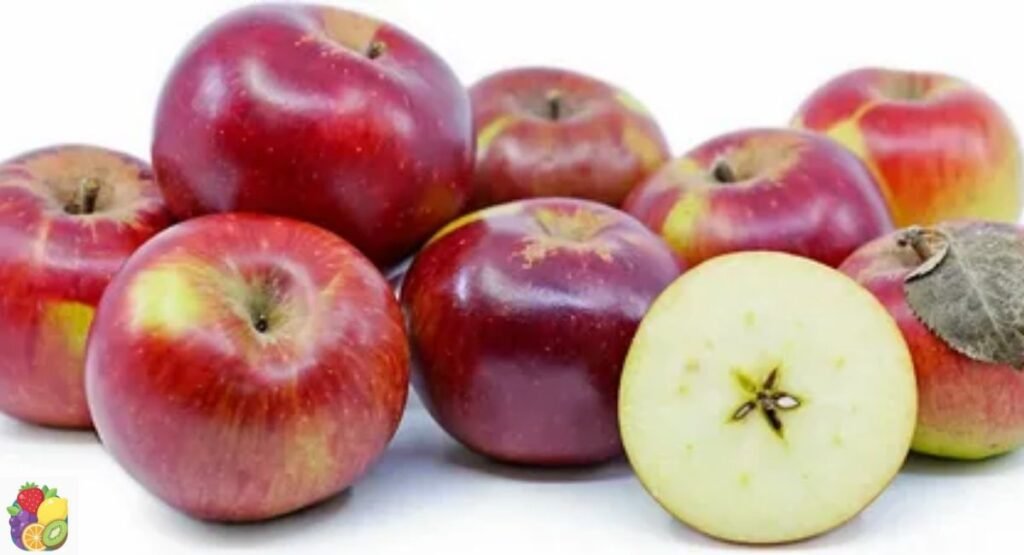
The Northern Spy apple is an old apple variety that originated in North America. It typically has greenish-yellow skin with red striping and firm, juicy flesh. Its flavor combines sweetness with a noticeable tartness.
This apple is especially valued for baking because it can retain its texture in pies and other desserts. It can also be eaten fresh or used to prepare applesauce. Northern Spy is a cultivar name, so it belongs among named fruit varieties rather than entirely separate fruit species.
14. Newtown Pippin Apple
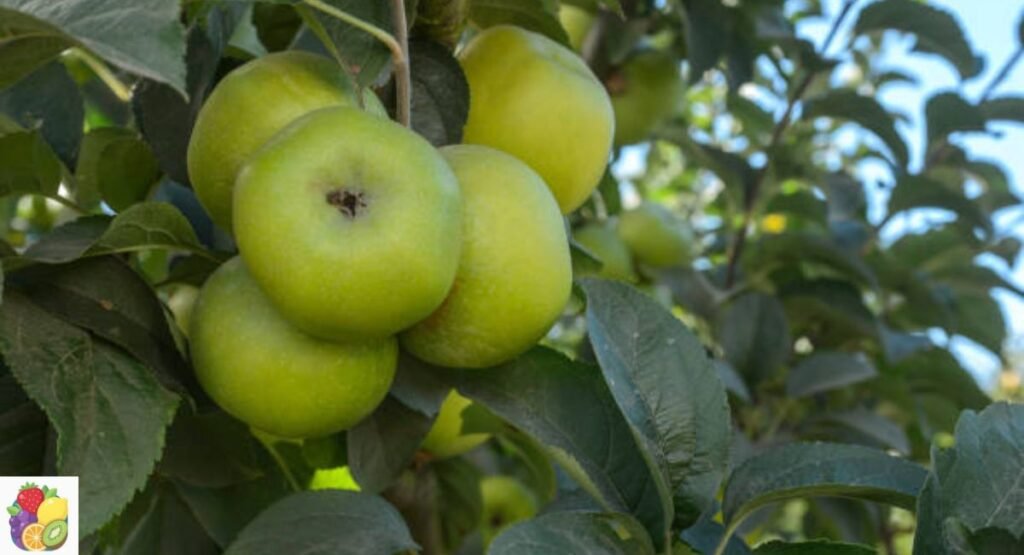
Newtown Pippin is another traditional apple variety with a long history in the United States. Its skin is generally green to yellow, sometimes with a russeted surface. The flesh is firm and aromatic, with a balanced sweet-and-tart flavor.
People enjoy Newtown Pippin apples fresh, baked, or pressed into cider. Their flavor can become richer after suitable storage. Although they are less common in many modern supermarkets, they remain interesting to apple enthusiasts who enjoy historic varieties.
15. Niitaka Pear
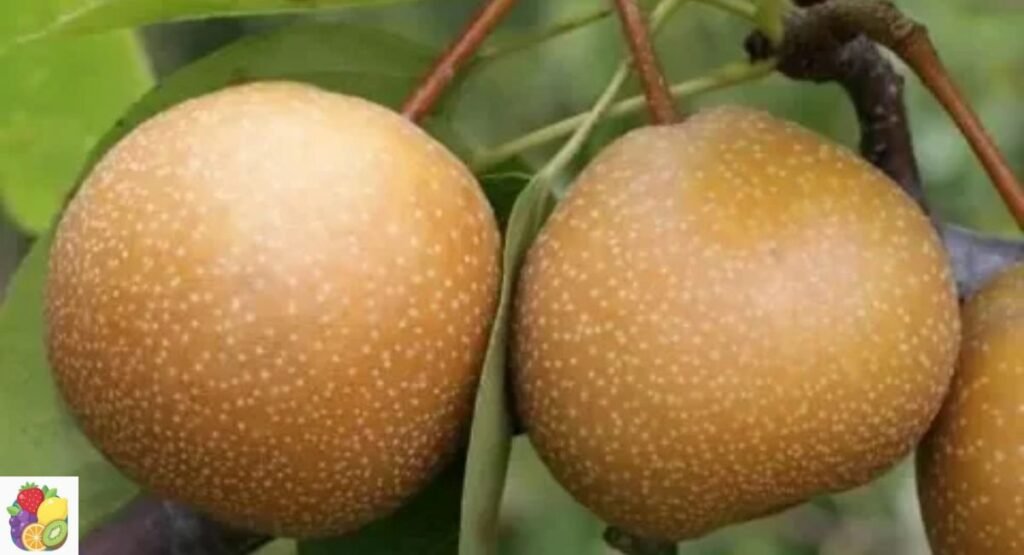
The Niitaka pear is a large Asian pear variety grown commercially in parts of East Asia. Its rounded fruit often has golden-brown skin and crisp, juicy flesh. The taste is mild and sweet, making it suitable for people who prefer a less acidic fruit.
Niitaka pears are commonly eaten fresh and may also be used in salads or desserts. Like other Asian pears, they usually maintain a firm texture when ripe. Their large size and refreshing crunch make them a distinctive member of the pear family.
16. Nova Mandarin
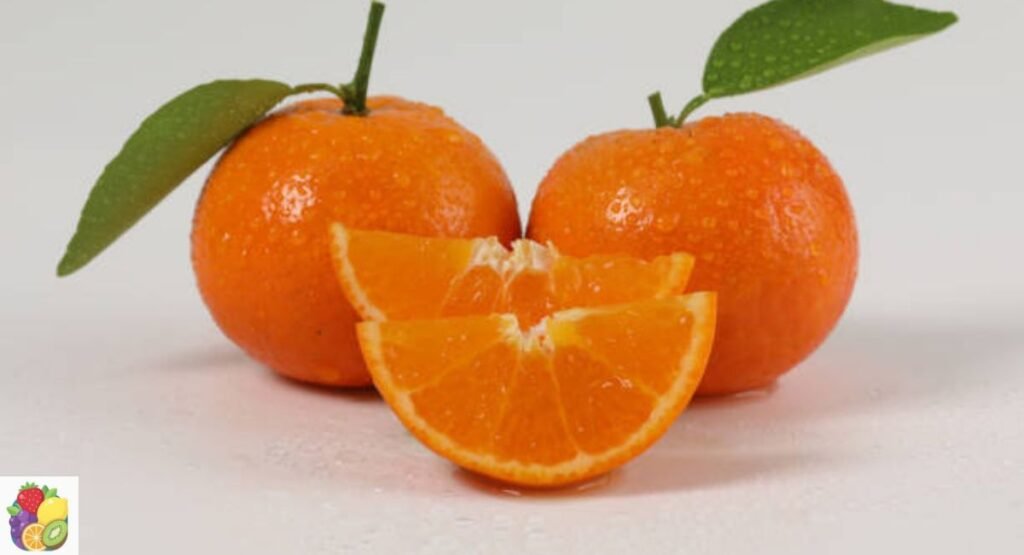
Nova mandarin is a citrus cultivar known for its bright orange skin and sweet, flavorful flesh. It is a hybrid citrus variety and may be sold under different labels depending on the market. The fruit is generally easy to peel and convenient to eat.
Nova mandarins are commonly enjoyed fresh as a snack or added to fruit bowls. Their segments can also be used in salads and desserts. Because cultivar names are sometimes unfamiliar to shoppers, they are useful examples of how many fruit varieties exist beyond the basic names found in grocery stores.
17. Nipa Palm Fruit
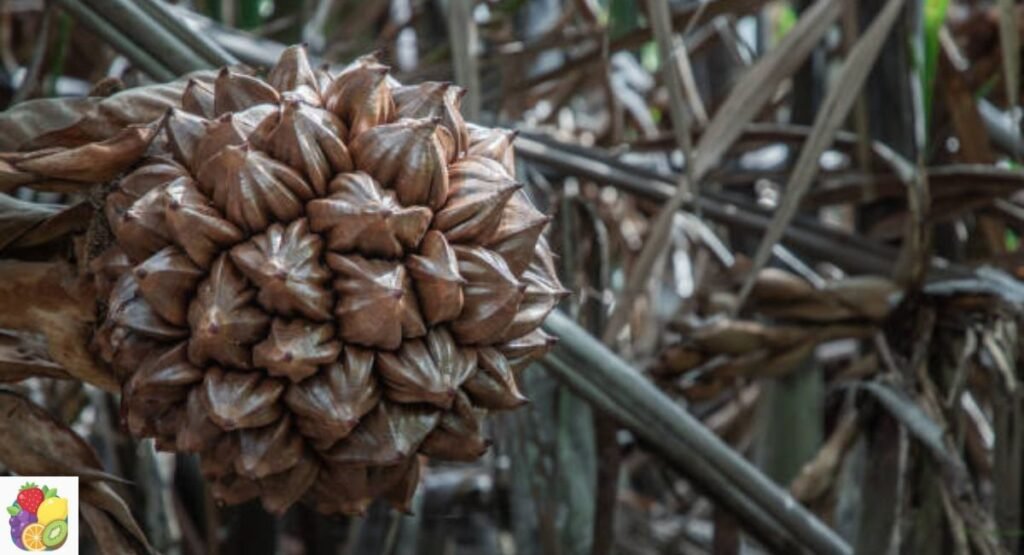
Nipa palm fruit develops on the nipa palm, a plant commonly found in coastal wetlands and mangrove environments across parts of Asia and the Pacific. The palm produces large clusters of fruits, and the edible portions are used in some regional cuisines.
The fruit is associated with traditional foods and desserts in certain communities. Its preparation and use vary by location, so it is not as familiar as standard supermarket produce. Nipa palm fruit is a reminder that the word “fruit” includes many foods from trees and palms that grow outside conventional orchards.
18. Nectaplum
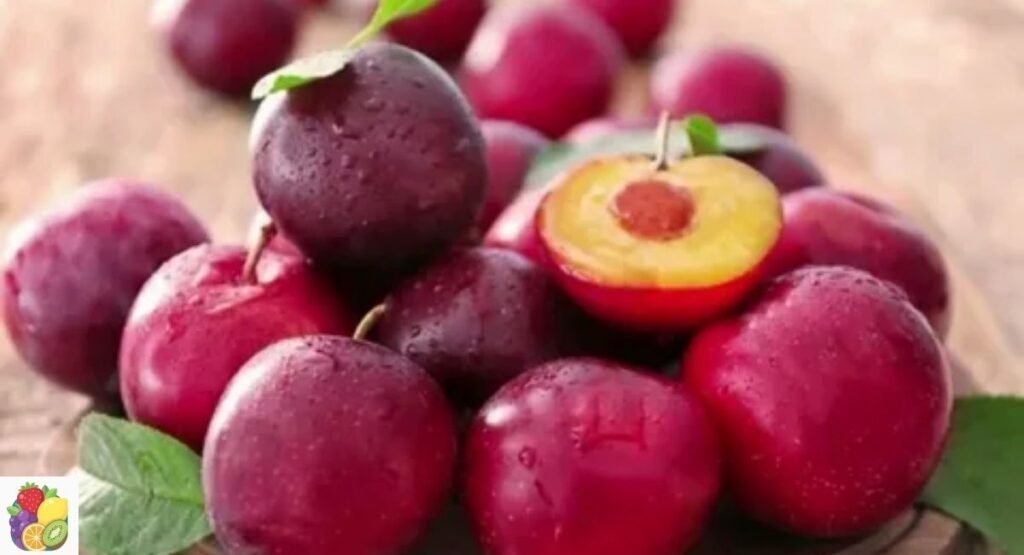
A nectaplum is a hybrid fruit associated with plum and nectarine breeding. The exact appearance depends on the cultivar, but the fruit may have smooth skin and flesh that combines characteristics of its parent fruits. Its flavor is often sweet, sometimes with a gentle tartness.
Nectaplums are usually eaten fresh, and some varieties can also be used in fruit salads and desserts. Hybrid fruits are developed to combine desirable traits such as flavor, texture, and appearance. Their names can differ among growers and sellers, so the label may depend on the particular variety.
19. Namu-Namu
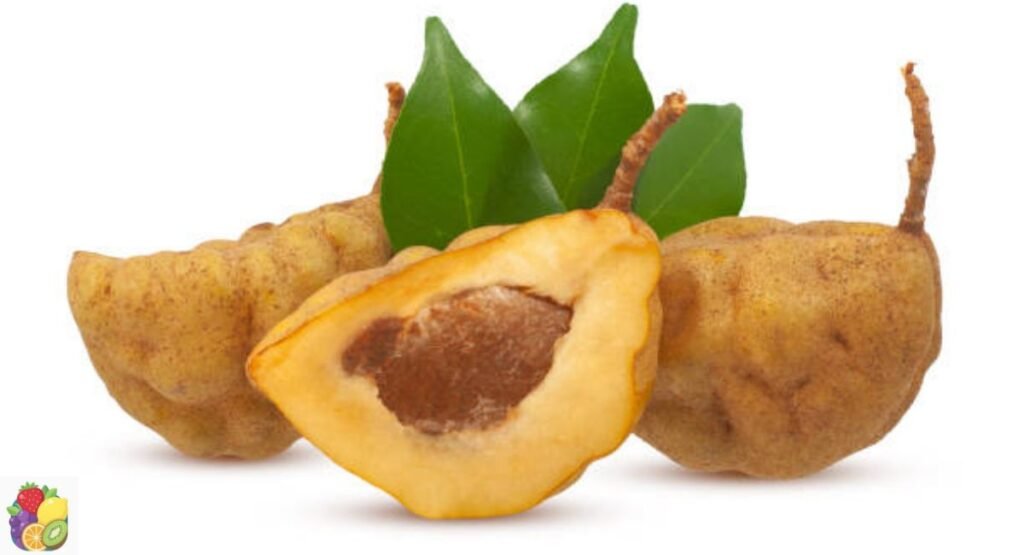
Namu-Namu is a regional fruit name that may appear in discussions of tropical and Pacific Island produce. However, common names can vary between languages and locations, and this name does not always point clearly to one universally recognized fruit species.
For that reason, it is important to confirm the local spelling, botanical name, and region before treating Namu-Namu as a specific fruit. If you encounter it in a regional food guide, check the surrounding context to identify which plant is being described.
20. Nere Fruit
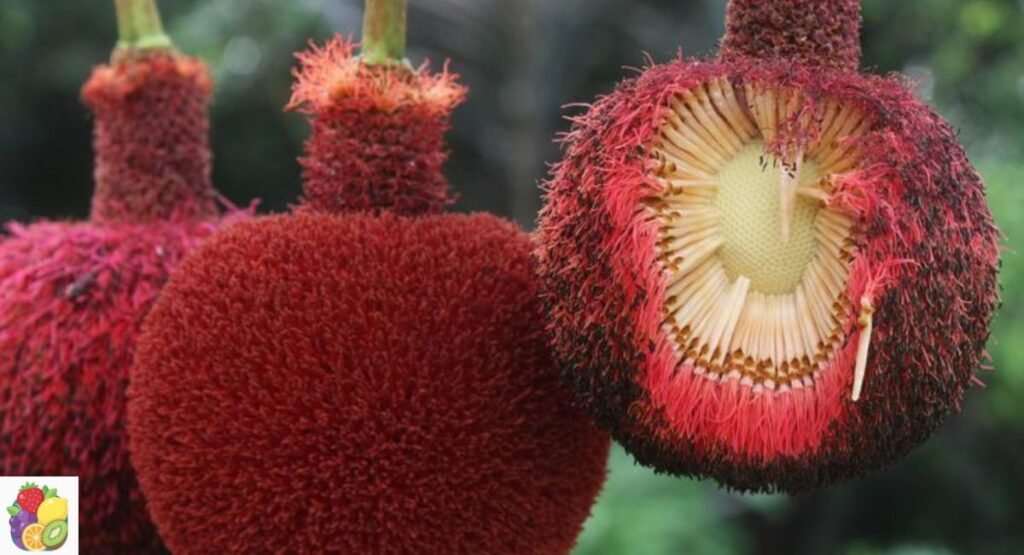
Nere fruit is another name that requires care because regional fruit names can refer to different plants in different places. Without a clearly established botanical identity, details about its exact appearance, taste, and culinary uses may be unreliable.
When using this name for a school project, vocabulary list, or article, try to verify the spelling and scientific name first. This helps distinguish a recognized fruit from a local name, an alternative spelling, or a term that may have been recorded differently across sources.
Quick List of Fruits That Start With N
The table below provides a quick reference to the 20 names covered in this article. It also shows the general type of each fruit and its typical use.
| Fruit name | Fruit type | Common use |
| Nectarine | Stone fruit | Fresh eating and desserts |
| Navel orange | Citrus fruit | Snacking and juice |
| Nashi pear | Asian pear | Fresh eating and salads |
| Naranjilla | Tropical fruit | Juices and sauces |
| Nance | Tropical fruit | Drinks and preserves |
| Natal plum | Edible fruit when ripe | Jams and fresh eating |
| Nonda plum | Regional tropical fruit | Local food traditions |
| Nungu | Palm fruit | Fresh summer snack |
| Noni | Tropical fruit | Traditional uses and processing |
| Nutmeg fruit | Spice-producing fruit | Nutmeg and mace |
| Nagami kumquat | Citrus fruit | Fresh eating and marmalade |
| Niagara grape | Grape cultivar | Fresh eating and juice |
| Northern Spy apple | Apple cultivar | Baking and fresh eating |
| Newtown Pippin apple | Apple cultivar | Desserts and cider |
| Niitaka pear | Asian pear cultivar | Fresh eating |
| Nova mandarin | Citrus cultivar | Snacking and fruit bowls |
| Nipa palm fruit | Palm fruit | Regional foods and desserts |
| Nectaplum | Hybrid fruit | Fresh eating |
| Namu-Namu | Regional name requiring verification | Confirm local identity |
| Nere fruit | Name requiring verification | Confirm local identity |
Common Fruits That Start With N
Some fruits beginning with N are much easier to find than others. Nectarines, navel oranges, and nashi pears are familiar choices in many grocery stores. Depending on the season and location, shoppers may also find mandarins, grapes, and apples sold under particular cultivar names.
| Fruit | What makes it familiar? | Flavor |
| Nectarine | Common stone fruit | Sweet or tangy |
| Navel orange | Widely sold citrus fruit | Sweet and juicy |
| Nashi pear | Popular Asian pear | Mild and crisp |
| Nagami kumquat | Small citrus fruit | Sweet peel and tart pulp |
| Niagara grape | Recognized grape variety | Sweet and aromatic |
| Northern Spy apple | Traditional apple cultivar | Sweet-tart |
| Newtown Pippin apple | Historic apple variety | Aromatic and tangy |
| Nova mandarin | Sweet citrus cultivar | Sweet and refreshing |
Availability depends on season, region, and local suppliers. Some named varieties are grown commercially but may not be stocked by every supermarket.
Tropical and Exotic Fruits That Start With N
Tropical fruits beginning with N offer a wider range of flavors and textures. Naranjilla is known for its tangy pulp, while nance has a distinctive aroma. Nungu provides a soft, jelly-like texture, and noni is recognized for its unusually strong smell.
| Fruit | General origin or growing region | Main characteristic |
| Naranjilla | Andean South America | Tangy pulp |
| Nance | Central America and parts of South America | Aromatic yellow fruit |
| Nungu | South Asia and other tropical regions | Soft, translucent flesh |
| Noni | Tropical Asia and the Pacific | Strong smell and bitter flavor |
| Nonda plum | New Guinea and northern Australia | Less common regional fruit |
| Nipa palm fruit | Coastal wetlands of Asia and the Pacific | Palm-grown fruit |
Some exotic fruits are mainly eaten where they grow. Others are processed into juice, preserves, or traditional desserts before reaching wider markets.
Rare and Unusual Fruits That Start With N
Not every fruit on an alphabetical list is a separate botanical species. Some names describe cultivars, hybrids, or regional foods. Nonda plum is an example of a lesser-known fruit, while nutmeg fruit is notable because its seed and surrounding covering are used as spices.
Namu-Namu and Nere fruit require additional identification before their descriptions can be treated as definitive. This distinction matters when creating educational content. A reliable fruit list should separate established names from terms that may have regional meanings or uncertain spellings.
| Name | Why it is unusual |
| Nonda plum | Native fruit with a limited growing range |
| Nungu | Jelly-like palm fruit |
| Nutmeg fruit | Produces the spices nutmeg and mace |
| Nipa palm fruit | Comes from a palm adapted to coastal wetlands |
| Nectaplum | Hybrid fruit name |
| Namu-Namu | Botanical identity needs confirmation |
| Nere fruit | Botanical identity needs confirmation |
Fruits That Start With N in Spanish
Spanish fruit names can differ from English names. Some fruits have widely recognized Spanish equivalents, while others keep their original names or have several regional names. The following table includes common translations and notes where a direct translation is not normally used.
| English fruit name | Spanish name |
| Nectarine | Nectarina |
| Navel orange | Naranja navel |
| Nashi pear | Pera nashi |
| Naranjilla | Naranjilla |
| Nance | Nance |
| Natal plum | Ciruela de Natal |
| Nonda plum | Ciruela nonda |
| Nungu | Nungu or palma de azúcar, depending on context |
| Noni | Noni |
| Nutmeg fruit | Fruto de la nuez moscada |
| Nagami kumquat | Kumquat Nagami |
| Niagara grape | Uva Niagara |
| Northern Spy apple | Manzana Northern Spy |
| Newtown Pippin apple | Manzana Newtown Pippin |
| Niitaka pear | Pera Niitaka |
| Nova mandarin | Mandarina Nova |
| Nipa palm fruit | Fruto de la palma nipa |
| Nectaplum | Nectaplum |
| Namu-Namu | Name may vary by region |
| Nere fruit | Name needs regional confirmation |
In Spanish, fruta is a general word for fruit, while frutas is its plural form. The term naranja means orange, pera means pear, manzana means apple, and uva means grape. Some uncommon fruits retain their original names because they do not have a widely used Spanish translation.
How to Identify Fruits That Start With N
You can identify many fruits by looking at their shape, skin, color, and flesh. Nectarines have smooth skin, while peaches are fuzzy. Navel oranges are round and orange, with a small navel-like mark at one end. Nashi pears are usually round and crisp rather than soft and buttery.
Tropical fruits often require more attention. Naranjilla has greenish pulp, nungu has translucent flesh, and ripe noni develops a pale color and strong smell. When identifying an unfamiliar regional fruit, do not rely on its common name alone. A photograph, growing region, and botanical name can help prevent confusion.
Nectarine vs. Nashi Pear
Nectarines and nashi pears are both commonly eaten fresh, but they have different textures and appearances. Nectarines have smooth skin and soft, juicy flesh. Nashi pears usually have a round shape, slightly rough skin, and a crisp bite.
Nectarines belong to the peach group, while nashi pears belong to the pear group. Nectarines are often used in baked desserts, whereas nashi pears are especially enjoyable raw. Both can be sliced into fruit salads or served as snacks.
Naranjilla vs. Nance
Naranjilla and nance are tropical fruits with distinctive flavors. Naranjilla is known for its tangy juice and greenish pulp. Nance is smaller and often yellow when ripe, with a strong aroma and a flavor that ranges from sweet to tart.
Both fruits can be used in beverages and traditional recipes. However, they are not interchangeable in every dish because their textures and flavors differ. Naranjilla is often chosen for refreshing drinks, while nance may be used in preserves and regional sweets.
Nungu vs. Nipa Palm Fruit
Nungu and nipa palm fruit both come from palms, but they are not the same fruit. Nungu is known for its translucent, jelly-like flesh, which is eaten fresh in hot weather. Nipa palm fruit is associated with coastal wetlands and traditional regional foods.
Their growing environments and culinary uses also differ. Nungu is commonly enjoyed as a refreshing snack, while nipa palm fruit is used in certain local preparations and desserts. The shared palm connection makes the comparison interesting, but their names should not be used interchangeably.
Nutmeg Fruit vs. Nutmeg Spice
Nutmeg fruit is the fruit of a tropical tree, while nutmeg spice is made from its seed. When the fruit ripens, its outer covering opens and reveals the seed wrapped in a red, net-like layer called mace.
The seed is dried and ground into the familiar spice used in baking, sauces, and warm drinks. Mace is also used as a seasoning. The fleshy fruit is less common in everyday cooking, so people often know nutmeg as a spice rather than recognizing its fruit.
How to Use Fruits That Start With N
Fruits beginning with N can be used in many ways. Sweet fruits such as nectarines, navel oranges, and Nova mandarins work well in snacks, breakfast bowls, and desserts. Crisp nashi pears can be added to salads, while grapes and apples can be served fresh or used in cooking.
More unusual fruits offer different options. Naranjilla can be used in tangy drinks, nance can be made into preserves, and nungu is often eaten fresh. Nutmeg fruit is especially interesting because it produces spices used in many cuisines. Before preparing any unfamiliar fruit, confirm its identity and make sure the part you intend to eat is safe.
Conclusion
Exploring fruits that start with N reveals a mix of familiar produce, tropical specialties, historic varieties, and unusual regional names. Nectarines, navel oranges, and nashi pears are easy to recognize, while naranjilla, nungu, and nonda plum introduce readers to less familiar fruits.
These 20 names can help with vocabulary building, food research, and fruit identification. Remember that some entries are cultivars or hybrid names rather than separate species. For regional names such as Namu-Namu and Nere fruit, confirm the botanical identity before relying on specific details.
FAQs
1. What are some common fruits that start with N?
Nectarines, navel oranges, and nashi pears are familiar examples. Niagara grapes, apples with N names, and Nagami kumquats are other possibilities.
2. What is an exotic fruit that starts with N?
Naranjilla is an exotic tropical fruit known for its tangy pulp. Nance, noni, and nungu are other fruits that may be unfamiliar to many readers.
3. Which fruits that start with N are tropical?
Naranjilla, nance, noni, nungu, nonda plum, and nipa palm fruit are associated with tropical or subtropical regions. Their growing conditions and uses vary.
4. What is a fruit that starts with N in Spanish?
Nectarina means nectarine, naranja means orange, and pera means pear. Some fruits, including naranjilla and noni, commonly keep their original names in Spanish.
5. Is nutmeg a fruit that starts with N?
Nutmeg itself usually refers to a spice made from the seed of the nutmeg fruit. The tree produces a fleshy fruit that splits open to reveal the seed and its red covering, mace.

Welcome to Fruitloria.com! I’m Anam Sattar, an AI-powered SEO Specialist and Content Writer with over 4 years of experience in creating high-quality, search-optimized content. I help businesses improve their search engine rankings, increase organic traffic, and build beautiful, user-friendly websites. My mission is to make SEO, content creation, and web design simple, effective, and accessible for everyone. Let’s grow your online presence and achieve success together!