


Are you searching for delicious fruits that start with M? There are many exciting options, from familiar favorites to rare tropical varieties. Mango, mandarin, and melon are popular fruits enjoyed by people around the world. However, some lesser-known choices, such as mangosteen, maqui berry, and mamey sapote, offer unique flavors and textures. These fruits come in different shapes, colors, and sizes, making them interesting to explore.
In this guide, you will discover 20 fruits that start with M, along with their tastes, origins, and uses. You will also learn about exotic fruits, citrus fruits, and tropical fruits, plus their Spanish names.
20 Fruits That Start With M
The letter M introduces an interesting mix of familiar produce and lesser-known tropical fruits. Some grow in home gardens, while others thrive in warm regions far from the United States. Their flavors range from sweet and creamy to sharp and tangy.
This list also includes citrus fruits, berries, and specialty varieties. Each entry explains what makes the fruit distinctive and how people commonly enjoy it. Where names overlap, the descriptions clarify important differences so you can understand what you are buying.
| Fruit name | Category | Taste or defining feature |
| Mango | Tropical fruit | Sweet, juicy flesh |
| Mandarin | Citrus fruit | Sweet segments and easy-to-peel skin |
| Melon | Fruit group | Refreshing, juicy flesh |
| Mulberry | Berry | Soft, sweet-tart flavor |
| Muskmelon | Melon | Fragrant, sweet flesh |
| Mangosteen | Tropical fruit | Tender white segments |
| Mamey sapote | Tropical fruit | Creamy, reddish-orange flesh |
| Maracuya | Passion fruit | Aromatic pulp and edible seeds |
| Miracle fruit | Unusual tropical fruit | Changes the perception of sour flavors |
| Medlar | Lesser-known fruit | Traditionally softened before eating |
| Maqui berry | Berry | Small, dark purple fruit |
| Marionberry | Blackberry cultivar | Rich, sweet-tart flavor |
| Mayhaw | Southern American fruit | Tart fruit used in preserves |
| Mountain apple | Tropical fruit | Mild flavor and juicy flesh |
| Malay apple | Tropical fruit | Colorful skin and juicy flesh |
| Monstera deliciosa fruit | Unusual fruit | Edible only when properly ripe |
| Monkey orange | African fruit | Thick shell surrounding edible pulp |
| Manila tamarind | Tropical fruit | Sweet pulp inside twisted pods |
| Meyer lemon | Citrus fruit | Mild, fragrant citrus flavor |
| Mexican lime | Citrus fruit | Small fruit with aromatic juice |
Some names refer to fruit groups or cultivated varieties rather than separate botanical species. For example, melon includes several familiar types, while marionberry is a cultivated blackberry. Understanding these distinctions makes the list more accurate and useful.
1. Mango
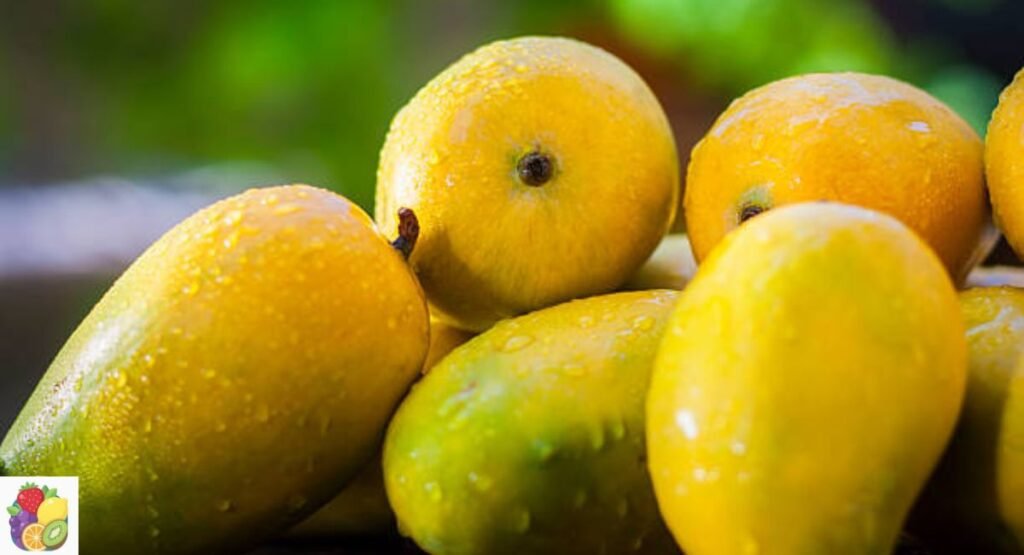
Mango is one of the best-known tropical fruits in the world. Its skin may be green, yellow, red, or a mix of colors. Inside, the flesh is usually golden and juicy. Ripe mangoes taste sweet, with a gentle tang and a rich aroma.
Several varieties appear in American supermarkets. Ataulfo mangoes are small and creamy, while Tommy Atkins mangoes have firm flesh and colorful skin. Mangoes provide vitamin C, fiber, and natural sugars. Enjoy them fresh, blend them into smoothies, or add diced mango to salsa, yogurt, and fruit salads.
2. Mandarin
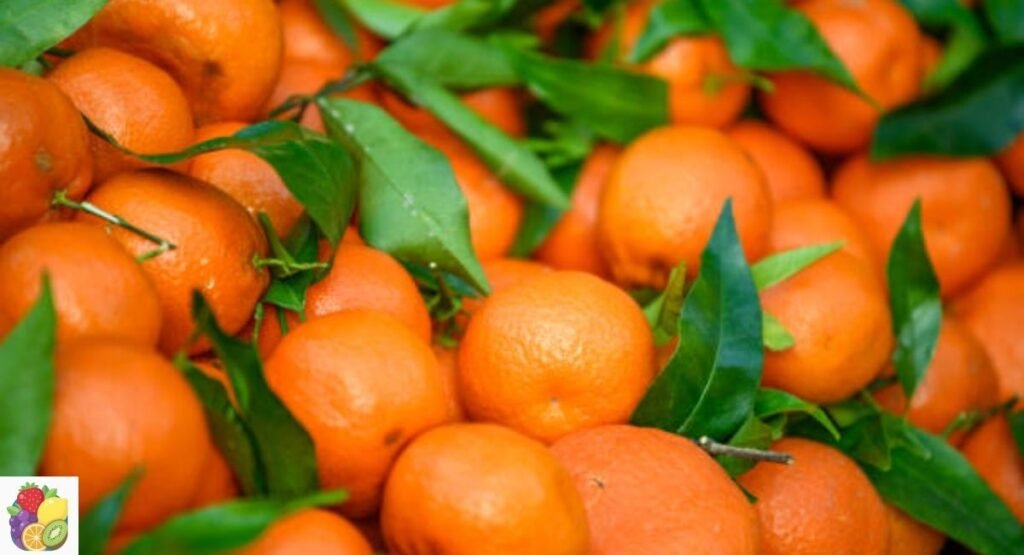
Mandarins are small citrus fruits with loose, easy-to-peel skin. Their segments usually taste sweet, although some varieties have a sharper tang. They make convenient snacks because you can separate the segments without a knife. Their bright color also adds freshness to winter fruit bowls.
Mandarins belong to the citrus group and differ from many common oranges in size, peel, and flavor. Clementines and tangerines are closely related types or groups commonly sold alongside mandarins. These citrus fruit varieties provide vitamin C and work well in salads, desserts, and homemade juice.
3. Melon
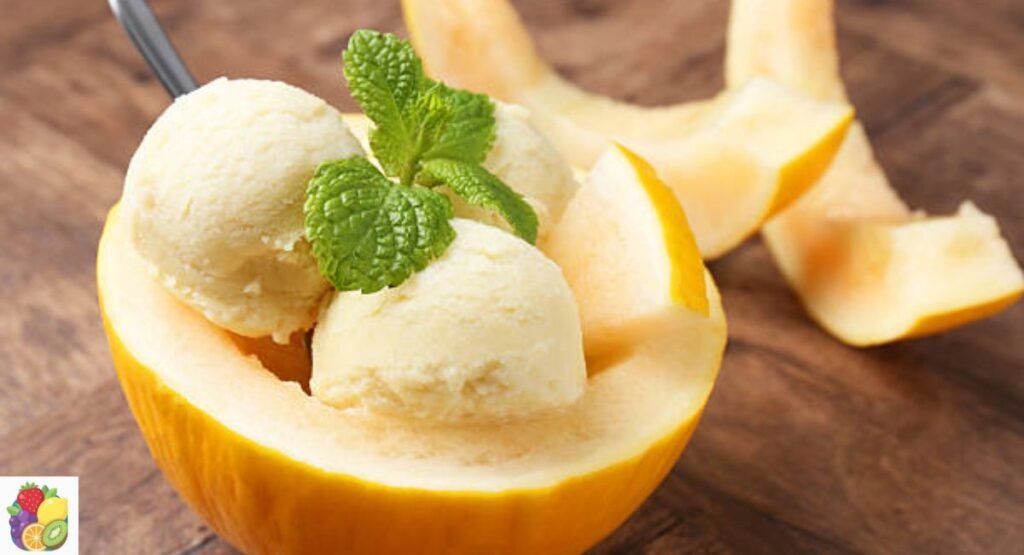
Melon is a broad fruit category that includes several familiar types. Cantaloupe, honeydew, and watermelon differ in appearance, sweetness, and texture. Some have orange flesh, while others have pale green or bright red flesh. Most offer plenty of water, making them refreshing choices during warm weather.
When selecting a whole melon, consider its weight, skin, and natural aroma. A ripe cantaloupe often smells sweet near the stem end. However, not every melon follows the same ripeness signs. Serve melon chilled, combine it with berries, or add small pieces to a summer salad.
4. Mulberry
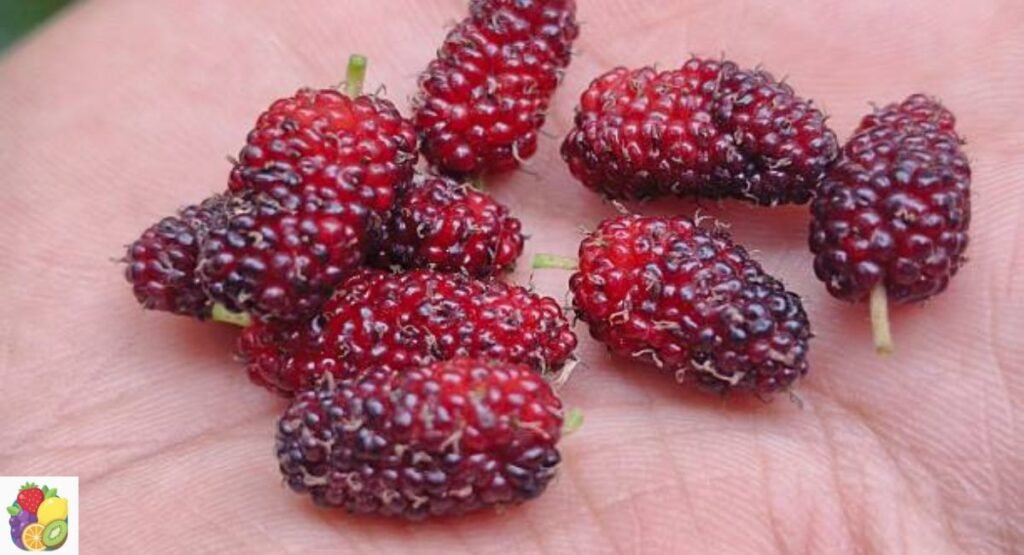
Mulberries grow on trees and may appear white, red, or deep purple when ripe. Their shape resembles an elongated blackberry, although their flavor and texture vary by type. Black mulberries often taste rich and sweet-tart. Fresh berries are soft, so handle them gently to prevent crushing.
These wild berries and cultivated fruits can be eaten fresh or dried. They also work well in jams, pies, sauces, and smoothies. Mulberries provide fiber and several vitamins, although their exact nutritional content depends on the variety. In the United States, fresh mulberries may be harder to find than common strawberries or blueberries.
5. Muskmelon
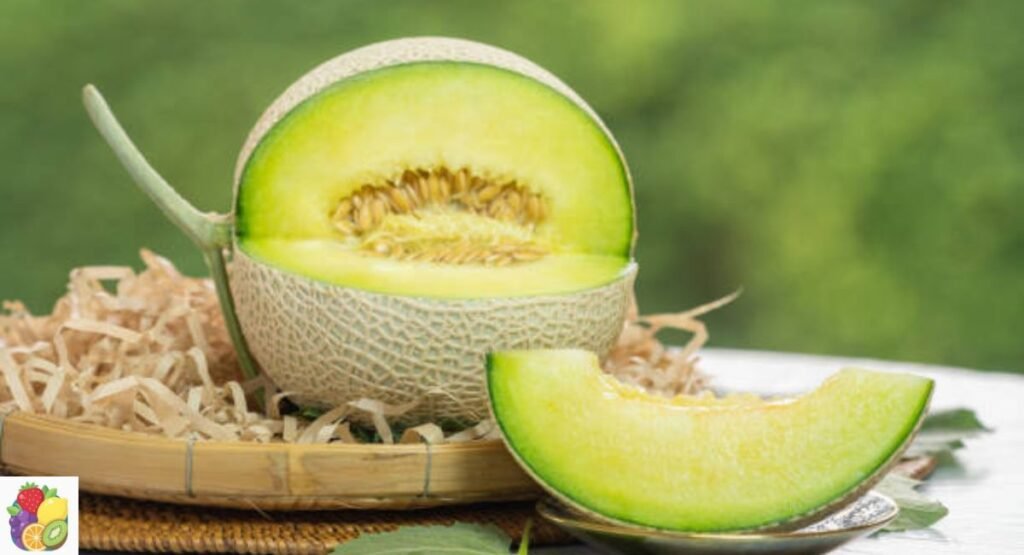
Muskmelon is known for its sweet aroma and tender flesh. In American grocery stores, the name often refers to cantaloupe or related varieties. Its flesh may be orange or pale, depending on the type. The flavor is usually mild, sweet, and refreshing.
Muskmelon contains water, vitamin C, and other nutrients that contribute to a balanced diet. Choose a fruit that feels heavy for its size and has no deep soft spots. Cut it into cubes for breakfast, blend it into a smoothie, or serve chilled slices as a simple afternoon snack.
6. Mangosteen
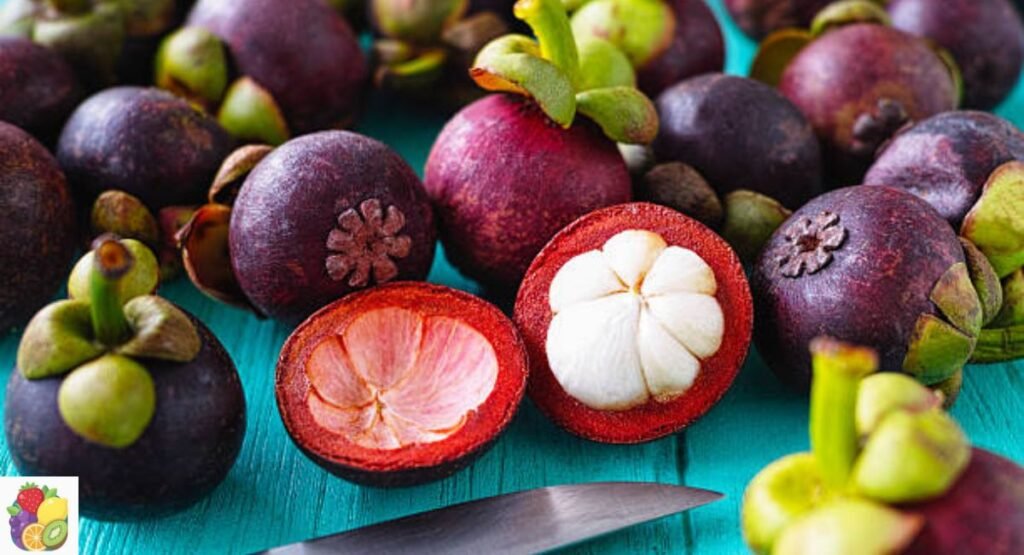
Mangosteen has thick purple skin and soft white segments inside. Despite its name, it is not the same fruit as a mango. Its delicate flavor combines sweetness with a light tang. The flesh is juicy and tender, making it appealing to people who enjoy unfamiliar exotic fruit names.
This tropical fruit is associated with Southeast Asia, where warm, humid conditions support its growth. Fresh mangosteen is sometimes available at Asian grocery stores and specialty markets in the United States. You can eat the white flesh directly or add it to fruit salads and desserts. Avoid biting into the thick rind.
7. Mamey Sapote
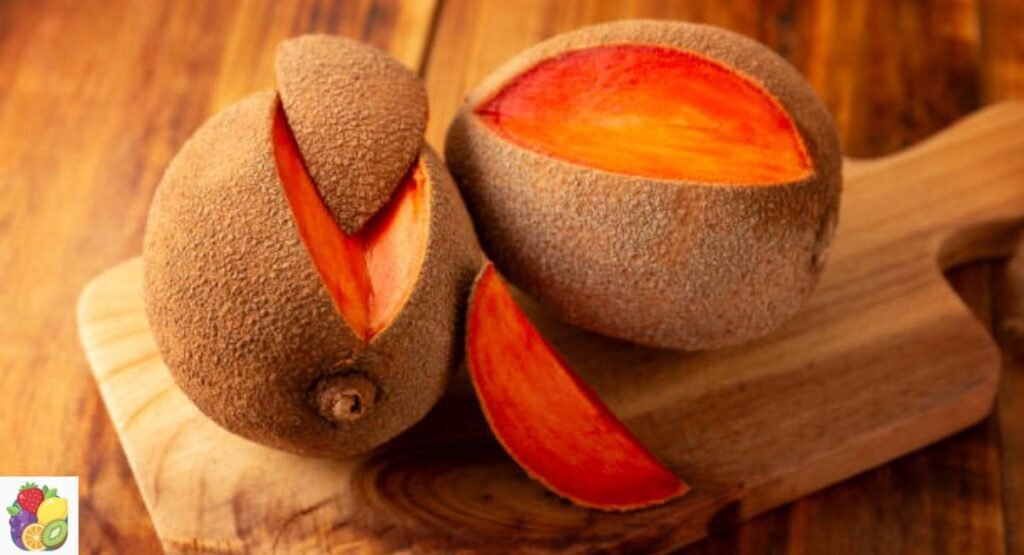
Mamey sapote is a tropical fruit with rough brown skin and soft reddish-orange flesh. Its texture is creamy, almost like a thick pudding when fully ripe. The flavor is often compared with sweet potato, pumpkin, almond, or vanilla. However, individual fruits can taste different depending on ripeness and variety.
Mamey sapote is popular in parts of the Caribbean and Latin America. In the United States, shoppers may find it in markets serving these communities. Its rich flesh works particularly well in milkshakes, smoothies, ice cream, and desserts. The fruit also provides fiber and several nutrients, making it an interesting alternative to familiar smoothie ingredients.
8. Maracuya (Passion Fruit)
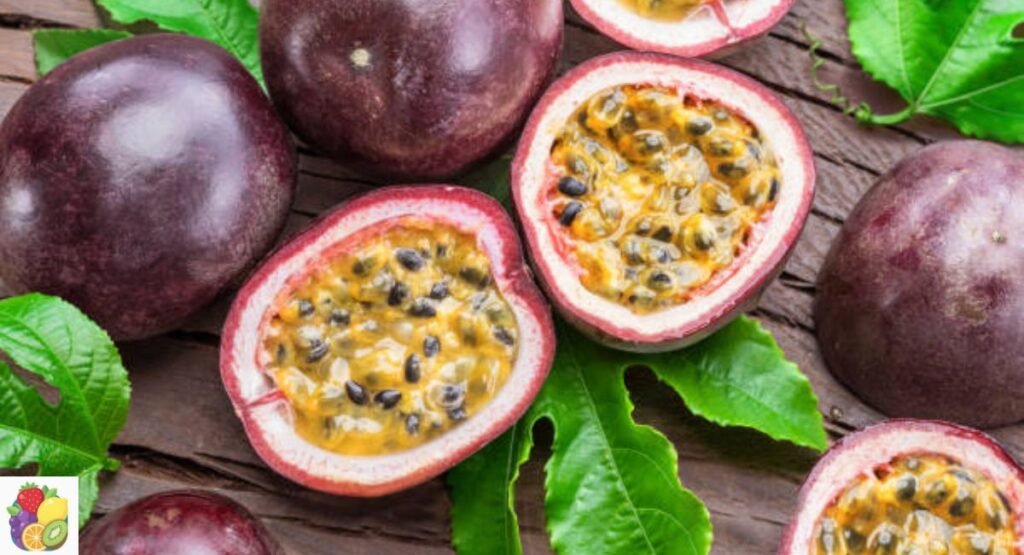
Maracuya is a Spanish name for passion fruit. Its round or oval shell may be purple or yellow, depending on the variety. Inside, a fragrant pulp surrounds many small, crunchy seeds. The flavor is sweet-tart and aromatic, so even a little pulp can add strong character to a recipe.
Passion fruit grows in warm regions and features in many Latin American drinks and desserts. Scoop out the pulp and stir it into yogurt, or strain it for juice. It also makes a lively topping for cheesecake, ice cream, and fruit bowls. Its intense acidity pairs especially well with sweeter ingredients.
9. Miracle Fruit
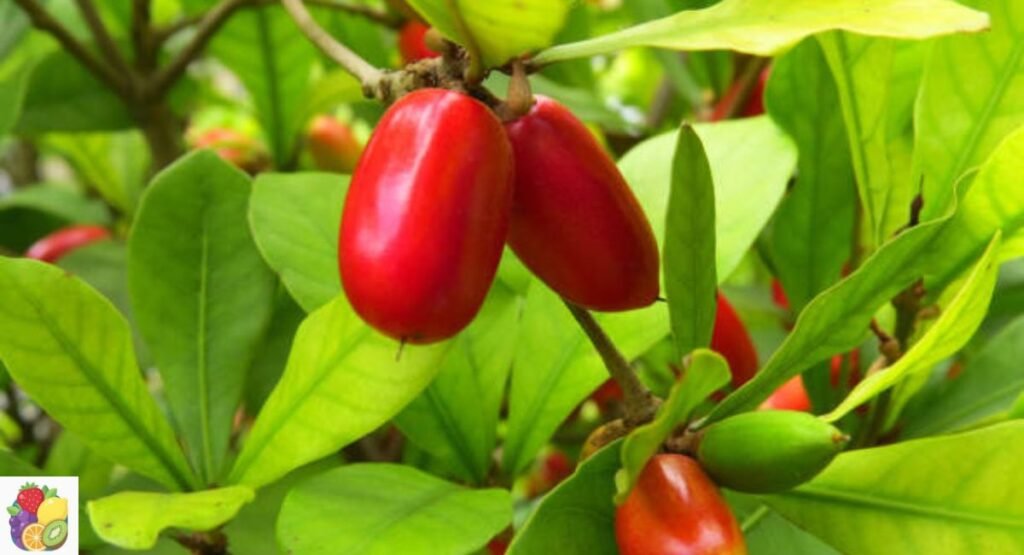
Miracle fruit is a small red berry native to West Africa. Its unusual reputation comes from a natural protein called miraculin. After a person eats the fruit, miraculin can temporarily change how the tongue perceives sour foods. A lemon may therefore taste surprisingly sweet for a short period.
People sometimes use miracle fruit during tasting activities or food experiments. However, it does not remove the acid from lemons or other sour foods. It changes the perception of flavor rather than transforming the food itself. This makes miracle fruit one of the most unusual entries among rare fruit varieties beginning with M.
10. Medlar
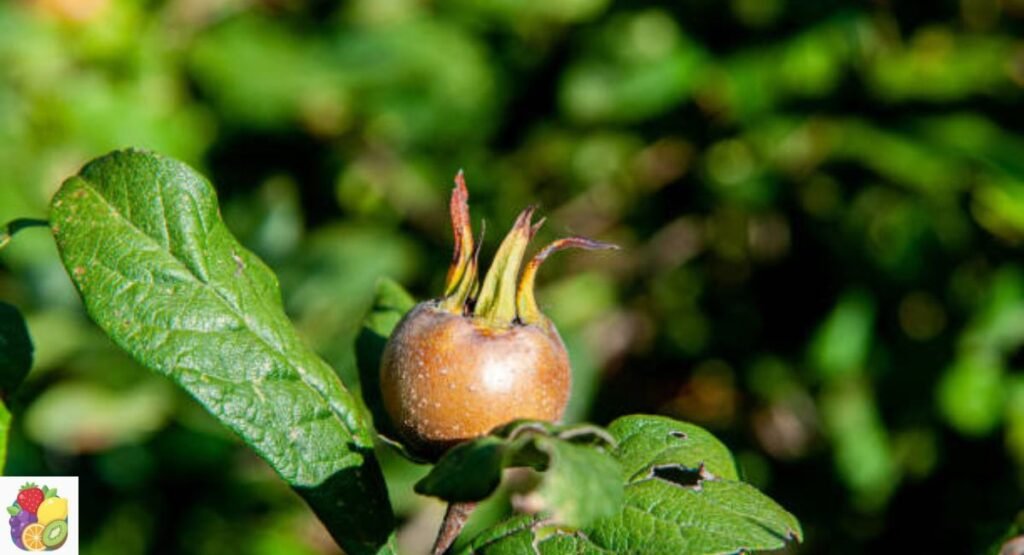
Medlar is a lesser-known fruit with a brownish skin and an unusual blossom-end shape. It has a long history in European food traditions. Unlike many familiar fruits, medlar is generally not eaten while firm. Traditionally, it undergoes a softening process called bletting after harvest.
During bletting, the flesh becomes soft and develops a sweeter, more complex flavor. Some people describe the taste as apple-like, with notes of spice or dried fruit. Once properly softened, medlar can be used in preserves, fruit pastes, and desserts. Its unusual ripening process makes it particularly interesting to curious food lovers.
11. Maqui Berry
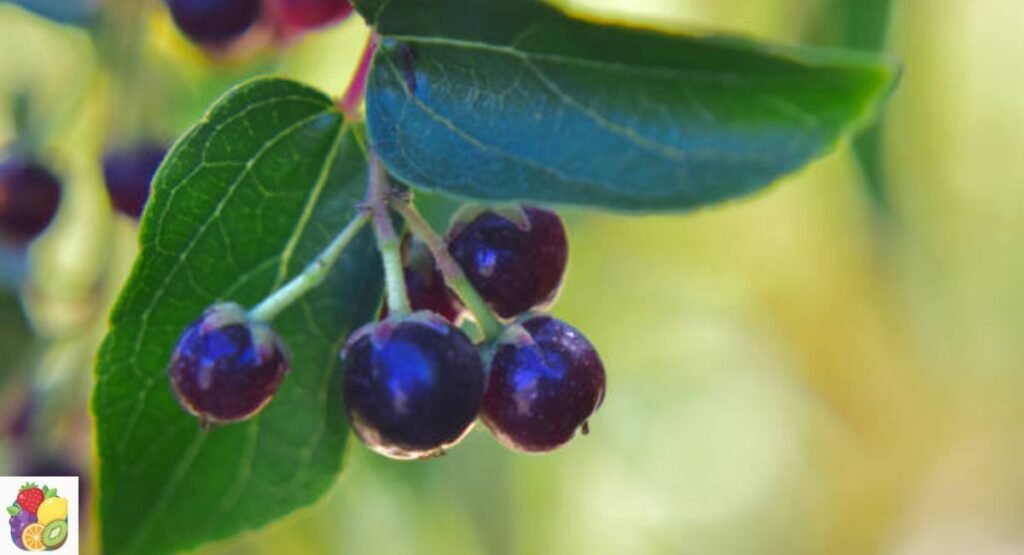
Maqui berry is a small, dark purple fruit associated with southern Chile and parts of Argentina. Its deep color comes from natural plant pigments called anthocyanins. The berries have a tart flavor, although sweetness varies with ripeness. Fresh fruit is less common in American supermarkets than processed maqui products.
You may encounter maqui in powders, juices, and blended food products. The berries contain plant compounds that researchers continue to study. However, claims that maqui prevents or treats diseases need strong scientific evidence. If you buy maqui powder, check the ingredient label and choose products with clear sourcing information.
12. Marionberry
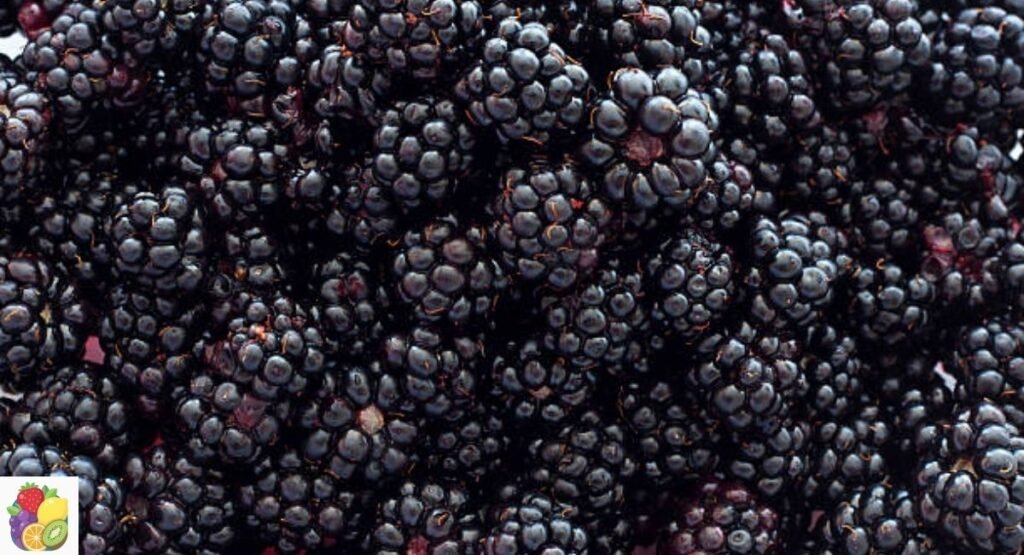
Marionberry is a cultivated blackberry variety developed in Oregon. It is known for its deep color, juicy flesh, and rich sweet-tart flavor. Although people sometimes group it with unusual berries, marionberry is a blackberry cultivar rather than a separate botanical species. Its name reflects its connection to Marion County, Oregon.
The fruit is especially popular in regional pies, jams, cobblers, and sauces. Its rich flavor also works well in frozen desserts and baked goods. Fresh marionberries can be seasonal, but frozen fruit and prepared products may be easier to find. If you enjoy blackberries, marionberries offer a flavorful variation worth trying.
13. Mayhaw
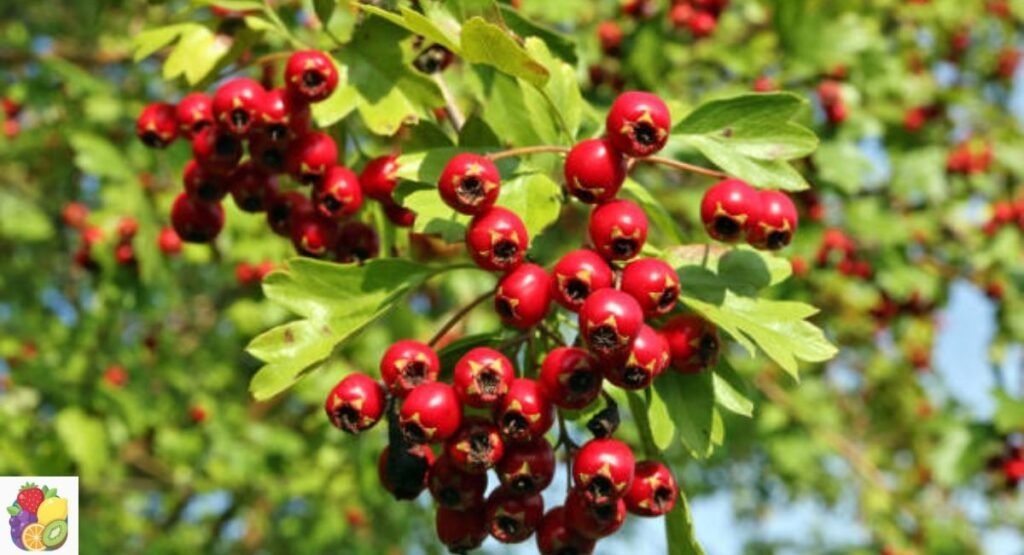
Mayhaw is a small fruit produced by certain hawthorn species. It grows in parts of the southeastern United States and is associated with traditional Southern food. The fruit can be red, yellow, or another shade at maturity. Its flavor is usually tart, with juicy flesh that suits cooking and preserving.
Mayhaw has a long-standing place in regional jelly-making traditions. Cooks simmer the fruit to extract its juice, then combine the strained liquid with sugar and other ingredients. The result is a flavorful preserve often served with toast or biscuits. Mayhaw is less common in ordinary grocery stores, but local markets and specialty producers may offer it.
14. Mountain Apple
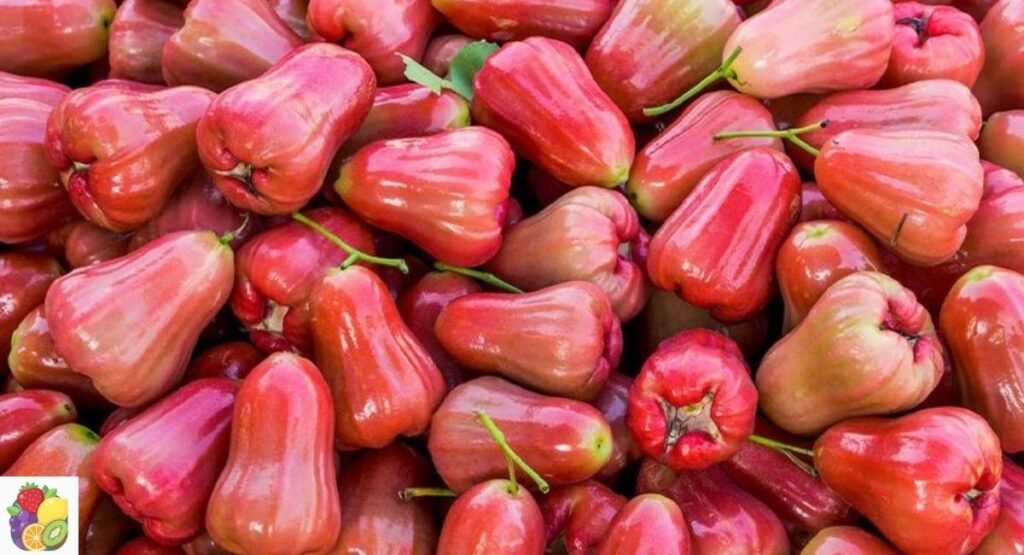
Mountain apple is a tropical fruit associated with places such as Hawaii and other Pacific regions. It often has shiny red or pink skin and a bell-like shape. The flesh is usually pale and juicy, with a mild sweetness. Its texture can range from crisp to softer, depending on the fruit.
Mountain apple is also known by regional names, including Malay apple in some contexts. However, common names can overlap across related tropical fruits. People often eat mountain apple fresh or add it to fruit salads. Its delicate flavor also suits light sauces and simple dishes that do not overpower the fruit.
15. Mundu Fruit
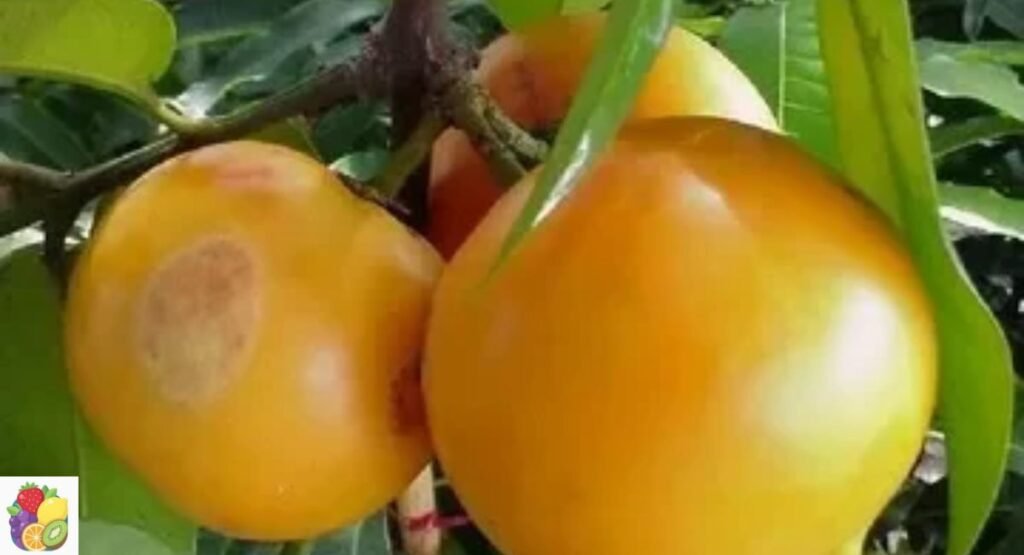
Mundu fruit is a small tropical fruit found in parts of Southeast Asia. It grows on evergreen trees and usually has a round shape with yellowish skin when ripe. The flesh is soft and juicy, with a sweet flavor that can vary by variety. Although it is not widely available in American supermarkets, it is an interesting choice for readers exploring lesser-known fruits.
The fruit can be eaten fresh when fully ripe. Its small size makes it easy to enjoy as a snack, while its unusual name makes it a useful addition to a list of rare tropical fruits. Availability depends on the region and growing season.
16. Monstera Deliciosa Fruit
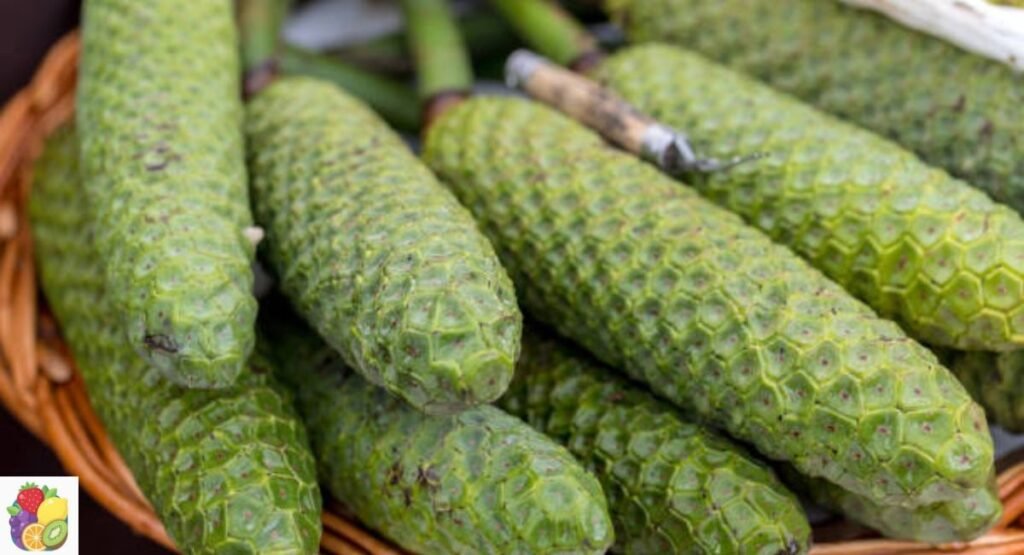
Monstera deliciosa is best known as a houseplant with large, split leaves. However, mature plants can produce a distinctive fruit covered with green, scale-like segments. When properly ripe, the edible flesh is often described as a blend of pineapple and banana flavors. The fruit ripens gradually rather than all at once.
Important safety note: Never eat unripe monstera fruit. Its unripe sections contain needle-like calcium oxalate crystals that can irritate the mouth and throat. Only the portions that have naturally ripened and released their covering should be considered edible. For guidance on its ripening process, see the University of Florida’s Monstera deliciosa guide.
17. Monkey Orange
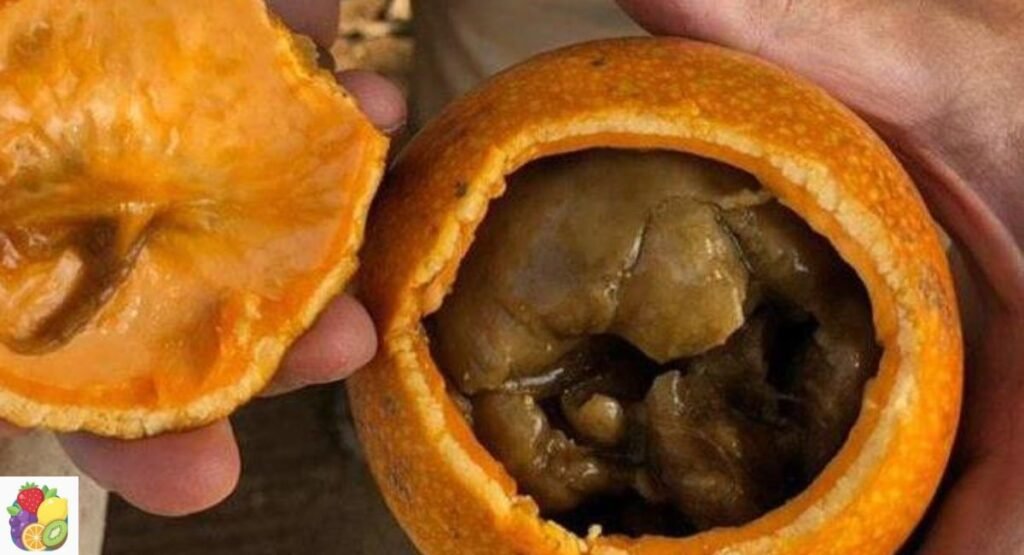
Monkey orange is a common name used for fruits from certain African species of the genus Strychnos. These fruits may have a thick, hard shell surrounding edible pulp. Their appearance, flavor, and edibility vary between species, so the common name alone does not provide enough information to identify a safe fruit.
In regions where suitable species grow naturally, local communities may use the fruit as food. However, not every plant with a similar name has the same properties. Never eat an unidentified wild fruit based only on its appearance or a broad common name. Reliable species identification is essential.
18. Manila Tamarind
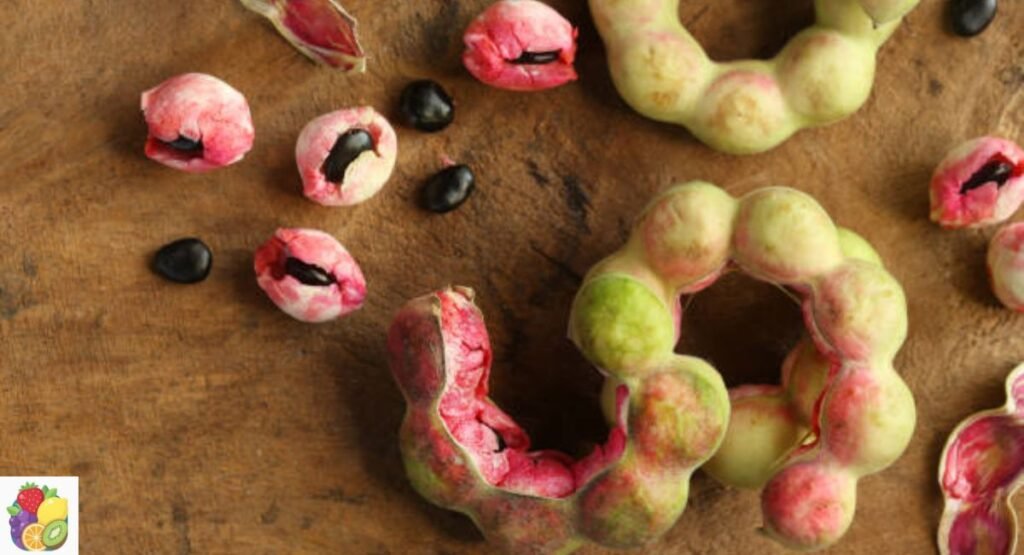
Manila tamarind grows in twisted pods containing dark seeds surrounded by edible pulp. Despite its common name, it is not the same species as the familiar tamarind used in many sauces. The pulp is often sweet and tangy, making it enjoyable as a fresh snack when the fruit is ripe.
The tree grows in tropical and subtropical regions and is known by several regional names. In parts of Mexico, the fruit is called guamúchil, while jungle jalebi is another name used in South Asia. The pulp can be eaten fresh or used in traditional regional preparations. Its sweet-and-sour taste makes it stand out among tropical fruit choices.
19. Meyer Lemon
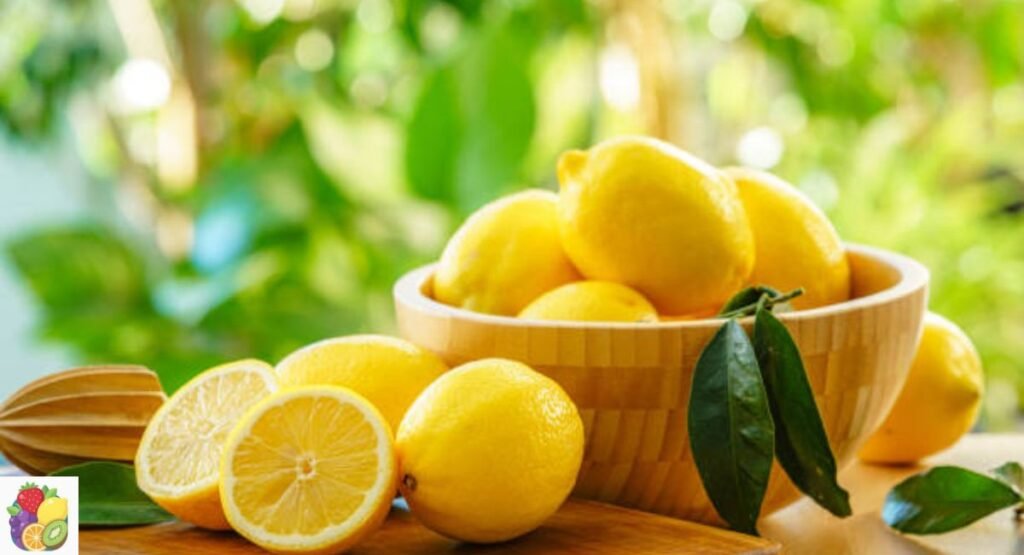
Meyer lemon is a fragrant citrus fruit with thin skin and a yellow-orange color when ripe. It generally tastes sweeter and less sharply acidic than many standard lemons. Its aroma is also distinctive, making it popular among home cooks who enjoy fresh citrus zest.
Meyer lemons are widely used in baking, sauces, salad dressings, marmalade, and beverages. They are believed to come from a cross involving lemon and mandarin-related citrus. The fruit was introduced to the United States from China in the early twentieth century.
20. Mexican Lime
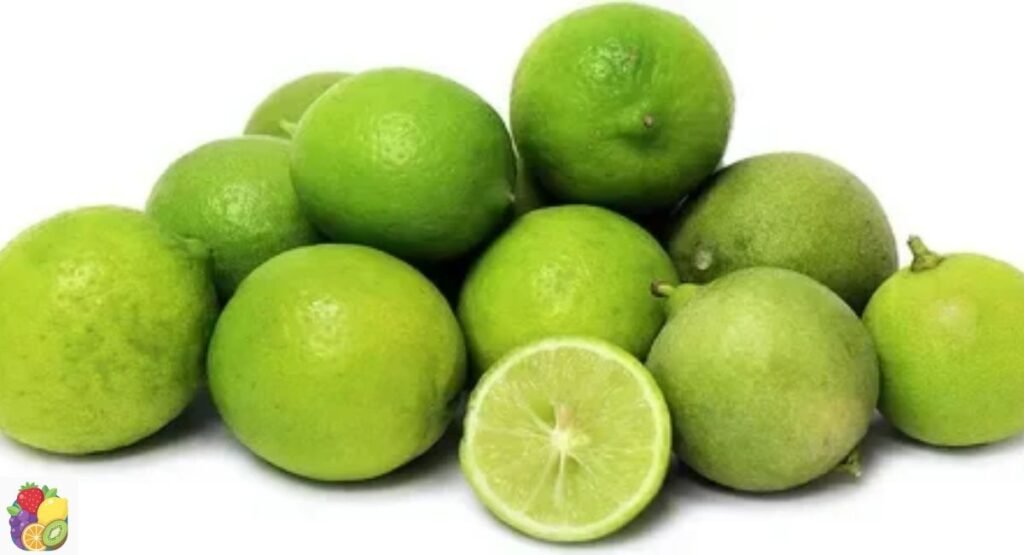
Mexican lime is a small citrus fruit with aromatic juice and a sharp, tangy flavor. It is often sold green, although ripe fruit may turn yellow. The peel is thin, and the juice adds a bright flavor to drinks, marinades, sauces, and many traditional dishes.
Mexican lime is also commonly called Key lime or West Indian lime in the United States. It is generally smaller than a Persian lime, which is the larger green lime frequently found in supermarkets. Use Mexican lime juice in limeade, salsa, seafood dishes, and desserts when you want a strong citrus taste.
Fruits That Start With M by Category
Grouping fruits by type makes it easier to compare their flavors and uses. Some are everyday favorites, while others are seasonal specialties or tropical discoveries. These categories also help you choose fruits based on availability, taste, and cooking needs.
However, categories can overlap. A fruit may be tropical and exotic, while a citrus fruit can also be grown in warm climates. The following sections highlight the main groups and explain what makes each one distinctive.
Common Fruits That Start With M
Mangoes, mandarins, melons, mulberries, and muskmelons are familiar examples. Mangoes and mandarins are widely sold in American supermarkets, while melon varieties appear throughout the year. Fresh mulberries can be harder to find, depending on the region and season.
These popular fruits beginning with M suit many everyday meals. You can add mango to yogurt, serve mandarins as snacks, or prepare melon for breakfast. Mulberries make flavorful toppings for oatmeal and desserts. Availability varies, so frozen fruit can be a useful alternative when fresh options are limited.
Exotic Fruits That Start With M
Mangosteen, mamey sapote, miracle fruit, monkey orange, and monstera deliciosa fruit offer less familiar flavors and textures. Some are common in their native regions but remain specialty products in the United States. Others require careful identification or specific ripeness conditions before consumption.
These exotic fruit varieties can introduce you to new food traditions. Mangosteen has delicate white segments, while mamey sapote offers creamy flesh. Miracle fruit changes sour flavor perception, and monstera fruit requires special care. Always confirm a fruit’s identity and preparation requirements before tasting unfamiliar produce.
Citrus Fruits That Start With M
Mandarin, Meyer lemon, and Mexican lime are three notable citrus fruits beginning with M. Although they share the fresh aroma associated with citrus, their flavors differ considerably. Mandarins are usually sweet, Meyer lemons are milder than standard lemons, and Mexican limes have a sharper tang.
These citrus fruit varieties are useful in different recipes. Mandarins add sweetness to salads, Meyer lemons work well in baking, and Mexican limes brighten savory dishes. Their juice and peel can both contribute flavor, although you should wash citrus thoroughly before using its zest.
Fruits That Start With M in Arabic
Arabic fruit names are useful for readers learning food vocabulary or comparing names across languages. Some names sound similar to their English equivalents, while others are quite different. Arabic words can also vary by country and local dialect.
The following table provides commonly used Arabic names. These translations are intended as general vocabulary rather than a complete guide to regional pronunciation or dialect differences.
Arabic Names of Fruits That Start With M
| English fruit name | Arabic name |
| Mango | مانجو |
| Mandarin | يوسفي |
| Melon | شمام |
| Mulberry | توت |
| Mangosteen | مانغوستين |
Notice that these fruits do not necessarily begin with the same letter in Arabic and English. For example, the Arabic word for melon begins with a different letter from its English name. This makes translation tables useful for language learners and readers exploring international food terms.
Fruits That Start With M in Spanish
| English fruit name | Spanish name |
| Mango | Mango |
| Mandarin | Mandarina |
| Melon | Melón |
| Blackberry | Mora |
| Passion fruit | Maracuyá |
The phrase fruits that start with M in Spanish refers to fruits whose Spanish names begin with M. Mango, mandarina, melón, and maracuyá meet this requirement. Mora also begins with M, although its precise meaning can vary by region and the berry being described.
Fruits and Vegetables That Start With M
Foods beginning with M include both fruits and vegetables. The difference can be confusing because botanical definitions do not always match everyday cooking terms. For example, a botanical fruit develops from a flower’s ovary, while cooks often classify foods by their flavor and culinary use.
Mango and melon are familiar fruits, while moringa pods, mustard greens, mushrooms, and Malabar spinach are commonly treated as vegetables or savory foods. Moringa pods develop from flowers and are botanical fruits, even though people generally cook them as vegetables. Mushrooms, meanwhile, are fungi rather than plants.
Mandarin vs. Meyer Lemon vs. Mexican Lime
| Feature | Mandarin | Meyer lemon | Mexican lime |
| Appearance | Small, orange skin | Yellow-orange, thin skin | Small, usually green skin |
| Flavor | Sweet and mildly tangy | Mildly sweet and tart | Sharp and tangy |
| Acidity | Usually moderate | Lower than many standard lemons | Usually high |
| Common uses | Snacks, salads, juice | Baking, dressings, drinks | Marinades, limeade, desserts |
For everyday cooking, choose mandarins when you want sweetness and easy-to-separate segments. Meyer lemons are useful when standard lemons taste too sharp for a recipe. Mexican limes work well when a dish needs a strong, fresh citrus note.
How to Choose and Eat Fruits That Start With M
Choosing ripe fruit improves its flavor and texture. However, no single test works for every variety. Aroma, firmness, skin color, and weight can provide clues, but their importance changes between fruits. Learning a few fruit-specific signs helps you avoid produce that is underripe, damaged, or past its best.
Storage matters, too. Some fruits ripen at room temperature, while others benefit from refrigeration once ripe. Berries usually need gentle handling, and cut melon should be refrigerated promptly. For unusual fruits, follow reliable preparation advice rather than assuming that every fruit is safe to eat raw.
How to Select Ripe Fruits
A ripe mango often gives slightly when pressed and develops a noticeable aroma, although skin color varies by variety. A ripe melon should feel substantial for its size, while mandarins should feel firm and relatively heavy. Avoid fruit with extensive mold, leaking juice, or deep damaged areas.
For medlar, softness after bletting is important. Monstera deliciosa requires particular caution because unripe sections can cause painful irritation. The University of Florida’s fruit-ripening guidance explains why only properly ripened portions should be eaten.
How to Store Fresh Fruits
Store cut fruit in clean, covered containers in the refrigerator. Keep berries dry until you are ready to eat them, and remove damaged pieces promptly. Whole citrus fruits can often stay at room temperature for a short period, but refrigeration may extend their freshness.
Follow fruit-specific guidance because storage needs vary. Some tropical fruits lose quality when chilled too early, while others benefit from refrigeration once ripe. When buying unfamiliar produce, ask the seller about ripeness, ideal storage conditions, and how quickly the fruit should be eaten.
Easy Ways to Eat and Use These Fruits
Mangoes and mamey sapote make creamy smoothie ingredients, while mandarins and melon work well in fresh fruit bowls. Mulberries and marionberries add color to oatmeal, pies, and yogurt. For a more adventurous snack, try fresh mangosteen or passion fruit when available.
Citrus fruits bring a different kind of flavor. Meyer lemon zest can brighten cakes, and Mexican lime juice adds freshness to marinades and sauces. Mayhaw makes flavorful preserves, while Manila tamarind offers sweet pulp for fresh eating. Choose preparations that suit each fruit’s texture and acidity.
Conclusion
The world of fruits beginning with M extends far beyond mangoes and mandarins. It includes juicy melons, flavorful berries, fragrant citrus varieties, and tropical fruits with distinctive textures. Some are everyday grocery-store choices, while others offer a chance to explore unfamiliar food traditions.
Whether you want to expand your vocabulary, discover new ingredients, or plan your next fruit salad, this list offers a useful starting point. Fruits That Start With M show just how much variety a single letter can hold. Start with a familiar favorite, then try something new when you find it at a local market.
FAQs
What Are the Most Common Fruits That Start With M?
Mangoes, mandarins, melons, mulberries, and muskmelons are familiar examples. Mangoes, mandarins, and melons are generally easier to find in American supermarkets.
What Are Some Exotic Fruits That Start With M?
Mangosteen, mamey sapote, miracle fruit, and monstera deliciosa fruit are unusual choices. Some require specialty markets or careful preparation before eating.
What Citrus Fruit Starts With M?
Mandarin, Meyer lemon, and Mexican lime are three examples. They differ in sweetness, acidity, aroma, and typical culinary uses.
What Fruit Starts With M in Spanish?
Mango, mandarina, melón, and maracuyá are Spanish fruit names beginning with M. Regional vocabulary can vary, especially for berries and lesser-known fruits.
Are There Berries That Start With M?
Yes. Mulberries, maqui berries, and marionberries are examples. Marionberry is a cultivated blackberry variety rather than a separate botanical species.

Welcome to Fruitloria.com! I’m Anam Sattar, an AI-powered SEO Specialist and Content Writer with over 4 years of experience in creating high-quality, search-optimized content. I help businesses improve their search engine rankings, increase organic traffic, and build beautiful, user-friendly websites. My mission is to make SEO, content creation, and web design simple, effective, and accessible for everyone. Let’s grow your online presence and achieve success together!
1 thought on “20 Fruits That Start With M: Common, Exotic, Citrus Fruits, and Spanish Names”