


Looking for Fruits That Start With L? There are many delicious options to discover, from everyday favorites to rare tropical varieties. Lemons and limes add a refreshing citrus flavor to drinks and meals, while lychee and longan offer sweet, juicy bites. You can also explore unique fruits like lucuma, lulo, and loquat, each with its own taste and texture.
These fruit names, tropical fruits, and exotic fruits are perfect for school projects, word games, or expanding your food knowledge. Whether you want familiar choices or unusual discoveries, this list of 20 fruits that begin with L will help you find interesting options from around the world.
20 Fruits That Start With L
The table below gives you a quick overview of 20 fruit names beginning with L. Some are common worldwide while others are regional fruits with distinctive flavors.
| No. | Fruit Name | General Type |
| 1 | Lemon | Citrus fruit |
| 2 | Lime | Citrus fruit |
| 3 | Lychee | Tropical fruit |
| 4 | Longan | Tropical fruit |
| 5 | Loquat | Orchard fruit |
| 6 | Loganberry | Hybrid berry |
| 7 | Lingonberry | Small red berry |
| 8 | Lucuma | Tropical fruit |
| 9 | Langsat | Tropical fruit |
| 10 | Lanzones | Tropical fruit name |
| 11 | Lulo | Tropical fruit |
| 12 | Lakoocha | Asian tropical fruit |
| 13 | Lady Finger Banana | Banana variety |
| 14 | Lemon Aspen | Australian native fruit |
| 15 | Lemonade Berry | California native fruit |
| 16 | Lilly Pilly | Australian native fruit |
| 17 | Lapsi | South Asian fruit |
| 18 | Malay Apple | Tropical fruit |
| 19 | Governor’s Plum (Lovi-Lovi) | Tropical fruit |
| 20 | Louro Fruit | Uncommon name requiring verification |
Note: Some common names overlap. Langsat and lanzones generally refer to the same fruit, while names such as lady finger banana and lilly pilly can refer to different varieties or related species. Louro fruit is an uncommon name, so its exact identity should be confirmed before using it in a botanical reference.
Fruits That Start With L and Their Names
Fruits beginning with L come in different shapes, colors, and sizes. Lemons and limes are citrus fruits with a sharp, refreshing taste. Lychees and longans have sweet flesh, while lingonberries offer a tart flavor that works well in sauces and preserves.
Other fruits on this list are less familiar. Lucuma has sweet, dry flesh often used in desserts, while lulo is known for its tangy juice. Learning these names makes it easier to recognize fruits from different regions and cultures.
1. Lemon
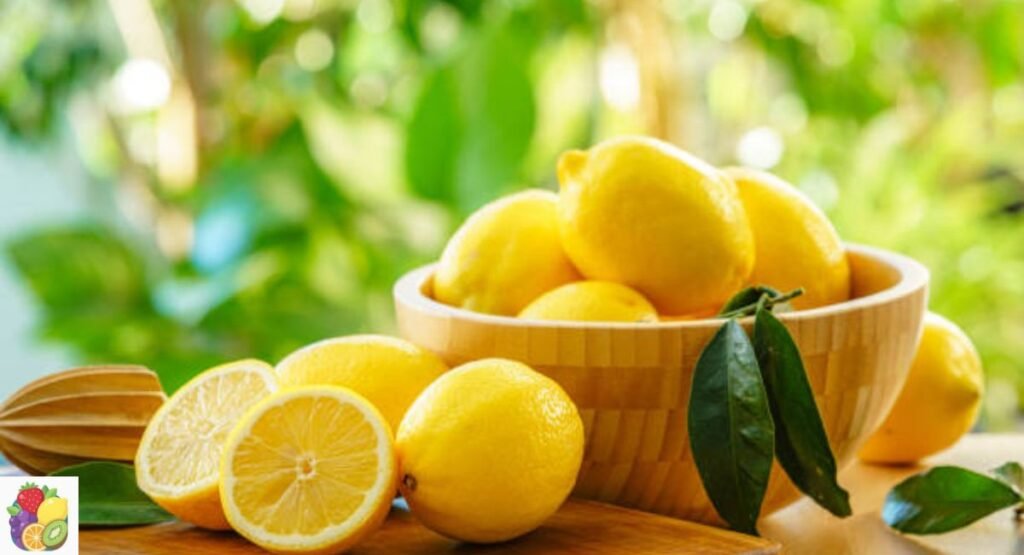
The lemon is one of the most recognizable citrus fruits in the world. It usually has bright yellow skin, juicy flesh, and a sharp, sour flavor. Lemons grow on evergreen citrus trees and are widely used in homes, restaurants, and food businesses.
People use lemons to make lemonade, flavor water, prepare salad dressings, and add freshness to fish and other dishes. Lemon zest also gives baked goods a fragrant citrus taste. In the United States, lemons are commonly available in supermarkets throughout the year, making them one of the easiest fruits to find on this list.
2. Lime
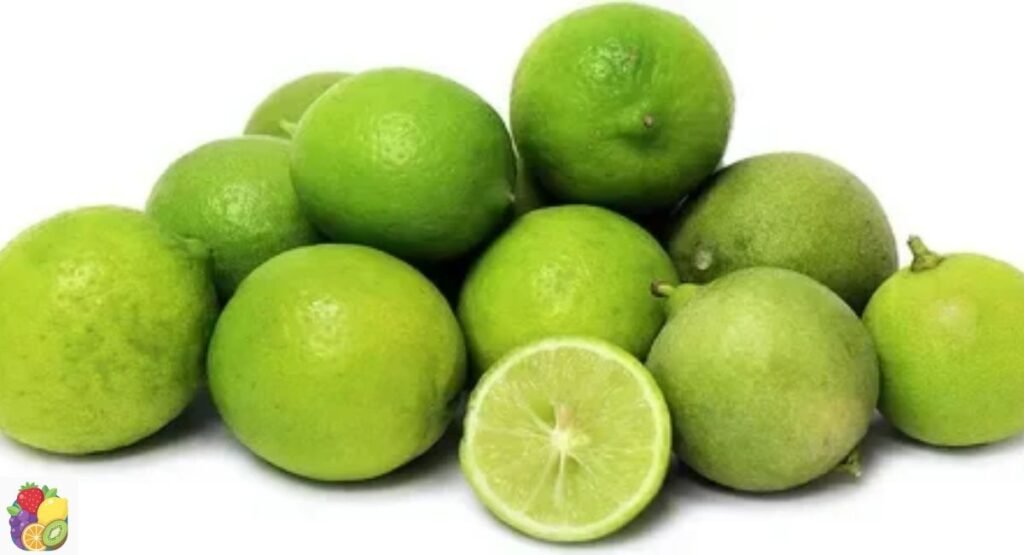
A lime is a small citrus fruit that is usually green when sold fresh. Its juice tastes sour and refreshing, although the exact flavor depends on the variety and ripeness. Limes are common ingredients in Mexican, Indian, Thai, and many other cuisines.
You can squeeze lime juice over tacos, add it to marinades, or mix it with water for a refreshing drink. Lime zest also works well in desserts and sauces. Lemons and limes are similar in their culinary uses, but limes often have a distinct aroma and flavor that makes them easy to recognize.
3. Lychee
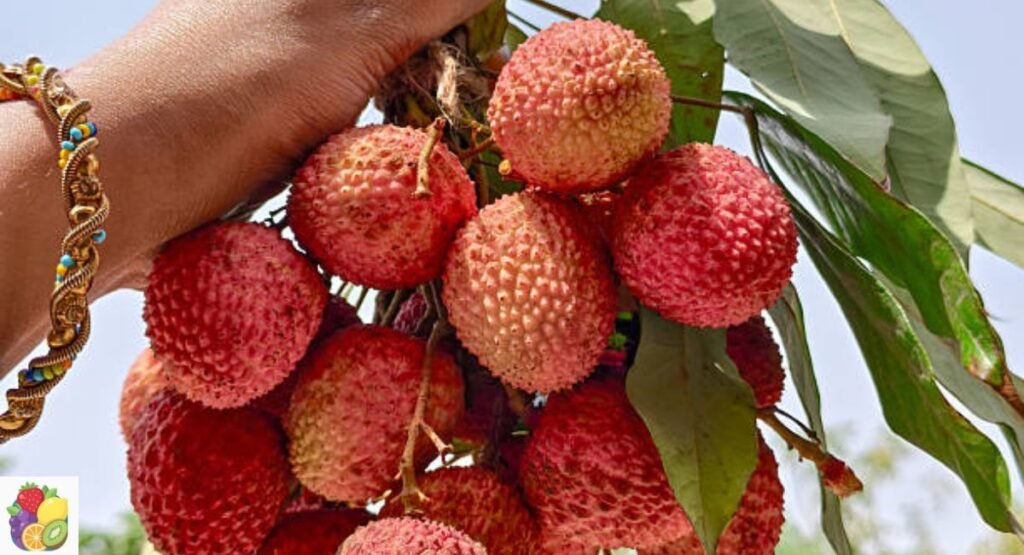
Lychee is a tropical fruit native to southern China and now grown in several warm regions. It has rough, reddish-pink skin and soft, translucent flesh surrounding a large brown seed. Its flavor is sweet and floral, making it popular as a fresh snack and dessert ingredient.
Lychees can be eaten fresh after removing the skin and seed. They are also used in fruit salads, juices, sorbets, and canned fruit products. Fresh lychees are seasonal in many markets, but canned versions are available in some grocery stores. Lychee is an excellent example of an exotic fruit that has become familiar to people around the world.
4. Longan
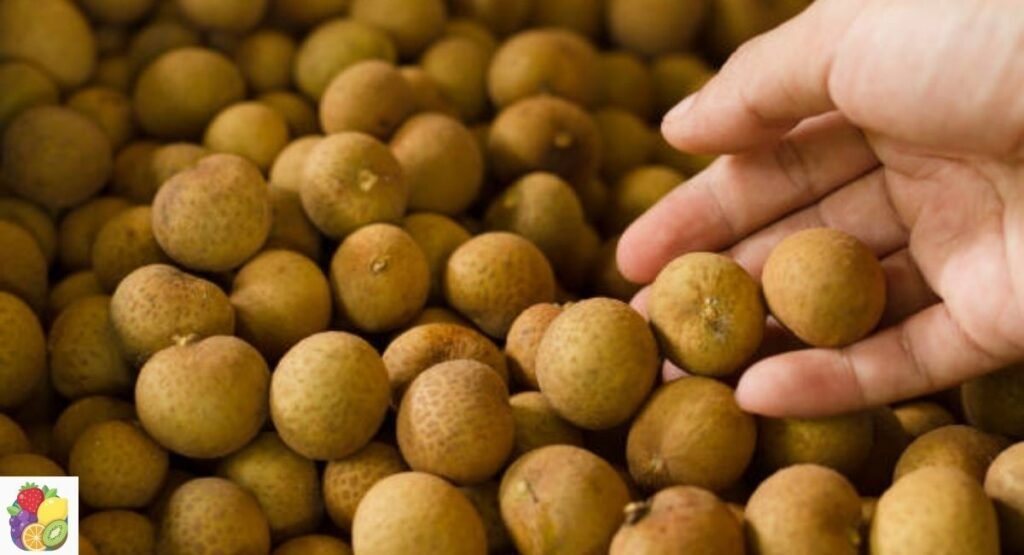
Longan is a tropical fruit related to lychee. It has thin, light-brown skin and translucent flesh around a dark seed. Because the seed shows through the flesh, the fruit is sometimes nicknamed the dragon’s eye.
Longan tastes sweet and mildly musky. People commonly eat it fresh or use it in Asian desserts, drinks, and sweet soups. The fruit grows in clusters on trees and is popular in parts of Southeast Asia. Although longan resembles lychee, its skin, aroma, and flavor are slightly different.
5. Loquat
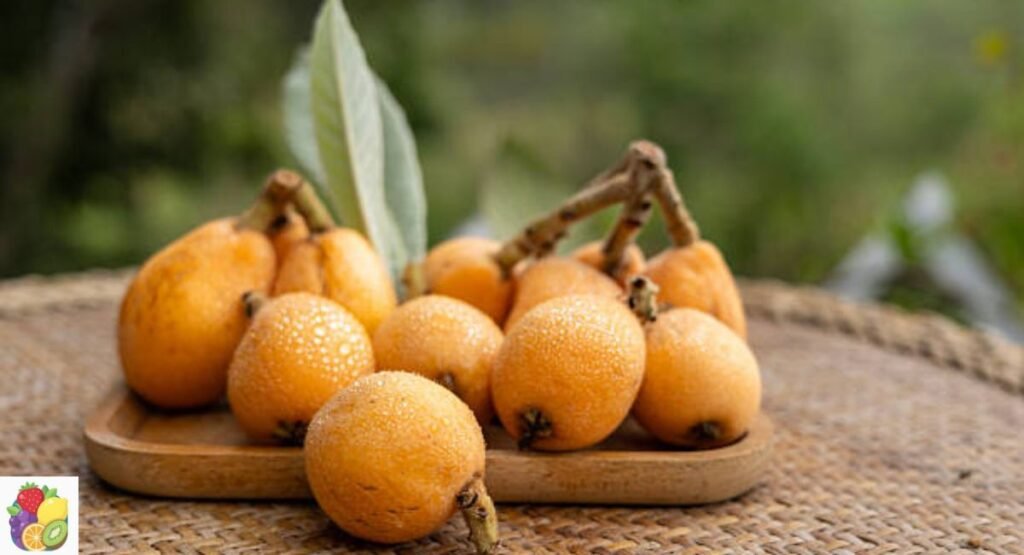
The loquat is a small, round or oval fruit that usually has golden-yellow or orange skin. Its flesh is soft and juicy with a flavor that can taste sweet, tangy, and slightly peach-like. The fruit grows on an evergreen tree and is cultivated in many subtropical areas.
Loquats can be eaten fresh once ripe. They are also used in jams, jellies, pies, and sauces. The fruit usually contains several large brown seeds that should be removed before eating the flesh. Loquats are not as common in every American supermarket as apples or oranges, but they may be available at specialty markets during their growing season.
6. Loganberry
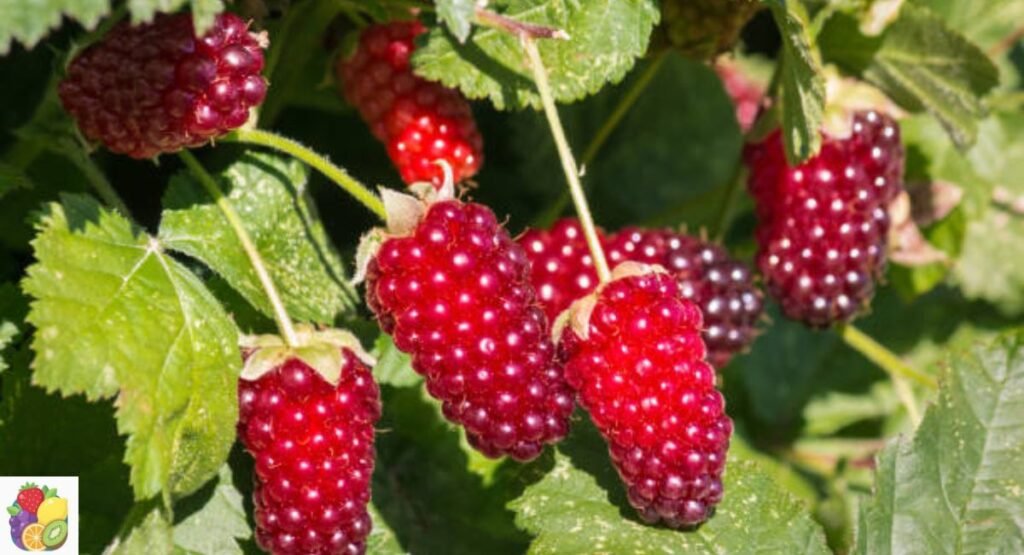
Loganberry is a hybrid berry developed from a blackberry and a raspberry. It is usually deep red to dark reddish-purple when ripe and has a juicy texture. Its flavor combines sweetness with a noticeable tartness.
Loganberries can be eaten fresh when available, but they are also useful in pies, jams, sauces, and fruit drinks. Their soft texture makes them suitable for cooking and preserving. Because they are less widely sold than strawberries or raspberries, you may find them more easily at farmers’ markets or specialty fruit sellers.
7. Lingonberry
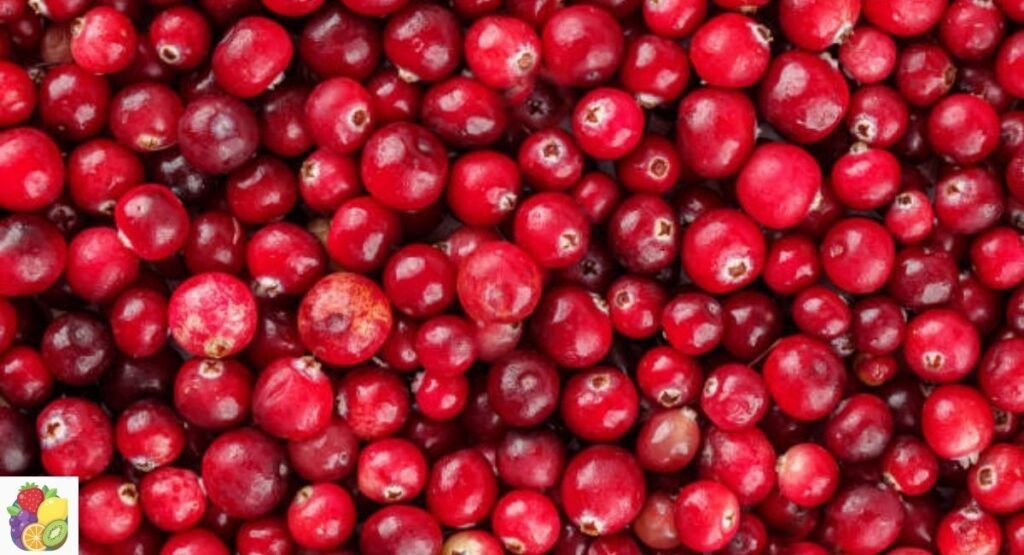
The lingonberry is a small, round, bright-red berry that grows on low evergreen shrubs. It is native to northern parts of Europe and Asia and is also found in other cool regions. The berries have a naturally tart taste, so people often cook them with sugar.
Lingonberries are commonly served as a sauce or preserve with savory meals. They can also be used in juices, desserts, and baked goods. Their bright color makes them easy to recognize, while their sharp flavor distinguishes them from sweeter berries. Lingonberries are especially associated with Nordic cooking.
8. Lucuma
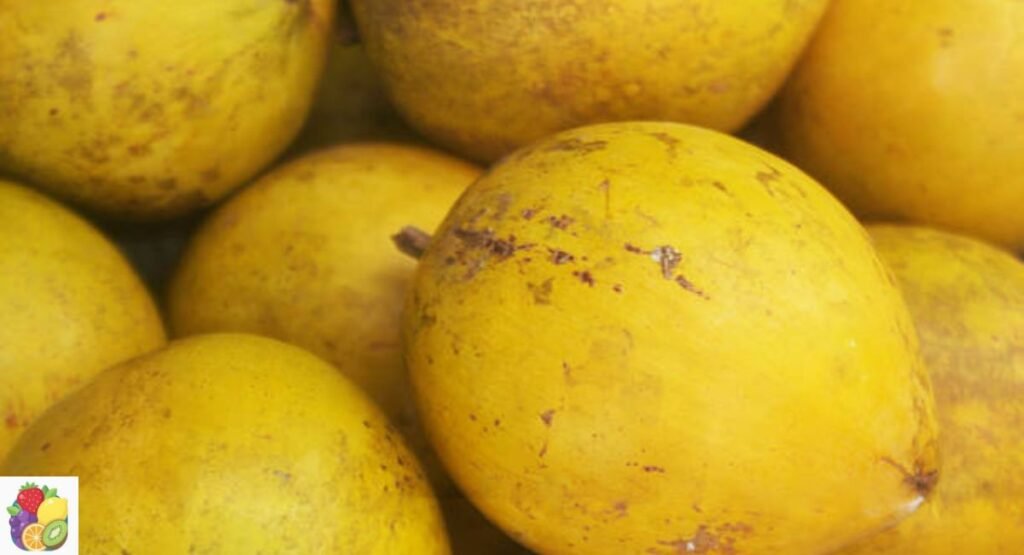
Lucuma is a fruit native to the Andean region of South America, particularly Peru. It has greenish or yellow-brown skin and dry, yellow-orange flesh. Its flavor is often described as sweet and reminiscent of maple, caramel, or sweet potato.
Lucuma is widely used in South American desserts, especially ice cream, cakes, and smoothies. Fresh fruit can be difficult to find outside its growing regions, but lucuma powder is sold in some specialty food stores. The powder is commonly mixed into drinks and recipes to add flavor. Lucuma stands out among exotic fruits because of its distinctive taste and thick flesh.
9. Langsat
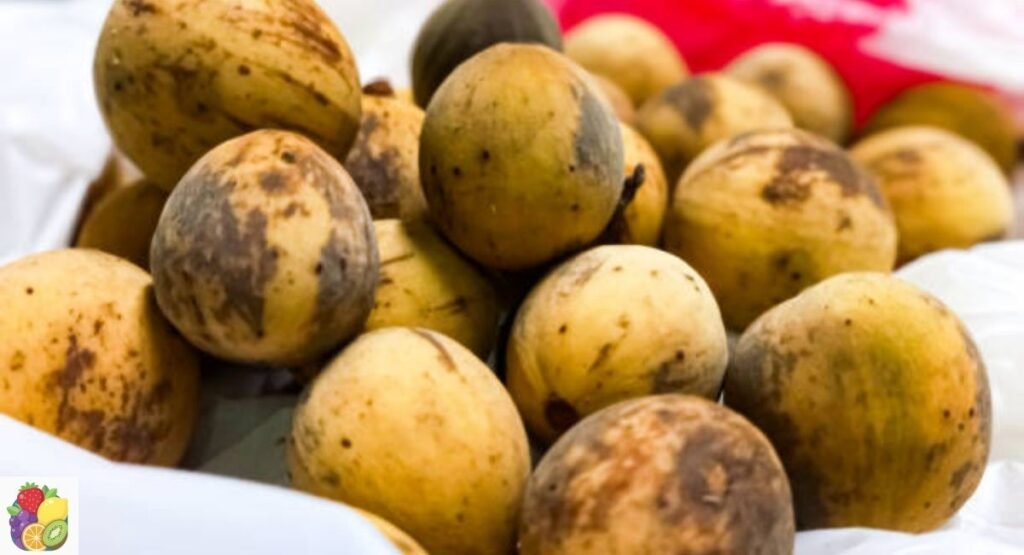
Langsat is a tropical fruit grown in parts of Southeast Asia. It is usually round or oval, with pale yellow to light-brown skin and translucent segments inside. The flesh tastes sweet and sour, somewhat like a blend of grapes and citrus.
People often peel langsat and eat the segments fresh. The fruit can also be used in local desserts and other dishes. Its thin skin and clustered growth make it visually similar to some other tropical fruits, but its flavor is distinctive. Langsat is also known by regional names, depending on the country where it is grown.
10. Limeberry
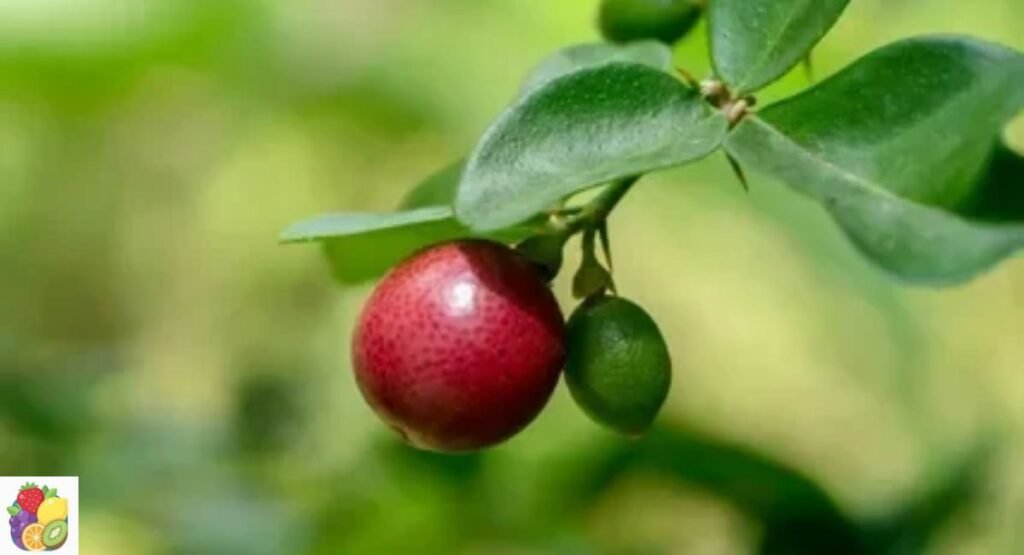
Limeberry is a small tropical fruit that grows on a thorny shrub. Its fruits are usually round and turn reddish when ripe. Despite its name, limeberry is not the same as a regular lime. It belongs to a different plant group and has a distinct appearance.
The fruit has a tart flavor that makes it suitable for jams, jellies, and other fruit preparations. Limeberry plants grow in warm regions and are valued for both their edible fruits and ornamental appearance. Although limeberry is not commonly found in regular American grocery stores, it adds an interesting option to the list of Fruits That Start With L.
11. Lulo
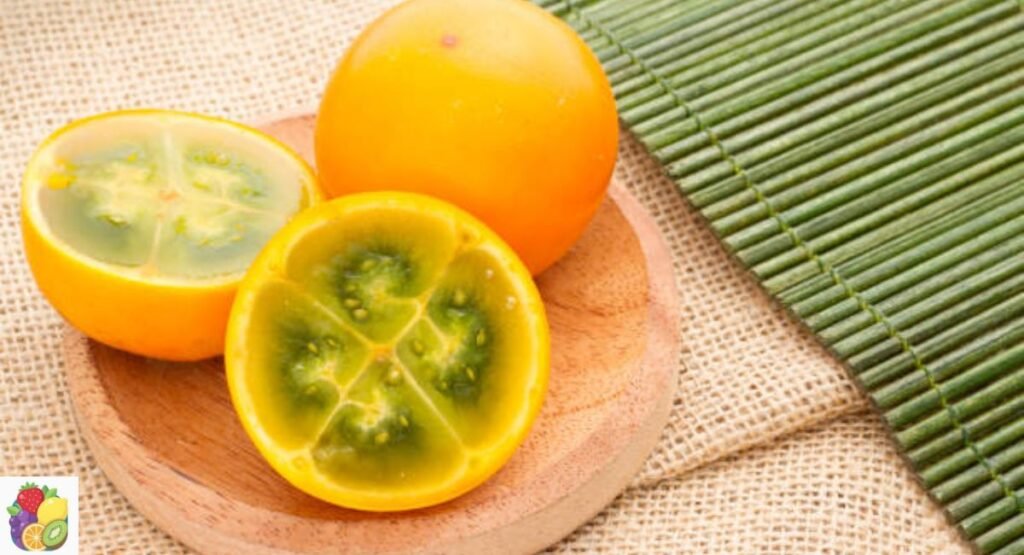
Lulo, also called naranjilla in some regions, is a tropical fruit grown mainly in parts of South America. Its round fruit often has orange skin when ripe and greenish, juicy flesh inside. The flavor is tart, citrusy, and refreshing.
Lulo is especially popular in juices and blended drinks. It can also be used in sauces and other preparations where a tangy taste is desirable. The fruit is not commonly found in ordinary American supermarkets, but it may be available in Latin American grocery stores. Its bright flavor makes it a distinctive addition to a list of unusual fruits.
12. Lakoocha
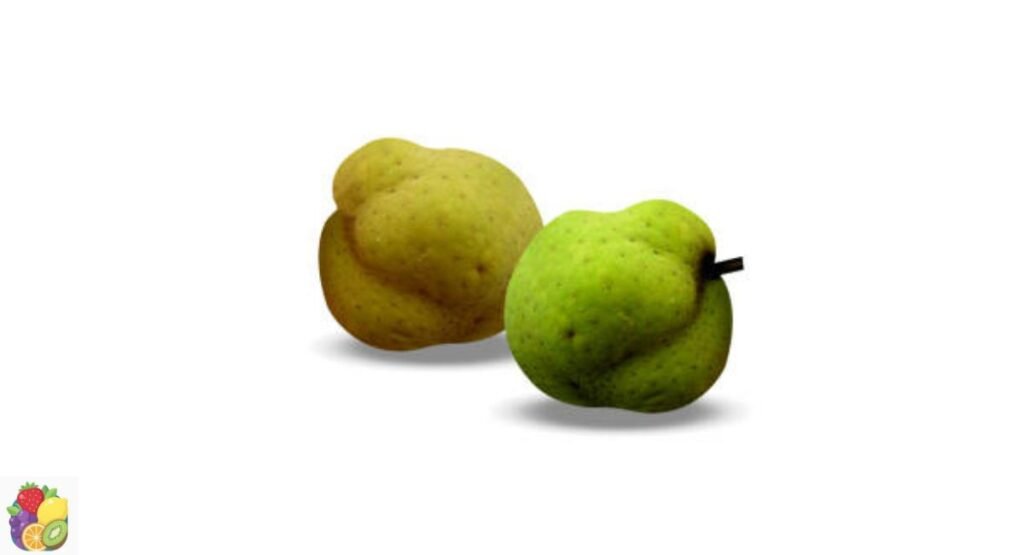
Lakoocha is a tropical fruit associated with South and Southeast Asia. It grows on a tree and develops a rounded fruit with a rough surface. Depending on its ripeness and variety, the flesh may be pale yellow or orange and can have a sweet-sour taste.
The fruit is used in regional food traditions and may be eaten fresh when ripe. It can also be included in cooked preparations, chutneys, and other local recipes. Lakoocha is not widely available in many Western markets, so people outside its growing regions may know it only by name. Regional spellings and common names can vary, which makes botanical identification useful when researching this fruit.
13. Lady Finger Banana
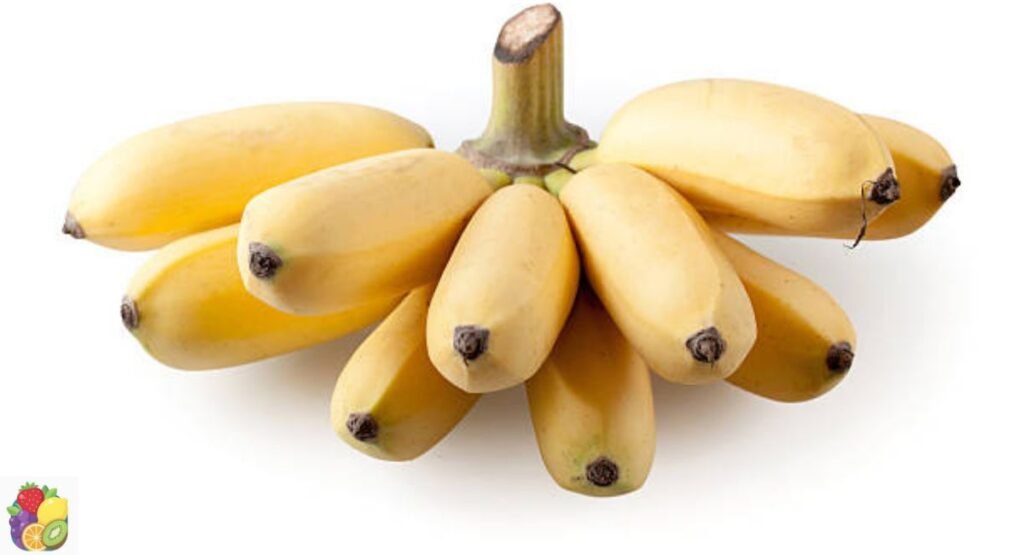
Lady finger banana is a name used for small, slender banana varieties. These bananas are generally shorter and thinner than the common Cavendish bananas found in many supermarkets. When ripe, they have yellow skin and soft, sweet flesh.
Lady finger bananas can be eaten fresh, added to fruit salads, or blended into smoothies. Their small size makes them convenient for snacks and lunchboxes. The name can refer to different banana varieties in different countries, so the exact appearance and taste may vary. Even so, it is a familiar fruit name in several tropical regions.
14. Lemon Aspen
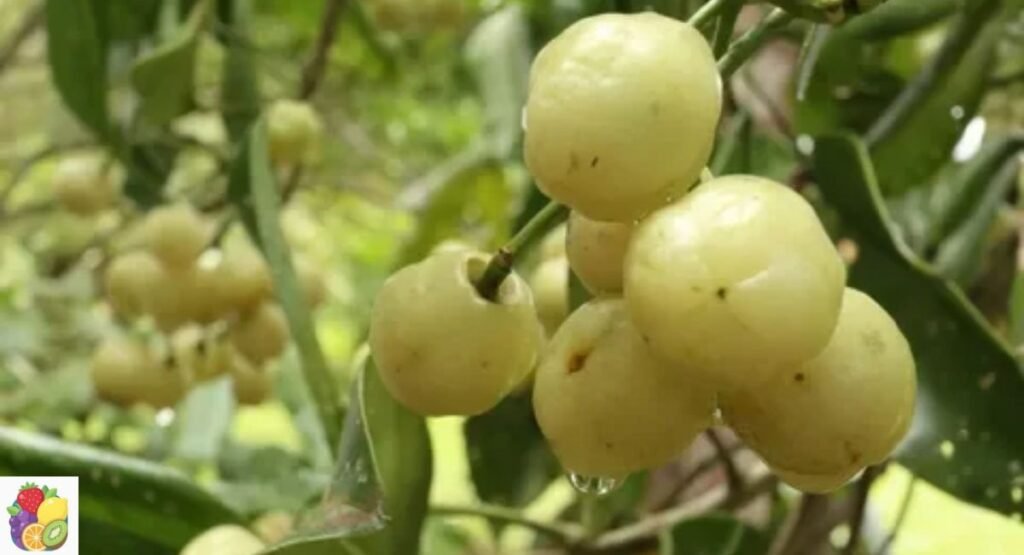
Lemon aspen is an Australian native fruit that grows on a rainforest tree. Its small fruits are often pale yellow or greenish and have a strong, tart citrus-like flavor. The fruit is valued for its distinctive aroma rather than for sweetness.
Chefs may use lemon aspen in sauces, dressings, preserves, desserts, and specialty food products. Because its taste can be quite sharp, a small amount can provide noticeable flavor. Lemon aspen is less common than ordinary lemons, but it is an interesting example of an Australian native food. Its name reflects its refreshing citrus character.
15. Lemonade Berry
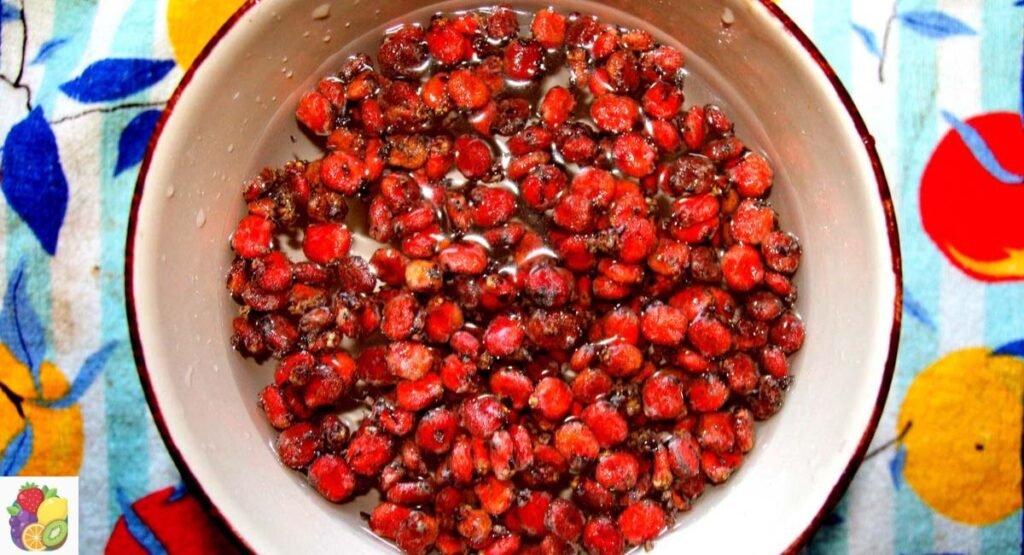
Lemonade berry is a fruit native to coastal areas of southern California and nearby parts of the region. It grows on a shrub and produces small, reddish fruits. The surface of the fruit contains acidic compounds that contribute to its tart taste.
The fruit has traditional uses among Indigenous communities, including preparations that involve soaking it in water to create a sour drink. Modern use is more limited than that of common citrus fruits. Because wild plants can be difficult to identify correctly, people should rely on trusted local guidance before collecting or consuming any wild fruit.
16. Lilly Pilly
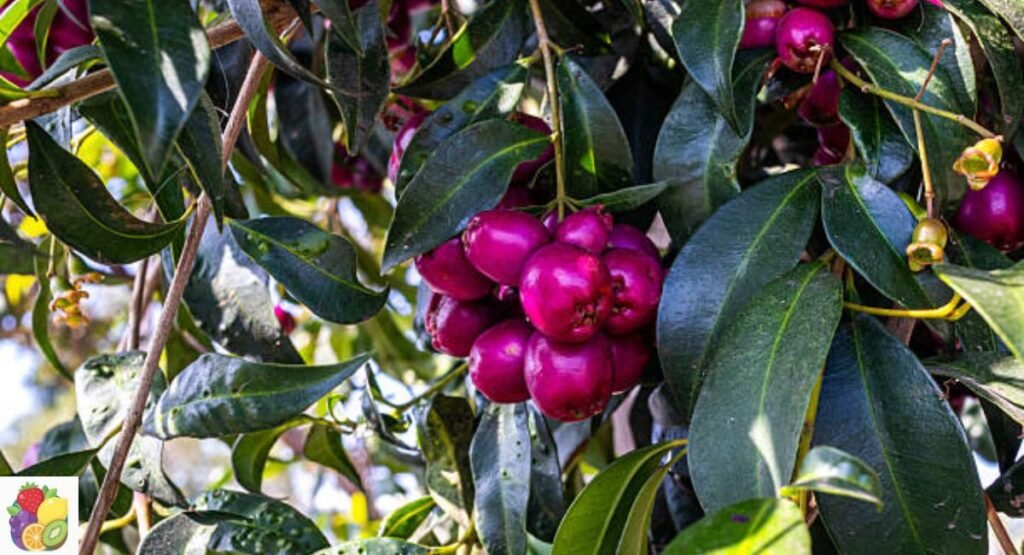
Lilly pilly is a common Australian name used for several related plants that produce small edible fruits. Depending on the species, the berries may be pink, red, purple, or nearly white. Their flavor can range from mildly sweet to tart, with some varieties offering a clove-like or spicy note.
Lilly pilly fruits are used in jams, jellies, sauces, and other specialty foods. They can also be eaten fresh when the species is correctly identified and the fruit is ripe. Since the name covers multiple plants, the appearance and flavor are not identical across all types. Lilly pilly is a useful name to know when exploring Australian native fruits.
17. Lapsi
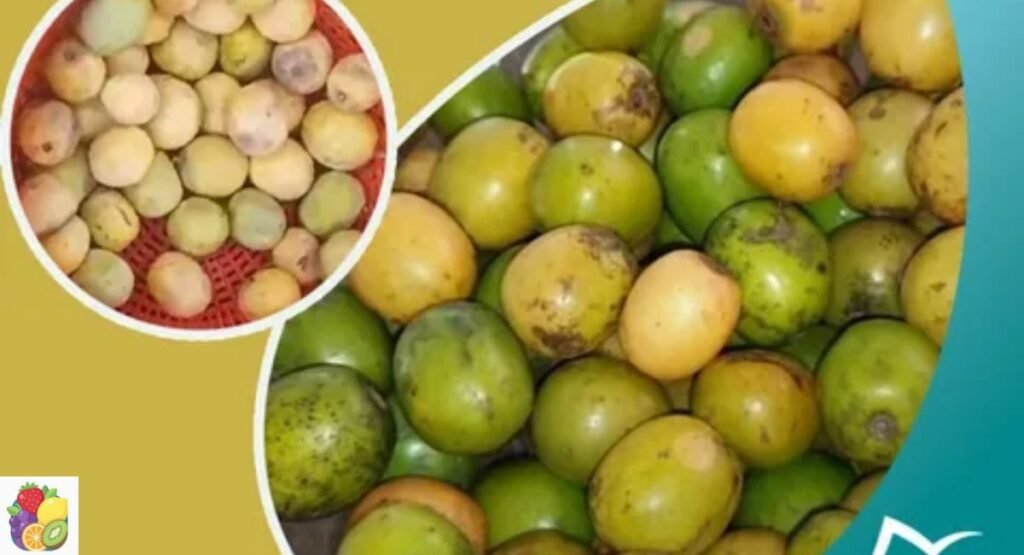
Lapsi is a fruit associated with Nepal and parts of the Himalayan region. It grows on a tree and is generally small, oval, and greenish-yellow when fresh. The fruit has a strongly sour taste, so it is often prepared with sugar, salt, spices, or other ingredients.
Lapsi is used in local foods such as pickles, candies, and sweet-and-sour preserves. Processing helps balance its sharp flavor and makes it suitable for snacks. The fruit is especially important in regional food culture, although it is not widely sold in mainstream grocery stores across the United States.
18. Malay Apple
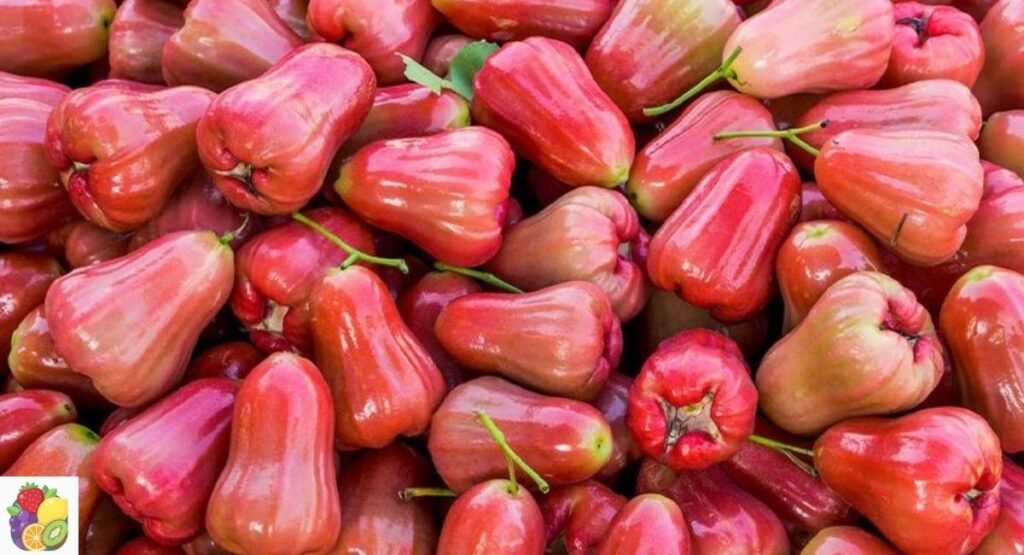
Malay apple is a tropical fruit that grows on a tree in warm climates. Its shape can be bell-like or pear-like, and its skin is often pink, red, or deep crimson. The flesh is usually pale, crisp, and juicy, with a mild sweetness.
Malay apples can be eaten fresh or added to fruit salads. They are also used in some regional cooked dishes and preserves. The fruit belongs to the myrtle family and is different from the familiar apples grown in temperate orchards. Its attractive color and refreshing texture make it a notable tropical fruit.
19. Governor’s Plum (Lovi-Lovi)
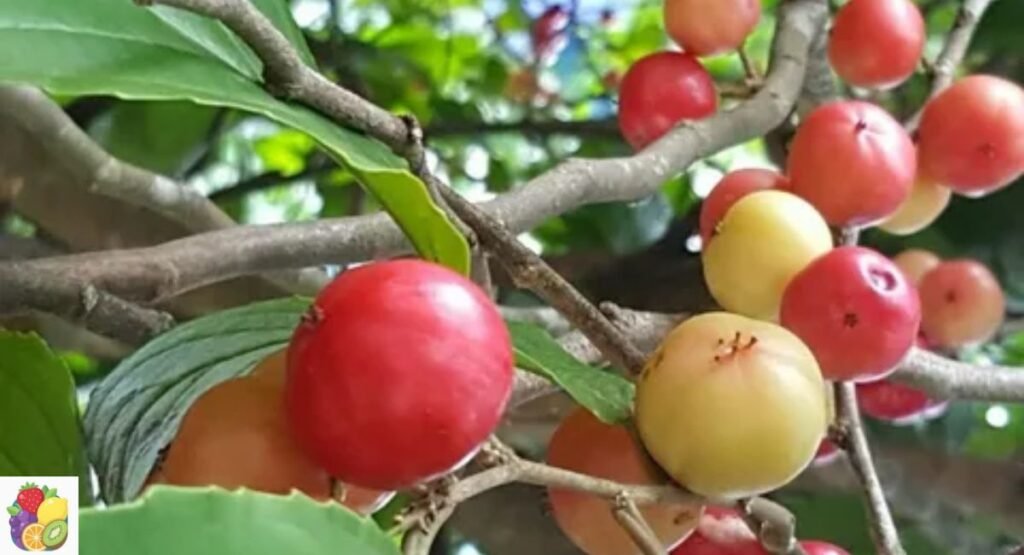
Lovi-lovi is a name associated with a small tropical fruit from the Flacourtia group. Its fruit may turn red to dark purple as it ripens and can have a tart flavor. The fruit is used in some regions for preserves, sauces, and other local preparations.
The name Governor’s plum can refer to different species depending on the source and region. For this reason, it is important not to assume that every fruit sold under that name is exactly the same as lovi-lovi. If you are using this name in a botanical article or educational resource, check the scientific name supplied by a reliable reference.
20. Louro Fruit
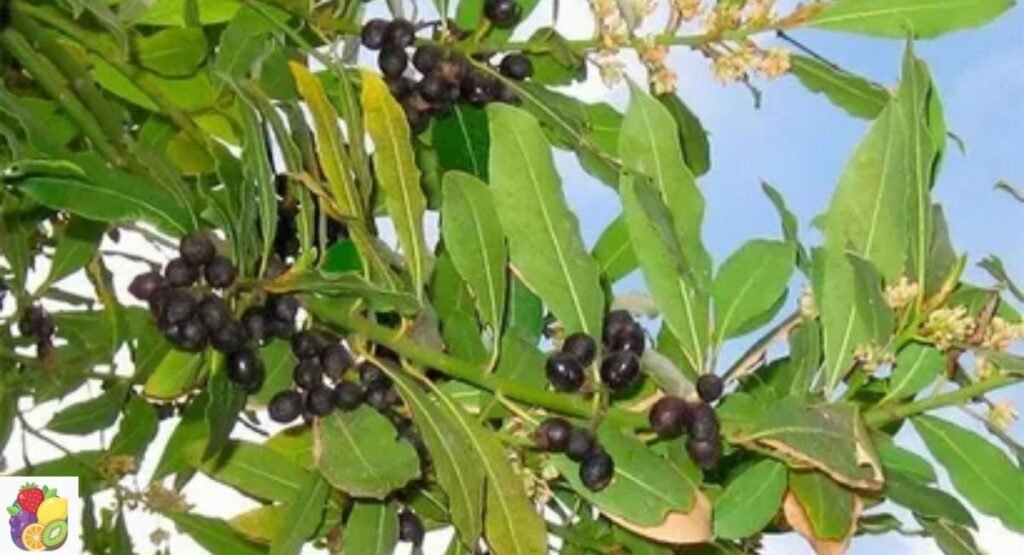
Louro fruit is an uncommon name that requires careful identification. In Portuguese, louro can refer to bay laurel, a plant that produces small dark fruits. However, the phrase “louro fruit” does not consistently identify one widely recognized edible fruit in English-language references.
Because common names differ across languages, the exact plant should be confirmed before describing its taste, nutrition, or culinary uses. This is especially important when researching unusual fruit names online. If you need a list of 20 clearly verified edible fruits for a school project or reference article, consider replacing this entry with another well-documented fruit beginning with L.
Fruits That Start With L by Category
Fruits can be grouped by their flavor, appearance, growing region, or popularity. These categories make it easier to find a particular type of fruit when preparing a list or learning new names.
Common Fruits That Start With L
Lemons and limes are among the most familiar fruits that start with L. They are easy to find in supermarkets and are widely used in drinks, sauces, marinades, and desserts. Lychees and loquats are also well-known in many regions, although their availability depends on the season and local markets.
Lady finger bananas are common in some tropical countries, while longan is familiar to many people in Southeast Asia. The popularity of each fruit varies by region, so a fruit that is common in one country may be uncommon in another.
Exotic Fruits That Start With L
Some exotic fruits beginning with L include lucuma, lulo, langsat, longan, and lakoocha. These fruits grow mainly in tropical or subtropical regions and may be difficult to find in ordinary grocery stores in the United States.
Lucuma is valued for its sweet, dessert-friendly flavor, while lulo is known for its tangy juice. Langsat and longan are popular in parts of Asia. These fruits offer a way to explore food traditions beyond the familiar apples, oranges, and bananas.
Rare and Unusual Fruits That Start With L
Lemon aspen, lemonade berry, lapsi, and certain types of lilly pilly are less familiar to many American readers. Some are native to specific regions, while others are mainly used in local cuisines.
Availability is only one reason these fruits may be considered unusual. Their flavors, growing environments, and traditional uses also make them different from common supermarket fruit. If you want to try one, look for a specialist fruit seller or a trusted regional food supplier.
Red Fruits That Start With L
Several fruits beginning with L can have red or reddish skin. Lingonberries are small and bright red, while loganberries range from deep red to reddish-purple. Ripe lovi-lovi fruits may also have red or dark purple coloring.
Lilly pilly fruits can be red or pink, depending on the species. However, color can vary with ripeness and variety, so not every fruit in these groups will look the same. These fruits can add natural color to jams, sauces, fruit salads, and desserts.
Fruits That Start With L With 5 Letters
If you are solving a word puzzle or looking for fruit names with exactly five letters, the options are more limited. Lemon is a familiar five-letter fruit name. Limes also has five letters, although it is the plural form of lime.
Another spelling sometimes seen for lychee is lichee, but it contains six letters. The spelling litchi has six letters as well. It is important to check the exact spelling required by your game or assignment because alternate names may not fit the letter count.
Fruits and Vegetables That Start With L
Several fruits and vegetables begin with L, but they are not all botanically classified in the same way. Lemon, lime, lychee, longan, and loquat are fruits commonly eaten for their flesh or juice.
Vegetables and other plant foods beginning with L include lettuce, leek, lentils, and lima beans. Lettuce and leek are commonly used as vegetables in cooking, while lentils and lima beans are legumes. Some foods that people call vegetables are botanically fruits, but everyday cooking usually groups foods according to how they are used rather than their botanical structure.
Fruits That Start With L in Spanish
| English Fruit Name | Spanish Name |
|---|---|
| Lemon | Limón |
| Lime | Lima |
| Lychee | Lichi |
| Lucuma | Lúcuma |
| Longan | Longán |
| Loquat | Níspero |
| Loganberry | Loganberry |
| Lingonberry | Arándano rojo europeo |
| Lemon Aspen | Aspen limón |
| Lanzones | Lanzones |
| Lulo | Lulo |
| Malay Apple | Manzana malaya |
| Lady Finger Banana | Plátano dedo de dama |
| Langsat | Langsat |
| Lakoocha | Lakoocha |
Spanish fruit names can vary by country and region. For example, limón and lima may refer to different citrus varieties depending on local usage.
Conclusion
There are many interesting Fruits That Start With L, from familiar lemons and limes to tropical lychees, longans, and lucuma. Some are sweet and juicy, while others have a tart flavor that works well in sauces, drinks, and preserves.
Learning these fruit names can help with school assignments, word games, food research, or simply discovering new foods. Remember that common names sometimes vary between countries, especially for rare and regional fruits. For accurate botanical information, check the scientific name when a fruit has several local names.
FAQs
What Is a Fruit That Starts With L?
Lemon is one of the most familiar fruits that starts with L. Other examples include lime, lychee, longan, and loquat.
What Are the Most Common Fruits That Start With L?
Lemons and limes are widely available in grocery stores. Lychees, longans, and lady finger bananas are also popular in various parts of the world.
What Is an Exotic Fruit That Starts With L?
Lucuma is an exotic fruit native to South America. Lulo and langsat are other examples of fruits that may be unfamiliar to many American shoppers.
What Are Some Red Fruits That Start With L?
Lingonberries and loganberries are examples of red fruits that start with L. Some lilly pilly varieties and ripe lovi-lovi fruits can also have reddish coloring.
What Fruits That Start With L Have Five Letters?
Lemon has five letters, and limes has five letters as a plural form. The singular word lime has four letters.
What Is a Fruit That Starts With L in Spanish?
Limón means lemon in Spanish, while lichi is a name for lychee. Lúcuma is the Spanish name commonly used for lucuma.
Are There Any Tropical Fruits That Start With L?
Yes. Lychee, longan, langsat, lulo, lakoocha, and Malay apple are tropical or subtropical fruits. Many grow in warm regions of Asia, Australia, and South America.

Welcome to Fruitloria.com! I’m Anam Sattar, an AI-powered SEO Specialist and Content Writer with over 4 years of experience in creating high-quality, search-optimized content. I help businesses improve their search engine rankings, increase organic traffic, and build beautiful, user-friendly websites. My mission is to make SEO, content creation, and web design simple, effective, and accessible for everyone. Let’s grow your online presence and achieve success together!
1 thought on “20 Fruits That Start With L: List of Common, Exotic, and Rare Fruits”