


The world of Fruits That Start With A is more diverse than you might expect. From familiar apples and apricots to rare tropical treasures, the letter A introduces an exciting range of flavors, textures, and origins. You’ll discover crisp fruit varieties, creamy avocado, tart acerola, juicy Asian pear, and unusual choices such as araza and abiu. Some are easy to find in American grocery stores, while others grow mainly in tropical regions.
This guide explores 20 fascinating fruit names with details about taste, appearance, varieties, origins, and common uses. Whether you love fresh produce or enjoy discovering exotic fruits, this list offers plenty of interesting choices for your next fruit adventure or recipe.
Fruits That Start With A at a Glance
Before exploring each fruit, this table gives you a quick snapshot of their identity, flavor, and typical uses. It includes pome fruits, berries, stone fruits, citrus, and several unusual tropical fruit varieties.
| Fruit | Type | Flavor | Common Use |
| Apple | Pome fruit | Sweet/tart | Fresh, juice |
| Apricot | Stone fruit | Sweet/tart | Fresh, dried |
| Avocado | Berry | Creamy | Salads, guacamole |
| Acerola | Berry | Tart | Juice, fresh |
| Asian Pear | Pome fruit | Sweet/juicy | Fresh, salads |
| Ambarella | Tropical fruit | Tart/tangy | Fresh, pickled |
| Amla | Berry | Sour/tart | Pickles, chutneys |
| Abiu | Tropical fruit | Sweet | Fresh, desserts |
| Ackee | Tropical fruit | Mild, creamy | Cooked dishes |
| Açaí Berry | Drupe | Earthy/tart | Smoothie bowls |
| Aronia | Berry | Tart/astringent | Juice, jam |
| Atemoya | Aggregate fruit | Sweet/creamy | Fresh, desserts |
| Aprium | Stone fruit hybrid | Sweet | Fresh, desserts |
| Agbalumo | Tropical fruit | Sweet-tart | Fresh, drinks |
| Arhat Fruit | Gourd fruit | Sweet | Beverages, extracts |
| Australian Finger Lime | Citrus | Tart/citrusy | Garnishes, sauces |
| American Persimmon | Berry | Very sweet when ripe | Fresh, baking |
| Alpine Strawberry | Aggregate fruit | Sweet/intense | Fresh, desserts |
| Araza | Tropical fruit | Strongly sour | Juices, desserts |
| Ananas Guava | Berry | Sweet, tropical | Fresh, desserts |
20 Fruits That Start With A
The real fun begins when you look beyond familiar supermarket produce. These twenty choices include fresh fruits, regional specialties, hybrids, and rare tropical varieties. Their origins and culinary uses are remarkably different.
From crisp apples to intensely sour araza, the group covers a broad flavor spectrum. You’ll also encounter wild fruits, citrus, berries, and fruits with unusual textures that rarely appear in ordinary grocery aisles.
1. Apple
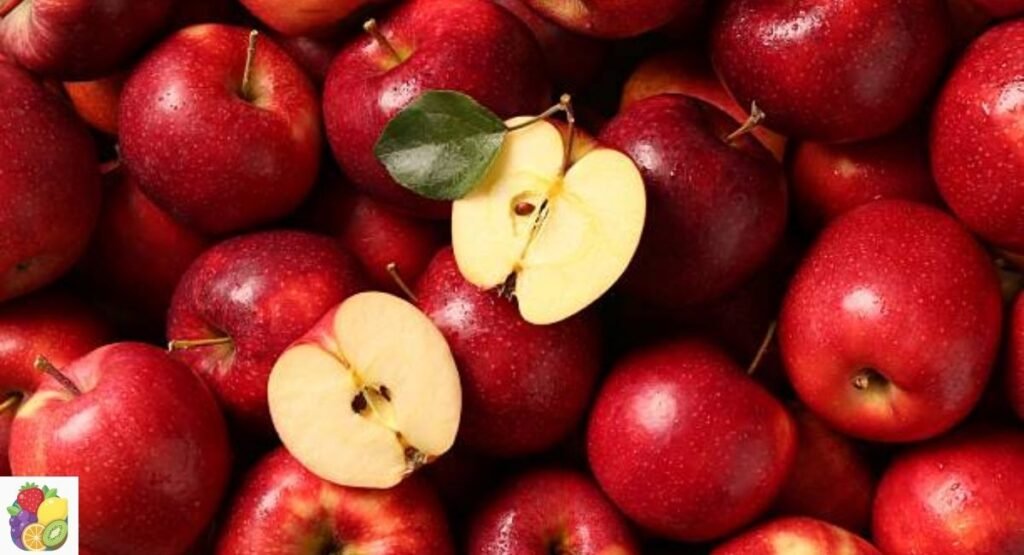
An apple is a classic fruit name beginning with A and belongs to the pome group. Popular varieties include Honeycrisp, Gala, Fuji, Granny Smith, and Red Delicious. Their flesh can range from very crisp and juicy to soft and fragrant. People commonly enjoy apples fresh, sliced into salads, blended into juice, baked into pies, or cooked into applesauce.
2. Apricot
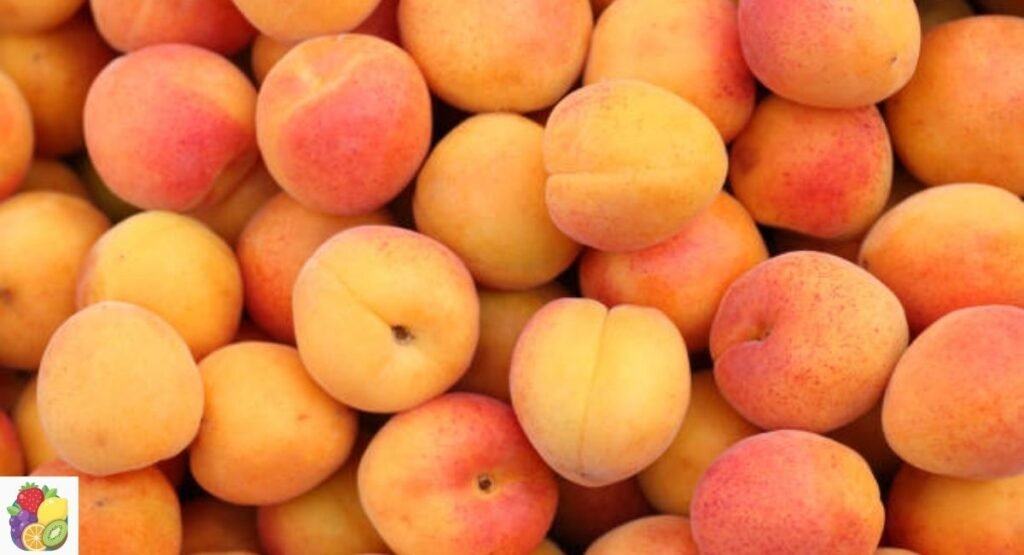
Apricots are small stone fruits with smooth golden-orange skin and tender flesh. Their sweet and tart flavor becomes especially pleasant when the fruit reaches full ripeness. Fresh apricots work beautifully in salads and desserts, while dried apricots offer a concentrated flavor. They also appear in jams, preserves, cakes, pastries, and sauces.
3. Avocado
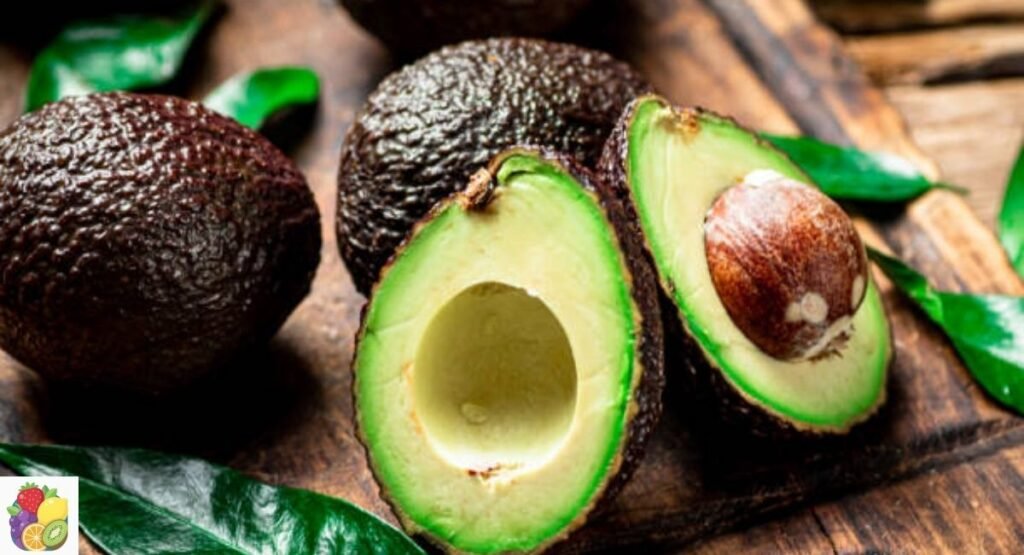
Although many people treat avocado like a vegetable, botanically it is a fruit. More specifically, it develops from a single flower ovary and contains one large seed. Its creamy texture and mild flavor make it ideal for savory dishes, especially guacamole, salads, sandwiches, and toast. Hass remains one of the most familiar commercial varieties.
4. Acerola
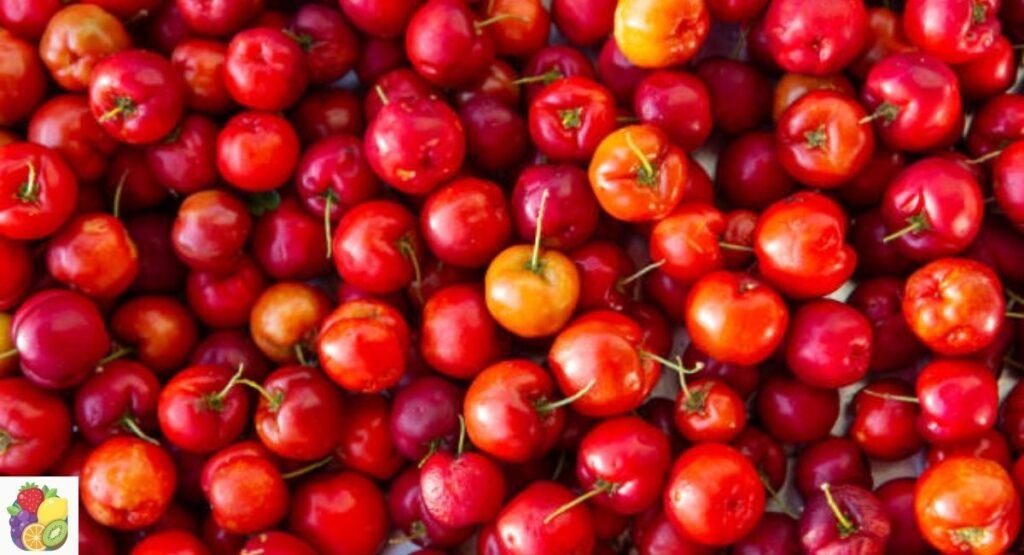
Acerola, often called Barbados cherry, produces small red fruits with a bright, tart taste. The flesh is juicy and delicate, making the fruit useful in beverages and purees. Acerola is especially notable for its vitamin C content. You may find it fresh in tropical regions or processed into juices, concentrates, and other products.
5. Asian Pear
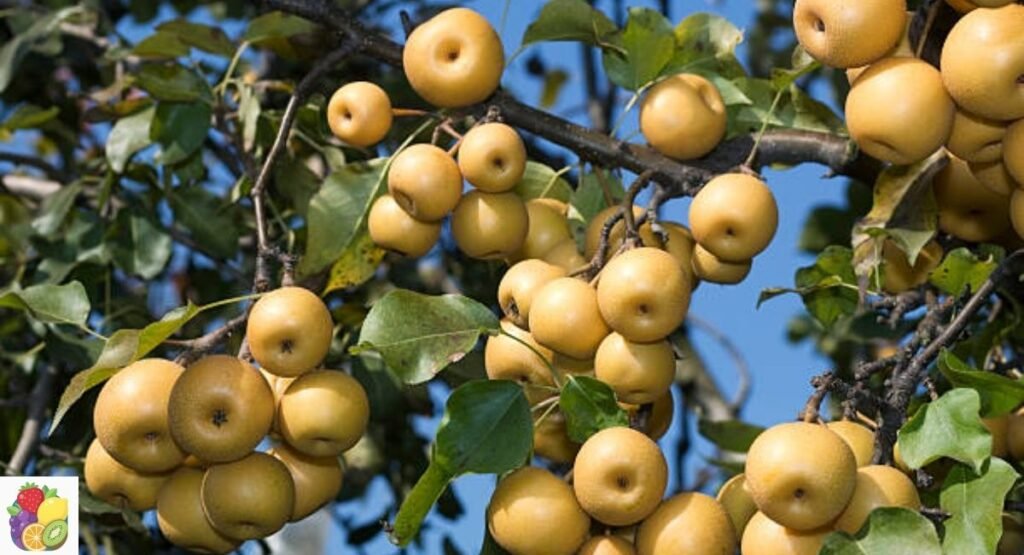
Asian pears look somewhat like apples but belong to the pear family. Unlike many European pears, they usually have a firm, crisp bite even when ripe. Their flesh is exceptionally juicy with a refreshing sweet and juicy flavor. You can eat them fresh, slice them into salads, or serve them chilled as a simple snack.
6. Ambarella
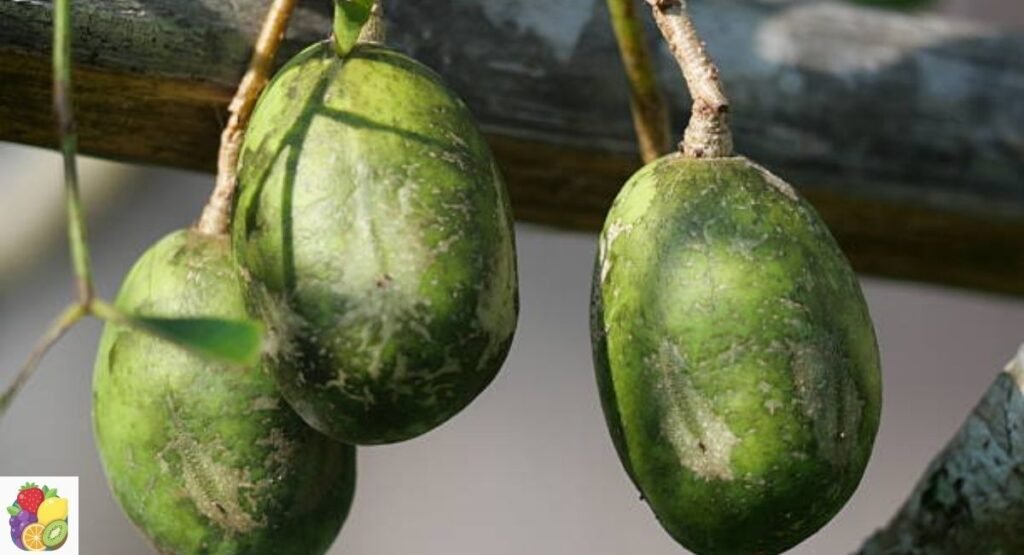
Ambarella is a tropical fruit with green to yellow skin and firm, juicy flesh. Its flavor can range from pleasantly sour to mildly sweet as it ripens. In several tropical regions, people enjoy it fresh or use it in pickles, chutneys, sauces, and cooked dishes. Its crisp texture gives prepared recipes a lively bite.
7. Amla
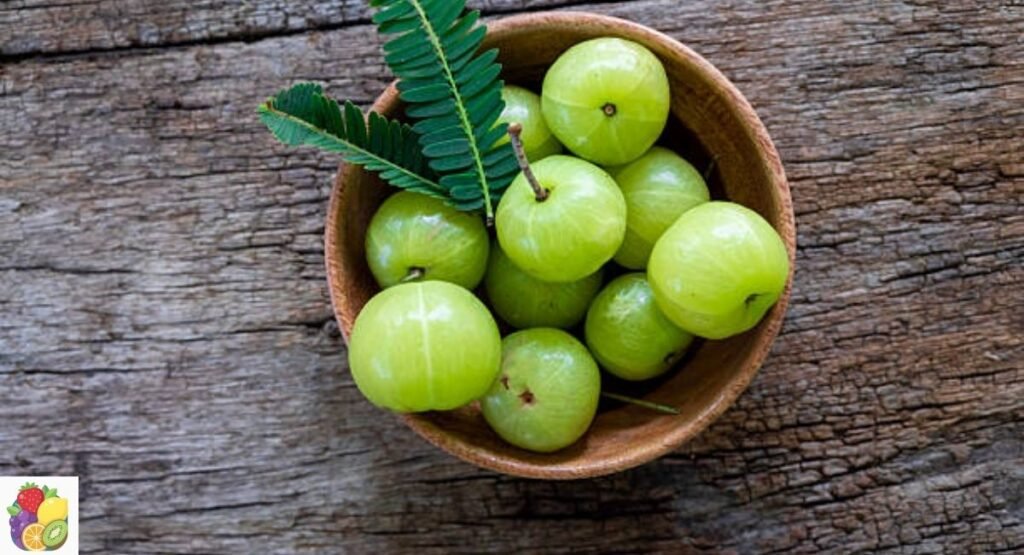
Amla is better known as Indian gooseberry. This small green fruit has a distinctive sour and tart flavor that can surprise anyone tasting it for the first time. Because of that sharp taste, people often prepare amla rather than eating it like an apple. Common preparations include chutneys, pickles, preserves, drinks, and other regional foods.
8. Abiu
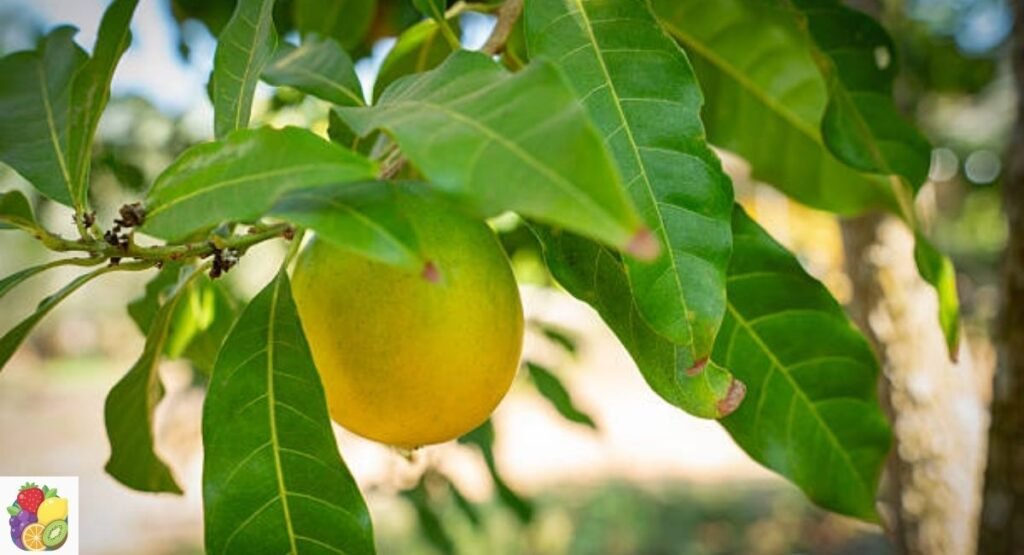
Abiu stands out because its smooth yellow skin hides soft, creamy flesh. When ripe, the fruit develops a sweet flavor that some people compare with custard-like tropical fruits. It grows mainly in tropical parts of South America and other warm regions. The fruit is usually eaten fresh, although its creamy pulp can also complement desserts.
9. Ackee
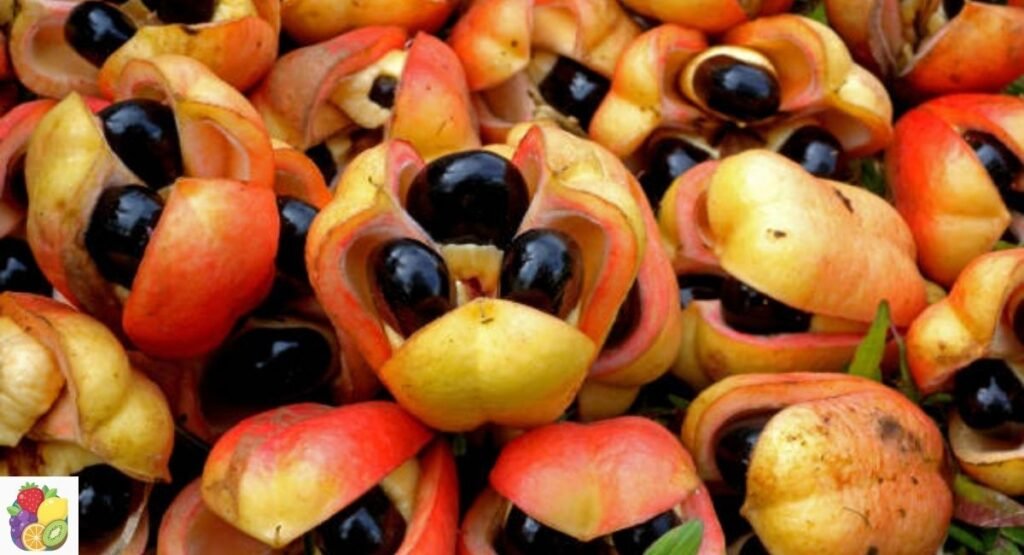
Ackee has a deep connection with Jamaica and Caribbean cuisine. Its ripe arils have a soft, mildly savory character and are traditionally used in cooked dishes. However, ackee requires special care. The FDA explains that unripe fruit, seeds, and rind can contain dangerous levels of hypoglycin A. Only naturally ripened and properly processed ackee should be eaten.
10. Açaí Berry
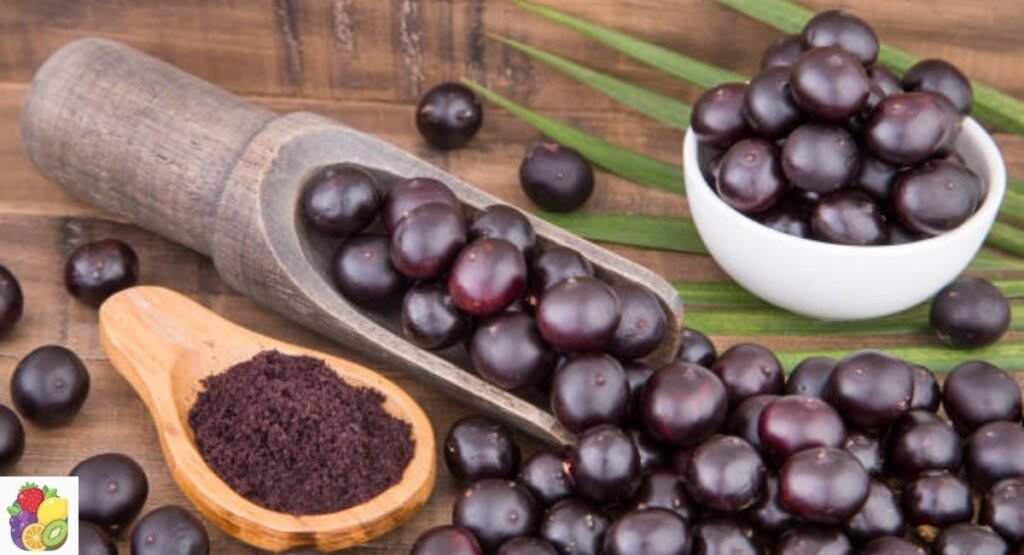
Açaí comes from palm trees native to the Amazon region, especially Brazil. The small dark fruits have an earthy, slightly tart flavor rather than the candy-like sweetness associated with many berries. In the United States, açaí commonly appears as frozen pulp or puree. It is popular in smoothie bowls, blended drinks, desserts, and fruit-based snacks.
11. Aronia
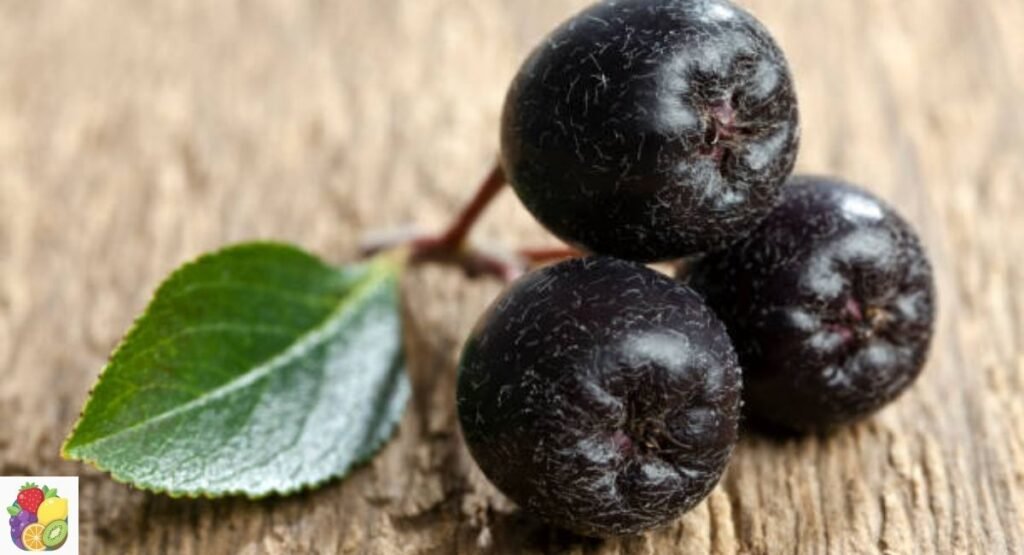
Aronia is commonly known as chokeberry and produces small dark berries. Its natural taste can be quite tart and astringent, which makes eating large amounts fresh less appealing. Instead, people often use aronia in juices, syrups, jams, preserves, and blended beverages. Its deep color also makes it visually striking in prepared foods.
12. Atemoya
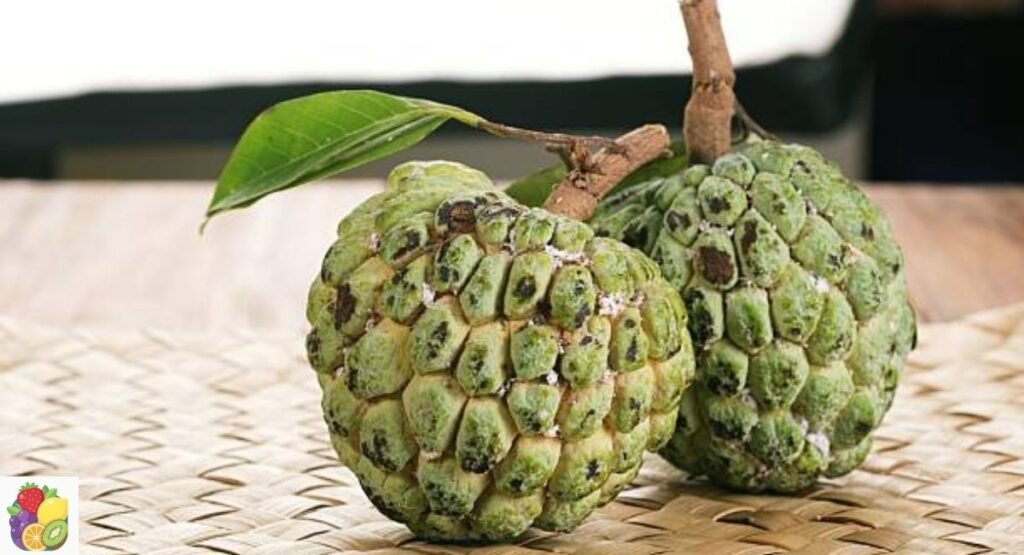
Atemoya is a fascinating hybrid involving sugar apple and cherimoya. Its green, textured skin protects soft flesh with a rich, creamy consistency. The flavor is distinctly sweet and tropical, which makes ripe fruit enjoyable on its own. Chilled atemoya can also work nicely in desserts when you want something naturally fragrant and custard-like.
13. Aprium
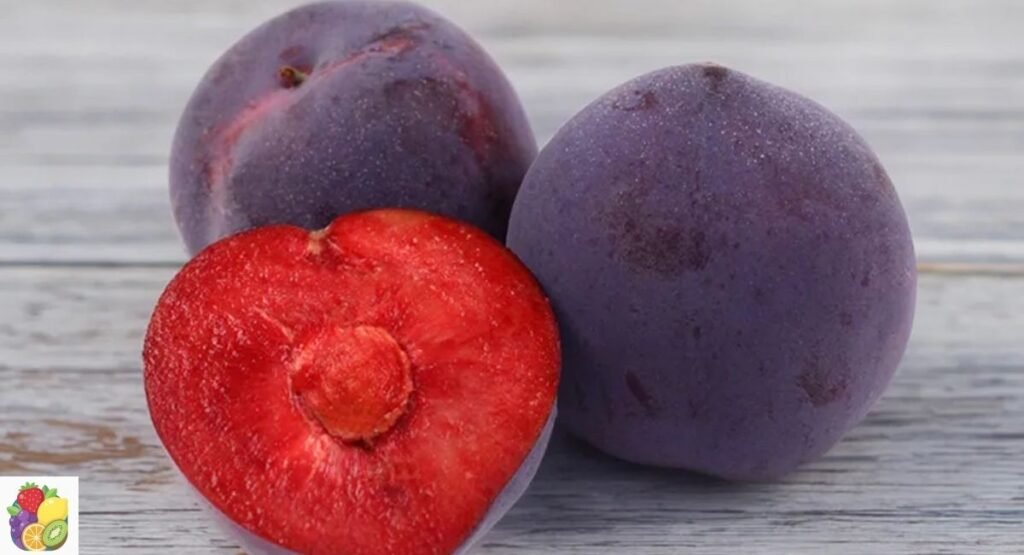
Aprium is a hybrid fruit with apricot and plum ancestry. It generally shows stronger apricot characteristics while retaining some plum influence. The skin may range from yellow to orange with reddish tones. Its flesh is sweet and firm enough for fresh eating, fruit salads, baking, and preserves. It is an interesting example of modern fruit varieties.
14. Agbalumo
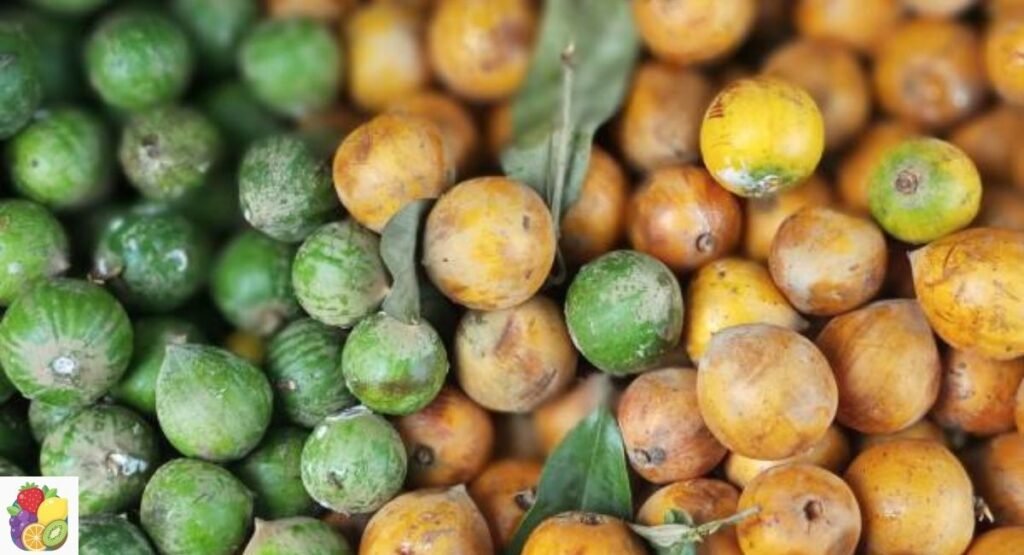
Agbalumo is also called African star apple and is particularly familiar in parts of tropical Africa. The fruit has a sweet-tart flavor that becomes appealing when properly ripe. People commonly eat it fresh or use it in drinks and simple regional preparations. Its distinctive name and limited international availability make it an intriguing addition to this fruit list.
15. Arhat Fruit
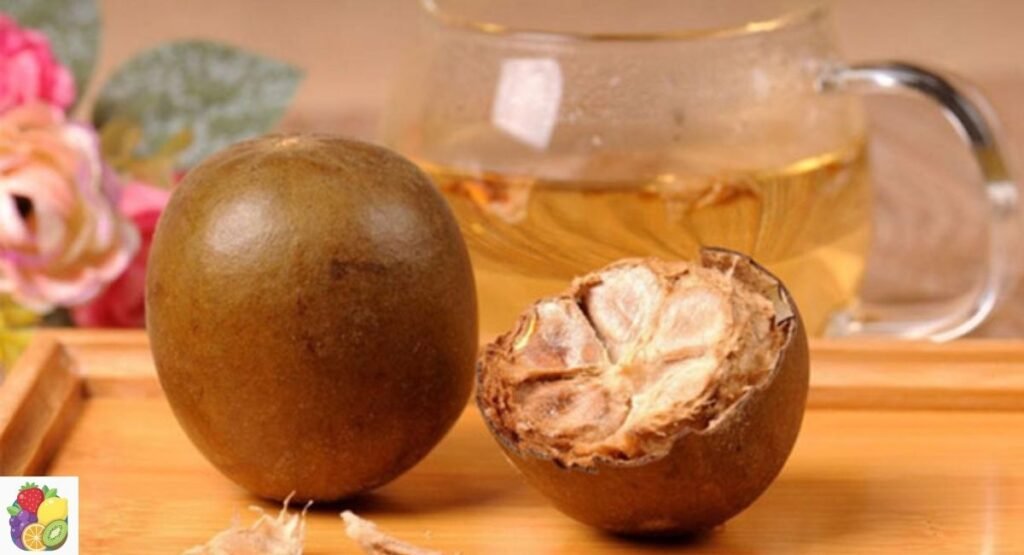
Arhat fruit, commonly associated with monk fruit, has an unusual round appearance and a naturally intense sweetness. It has a long history of culinary use in parts of Asia, particularly in beverages and preparations where its sweet character is useful. Modern products may use monk fruit extracts, so the whole fruit and commercial sweetener should not be confused.
16. Australian Finger Lime
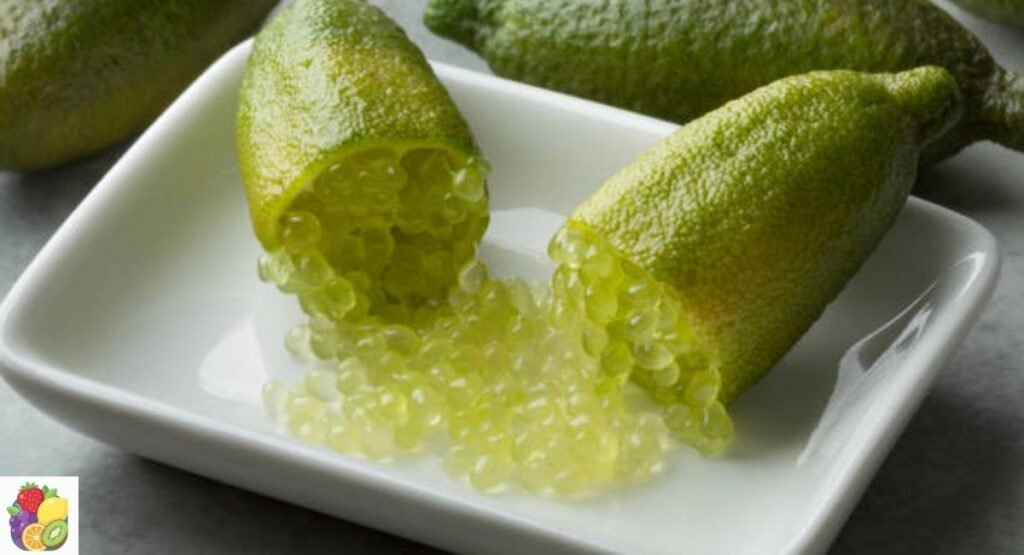
Australian finger lime is one of the most unusual citrus fruits on this list. Its elongated shape resembles a small finger, while the interior contains tiny juice-filled vesicles. These beads burst pleasantly when bitten. Their sharp citrus flavor works well as a garnish for seafood, sauces, salads, desserts, and contemporary dishes.
17. American Persimmon
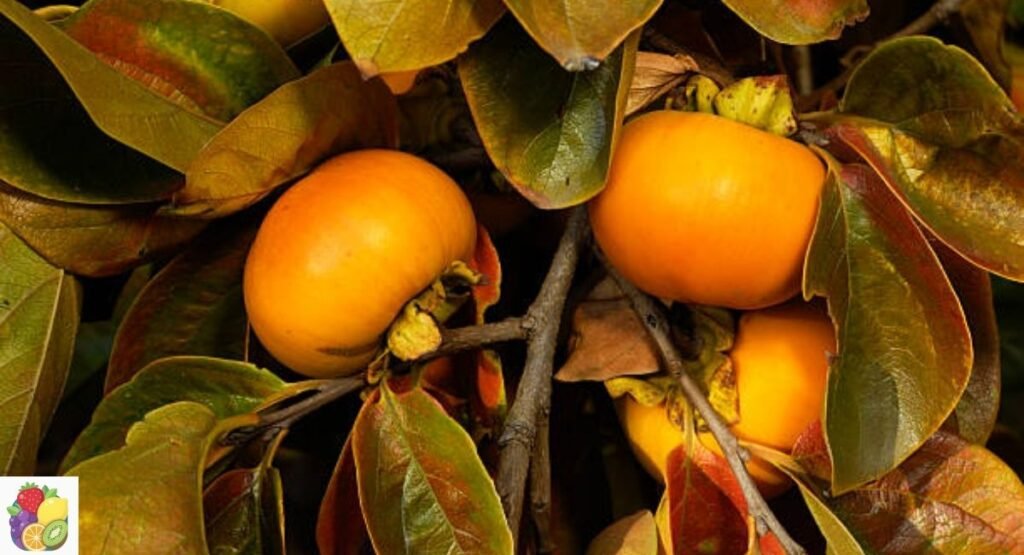
American persimmon is a native North American fruit with a major ripeness lesson. When unripe, it can taste intensely astringent. Once fully ripe and soft, however, the flesh becomes exceptionally sweet and aromatic. People can eat it fresh or use it in baked goods, puddings, breads, preserves, and other desserts.
18. Alpine Strawberry
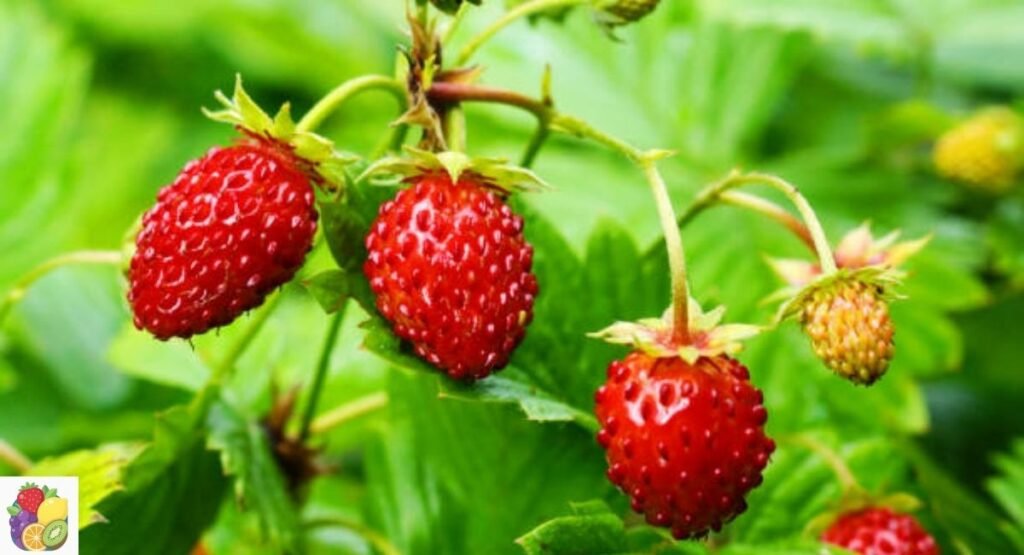
Alpine strawberries are smaller than many modern garden strawberries, but their size doesn’t mean weak flavor. These delicate berries can have an intense, fragrant sweetness. They are often grown in gardens and enjoyed fresh. Their compact size also makes them charming additions to desserts, preserves, fruit plates, and simple snacks.
19. Araza
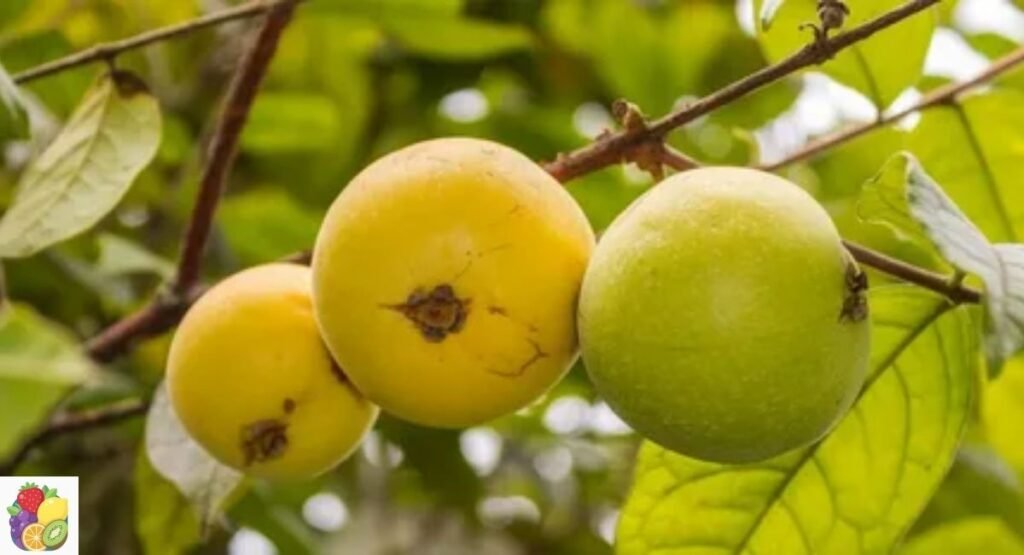
Araza comes from the Amazon region and is famous for its powerful sourness. The fruit has a strong acidity that makes eating large quantities raw less common. Instead, cooks often turn its pulp into fruit juice, smoothies, sauces, ice creams, and desserts. Its bold flavor can add a sharp tropical note to sweet recipes.
20. Ananas Guava
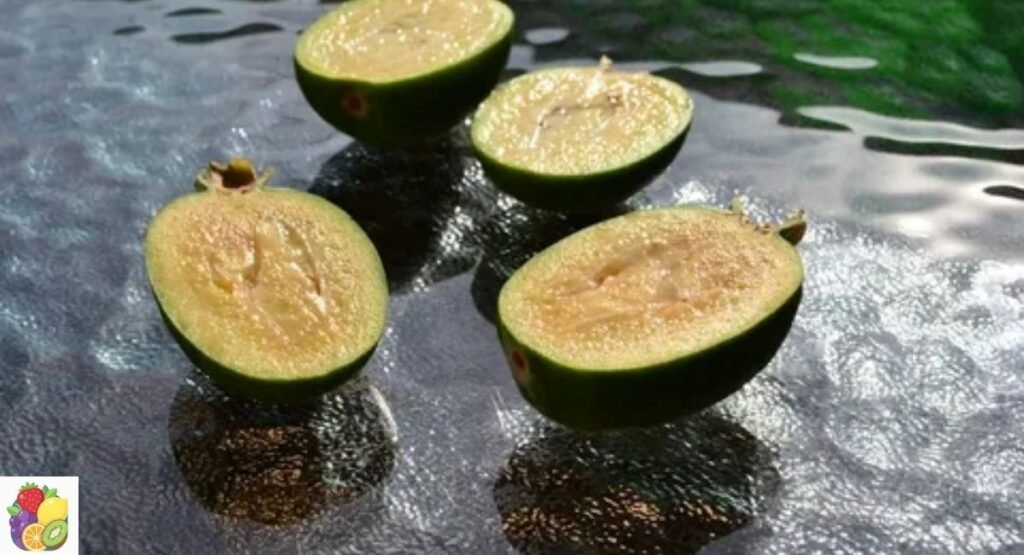
Ananas guava, commonly associated with pineapple guava, belongs to the same broader family as guava but has a distinctive flavor. Its ripe fruit can offer sweet, aromatic notes with hints reminiscent of pineapple and other tropical fruits. The fruit works well for fresh eating, salads, desserts, preserves, and drinks when properly ripe.
Common vs. Unique Fruits That Start With A
Some A fruits are easy to recognize in American grocery stores. Apples, apricots, avocados, and Asian pears are familiar choices with established culinary uses. Their popularity comes partly from dependable availability, many varieties, and flexible preparation methods.
Other rare fruits are far less familiar. Araza, abiu, ambarella, agbalumo, and some regional berries usually have stronger connections to tropical or specific growing regions. That difference makes the letter A especially interesting for anyone exploring unusual fruits beyond ordinary supermarket choices.
Common A Fruits
Apple, apricot, avocado, Asian pear, and acerola provide recognizable examples. Apples offer numerous textures and flavors, while apricots bring a softer stone-fruit character. Avocado provides creamy flesh, and Asian pear adds a crisp, juicy bite. Together, they demonstrate how broad common fruit examples can become.
Rare and Unusual A Fruits
Rare selections bring a completely different experience. Araza offers intense acidity, abiu provides creamy sweetness, and ambarella combines tropical character with tangy flavor. Agbalumo adds another regional specialty to the mix. These native fruits show how climate and food traditions shape the world’s enormous variety of edible produce.
Different Types of Fruits Beginning With A
Fruit categories can become confusing because everyday food language and botanical science don’t always use the same labels. For example, people commonly call strawberries berries, while botanists classify them differently. Avocado is botanically a berry even though most shoppers simply view it as a creamy fruit.
Among these examples, you can find citrus fruits, pome fruits, stone fruits, berries, and tropical species. Apples and Asian pears are pome fruits, while apricots are stone fruits. Avocados are botanical berries. This mix shows why a simple fruit list can contain several very different botanical structures.
What Do Fruits That Start With A Taste Like?
The flavor range is almost as interesting as the names. Apples can taste sweet or sharply tart. Apricots offer gentle sweetness, while amla and araza can be strikingly sour. Avocado moves in another direction with its creamy texture and mild flavor. Aronia adds a distinctly astringent character.
Ripeness can completely change the experience. A fully ripe American persimmon becomes very sweet after its harsh astringency fades. Tropical choices such as abiu and atemoya develop softer textures as they mature. Meanwhile, juicy fruit varieties such as Asian pear provide refreshing bites with plenty of moisture.
How to Eat and Use These A Fruits
These fruits can move far beyond simple snacking. Apples become juice, sauces, pies, and salads. Apricots work well in preserves and baked foods. Amla can become pickles or chutneys, while ambarella can bring acidity to savory preparations. Finger lime can provide tiny citrus pearls for finishing dishes.
Drinks are another major use. Fruit juice, smoothies, purees, and chilled beverages can showcase fruits such as acerola, açaí, araza, and abiu. Other options fit desserts, jams, sauces, and dried fruit preparations. The best method usually depends on texture, ripeness, acidity, and the fruit’s natural flavor.
Which Fruits That Start With A Are Most Nutritious?
Several fruits in this guide offer notable nutrients as part of a varied diet. Acerola is especially recognized for vitamin C. Avocado stands apart because it supplies monounsaturated fats along with other nutrients. Amla also contains vitamin C, while açaí provides naturally occurring plant compounds associated with its deep color.
Still, nutrition isn’t a competition between individual fruits. Serving size, preparation, and the rest of your diet matter too. Fresh fruit can provide water, fiber, vitamins, minerals, and plant compounds. Choosing different fresh fruits throughout the week is a practical way to enjoy a broader nutritional range.
Conclusion
The world of A fruits is far bigger than apples and apricots. This collection ranges from creamy avocado and tart acerola to unusual tropical choices such as araza, abiu, and ambarella. Each one brings a different combination of flavor, texture, origin, and culinary tradition.
Whether you’re building a fruit list, exploring unfamiliar produce, or simply looking for fruit names beginning with A, these twenty choices offer plenty to discover. Next time you spot an unfamiliar fruit at a specialty market, give it a closer look. Your next favorite may be hiding behind an unexpected name.
FAQs
What fruit starts with A?
Apple is one of the most familiar fruits beginning with A. Other examples include apricot, avocado, acerola, amla, and Asian pear.
What are 5 fruits that start with A?
Five examples are apple, apricot, avocado, acerola, and Asian pear. They differ greatly in flavor, texture, botanical type, and culinary use.
What is the most common fruit that starts with A?
Apple is among the most familiar A fruits in the United States. Grocery stores commonly carry several varieties throughout the year.
Are there any tropical fruits that start with A?
Yes. Ambarella, abiu, açaí, atemoya, agbalumo, and araza are tropical or tropical-region examples. Their availability varies considerably by location and season.
What is a rare fruit that starts with A?
Araza is a relatively uncommon fruit outside its Amazonian growing region. Its powerful sour flavor makes it especially useful for juices and desserts.

Welcome to Fruitloria.com! I’m Anam Sattar, an AI-powered SEO Specialist and Content Writer with over 4 years of experience in creating high-quality, search-optimized content. I help businesses improve their search engine rankings, increase organic traffic, and build beautiful, user-friendly websites. My mission is to make SEO, content creation, and web design simple, effective, and accessible for everyone. Let’s grow your online presence and achieve success together!
1 thought on “20 Fruits That Start With A: Names, Varieties and Unique”