

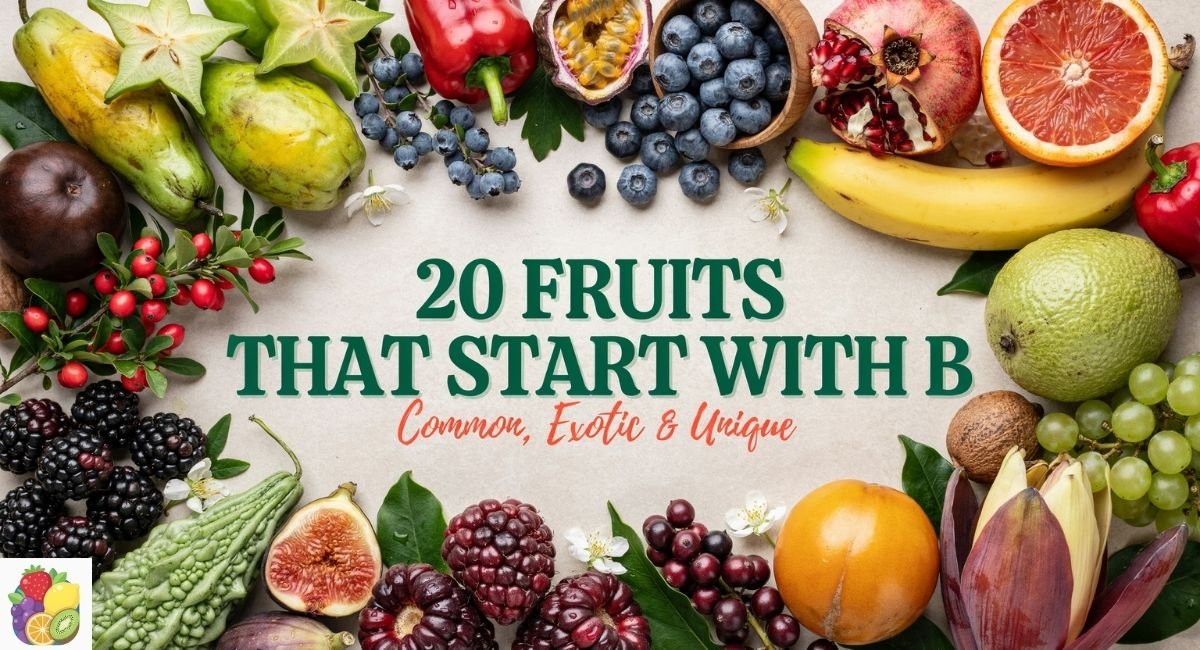
Finding fruits that start with B can lead you far beyond the familiar banana and blueberry. This letter includes colorful berries, juicy citrus, tropical specialties, and several exotic fruits you may have never tasted. Some are naturally sweet, while others have a refreshing tart flavor that works beautifully in drinks, sauces, and preserves. You’ll also discover unusual choices such as babaco, bilimbi, black sapote, and bacuri.
In this guide, we’ll explore 20 tropical fruits and familiar favorites, including their colors, flavors, origins, textures, and common uses. Whether you’re researching fruit names starting with B for a project or simply curious about new foods, this list makes every B fruit easy to discover and understand.
20 Fruits That Start With B at a Glance
The table below gives you a quick look at 20 fruits beginning with the letter B. It includes familiar supermarket choices and unusual fruits that you may only find at specialty markets or in their native regions.
| Fruit | Type | Color | Flavor | Origin |
| Banana | Tropical fruit | Yellow | Sweet | Southeast Asia |
| Blueberry | Berry | Blue | Sweet-tart | North America |
| Blackberry | Aggregate berry | Black | Sweet-tart | Europe & North America |
| Black Currant | Berry | Black-purple | Tart | Europe & Asia |
| Black Raspberry | Berry | Black | Sweet-tart | North America |
| Boysenberry | Hybrid berry | Dark purple | Sweet-tart | North America |
| Bilberry | Berry | Blue-black | Tart-sweet | Europe |
| Barbados Cherry | Tropical berry | Red | Sweet-tart | Caribbean & Central America |
| Bael | Tree fruit | Green-yellow | Sweet-aromatic | South Asia |
| Babaco | Tropical fruit | Yellow | Sweet-tart | Ecuador |
| Bilimbi | Tropical fruit | Green | Very sour | Southeast Asia |
| Black Sapote | Tropical fruit | Green-brown | Sweet, pudding-like | Central America |
| Blood Orange | Citrus fruit | Orange-red | Sweet-tart | Mediterranean region |
| Blood Lime | Citrus hybrid | Red-green | Tart | Australia |
| Breadfruit | Tropical fruit | Green | Mild, starchy | Pacific Islands |
| Bignay | Berry-like fruit | Red-purple | Tart-sweet | Southeast Asia |
| Biriba | Tropical fruit | Green-yellow | Sweet, creamy | South America |
| Bacuri | Tropical fruit | Yellow-brown | Sweet-tart | Amazon region |
| Barberry | Berry | Red | Tart | Europe & Asia |
| Brush Cherry | Native Australian fruit | Red-purple | Tart-sweet | Australia |
20 Fruits That Start With B
These B fruits show how much variety can exist within one letter. The list moves from everyday favorites to fruits with unusual textures, colors, and regional histories.
Some can be eaten fresh, while others shine in juices, jams, desserts, sauces, or cooked dishes. Their differences make this collection useful for food lovers and anyone searching for different fruits starting with B.
1. Banana
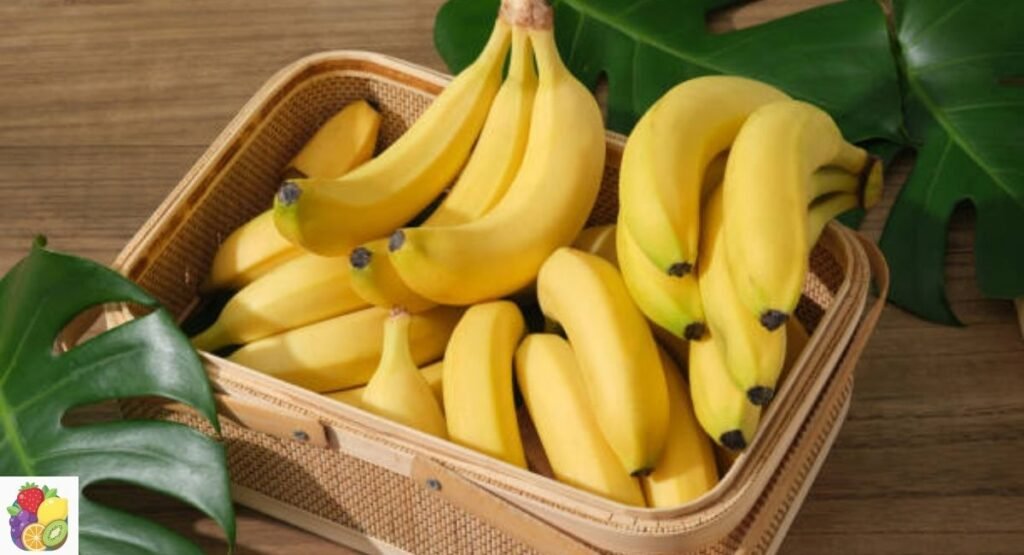
Banana is one of the easiest fruits that start with B to recognize. Its yellow peel surrounds soft, creamy flesh with a naturally sweet flavor. Bananas grow in warm climates and are now enjoyed worldwide.
In the United States, bananas are common breakfast foods and smoothie ingredients. They also work well in banana bread, pancakes, puddings, and desserts. Different banana varieties range from small sweet types to larger cooking bananas called plantains.
2. Blueberry
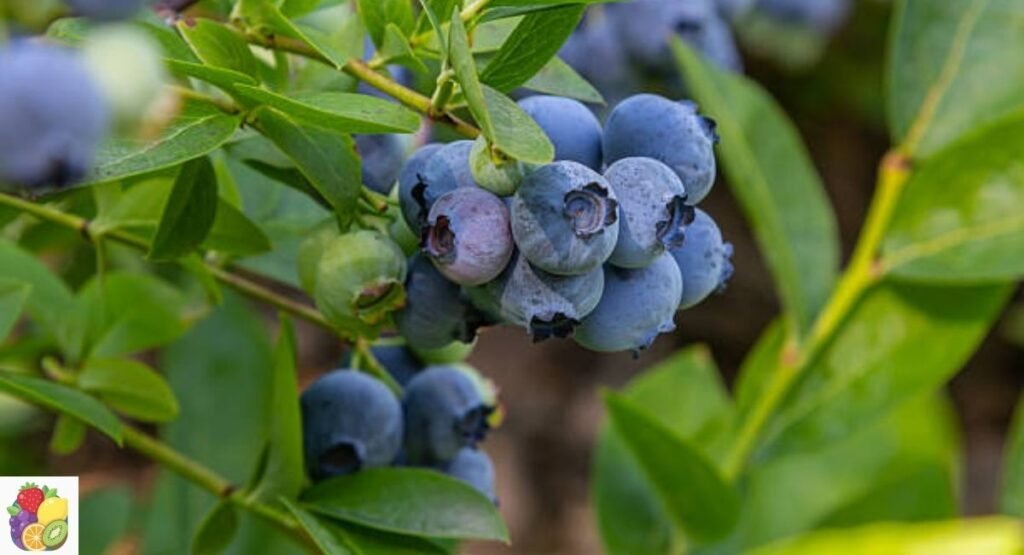
Blueberries are small, round fruits with blue to blue-purple skin. Their flavor can range from mildly sweet to distinctly sweet-tart, depending on the variety and ripeness.
Wild blueberries are generally smaller than many cultivated types. They are popular in the United States for muffins, pancakes, yogurt, oatmeal, pies, smoothies, and fresh snacks. Their deep color also makes them one of the most recognizable blue fruits.
3. Blackberry
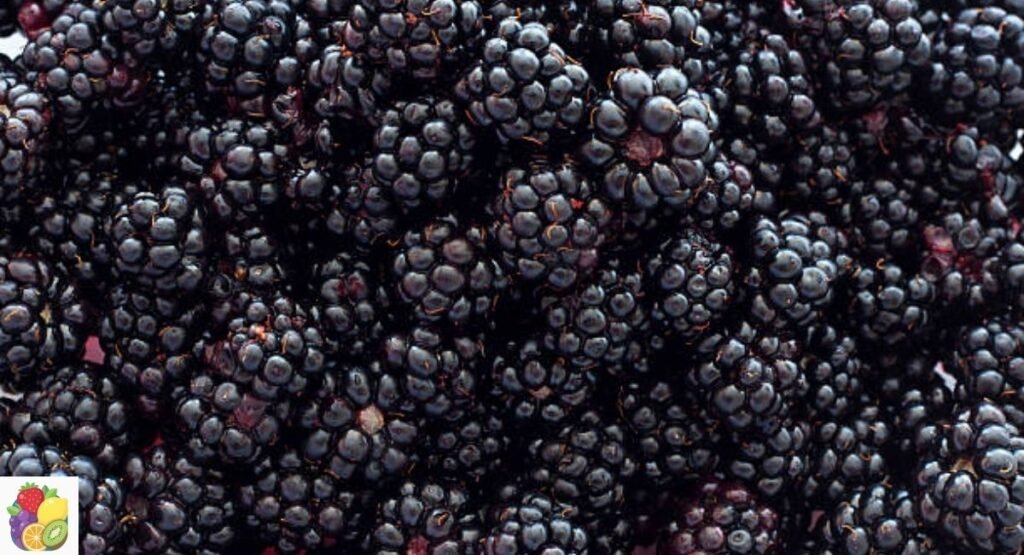
Blackberries are dark fruits made from many tiny sections called drupelets. They usually have a juicy texture and a flavor that balances sweetness with noticeable acidity.
You can find blackberries growing wild in some regions as well as cultivated varieties in grocery stores. They are commonly used in pies, jams, sauces, smoothies, and desserts. Their dark appearance also makes them a natural choice when discussing black fruits.
4. Black Currant
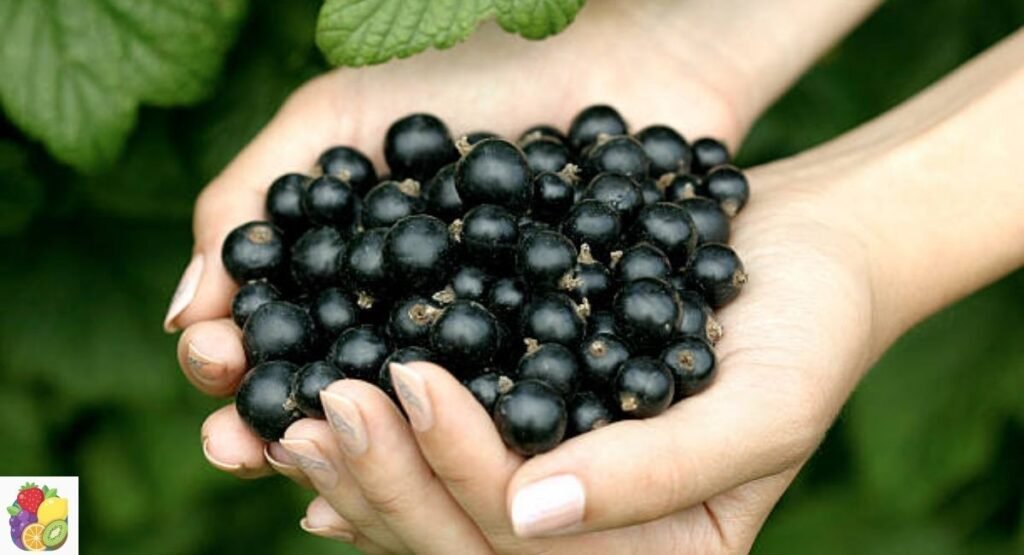
Black currants are small, dark berries with a strong aroma and a distinctly tart flavor. Their color can appear almost black, although the fruit often has deep purple tones.
Fresh black currants can taste sharper than familiar berries. Cooking or sweetening them creates a more balanced flavor. They are commonly used in juices, syrups, jams, jellies, and desserts. Black currant is also known botanically as Ribes nigrum.
5. Black Raspberry
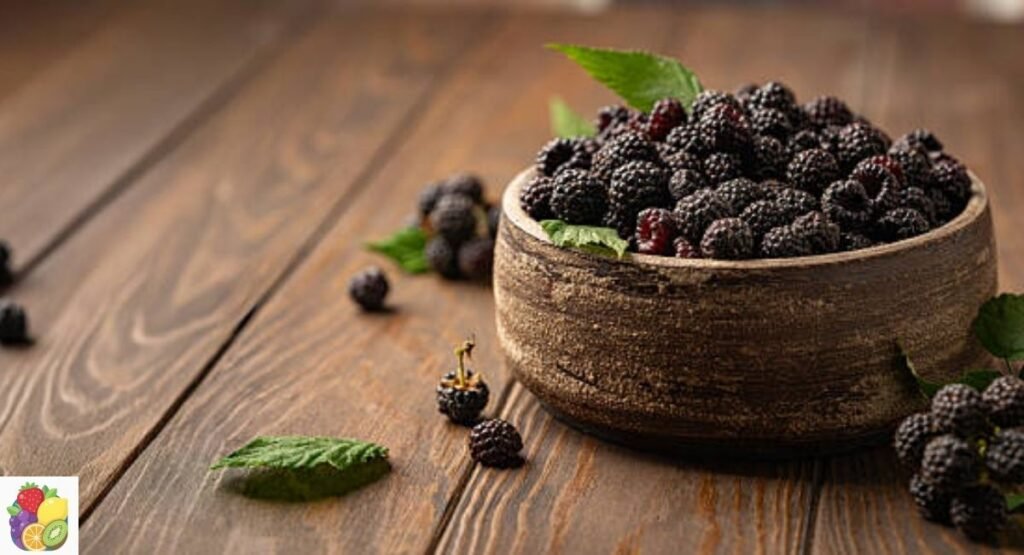
Black raspberries look similar to blackberries but belong to a different type of raspberry. They have a deep purple-black color and a juicy sweet-tart flavor.
These berries are native to parts of North America and can be eaten fresh or turned into jams, sauces, pies, and other desserts. Their dark color makes them visually striking. They also provide another example of how several berry fruits can begin with the same letter.
6. Buddha’s Hand
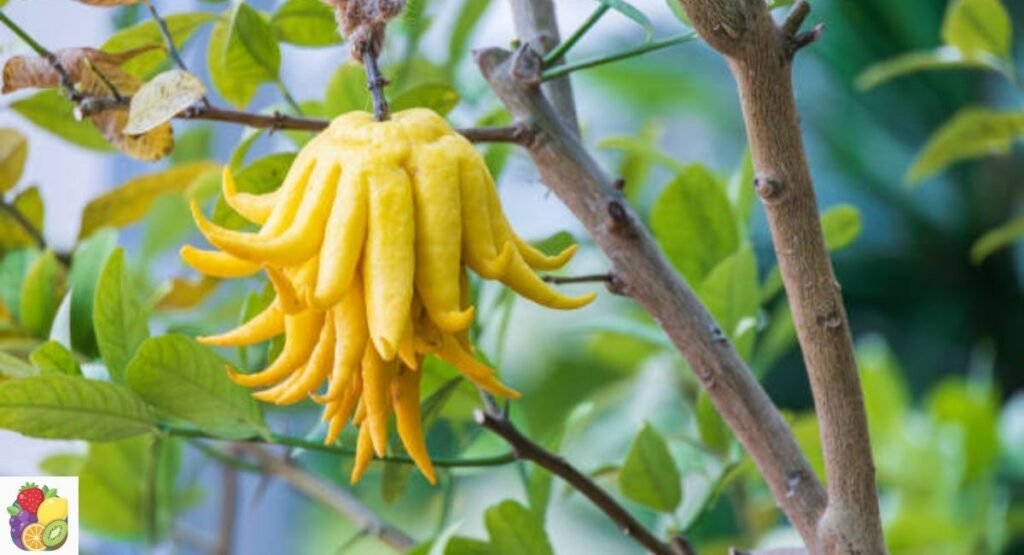
Buddha’s Hand is an unusual citrus fruit known for its finger-like shape and bright yellow rind. Unlike ordinary lemons and oranges, it has little to no juicy pulp. Its fragrant peel is the main part people use.
This fruit has a strong citrus aroma with a mild, slightly bitter taste. It is often used for zest, candied peel, desserts, infusions, and garnishes. Its unusual appearance also makes it popular as a decorative fruit.
7. Black Beauty Plum
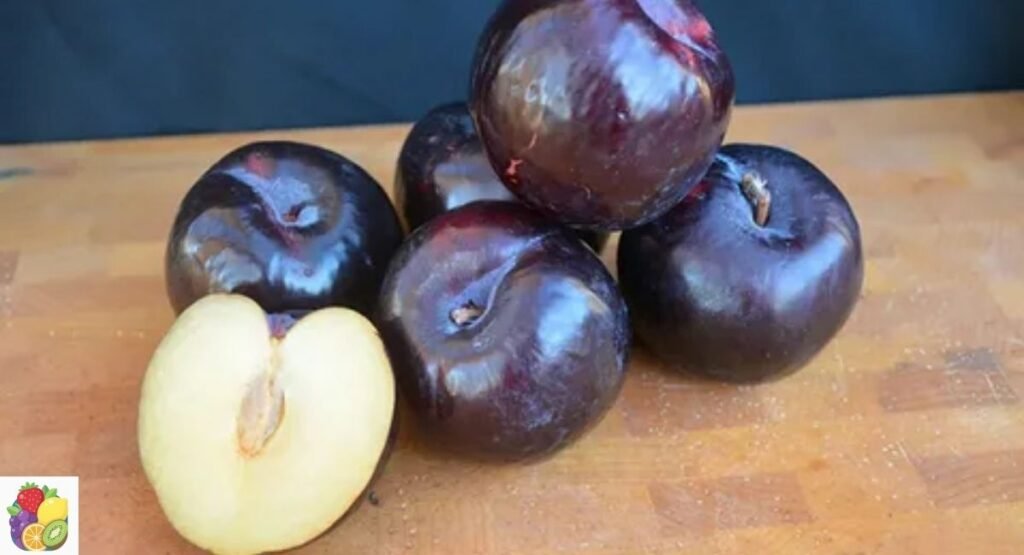
Black Beauty Plum is a striking plum variety with deep purple to almost black skin and juicy yellow-red flesh. It has a sweet flavor with a gentle tart note, making it enjoyable as a fresh snack or sliced into fruit salads.
When fully ripe, its smooth skin and rich color make it especially eye-catching. It can also be used in desserts, jams, pies, and sauces. This attractive plum adds a familiar yet distinctive choice to the list of fruits that start with B.
8. Barbados Cherry
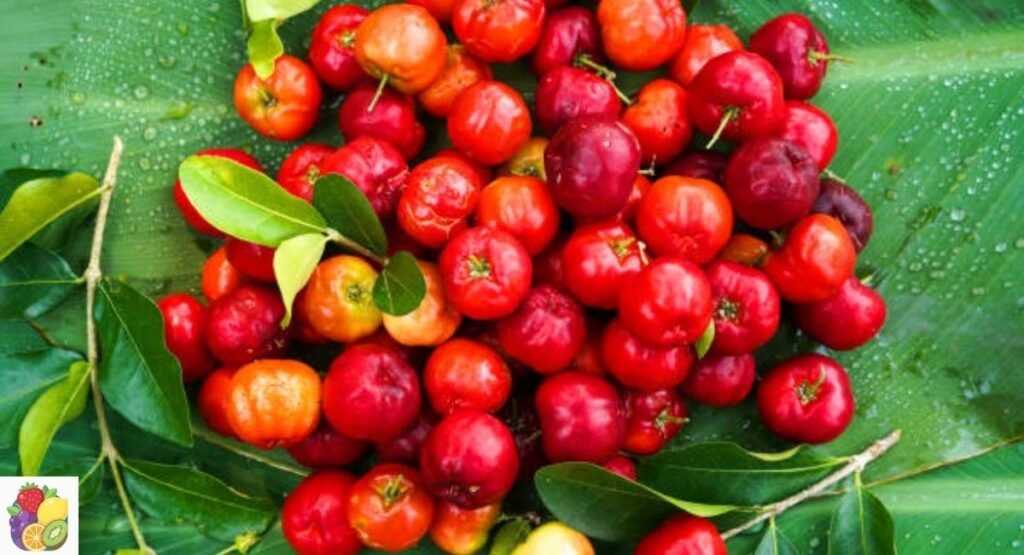
Barbados cherry, also called acerola, is a small tropical fruit with bright red skin when ripe. Its juicy flesh has a refreshing sweet-tart flavor that can become quite acidic.
The fruit is associated with the Caribbean and parts of Central America. It can be eaten fresh or used in juices, drinks, jams, and other preparations. Acerola is also widely recognized for its naturally high vitamin C content.
9. Bael
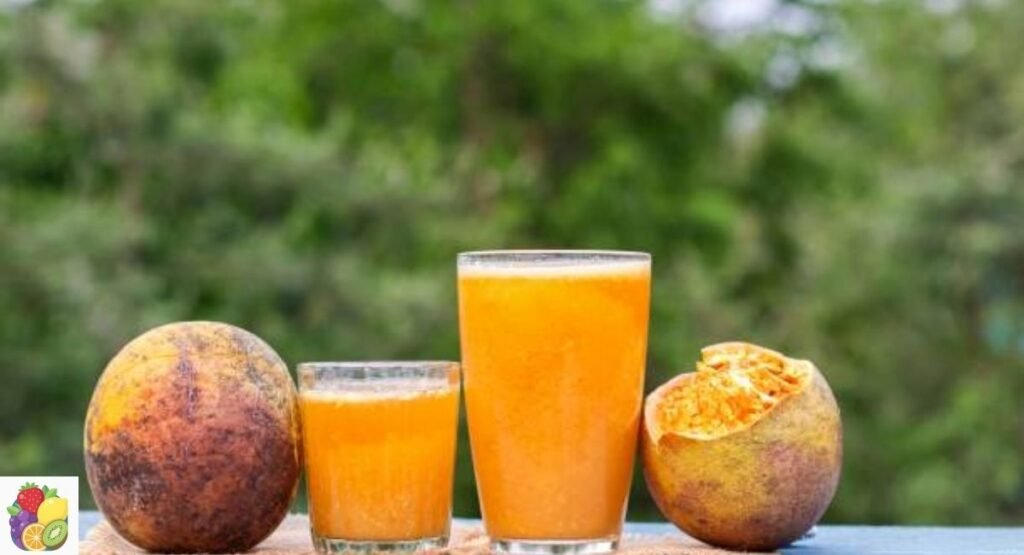
Bael is an unusual tree fruit associated with South Asia. Its hard outer shell protects aromatic pulp that becomes softer as the fruit matures. The fruit can range from green to yellowish.
Bael is often used to make traditional drinks, including bael juice and sherbet. Its flavor is distinctive rather than simply sweet. The fruit is especially interesting for readers exploring exotic fruits that start with B and traditional South Asian foods.
10. Babaco
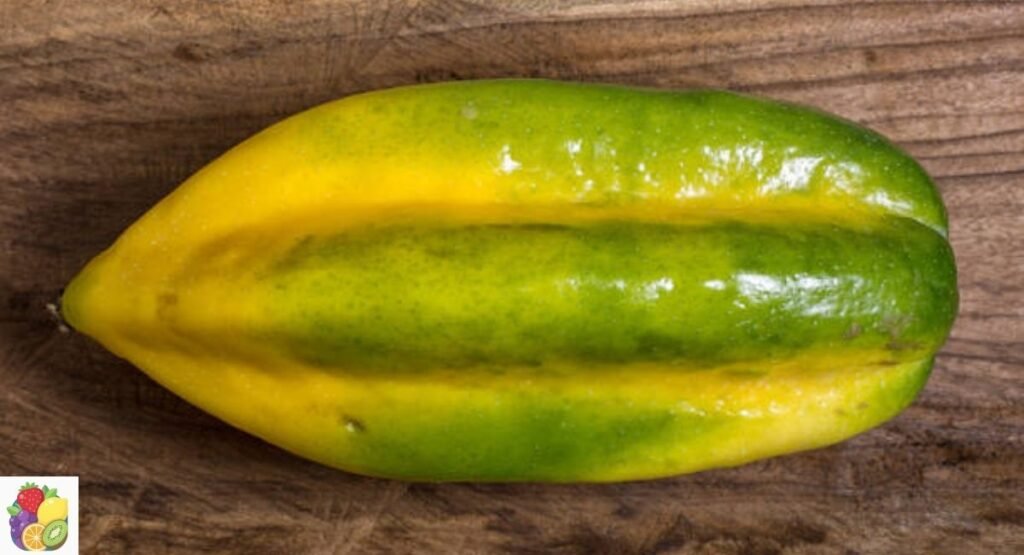
Babaco is an unusual Andean fruit related to papaya. It has an elongated shape with ridges running along its surface. As it ripens, the skin can become yellow while the flesh develops a refreshing flavor.
Babaco is strongly associated with Ecuador and other parts of the Andes. Its flavor is often described as a mixture of tropical fruit notes with pleasant acidity. This makes it a memorable example of an exotic tropical fruit.
11. Bilimbi
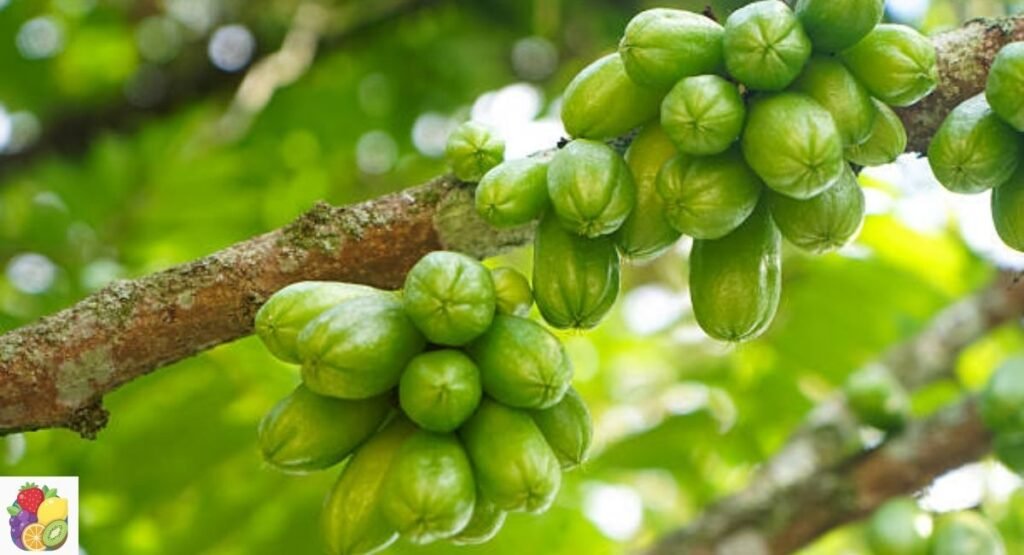
Bilimbi is a small green tropical fruit with a long, ridged shape. It belongs to the same family as star fruit but looks quite different. Its flavor is famously sharp and sour.
Because of its intense acidity, bilimbi is often used in pickles, sauces, chutneys, soups, and other savory preparations. Kew records Averrhoa bilimbi as native to Central and eastern Malesia and associated with wet tropical environments.
12. Black Sapote
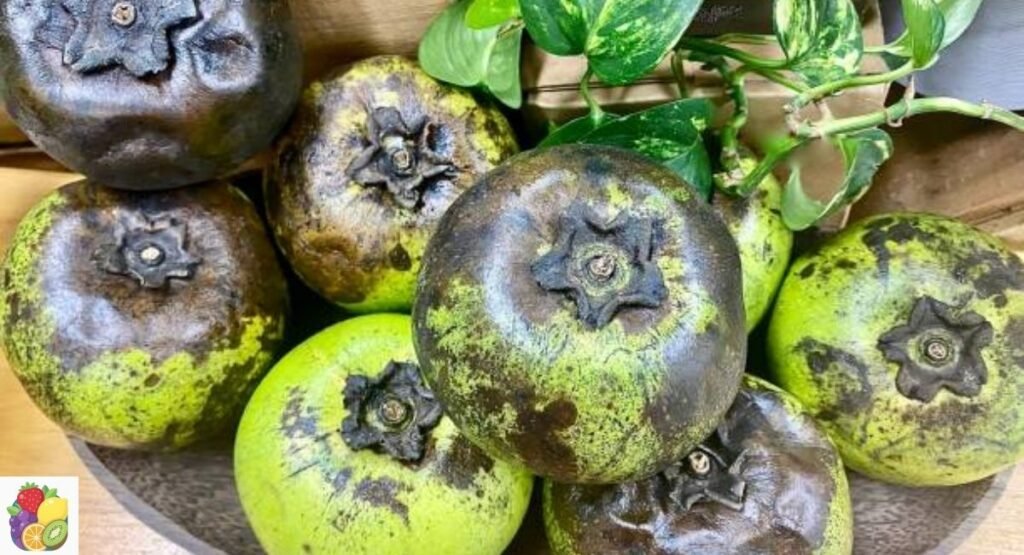
Black sapote is one of the most unusual fruits in this collection. Its green skin hides soft flesh that becomes dark chocolate-brown when fully ripe. The texture can become remarkably smooth and pudding-like.
This tropical fruit is native to Mexico and Central America. Kew records its ripe fruit as having thin green skin and soft dark chocolate-brown pulp. Its dessert-like texture explains the nickname chocolate pudding fruit.
13. Blood Orange
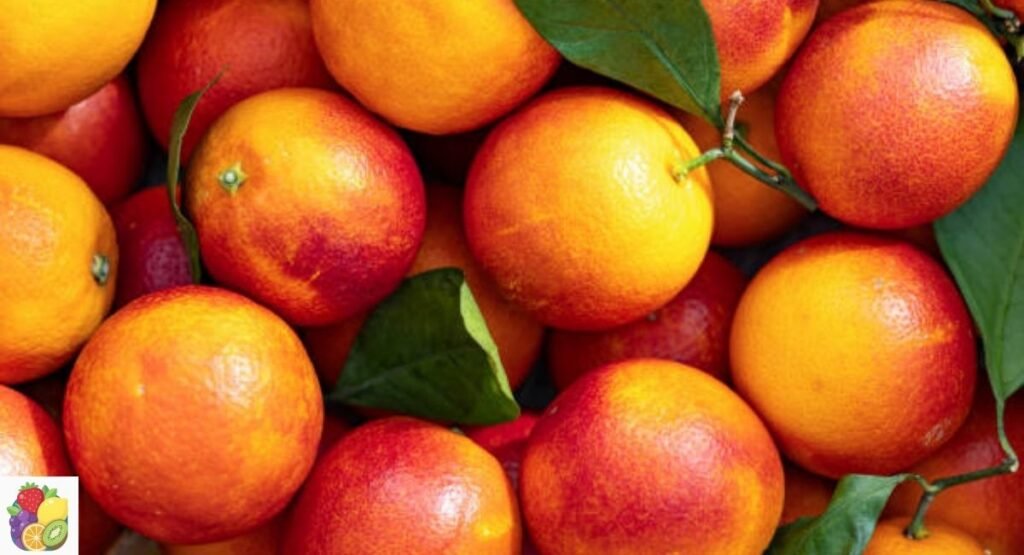
Blood orange is a citrus fruit recognized by its reddish or deep crimson flesh. The color can vary between varieties and growing conditions. Its flavor usually combines normal orange sweetness with a sharper citrus note.
Some well-known types include Moro and Tarocco. Blood oranges can be eaten fresh or squeezed into juice. Their dramatic interior also makes them popular for salads, desserts, garnishes, and colorful citrus recipes.
14. Blood Lime
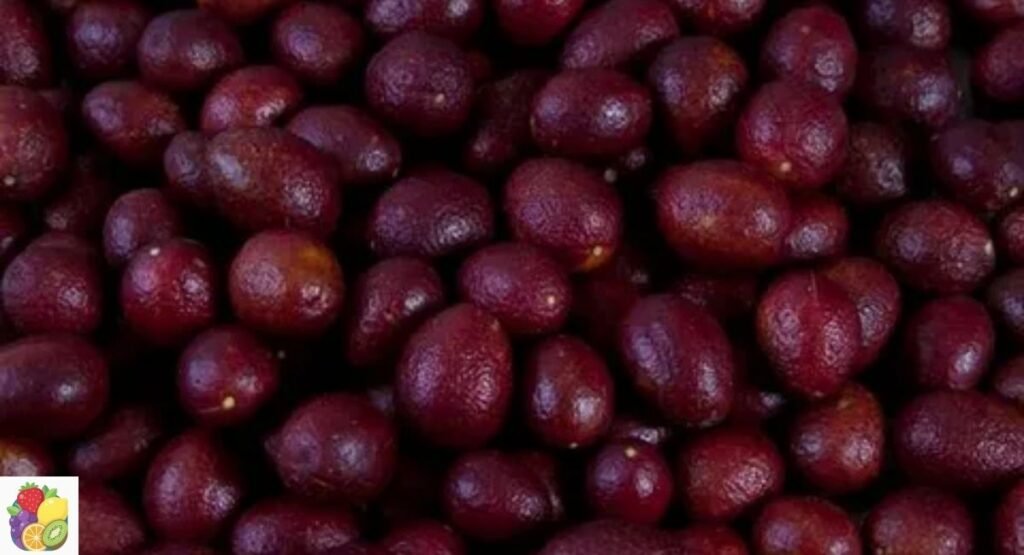
Blood lime is an unusual citrus hybrid valued for its distinctive appearance. Depending on the fruit, the skin and interior can show red, pink, green, or purple tones.
Its flavor is generally sharp and citrusy rather than dessert-sweet. Blood lime can add acidity to drinks, sauces, desserts, and garnishes. For American shoppers, it is much less familiar than ordinary limes, making it a fascinating example of a unique fruit.
15. Breadfruit
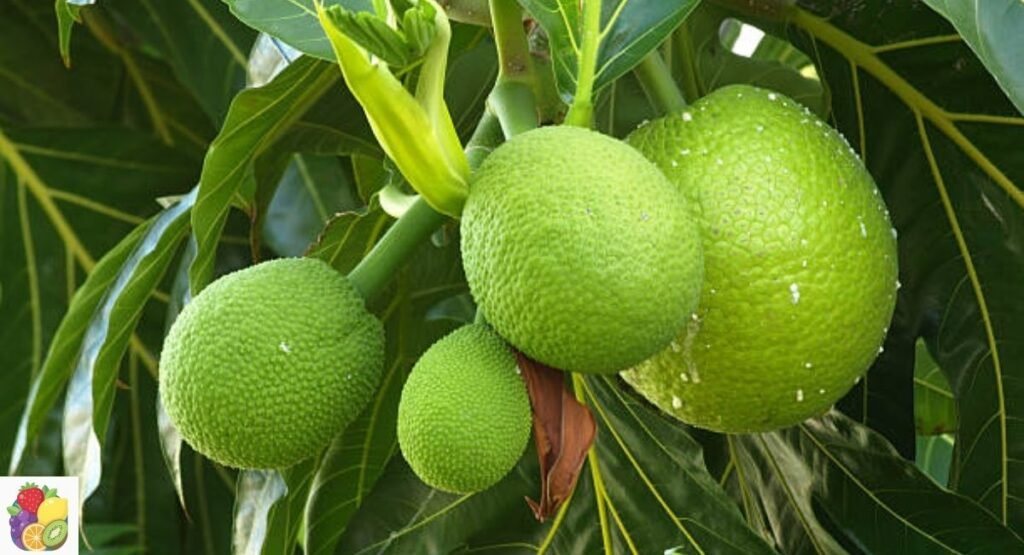
Breadfruit is a large tropical fruit that is often prepared more like a starchy food than a sweet snack. Its green skin has a textured surface, while the flesh becomes soft and starchy when cooked.
Kew describes breadfruit as a major food crop in Pacific regions and notes that its cooked texture can resemble bread or potato. It can be roasted, baked, boiled, fried, or prepared in other savory ways.
16. Bignay
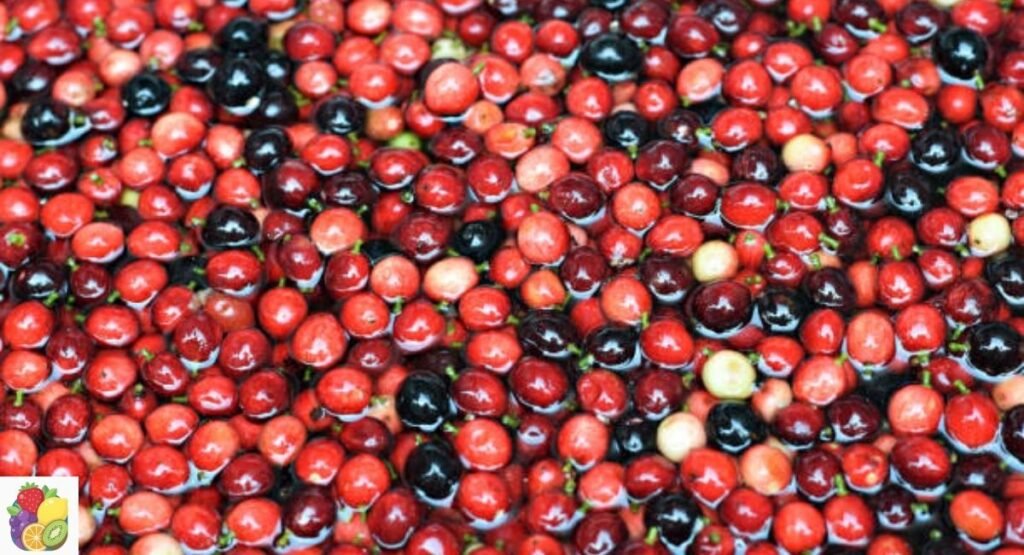
Bignay is a small fruit that grows in clusters and is associated with Southeast Asia. The berries can develop from reddish shades toward deeper purple as they mature.
Its flavor can be tart and sweet at the same time. Bignay is used in regional drinks, preserves, and other food preparations. Because it is not widely available in ordinary U.S. supermarkets, it belongs naturally among lesser-known tropical fruits.
17. Biriba
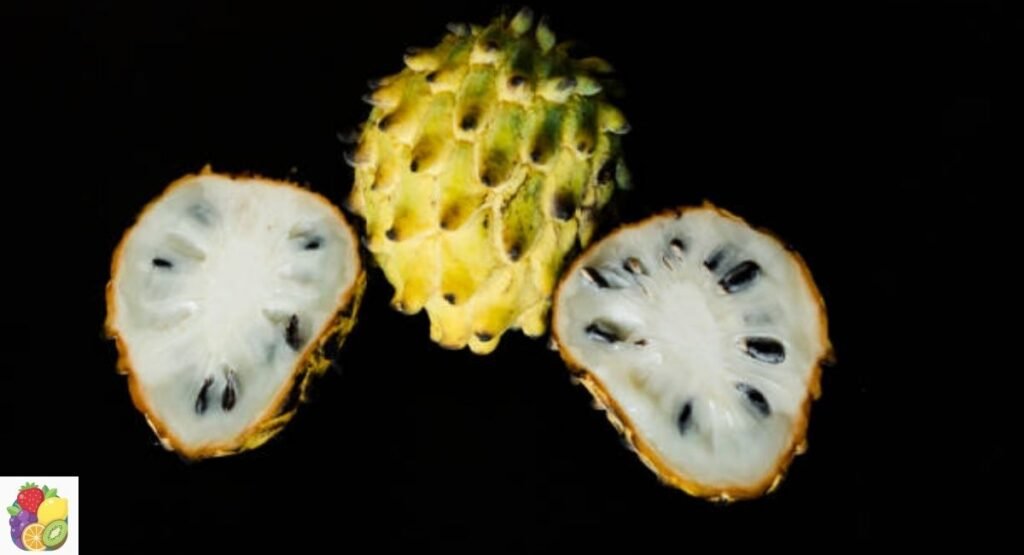
Biriba is a tropical fruit with a textured exterior and soft interior. When ripe, its flesh can have a creamy consistency and a pleasant sweet flavor.
The fruit is associated with tropical South America and is usually eaten when mature. Its custard-like character makes it interesting for smoothies, desserts, or simple fresh eating. Biriba is one of the unusual B fruits that many American readers may not have tried.
18. Bacuri
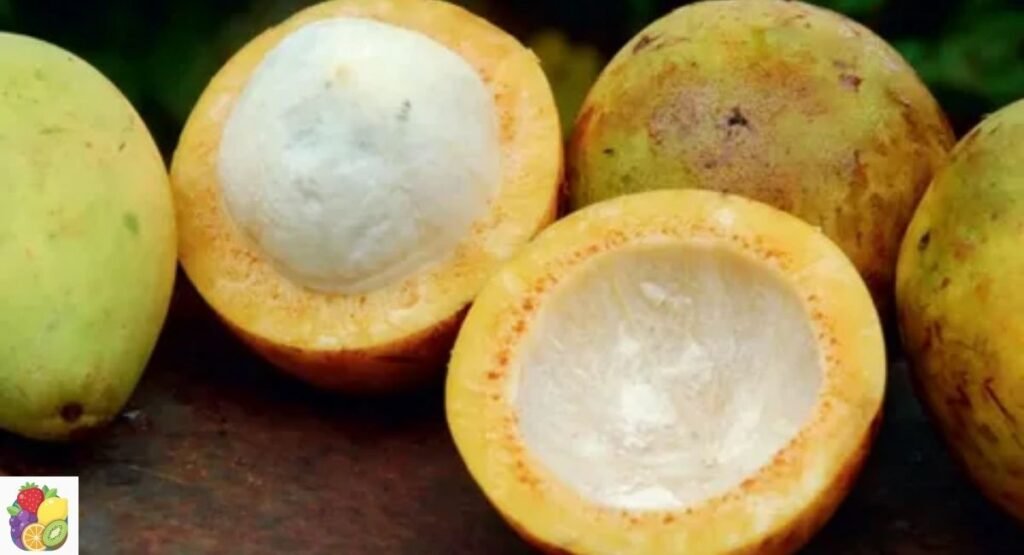
Bacuri is a tropical fruit associated with the Amazon region, especially Brazil. It has a thick outer covering and aromatic yellowish pulp inside.
The pulp has a sweet-tart flavor and can be used in desserts, drinks, ice creams, and regional preparations. Bacuri is especially valuable in a list of exotic fruits beginning with B because it introduces readers to a fruit strongly connected with Amazonian food traditions.
19. Barberry
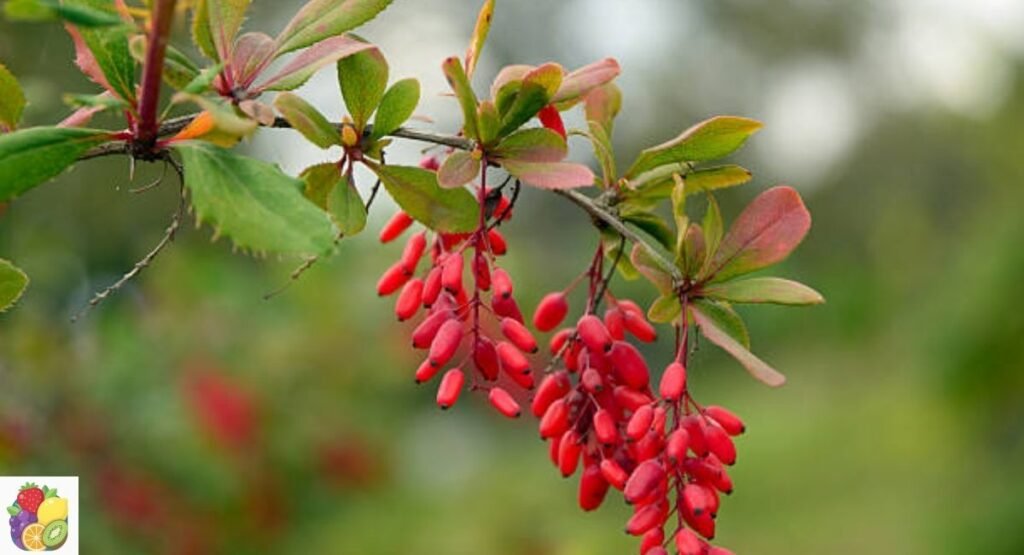
Barberry refers to fruits produced by species of the Berberis group. Many have a bright red appearance and a sharp, acidic flavor that makes them different from sweeter berries.
Dried barberries are used in several cuisines, especially where their sour taste can brighten rice dishes and other recipes. They can also appear in jams, sauces, and preserves. Their strong acidity makes barberry one of the more distinctive tart fruits on this list.
20. Brush Cherry
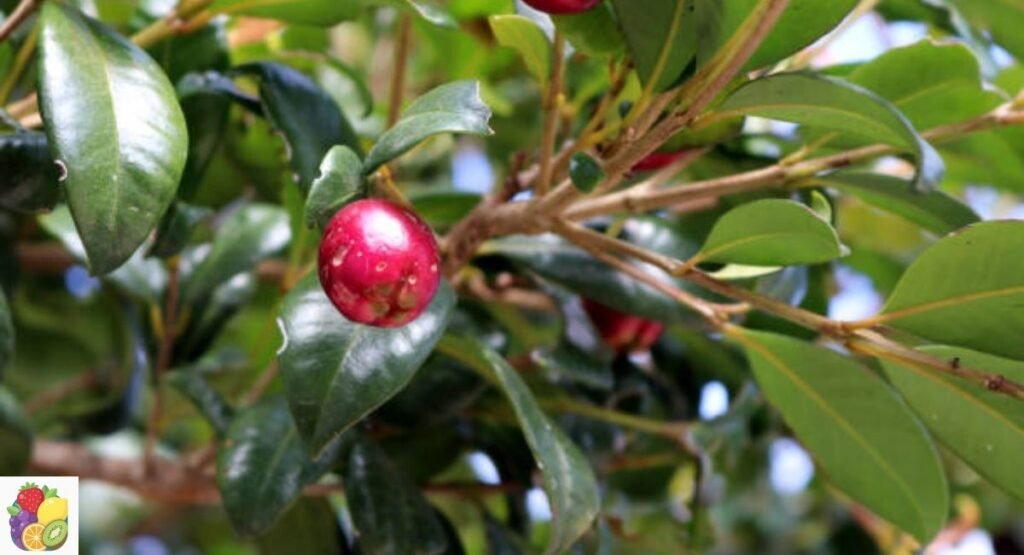
Brush cherry is a small Australian fruit associated with plants commonly called Lilly Pilly. The fruits can develop red to purple shades and usually have a firm or crisp texture.
Their flavor can be tart and mildly sweet. Brush cherries are often used for jams, jellies, and other preserves rather than being a major supermarket fruit. They add an Australian native fruit to this diverse collection of B fruits.
B Fruits by Category
Looking at fruits beginning with B by category makes the list easier to understand. Some are familiar supermarket foods, while others grow mainly in tropical regions or specific parts of the world.
The category can also change depending on how a fruit is used. Breadfruit, for example, is botanically a fruit but is commonly prepared as a starchy food. Kew describes it as a tropical staple cultivated widely across the Pacific and other tropical regions.
Common Fruits That Start With B
Banana, blueberry, blackberry, and black currant are among the more familiar B fruits for many American readers. These fruits are easier to find in supermarkets and farmers’ markets than specialty tropical species.
Their uses are also broad. Bananas work well in breakfast foods, blueberries fit baked goods, and blackberries make excellent desserts and preserves. These familiar options make a useful starting point for exploring less common fruits.
Exotic Fruits That Start With B
Babaco, bael, bilimbi, black sapote, biriba, and bacuri offer a very different experience. These exotic fruits have unusual shapes, textures, flavors, or growing regions.
Some are difficult to find outside their native regions. Others appear at specialty markets or international stores. Their limited availability makes them especially interesting to readers who want to explore new ingredients.
Tropical Fruits That Start With B
Banana, Barbados cherry, babaco, bilimbi, black sapote, breadfruit, biriba, and bacuri represent several kinds of tropical fruits. Most prefer warm conditions and many are associated with tropical or subtropical regions.
Their flavors vary dramatically. Banana is creamy and sweet, bilimbi is sharply sour, and breadfruit becomes starchy when cooked. This variety shows why tropical fruit cannot be described by one flavor profile.
Berry Fruits That Start With B
Blueberry, blackberry, black currant, black raspberry, boysenberry, bilberry, and barberry all fit everyday discussions of berry fruits. Bignay and Barbados cherry can also be included in broader culinary groupings.
The word “berry” can have different meanings in everyday food language and botanical science. For this article, the focus is on fruits commonly recognized or marketed as berries rather than applying only strict botanical definitions.
B Fruits by Color
Color can make it easier to remember different fruit names starting with B. Some fruits have vivid skins, while others hide a dramatic color inside.
Ripeness can also change appearance. A fruit may start green and later become yellow, red, purple, or another shade. That is why color should be treated as a useful identification clue rather than the only way to identify a fruit.
Yellow Fruits That Start With B
Bananas are the clearest yellow fruit on this list. Babaco can also develop attractive yellow skin as it ripens. Their textures and flavors are very different despite sharing a similar color.
Banana has soft, creamy flesh and strong sweetness. Babaco has a firmer texture with a refreshing sweet-tart character. Both demonstrate the range found among yellow fruits beginning with B.
Red Fruits That Start With B
Barbados cherry, blood orange, bignay, barberry, and brush cherry can display noticeable red shades. Some develop red skin, while others show red or crimson tones inside.
Red coloration can make fruit visually appealing in salads, desserts, drinks, and garnishes. Blood orange is especially striking because the interior may contrast strongly with the ordinary orange-colored peel.
Black Fruits That Start With B
Blackberry, black raspberry, black currant, and black sapote all have dark tones. Their similarities largely end there because they differ greatly in structure and flavor.
Blackberry and black raspberry are juicy berries. Black currant has a sharper taste. Black sapote is a tropical fruit with soft dark pulp. Kew confirms the characteristic chocolate-brown pulp of ripe black sapote.
Green Fruits That Start With B
Bilimbi and breadfruit are commonly associated with green skin. Black sapote also has green skin even though its ripe flesh becomes dark brown.
Green skin does not always mean a fruit is unripe. In some species, green remains part of the mature appearance. This is especially important when identifying unusual tropical fruits.
Blue and Purple Fruits That Start With B
Blueberries and bilberries provide the clearest blue tones. Boysenberries, black currants, and blackberries can move toward deep purple or nearly black shades.
These colors often make berries attractive additions to desserts and fruit bowls. Their visual differences are useful when comparing blue and purple fruits that begin with B.
B Fruits by Flavor
Flavor is another simple way to compare fruits that start with B. Some are naturally sugary and mild, while others have strong acidity that makes them better suited to cooking.
Ripeness plays an important role too. A ripe fruit may taste much sweeter than an immature one. Preparation can also change the experience by adding sugar, heat, spices, or other ingredients.
Sweet Fruits That Start With B
Banana is a classic sweet B fruit. Blueberry, blackberry, boysenberry, black sapote, and some varieties of babaco can also provide sweet flavors when ripe.
These fruits work well in breakfast bowls, smoothies, desserts, and fresh snacks. Black sapote is particularly unusual because its ripe pulp becomes soft and chocolate-like in texture.
Sour Fruits That Start With B
Bilimbi is one of the strongest examples of a sour B fruit. Blood lime, Barbados cherry, and some forms of barberry can also have noticeable acidity.
Sour fruits often become more useful when paired with sweetness or savory ingredients. They can brighten sauces, drinks, pickles, chutneys, preserves, and marinades without needing a large amount.
Tart Fruits That Start With B
Black currant, bilberry, barberry, bignay, blackberry, and blood orange can all have varying levels of tartness. Their acidity creates a more complex flavor than simple sweetness.
Tart fruits are excellent for jams, pies, sauces, juices, and desserts. Adding sugar can soften the sharp edge, while cooking often changes both texture and aroma.
Conclusion
The world of fruits that start with B is much larger and more colorful than it first appears. Bananas and blueberries may be the most familiar, but fruits such as babaco, bilimbi, bacuri, biriba, and black sapote offer completely different experiences.
From sweet berries to sharp citrus and starchy breadfruit, these 20 choices cover an impressive range of flavors and textures. Some are easy to find in U.S. stores, while others are regional specialties. Exploring them can turn a simple alphabetical fruit list into a fun journey through global food culture.
FAQs
What fruit starts with B?
Many fruits start with B. Common examples include banana, blueberry, blackberry, black currant, black raspberry, and boysenberry. Less familiar choices include babaco, bael, bilimbi, and bacuri.
What are some fruits that start with B?
Some examples are banana, blueberry, blackberry, bilberry, Barbados cherry, bael, black sapote, blood orange, breadfruit, and barberry. The group includes common fruits, berries, citrus, and tropical species.
What are the most common fruits that start with B?
Bananas, blueberries, and blackberries are among the most familiar B fruits for U.S. shoppers. They are commonly available fresh and are also widely used in baked foods, smoothies, breakfast dishes, and desserts.
What exotic fruits start with B?
Babaco, bael, bilimbi, black sapote, biriba, and bacuri are notable exotic fruits that start with B. Many have limited availability in ordinary American supermarkets because they are associated with specific tropical or regional growing areas.
What berries start with B?
Blueberry, blackberry, black currant, black raspberry, boysenberry, bilberry, and barberry are common examples. Bignay and Barbados cherry can also appear in broader culinary lists of B berries.

Welcome to Fruitloria.com! I’m Anam Sattar, an AI-powered SEO Specialist and Content Writer with over 4 years of experience in creating high-quality, search-optimized content. I help businesses improve their search engine rankings, increase organic traffic, and build beautiful, user-friendly websites. My mission is to make SEO, content creation, and web design simple, effective, and accessible for everyone. Let’s grow your online presence and achieve success together!
2 thoughts on “20 Fruits That Start With B: Common, Exotic & Unique”