

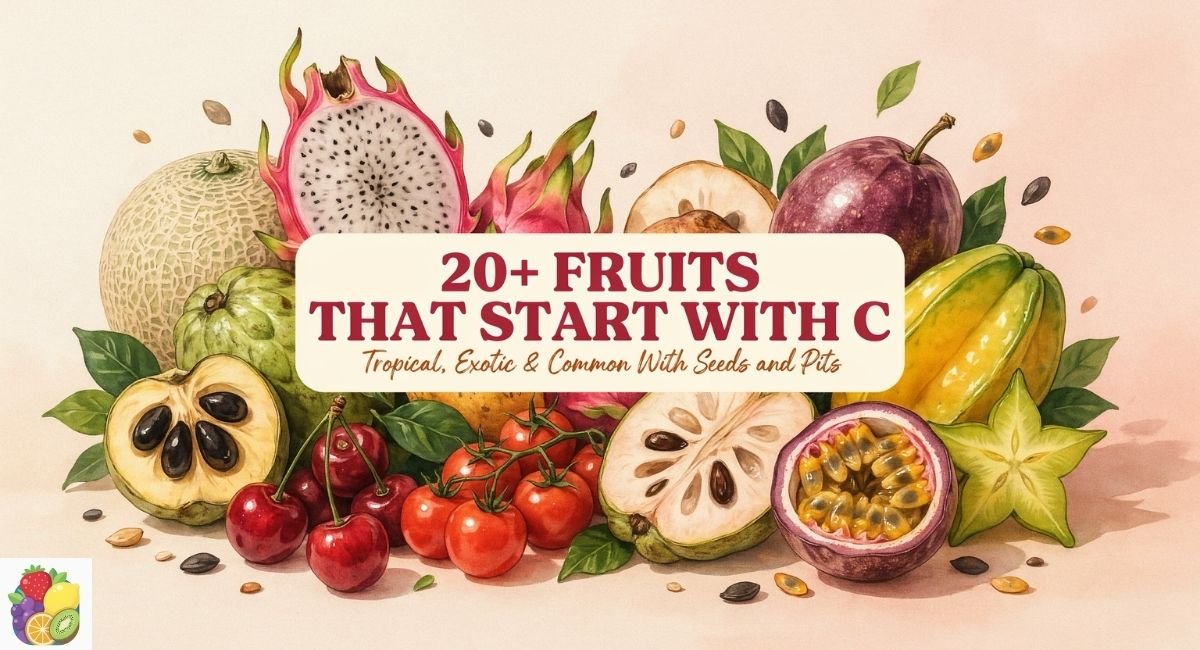
If you’re searching for Fruits That Start With C, you’ll find an exciting mix of familiar favorites and unusual discoveries. From juicy cantaloupe and sweet cherries to tart cranberries and fragrant citrus, the letter C offers plenty of tasty choices. Some fruits beginning with C grow in tropical regions, while others are common in American grocery stores. You’ll also find exotic options such as cherimoya, cupuaçu, camu camu, and cempedak.
Many have edible seeds, hard pits, creamy flesh, or crisp textures that make them unique. In this guide, we’ll explore their flavors, colors, origins, nutrition, and common uses. You’ll discover fruit names starting with C and learn what makes each variety special and worth trying.
Common Fruits That Start With C
Many common C fruits are easy to recognize and widely available across the United States. Cantaloupe, cherries, coconut, cranberries, and clementines appear in supermarkets, recipes, lunchboxes, and holiday dishes.
However, the letter C also includes lesser-known fruits with unusual textures and flavors. The sections below move from familiar choices to exotic fruit varieties, making it easier to discover both everyday and uncommon options.
1. Cantaloupe
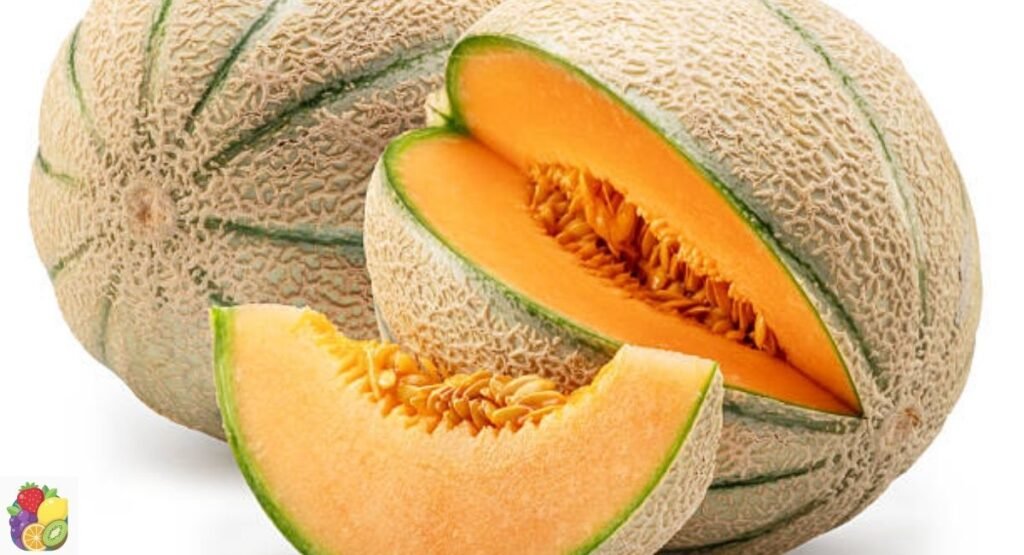
Cantaloupe is a sweet melon with orange flesh, pale netted skin, and a refreshing aroma. Its center contains many flat, cream-colored fruit seeds that you remove before eating. The juicy flesh works beautifully in fruit salads, smoothies, breakfast bowls, and chilled summer snacks.
2. Cherry
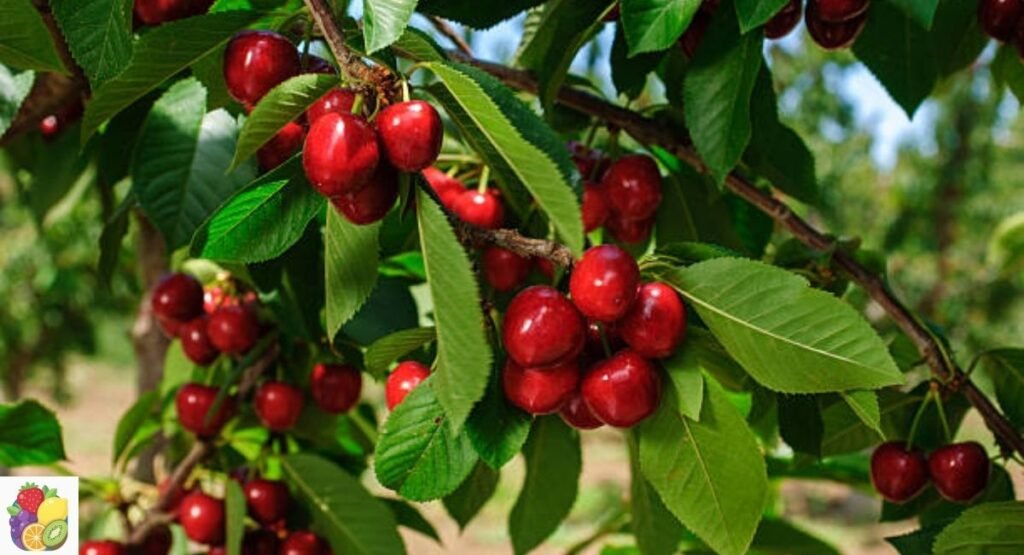
Cherries are classic stone fruits that range from sweet to distinctly tart. Their firm center contains a hard pit rather than loose seeds. Sweet cherries are popular for fresh eating, while tart varieties often appear in pies, sauces, preserves, and beverages. They also provide vitamin C, fiber, and plant compounds.
3. Coconut
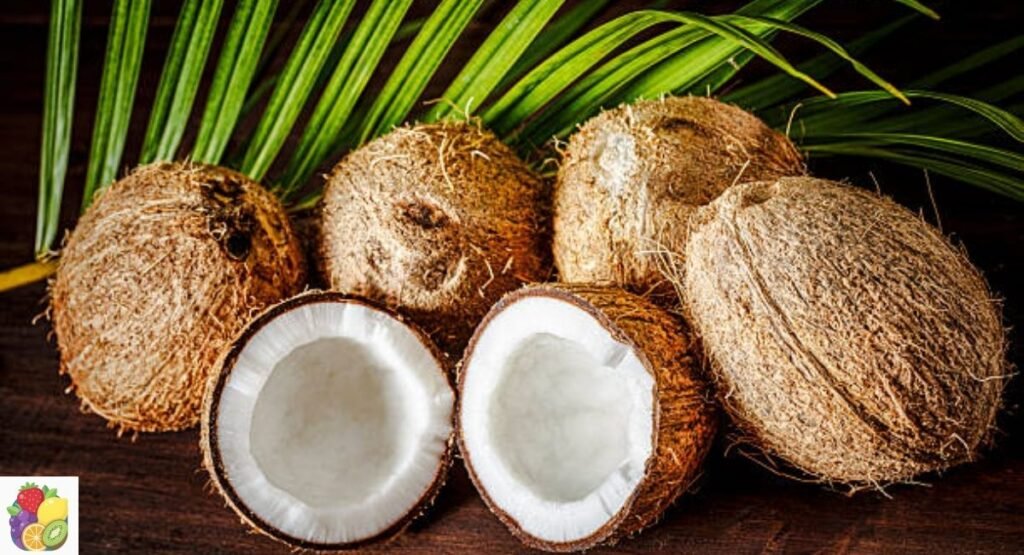
Coconut seems like a nut in everyday cooking, yet botanically it is a fruit. Its thick husk surrounds a hard shell, while the inside contains water and white flesh. Coconut water, flesh, milk, and cream all have different culinary uses. Coconut palms thrive in warm tropical regions.
4. Cranberry
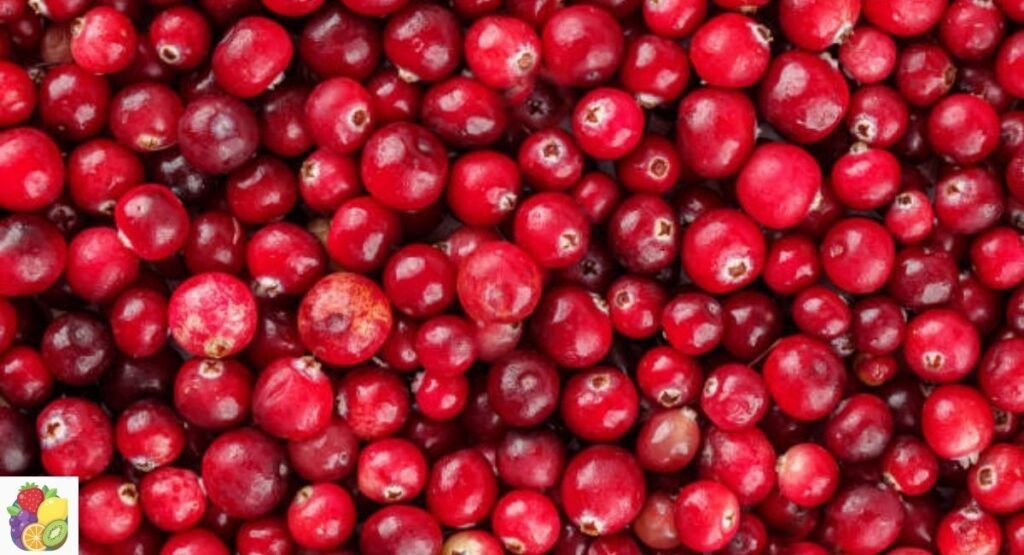
Cranberries are small red berries with a sharp, tart flavor. Unlike many sweeter berries, fresh cranberries can taste quite intense when eaten raw. They contain tiny seeds and work well in sauces, baked foods, juices, and dried snacks. Fresh fruits starting with C don’t get much more distinctive.
5. Clementine
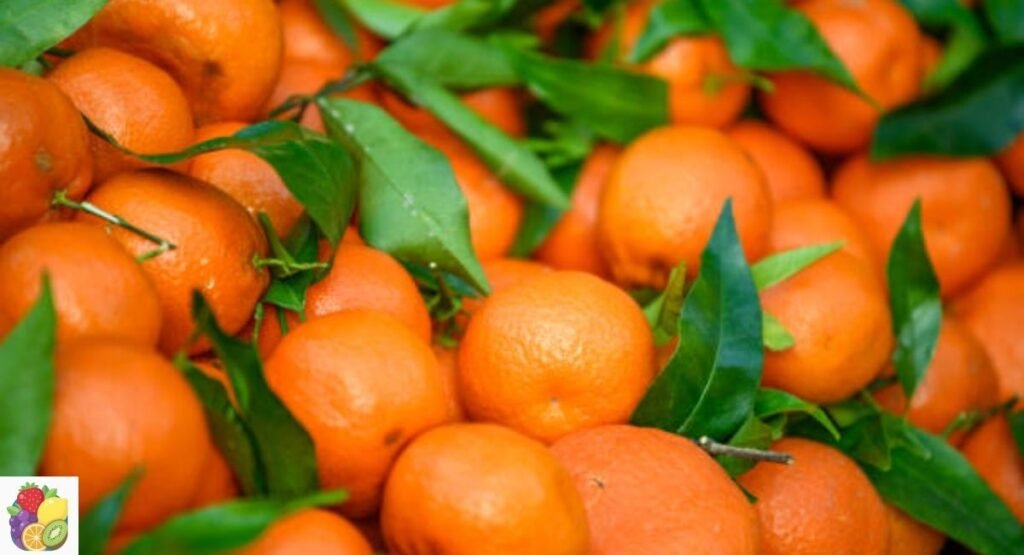
Clementines are small citrus fruits with bright orange skin and juicy segments. Their loose peel makes them especially convenient for snacks and lunchboxes. Many commercial clementines have few or no noticeable seeds. Compared with oranges, they are generally smaller, easier to peel, and often sweeter.
6. Crabapple
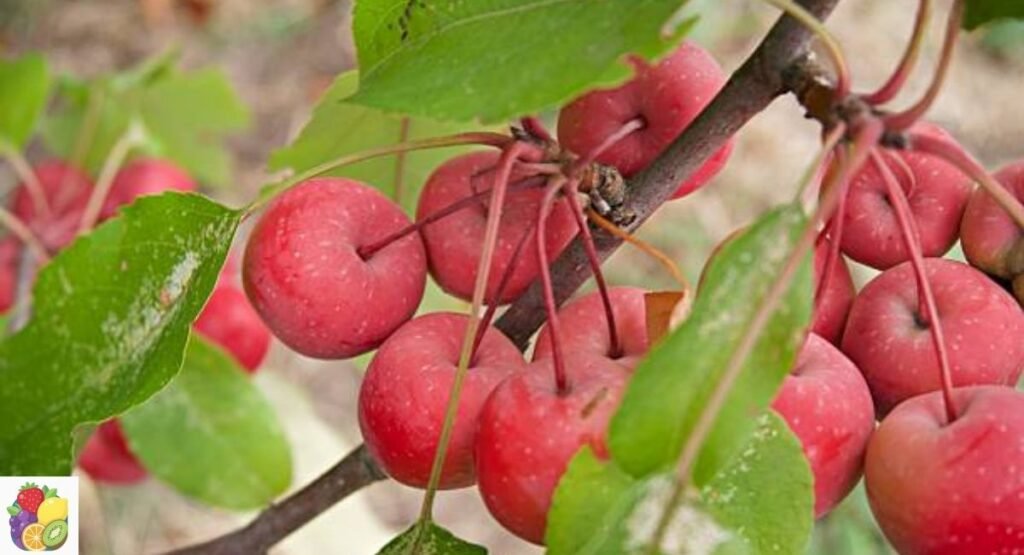
Crabapples are small fruits related to familiar apples. They can appear red, yellow, orange, or green depending on the variety. Their flavor often leans tart or acidic, which makes some types better for cooking than snacking. People use them for jellies, preserves, sauces, cider, and wildlife food.
7. Currant
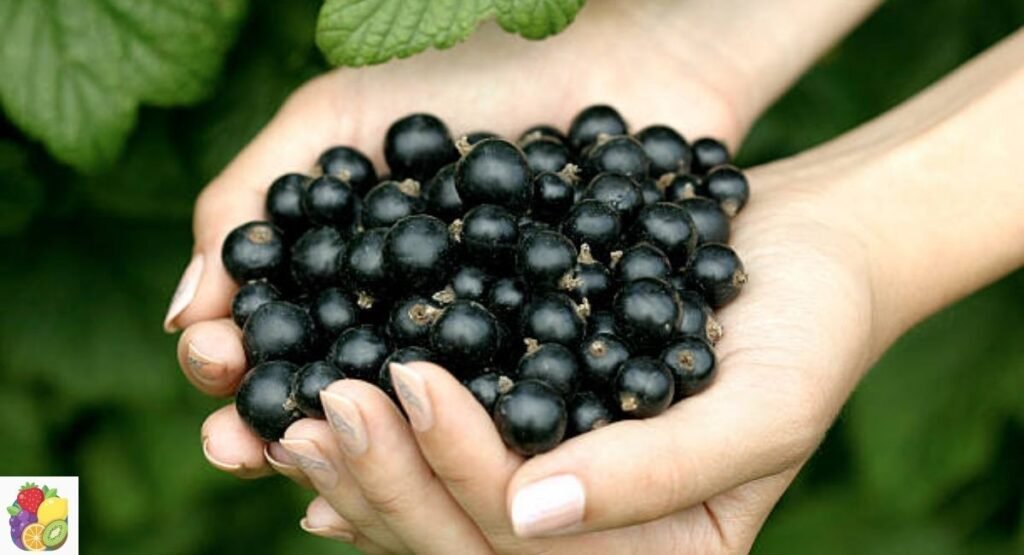
Currants are tiny berries available in red, black, and white forms. Red currants usually taste bright and tart, while black currants offer a deeper, more aromatic flavor. White currants tend to taste milder. These berry fruits work well in jams, jellies, desserts, sauces, and fresh dishes.
Tropical and Exotic Fruits That Start With C
Now the list gets more adventurous. Several tropical C fruits grow in warm climates across Asia, Africa, Central America, South America, and island regions. Some rarely appear fresh in American stores, yet their pulp or powders may still reach U.S. consumers.
These fruits can have unusual aromas, vivid colors, creamy flesh, or surprisingly sharp flavors. A few also have fascinating botanical structures. That variety makes C one of the more interesting starting letters for fruit names.
8. Cherimoya
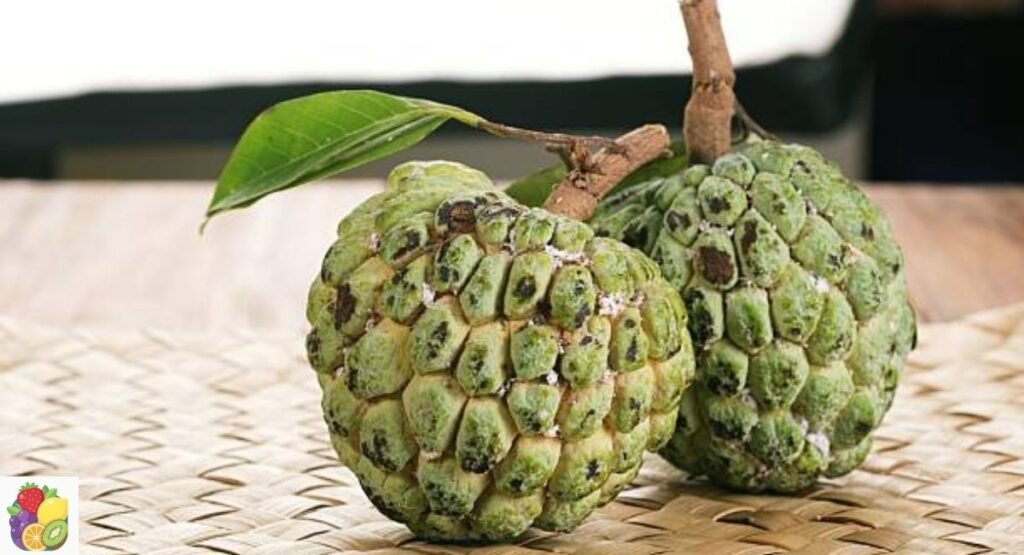
Cherimoya has green skin and soft, creamy flesh with a sweet tropical flavor. Its texture resembles custard, which explains the common nickname custard apple. Large dark seeds sit throughout the flesh and should not be eaten. The fruit tastes especially pleasant when chilled and eaten with a spoon.
9. Carambola
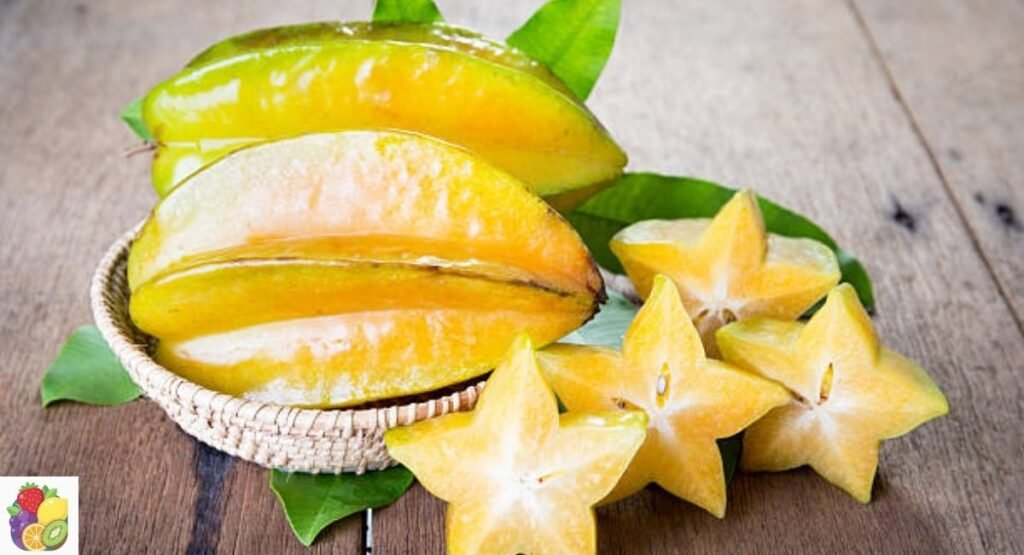
Carambola is better known in the United States as star fruit. Its ridged body creates a five-pointed star when sliced crosswise. The crisp flesh can taste sweet, mildly tart, or a mixture of both. Small seeds may occur inside. You can enjoy it fresh, in salads, drinks, or as a garnish.
10. Calamansi
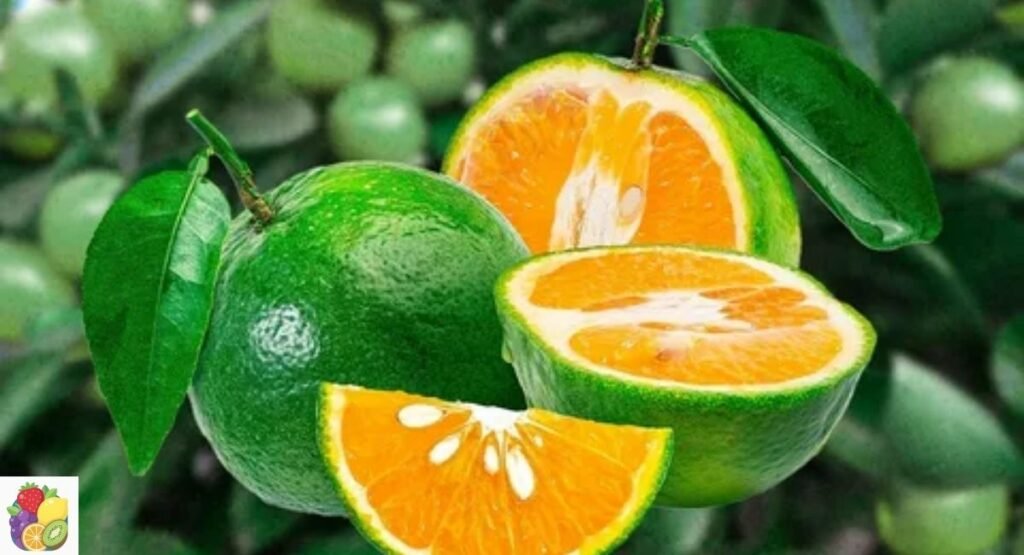
Calamansi is a tiny citrus fruit prized for its intense sourness and fragrant peel. Its appearance sits somewhere between a small lime and an orange. The fruit commonly appears in juices, marinades, dipping sauces, and beverages. Its sharp citrus flavor can brighten foods with just a small squeeze.
11. Cape Gooseberry
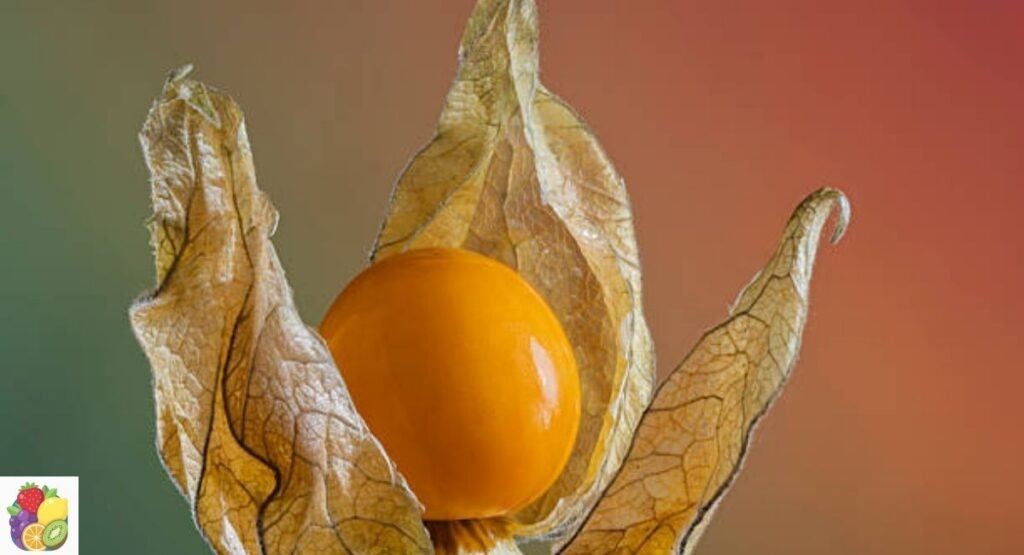
Cape gooseberries are small golden-orange fruits wrapped in a delicate papery husk. Their flavor combines sweetness with a pleasant tart edge. The tiny seeds remain inside the fruit and are edible. They work nicely in desserts, fruit salads, preserves, sauces, and decorative toppings.
12. Cashew Apple
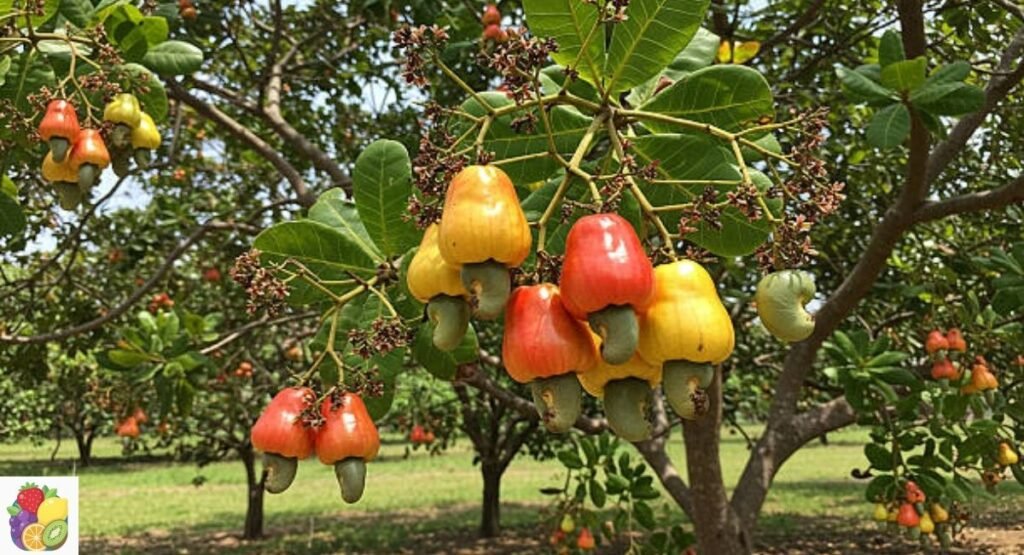
The cashew apple has one of the strangest structures among fruits with seeds. The fleshy apple-like part develops above the cashew seed, which hangs outside the fruit. Its juicy flesh can taste sweet, acidic, or slightly astringent. People eat it fresh or use it for juices and regional beverages.
13. Canistel
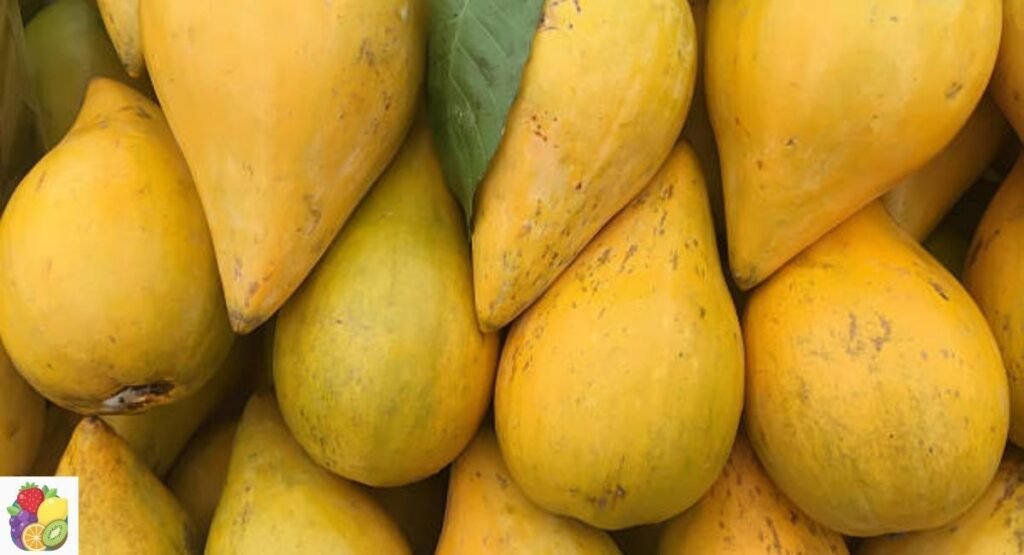
Canistel is a tropical fruit with yellow to orange flesh and a dense, custard-like texture. Its unusual consistency earned it the nickname eggfruit. The flavor can suggest sweet potato, pumpkin, caramel, or custard. Large seeds occupy the center, while the soft flesh works well in shakes and desserts.
14. Citron
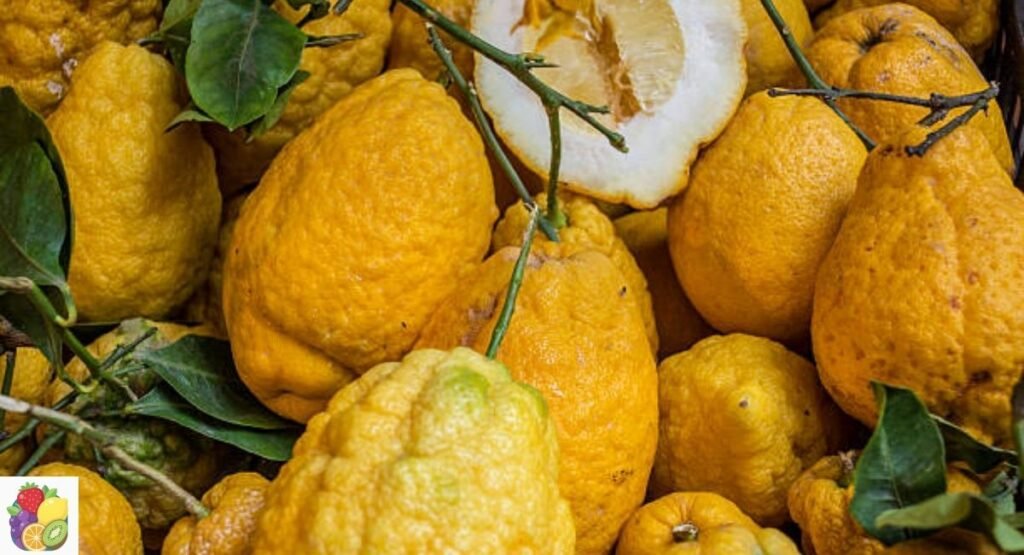
Citron is one of the ancient citrus fruits and has a remarkably thick, fragrant rind. Unlike juicy oranges, it contains relatively little pulp. The aromatic peel is therefore its main culinary feature. People use citron for candied peel, preserves, baking, and traditional foods where its distinctive fragrance stands out.
15. Cupuaçu
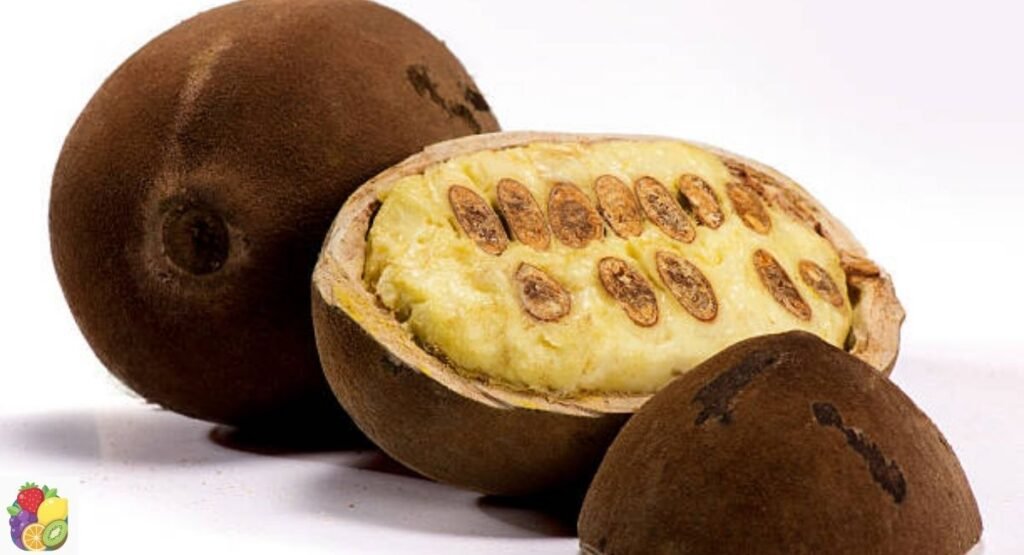
Cupuaçu comes from the Amazon region and has a brown exterior surrounding aromatic white pulp. Its creamy texture and complex sweet-tart taste make it especially interesting. The pulp commonly appears in frozen desserts, drinks, sauces, and sweets. It is a notable example of an Amazonian fruit with global appeal.
16. Cempedak
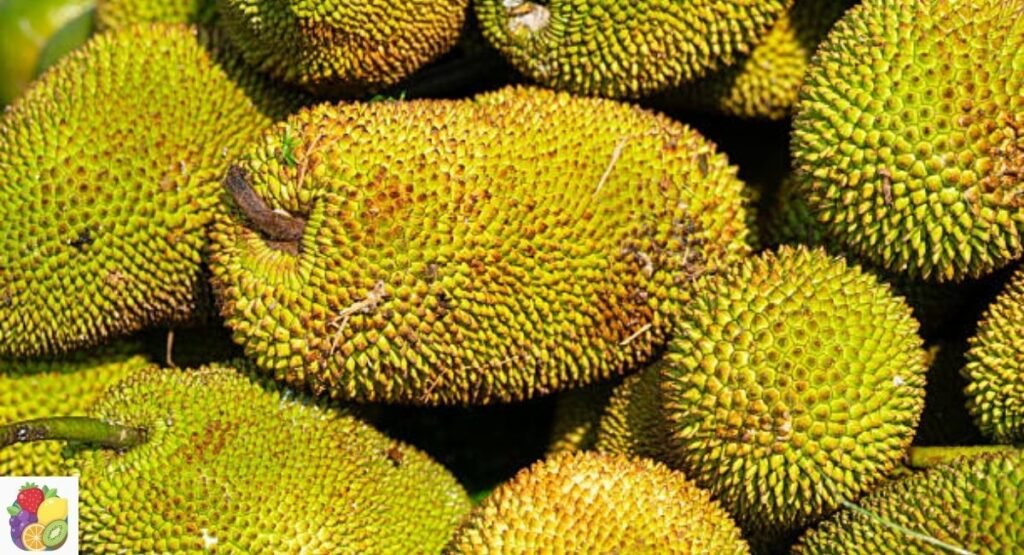
Cempedak is a tropical fruit related to jackfruit and breadfruit. Its elongated body contains soft yellow-orange segments with a rich aroma and sweet flavor. The texture tends to be softer than jackfruit. Depending on local traditions, people eat the flesh fresh or prepare the fruit in cooked dishes.
17. Cocoplum
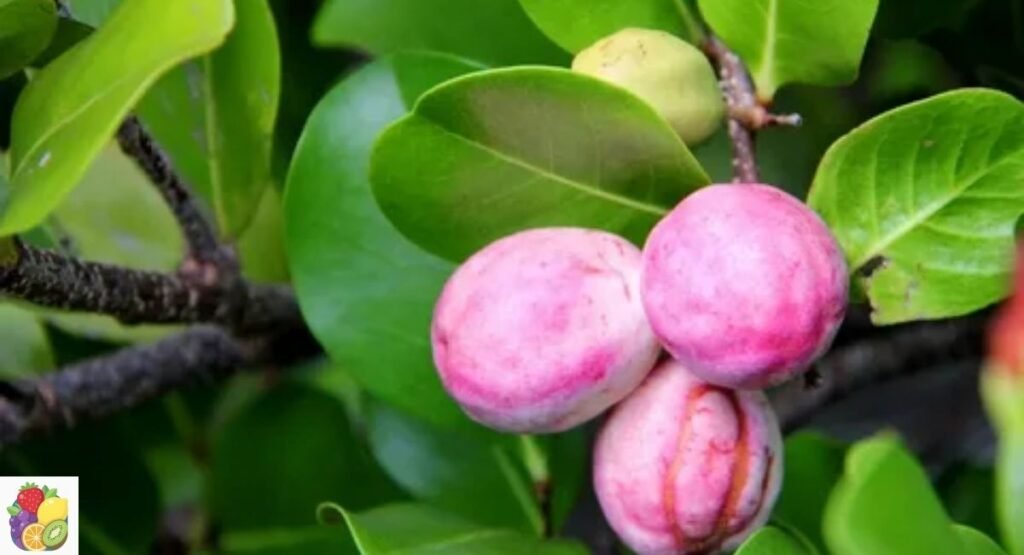
Cocoplum is a small tropical fruit found in warm coastal areas. Its fruits may appear pale, red, or dark purple depending on the variety and stage of ripeness. The flesh can taste mildly sweet with a soft texture. People use cocoplum in preserves, jellies, drinks, and fresh preparations.
18. Camu Camu
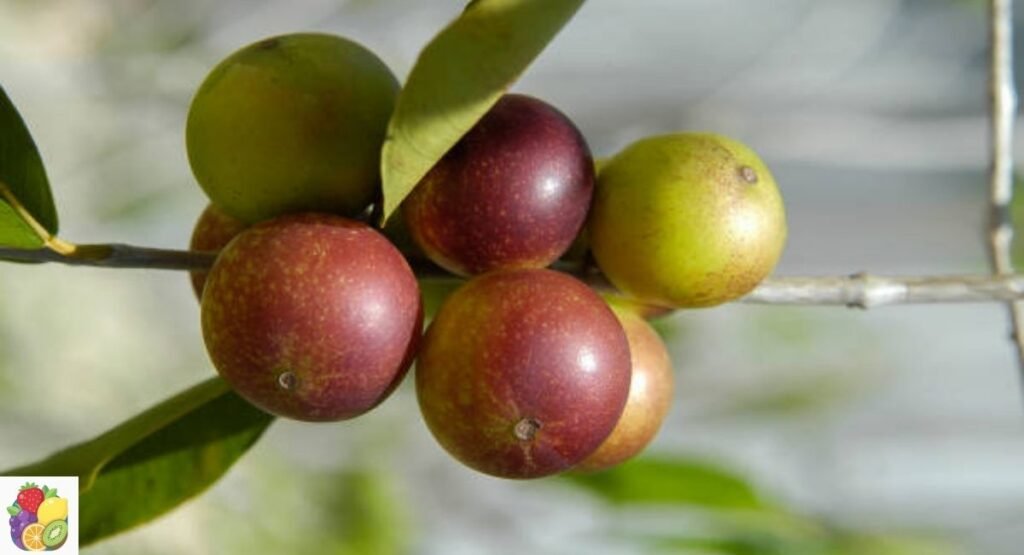
Camu camu is a small Amazonian fruit famous for its intensely tart pulp. Its strong acidity makes fresh eating less common than processed uses. Manufacturers often turn it into powders, drinks, and smoothie ingredients. It also contains vitamin C, which helps explain its popularity among nutrient-focused food products.
19. Chico Fruit
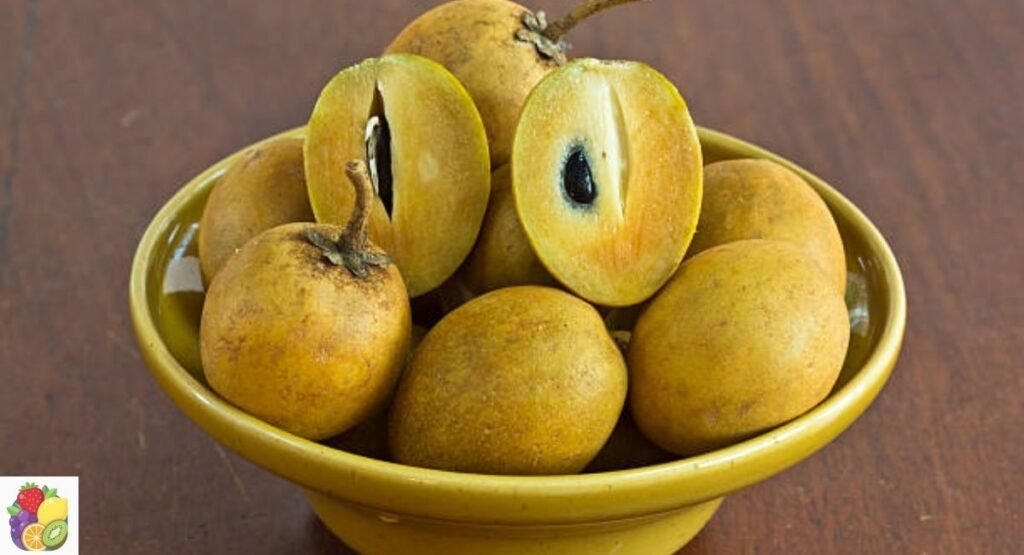
Chico fruit, commonly called sapodilla, has rough brown skin and soft, sweet flesh. Its flavor can remind you of caramel, brown sugar, or pear. Several dark seeds sit inside the fruit. Once ripe, the flesh becomes tender and pleasant for fresh eating, shakes, desserts, and regional recipes.
20. Cactus Pear
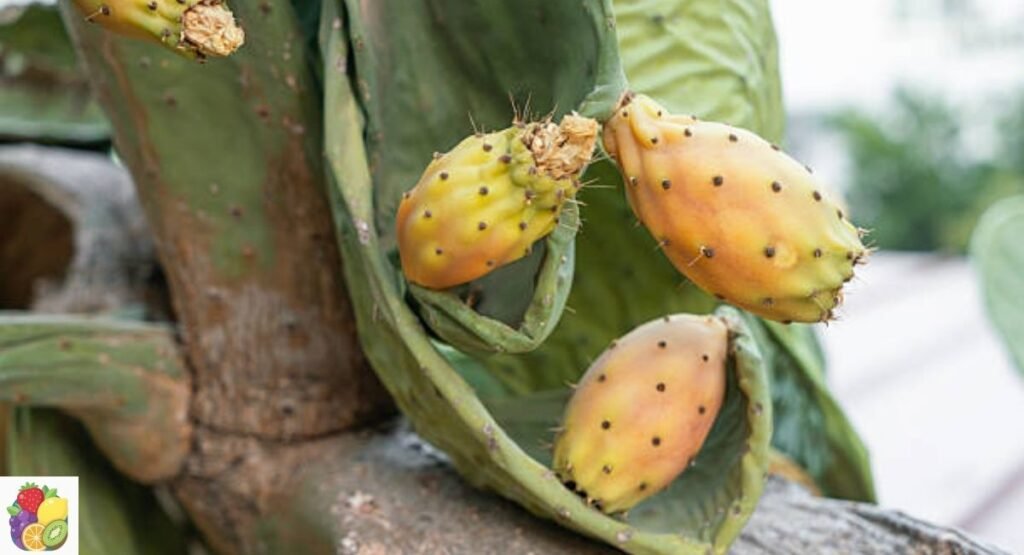
Cactus pear grows on certain prickly pear cacti and comes in striking colors. Depending on the variety, its flesh may be red, purple, orange, pink, or yellow. Numerous tiny seeds remain throughout the juicy pulp. Its mildly sweet taste suits fresh eating, beverages, syrups, jams, and desserts.
21. Cornelian Cherry
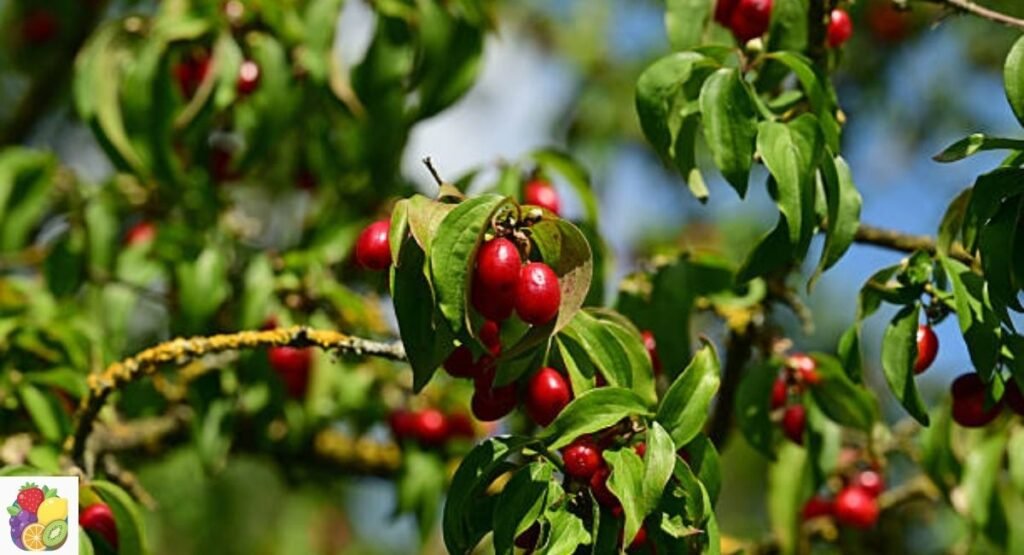
Cornelian cherry looks somewhat like a small elongated cherry, yet it has a noticeably tart flavor. The fruit usually develops a rich red color when mature. Its firm texture works well in preserves, syrups, sauces, and beverages. Despite its common name, it isn’t the same fruit as a typical sweet cherry.
22. Crowberry
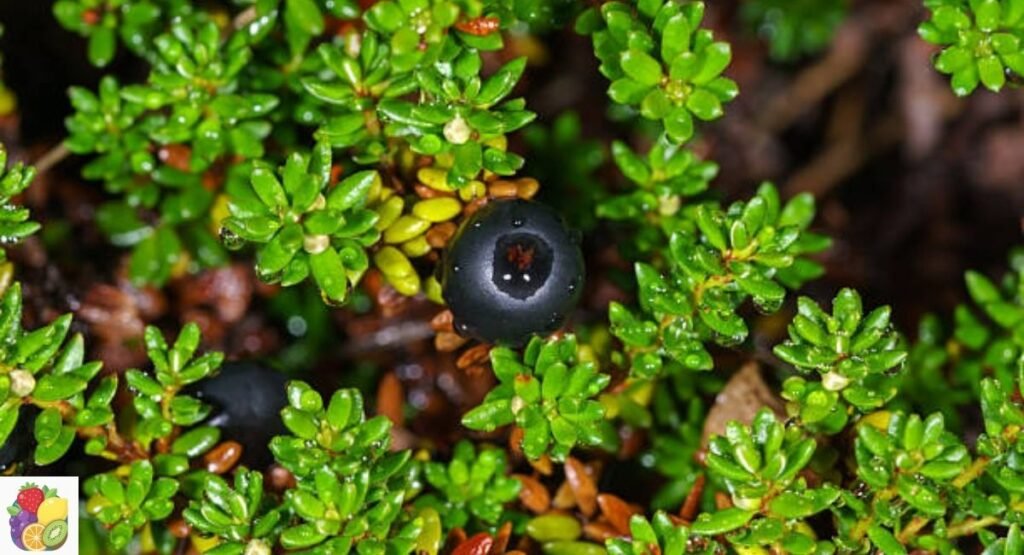
Crowberry is a small dark berry that grows naturally in cool northern environments. Its fruits can appear almost black or deep purple when mature. The flavor is generally mild rather than intensely sweet. Local communities have traditionally used crowberries in preserves and regional foods, especially in northern landscapes.
23. Ceylon Gooseberry
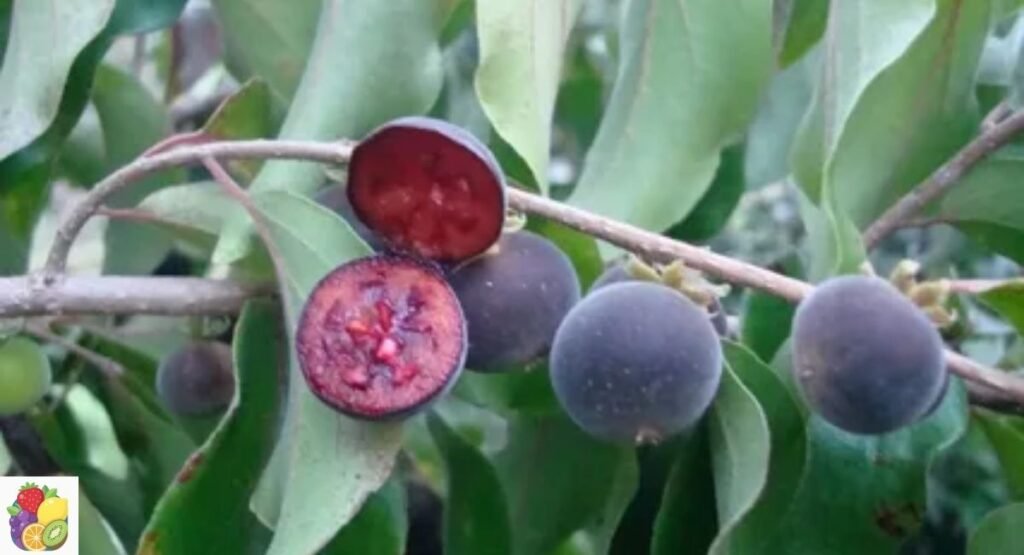
Ceylon gooseberry is a lesser-known tropical berry with a distinctive appearance and tart flavor. Its fruit can develop greenish, yellowish, or darker tones as it matures. The berries may be eaten fresh or turned into preserves, sauces, and drinks. It remains far less familiar than cranberry or currant.
Fruits That Start With C With Seeds or Pits
A seed and a pit aren’t quite the same thing. A fruit pit usually describes a hard stone that surrounds a seed, as found in cherries. Loose seeds appear in fruits such as cantaloupe and cherimoya. This difference becomes useful when comparing the many seed-bearing fruits in this guide.
| Fruit | Seed or Pit | What You’ll Find |
| Cherry | Pit | One hard central stone |
| Cantaloupe | Seeds | Many flat seeds |
| Cherimoya | Seeds | Large dark seeds |
| Carambola | Seeds | Small seeds |
| Cactus pear | Seeds | Numerous tiny seeds |
| Cashew apple | Associated seed | Cashew develops outside the fleshy part |
Seeds also vary greatly in size and texture. Some are tiny and easy to swallow, while others are large and should be removed. Cactus pear is a good example because its numerous small seeds remain embedded throughout the flesh.
Fruits and Vegetables That Start With C
The word “fruit” can mean different things in everyday cooking and botany. Botanically, a fruit develops from a flower’s ovary and often contains seeds. That means some foods we call vegetables actually qualify as botanical fruits, while carrots don’t because they are roots.
| Food | Everyday Category | Botanical Classification |
| Cucumber | Vegetable | Fruit |
| Corn | Vegetable/grain | Fruit |
| Capsicum | Vegetable | Fruit |
| Carrot | Vegetable | Root |
| Cantaloupe | Fruit | Fruit |
This distinction explains why searches for fruits and vegetables beginning with C can produce mixed results. Cucumber, corn, and capsicum commonly appear in vegetable lists. Botanically, however, their development and seed-bearing structure place them among fruits.
Fruits That Start With C: Quick Comparison Table
The table below gives you a quick snapshot of the main varieties. Their textures range from crisp and juicy to creamy and dense. Their flavors also span sweet, tart, sour, mild, and intensely aromatic profiles.
| Fruit | Type | Flavor | Seeds/Pit | Common Use |
| Cantaloupe | Melon | Sweet | Seeds | Fresh eating |
| Cherry | Stone fruit | Sweet/tart | Pit | Snacks, desserts |
| Coconut | Tropical fruit | Mild | Seed | Drinks, cooking |
| Cranberry | Berry | Tart | Seeds | Sauces, drinks |
| Cherimoya | Tropical fruit | Sweet, creamy | Seeds | Fresh eating |
| Carambola | Tropical fruit | Sweet/tart | Seeds | Salads, drinks |
| Calamansi | Citrus | Sour | Seeds | Drinks, sauces |
| Cactus Pear | Cactus fruit | Sweet | Seeds | Fresh eating, drinks |
Fruits That Start With C in French
The nutritional profile also varies considerably. USDA food-composition resources track nutrients and food components across many fruits and preparations. Their data include items such as cantaloupe, carambola, cherries, and cranberries.
Fruit names can change significantly between languages. A simple translation table helps readers who are studying vocabulary, researching international recipes, or comparing fruit names in Spanish and French.
| English Fruit | French Name |
| Cantaloupe | Cantaloup |
| Cherry | Cerise |
| Coconut | Noix de coco |
| Cranberry | Canneberge |
| Clementine | Clémentine |
| Citron | Cédrat |
These translations also show why direct alphabetical searches can become complicated across languages. An English C fruit may not begin with C after translation, even when the fruit itself remains identical.
Fruits That Start With C in Spanish
Spanish fruit names are useful for readers exploring international food labels, recipes, or language-learning resources. Some names resemble English terms, while others look completely different.
| English Fruit | Spanish Name |
| Cantaloupe | Melón cantalupo |
| Cherry | Cereza |
| Coconut | Coco |
| Cranberry | Arándano rojo |
| Clementine | Clementina |
| Carambola | Carambola |
Therefore, C fruits in Spanish don’t always follow the same alphabetical pattern as English C fruits. The table provides a simple way to compare the two naming systems.
Red Fruits That Start With C
Red C fruits cover several different botanical groups. Cherries have firm flesh around a central pit, while cranberries and currants behave more like classic small berries. Crabapples can also develop vivid red skin depending on the cultivar.
| Fruit | Typical Red Color | Type |
| Cherry | Bright to deep red | Stone fruit |
| Cranberry | Bright red | Berry |
| Currant | Red | Berry |
| Crabapple | Red varieties | Pome fruit |
| Cornelian cherry | Deep red | Drupe-like fruit |
Color can change with variety and ripeness. Therefore, a fruit shouldn’t always be identified by color alone.
Orange Fruits That Start With C
Orange C fruits provide a particularly attractive mix of citrus, melon, berry-like, and tropical options. Cantaloupe has orange flesh, while clementine develops orange segments beneath its peel.
| Fruit | Orange Color | Main Characteristic |
| Cantaloupe | Orange flesh | Sweet, juicy melon |
| Clementine | Orange skin and flesh | Easy-peel citrus |
| Cape gooseberry | Golden-orange | Papery husk |
| Canistel | Yellow-orange flesh | Custard-like texture |
| Cactus pear | Orange varieties | Tiny edible seeds |
The color often comes from natural plant pigments. However, the exact shade can vary between cultivars and growing conditions.
Citrus Fruits That Start With C
Citrus fruits bring a recognizable combination of fragrance, acidity, and juicy segments. Among C names, clementine, calamansi, and citron stand out for very different reasons.
| Citrus Fruit | Flavor | Distinctive Feature |
| Clementine | Sweet | Easy to peel |
| Calamansi | Sour | Small and aromatic |
| Citron | Aromatic | Very thick rind |
Citron is especially unusual because its thick rind matters more than its juicy pulp. Calamansi takes the opposite approach with its small size and highly acidic juice.
Fruits That Start With Ch
Searching for fruits that start with Ch reveals several recognizable names. Cherry is the most familiar, while cherimoya offers a tropical contrast. Chico fruit adds another lesser-known option because it refers to sapodilla in several regions.
| Fruit | Fruit Type | Main Feature |
| Cherry | Stone fruit | Sweet or tart |
| Cherimoya | Tropical fruit | Creamy flesh |
| Chico fruit | Tropical fruit | Caramel-like flavor |
The “Ch” pattern makes a useful mini-category for alphabet-based searches. It also demonstrates how closely related fruit names can represent completely different botanical groups.
Fruits That Start With Ca
The fruits that start with Ca group contains some of the widest variety in this article. It includes melons, tropical fruits, citrus, berries, and cactus fruits.
| Fruit | Type | Key Feature |
| Cantaloupe | Melon | Sweet orange flesh |
| Carambola | Tropical fruit | Star-shaped slices |
| Calamansi | Citrus | Sharp sour flavor |
| Cape gooseberry | Berry-like fruit | Papery husk |
| Cashew apple | Tropical fruit | Attached cashew seed |
| Canistel | Tropical fruit | Custard-like flesh |
| Camu camu | Amazonian fruit | Very tart pulp |
| Cactus pear | Cactus fruit | Tiny edible seeds |
This group alone shows why a simple alphabetical fruit list can become surprisingly diverse. Taste, texture, climate, and botanical structure all change from one fruit to another.
Fruits That Start With Cr
The fruits that start with Cr group contains several very different choices. Cranberry is a familiar tart berry, crabapple is a small relative of the apple, and crowberry grows mainly in cooler northern environments.
| Fruit | Type | Typical Character |
| Cranberry | Berry | Tart and firm |
| Crabapple | Pome fruit | Small and often tart |
| Crowberry | Berry | Dark and mild |
Their names may begin with the same two letters, yet their growing environments and culinary uses differ greatly. That makes this a useful comparison for alphabet-based fruit searches.
Fruits That Start With Co
The fruits that start with Co group includes familiar coconut and the less common cocoplum. Both grow in warm climates, yet their physical structures differ considerably.
| Fruit | Type | Main Feature |
| Coconut | Tropical fruit | Hard shell and edible flesh |
| Cocoplum | Tropical fruit | Small soft fruit |
Coconut has a fibrous outer husk and hard shell, while cocoplum produces a small fleshy fruit. Their shared “Co” beginning doesn’t mean they share the same botanical structure.
Fruits That Start With Cl
There are relatively few widely recognized fruit names beginning with Cl. That scarcity is worth noting rather than filling the section with questionable names. Alphabetical fruit searches sometimes mix cultivar names, local names, and foods that aren’t actually fruits.
For accurate research, it is better to provide a short section than to force an obscure term into the list. A reliable fruit guide should value botanical accuracy over sheer word count.
Conclusion
From familiar cherries and cantaloupes to unusual cupuaçu and camu camu, the world of fruits that start with C is remarkably varied. You can find sweet melons, tart berries, aromatic citrus, creamy tropical fruits, and colorful cactus fruits within the same alphabetical group.
The next time you see an unfamiliar C fruit, give it a closer look. Its seeds, texture, flavor, color, and origin may tell a fascinating story. With so many C fruit varieties available, there is always another one worth discovering.
FAQs
What is a fruit that starts with C?
Common examples include cantaloupe, cherry, coconut, cranberry, clementine, and carambola. Less familiar choices include cupuaçu, canistel, camu camu, and cempedak.
What are 5 fruits that start with C?
Five easy examples are cantaloupe, cherry, coconut, cranberry, and clementine. They represent different groups, including melons, stone fruits, tropical fruits, berries, and citrus.
What tropical fruit starts with C?
Several tropical choices begin with C, including coconut, cherimoya, carambola, cupuaçu, cempedak, and cashew apple. Their flavors range from creamy and sweet to sharply tart.
Which fruits that start with C have seeds or pits?
Cherries contain a hard pit, while cantaloupes, cherimoyas, carambolas, and cactus pears contain seeds. The size and number of seeds vary considerably among these fruits.
Are there fruits and vegetables that start with C?
Yes. Cucumber, corn, and capsicum are commonly treated as vegetables even though botanically they are fruits. Carrot is a root vegetable, not a botanical fruit.

Welcome to Fruitloria.com! I’m Anam Sattar, an AI-powered SEO Specialist and Content Writer with over 4 years of experience in creating high-quality, search-optimized content. I help businesses improve their search engine rankings, increase organic traffic, and build beautiful, user-friendly websites. My mission is to make SEO, content creation, and web design simple, effective, and accessible for everyone. Let’s grow your online presence and achieve success together!
1 thought on “20+ Fruits That Start With C: Tropical, Exotic & Common With Seeds and Pits”