


If you’re searching for fruits that start with D, you’ll find far more choices than you might expect. From sweet dates and colorful dragon fruit to rich durian, this letter offers an exciting mix of flavors and textures. Some common fruits are easy to find in American grocery stores, while others are rare discoveries from tropical regions. You’ll also encounter exotic fruits, unique Asian varieties, and unusual native fruits from Australia.
This guide explores 20 delicious options, including their taste, appearance, origins, and popular uses. Whether you need a fruit that starts with D for a school project, food list, or simple curiosity, these fascinating fruits make the search much more enjoyable.
Fruits That Start With the Letter D: Quick List
The table below gives you a quick look at 20 fruits that start with letter D. Some are widely available in the United States, while others remain regional specialties. Their flavors range from intensely sweet dates to sharply tart Davidson’s plum.
| Fruit | Fruit Type | Flavor | Region |
| Dates | Drupe | Sweet, caramel-like | Middle East, North Africa |
| Dragon Fruit | Cactus fruit | Mild, sweet | Tropical regions |
| Durian | Tropical fruit | Rich, creamy | Southeast Asia |
| Damson | Stone fruit | Tart, sweet | Europe |
| Duku | Tropical fruit | Sweet, tangy | Southeast Asia |
| Dalandan | Citrus fruit | Sweet-tart | Southeast Asia |
| Davidson’s Plum | Native fruit | Very tart | Australia |
| Desert Lime | Citrus fruit | Sharp, acidic | Australia |
| Dabai | Tropical fruit | Creamy, savory | Borneo |
| Date Plum | Persimmon relative | Sweet, rich | Europe and Asia |
| Dekopon | Citrus hybrid | Sweet, juicy | Japan |
| Duku-Langsat | Tropical fruit | Sweet, tangy | Southeast Asia |
| Longan | Tropical fruit | Sweet, floral | Southeast Asia |
| Dwarf Banana | Banana cultivar | Sweet | Tropical regions |
| Dwarf Cavendish Banana | Banana cultivar | Sweet, creamy | Tropical regions |
| African Pear | Tropical tree fruit | Rich, buttery | Africa |
| Damara Plum | Regional fruit | Tart, fruity | Southern Africa |
| Kei Apple | Berry-like fruit | Tart, aromatic | Southern Africa |
| Duku Komering | Duku variety | Sweet, juicy | Indonesia |
| Dwarf Tamarillo | Berry-like fruit | Sweet-tart | South America |
20 Fruits That Start With D
1. Dates
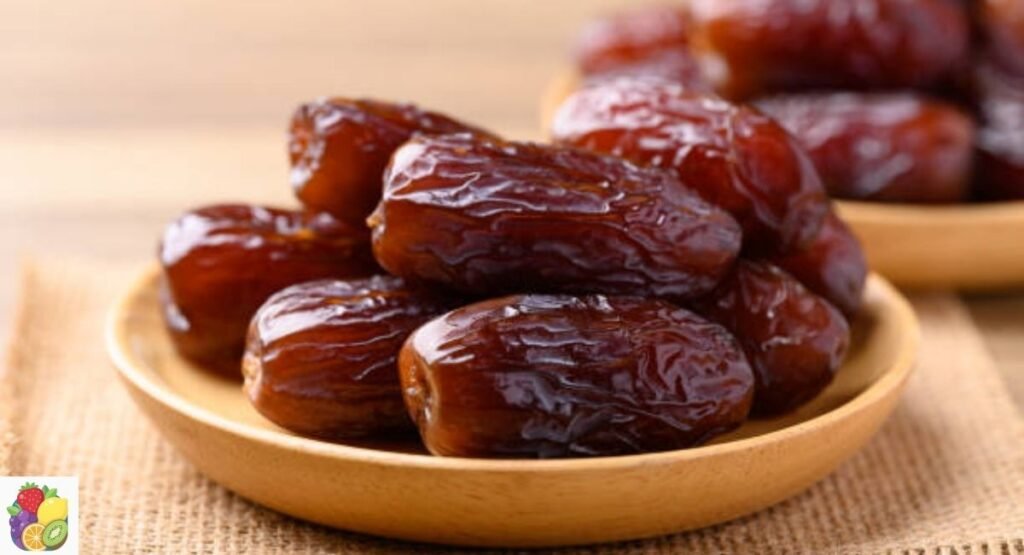
Dates are among the most familiar fruits that start with D. They grow on date palms and develop from smooth, firm fruits into soft, wrinkled ones as they ripen. Their flavor becomes deeply sweet, often with caramel or honey-like notes.
Medjool and Deglet Noor are popular varieties in the United States. You can eat dates fresh or dried. They also work beautifully in desserts, smoothies, energy snacks, baked goods, stuffed appetizers, and sauces.
2. Dragon Fruit
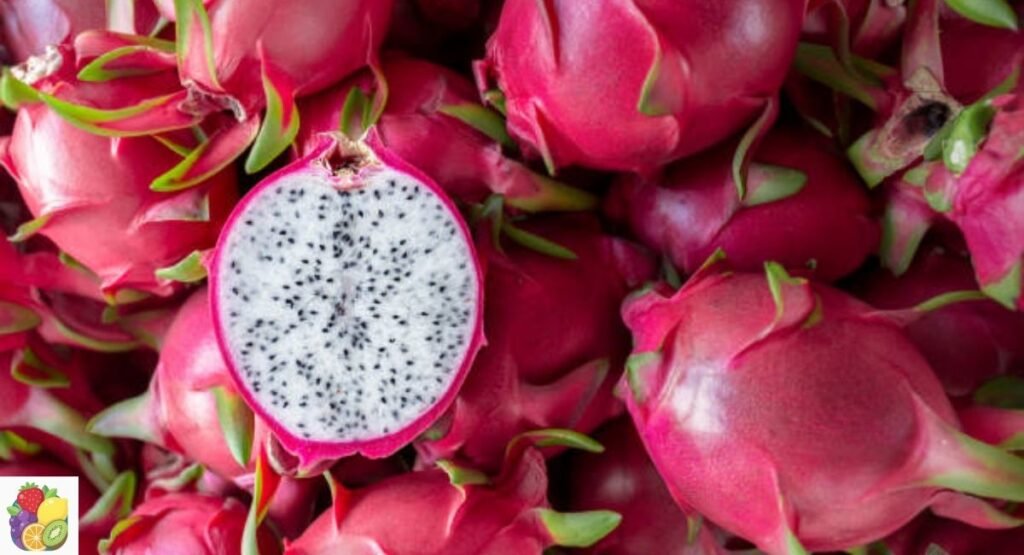
Dragon fruit, also called pitaya, is a striking tropical fruit from cactus plants. Its bright pink, red, or yellow skin surrounds juicy flesh filled with tiny black seeds. White-fleshed varieties are common, while red-fleshed types usually have a stronger color.
The flavor is generally mild and refreshing. Its texture resembles a soft kiwi in some varieties. Americans commonly use dragon fruit in smoothies, fruit bowls, salads, desserts, juices, and chilled snacks. Its dramatic appearance also makes it popular in colorful food photography.
3. Durian
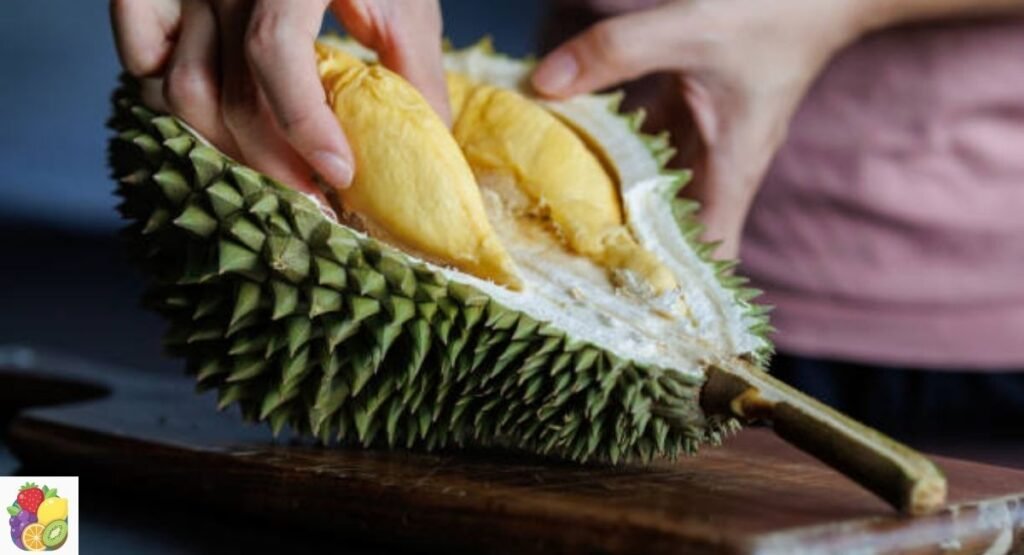
Durian is one of the most famous Asian fruits beginning with D. It grows throughout tropical Southeast Asia and has a large, thorn-covered shell. Inside, creamy segments surround edible flesh with a powerful aroma that many people find unusual.
Its taste can seem rich, sweet, buttery, or slightly savory. The texture is soft and custard-like when ripe. Durian appears in fresh preparations, ice cream, pastries, candies, shakes, and other sweet dishes across Southeast Asia.
4. Damson
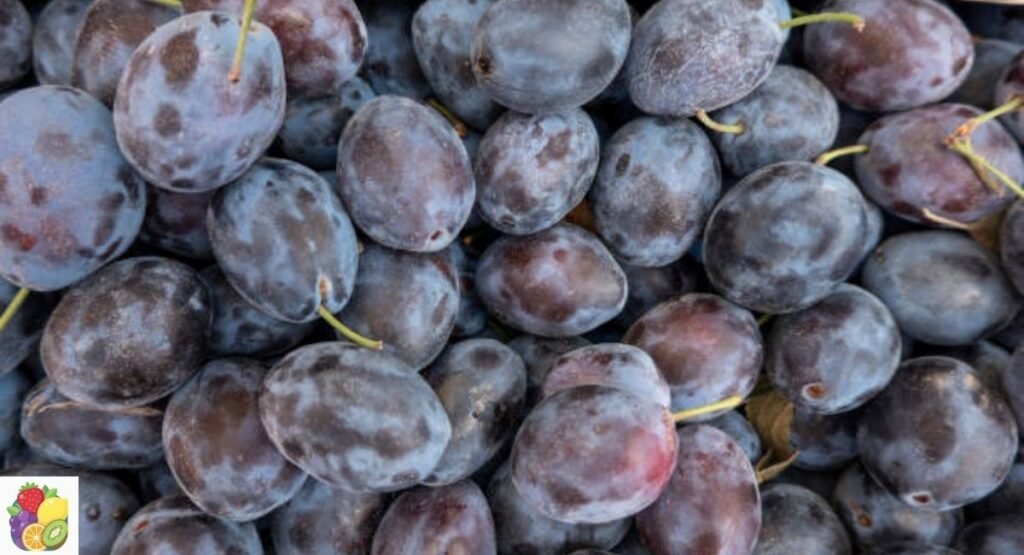
Damson is a small stone fruit related to the common plum. Its skin often appears dark blue or purple, while the flesh can be firm and noticeably tart. That sharper flavor makes damsons different from many sweet dessert plums.
Traditionally, cooks use damsons for jams, jellies, preserves, pies, sauces, and compotes. Their natural acidity gives prepared foods a bright flavor. In the United States, damsons are much less common than standard plums, which makes them an interesting lesser-known fruit.
5. Duku
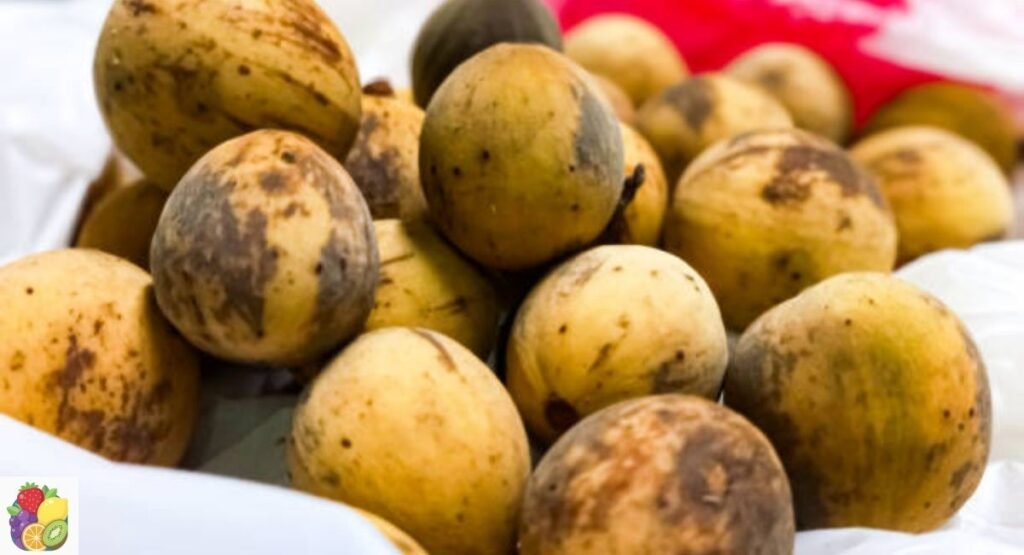
Duku is a small tropical fruit associated with Southeast Asia. It belongs to the Lansium group and is closely related to langsat. The fruit usually has pale yellow or brownish skin with translucent segments inside.
Ripe duku tastes sweet with a mild tang. Its juicy flesh is usually eaten fresh after peeling. Duku and langsat are particularly associated with Indonesia, Malaysia, Thailand, and the Philippines. Botanical and regional naming can vary, so the two names sometimes overlap.
6. Dalandan
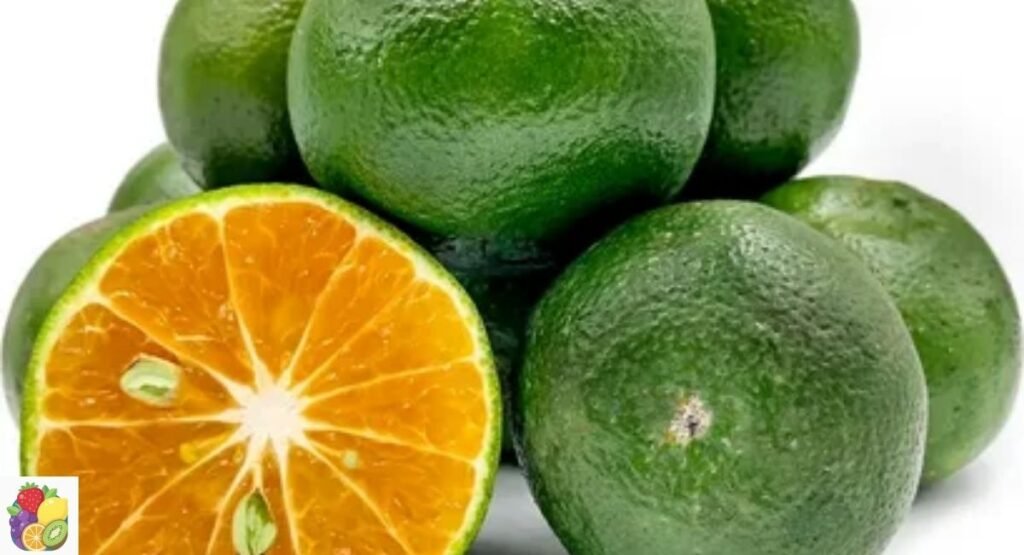
Dalandan is a citrus fruit strongly associated with the Philippines and other parts of Southeast Asia. It resembles a small orange but can retain green coloration even when ripe. Its juicy flesh delivers a refreshing sweet-tart citrus flavor.
People commonly enjoy dalandan fresh or turn it into fruit drinks, juices, desserts, and flavoring. Its citrus character makes it useful when a recipe needs brightness without relying on a standard orange.
7. Davidson’s Plum
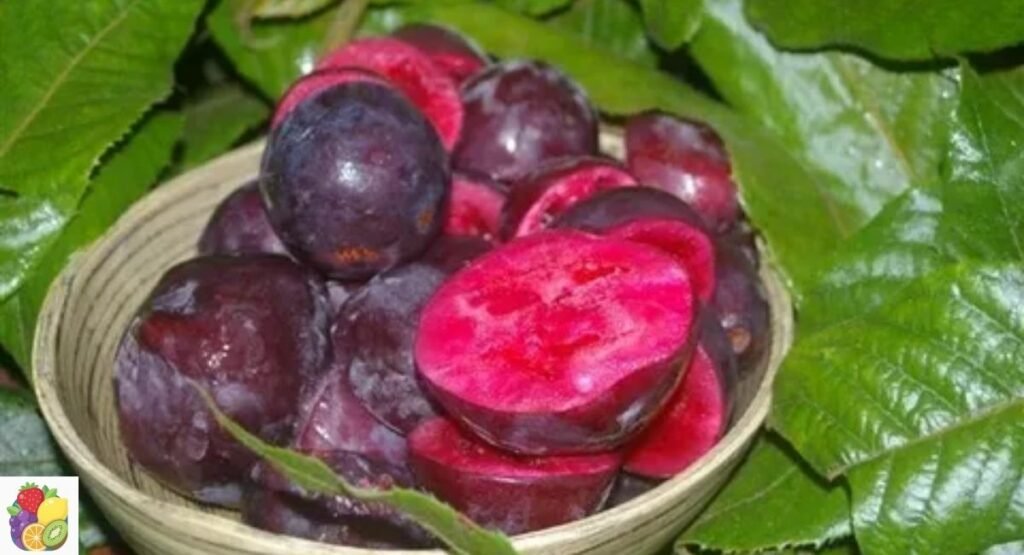
Davidson’s plum is an Australian native fruit with a distinctly tart personality. Several Davidsonia species are known by this common name. The fruit can have dark blue or purple coloring and soft, deeply colored flesh.
Unlike a mild dessert plum, Davidson’s plum often tastes too sharp for casual fresh eating. Instead, cooks use it in jams, sauces, desserts, beverages, and preserves. Its bold acidity makes it valuable in recipes that need a concentrated fruity edge.
8. Desert Lime
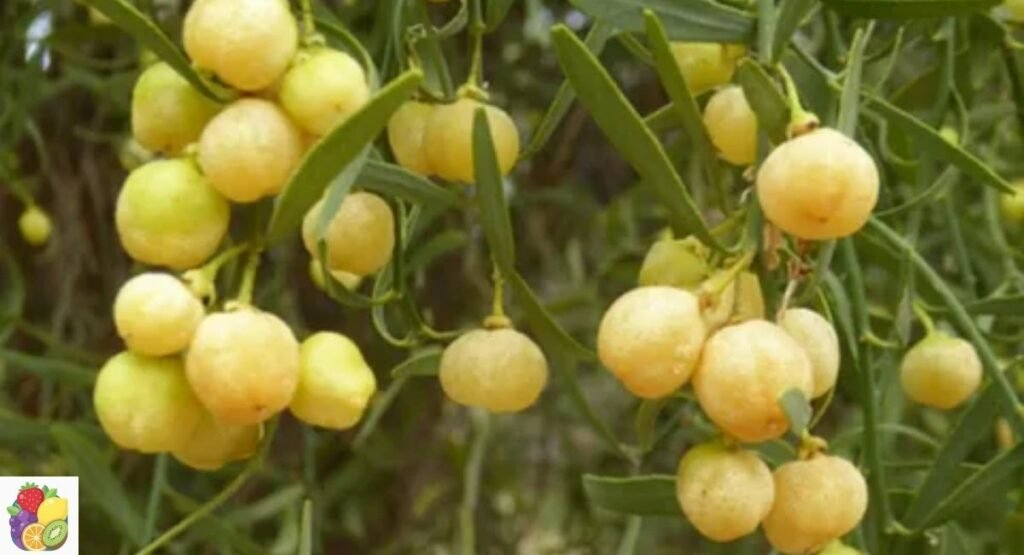
Desert lime is another fascinating Australian fruit. It belongs to the citrus family and produces small fruits with a strongly acidic flavor. Depending on ripeness, the fruit can show greenish or yellow tones.
Its intense citrus character works well in preserves, sauces, drinks, desserts, and flavoring. Desert lime is especially interesting for readers searching for an exotic fruit that starts with D because it is far less familiar in American grocery stores than oranges or lemons.
9. Dabai
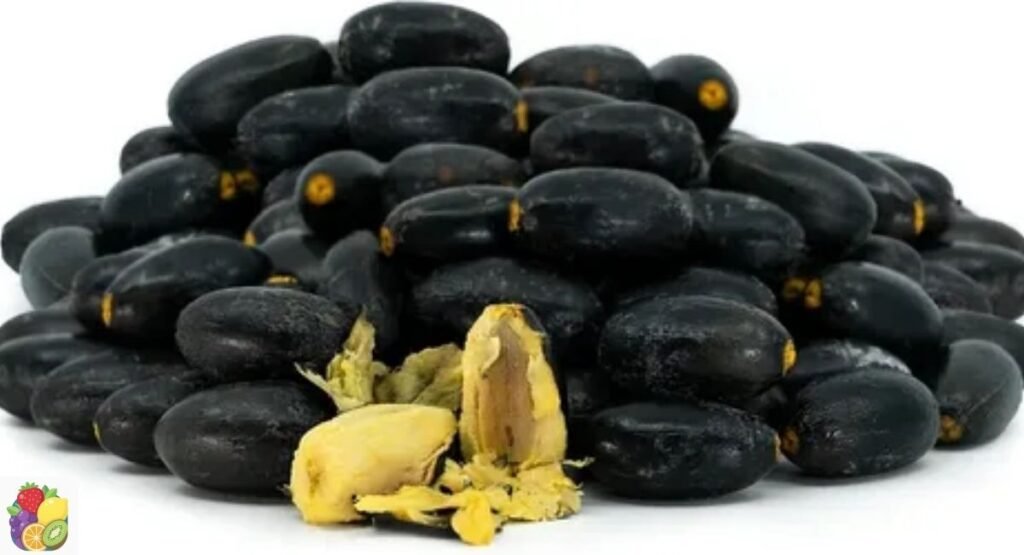
Dabai is a distinctive tropical fruit associated with Borneo. Its skin becomes dark purple to almost black when ripe. Beneath the skin sits soft flesh with a creamy texture that can remind people of avocado.
Dabai is traditionally prepared before eating rather than simply biting into it like an apple. Its unusual texture and regional culinary role make it one of the more intriguing Southeast Asian fruits beginning with D.
10. Date Plum
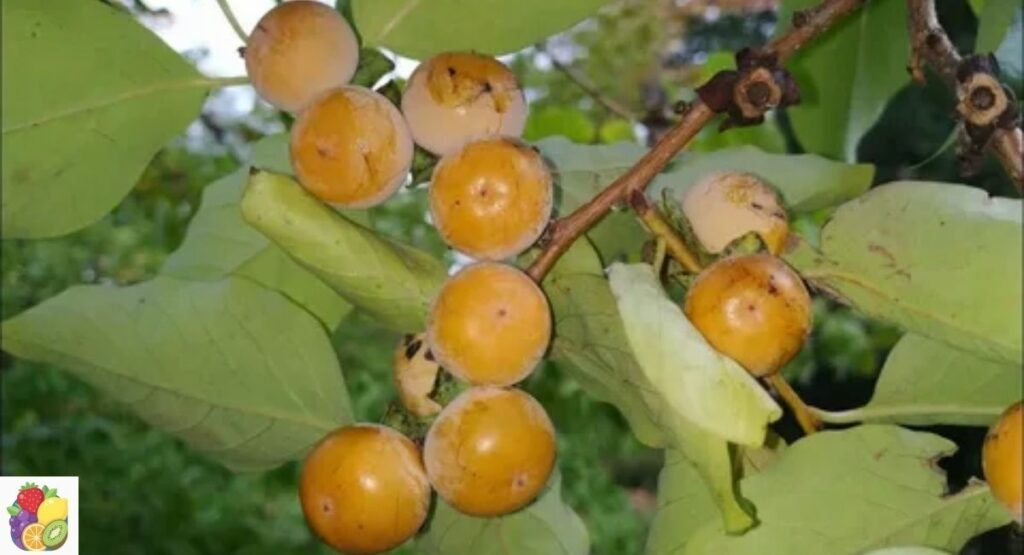
Date plum is a fruit associated with certain species of the Diospyros genus. The name reflects its sweet, rich character when ripe rather than suggesting that it is a cross between a date and a plum.
Its fruit can become soft and sweet as it matures. Depending on the species and region, people eat it fresh or use it in traditional food preparations. This fruit is a good example of how common names can create confusion between unrelated-looking fruits.
11. Dekopon
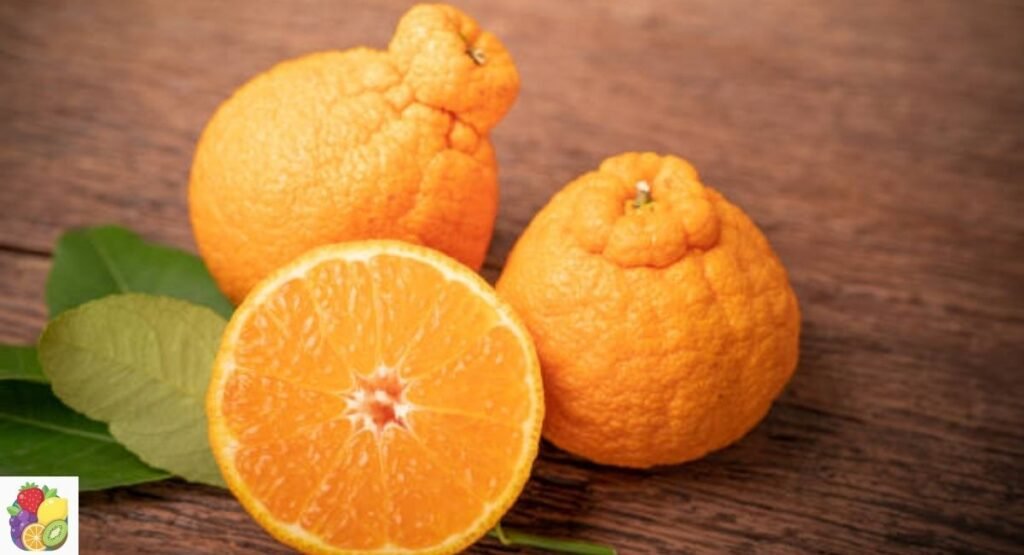
Dekopon is a distinctive citrus variety developed in Japan. It is easy to recognize because of the raised bump around the stem end. The fruit has a loose peel, juicy segments, and a notably sweet citrus flavor.
Dekopon became especially recognizable in the United States through specialty citrus marketed under names such as Sumo Citrus. It is usually eaten fresh because its sweetness, juiciness, and easy peeling make it convenient for snacking.
12. Duku-Langsat
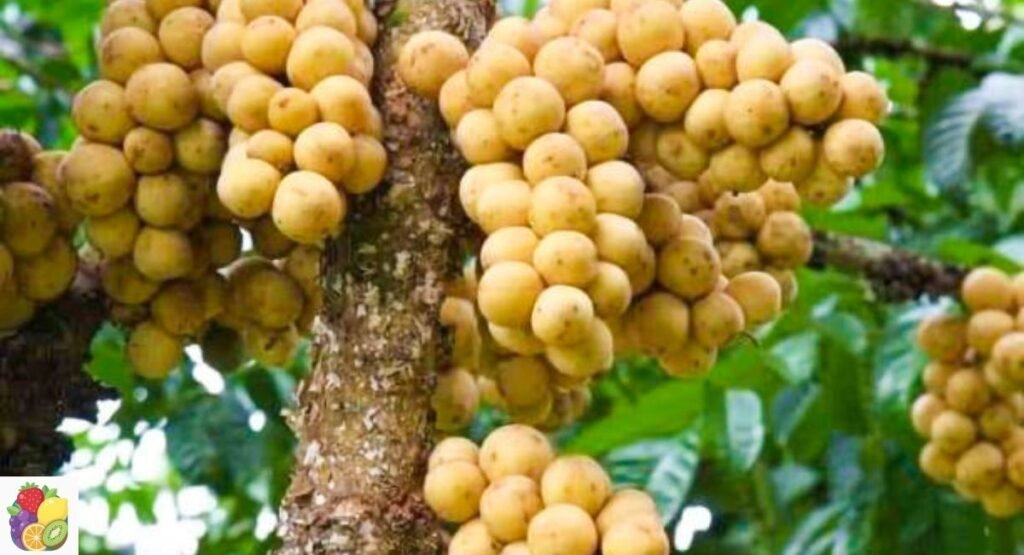
Duku-langsat refers to closely related fruits within the Lansium group. Duku and langsat share a similar appearance, but regional varieties can differ in skin, seeds, sweetness, and texture.
These Southeast Asian fruits grow mainly in countries such as Indonesia, Malaysia, Thailand, and the Philippines. A useful distinction is that botanical classification and local naming do not always line up perfectly. Oxford’s Companion to Food describes duku and langsat as two Southeast Asian fruits classified within Lansium domesticum.
13. Longan (Dragon’s Eye Fruit)
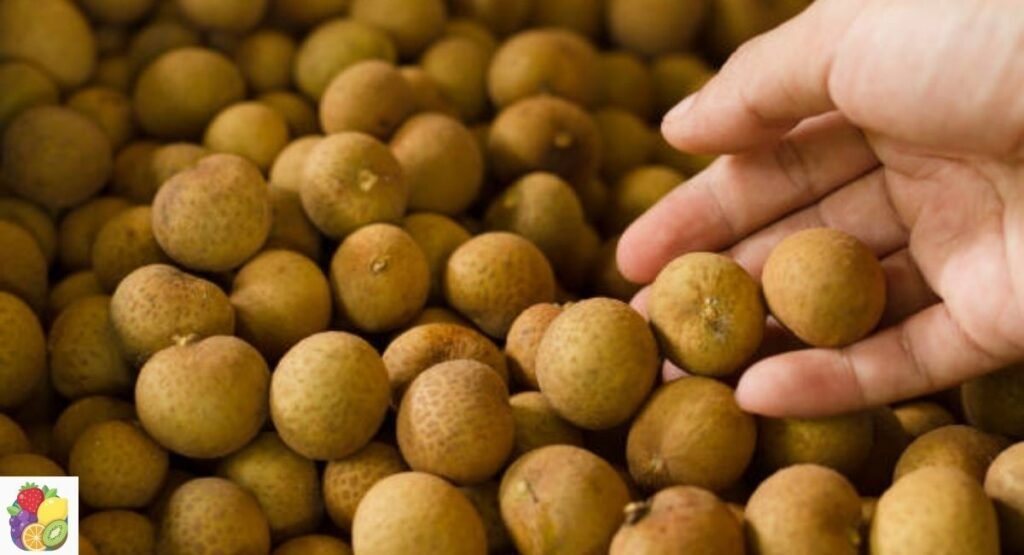
Longan is often called the dragon’s eye fruit because of its appearance after peeling. Its translucent flesh surrounds a dark seed. Together, the pale flesh and black seed can resemble an eye.
Longan has a sweet, floral flavor and juicy texture. It is widely associated with Southeast Asia and can be eaten fresh or dried. It also appears in desserts, drinks, soups, and other regional preparations.
14. Dwarf Banana
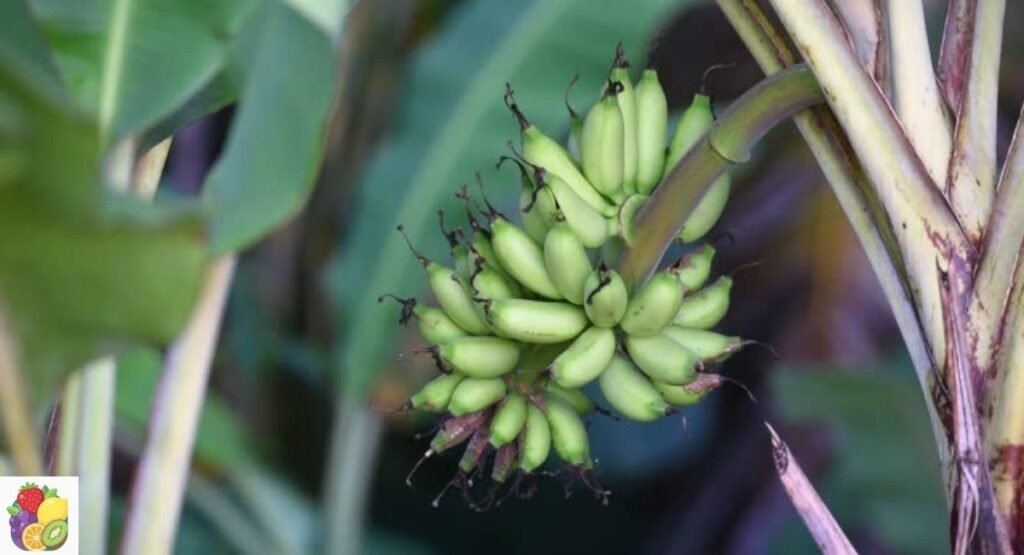
Dwarf banana describes compact banana cultivars that grow shorter than many traditional banana plants. The term does not identify just one universal variety. Instead, several banana cultivars can be described as dwarf types.
The fruit usually has the familiar sweet banana flavor and creamy texture. Smaller plants can be useful where growing space is limited. In suitable warm climates, dwarf bananas may produce fruit for fresh eating, baking, smoothies, and desserts.
15. Desert Rose Apple
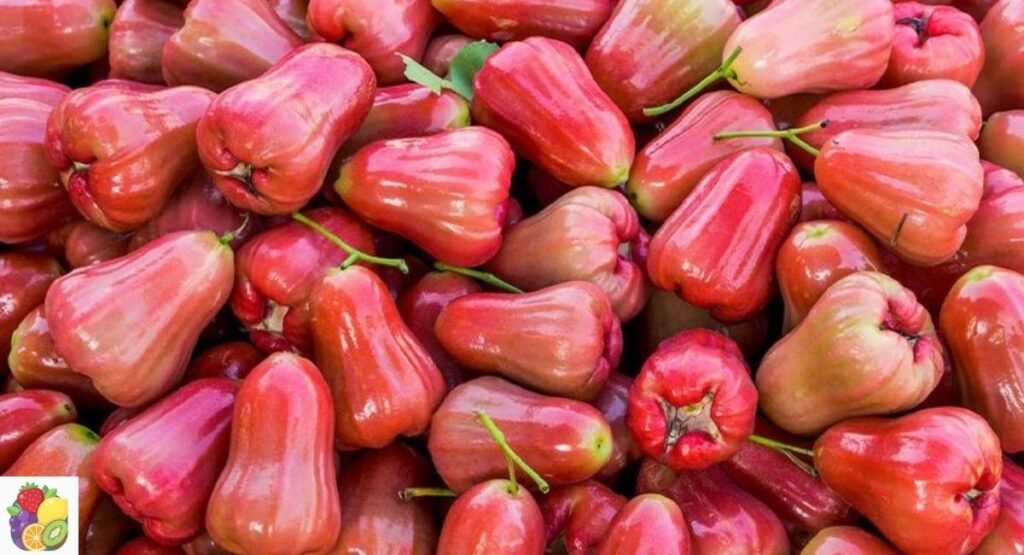
Desert Rose Apple, also known as rose apple, is a fragrant tropical fruit with pale yellow or greenish skin. Its crisp flesh has a light, juicy texture and a delicate aroma that can remind you of rose water. It grows in warm regions and is enjoyed fresh when ripe.
The fruit has a mildly sweet flavor with subtle floral notes. You can eat it fresh or use it in fruit salads, jams, jellies, desserts, and refreshing drinks. Its fragrant character makes it an interesting choice among lesser-known fruits that start with D.
16. (Dacryodes edulis) African Pear
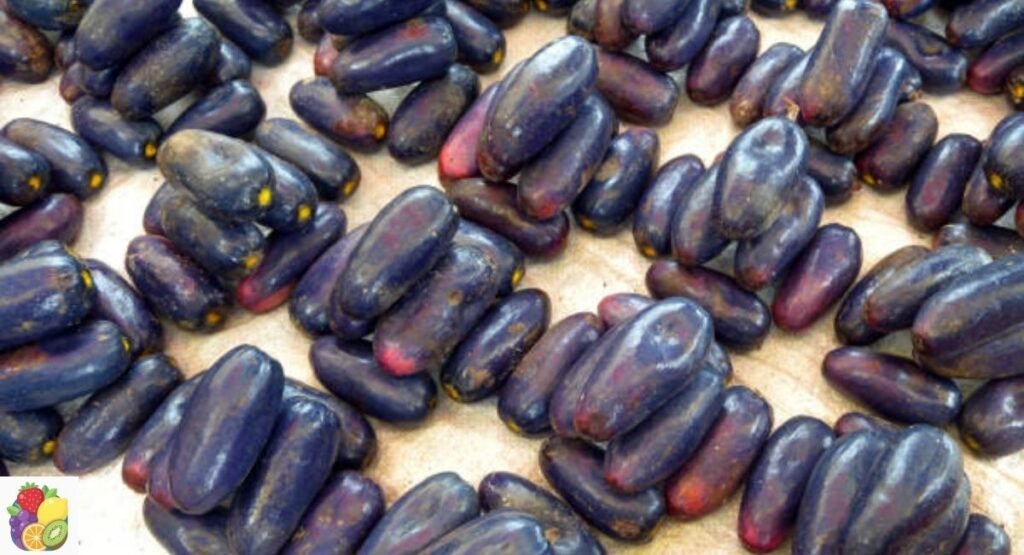
African pear is the common name for Dacryodes edulis, a tropical fruit tree native to parts of Africa. Despite its name, it is not the same fruit as the familiar European pear sold in American stores.
Its fruit has dark skin and relatively rich, soft flesh. The texture can be oily or buttery, which gives it a distinctive culinary identity. It is eaten and prepared in traditional foods in parts of tropical Africa.
17. Damara Plum
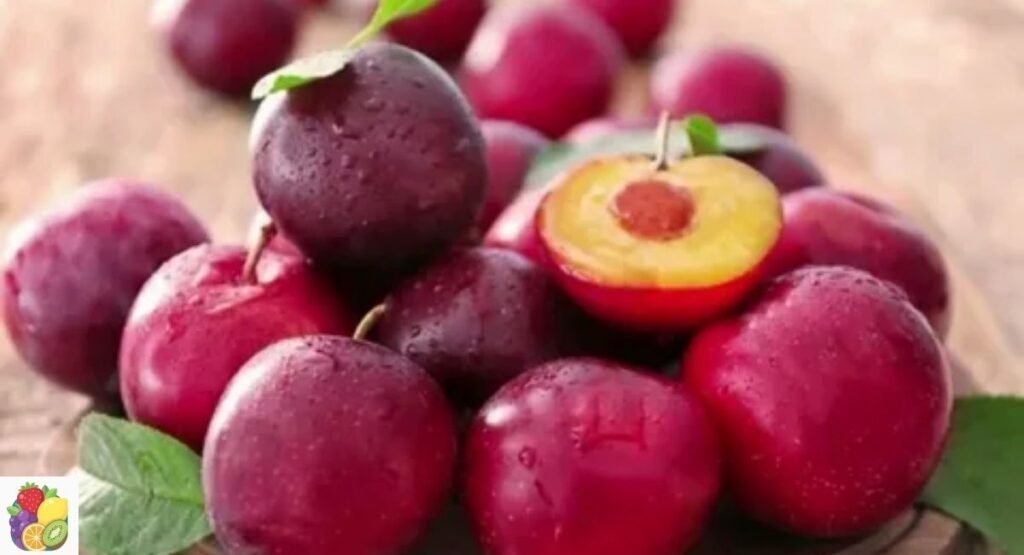
Damara plum is a less familiar regional fruit associated with southern Africa. The name appears in fruit references alongside other unusual plum varieties, although common-name usage can vary by location.
Because regional fruit names are not always standardized, descriptions can differ between sources. It is best treated as a lesser-known fruit rather than assuming it has the same characteristics as the familiar European damson.
18. Dovyalis / Kei Apple
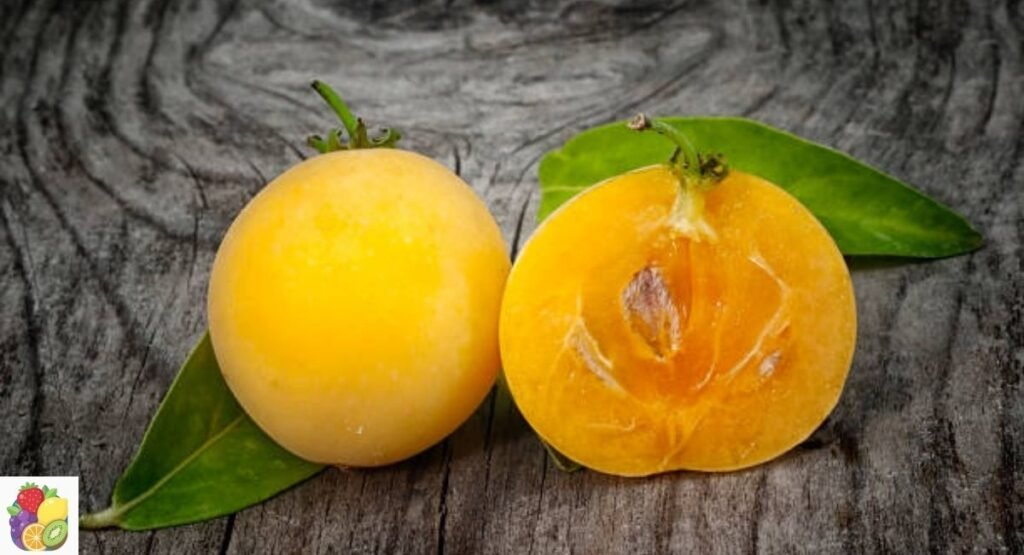
Dovyalis is a group of African fruits that includes the Kei apple, particularly Dovyalis caffra. Despite its common name, Kei apple is not a conventional apple. It produces small, rounded fruits that become yellowish or orange when mature.
The flavor is notably tart and aromatic. That acidity makes the fruit useful for jams, jellies, preserves, sauces, and other cooked preparations. It is a good example of an exotic fruit whose common name can be misleading.
19. Desert Quandong
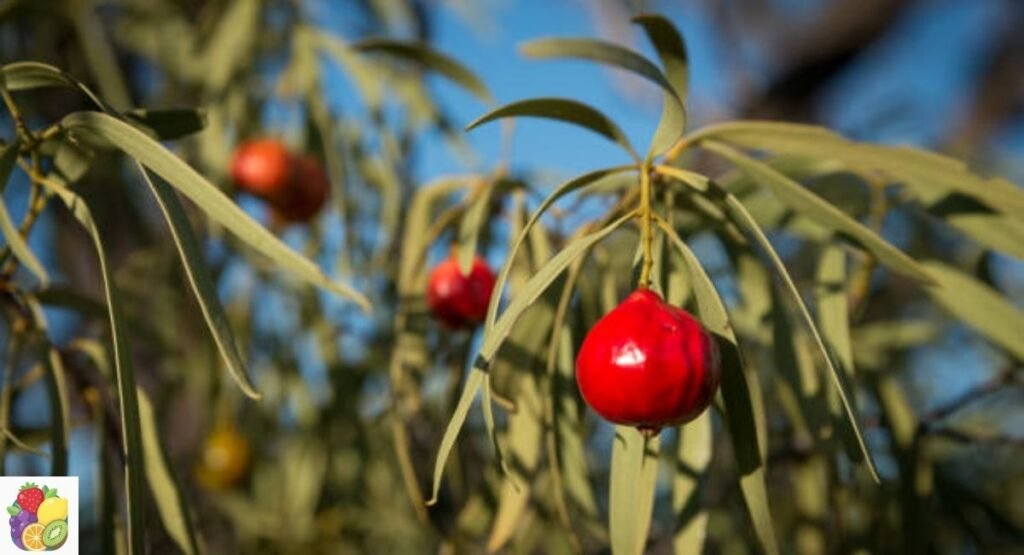
Desert Quandong is a bright red Australian native fruit that grows in dry and semi-arid regions. Its firm flesh has a sharp, tangy flavor with hints of peach and apricot. The fruit has long been valued as a native bush food.
Its strong acidity makes it useful in jams, chutneys, sauces, pies, and other cooked dishes. When prepared with sugar, its tart flavor becomes more balanced and fruity. This unusual Australian fruit adds variety to a list of exotic fruits that start with D.
20. Dovyalis hebecarpa (Ceylon Gooseberry)
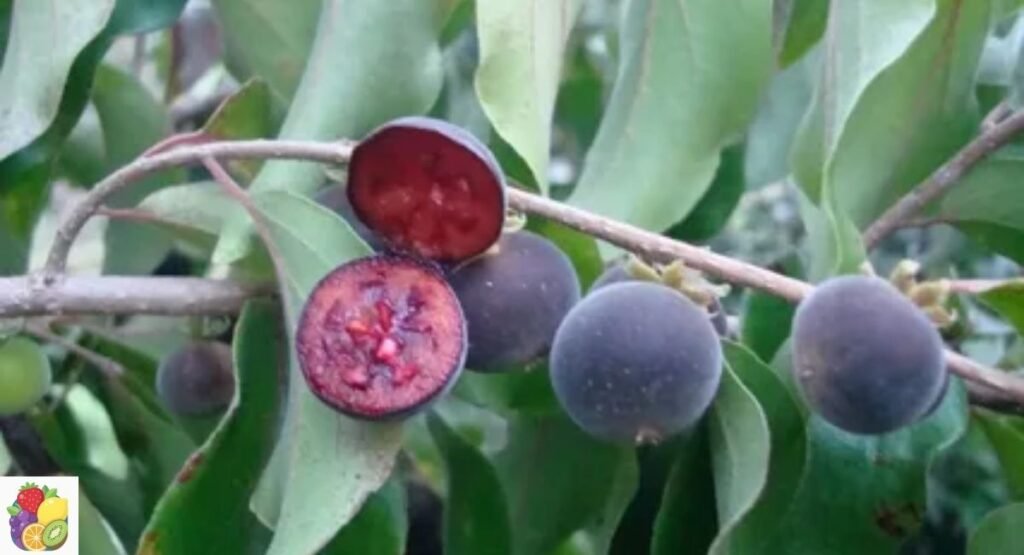
Ceylon gooseberry, scientifically known as Dovyalis hebecarpa, is a small tropical fruit native to Sri Lanka and parts of southern India. The fruit develops a dark purple to almost black color when ripe and contains juicy flesh with a pleasantly sharp, tangy taste.
Because of its strong acidity, it is often prepared with sugar in jams, jellies, syrups, and refreshing preserves. Its unusual appearance and tart flavor make it an interesting choice among exotic fruits that start with D.
Common Fruits That Start With D
Some common fruits that start with D are much easier for Americans to recognize. Dates, dragon fruit, durian, damson, and dalandan are useful examples. Dates are especially familiar because dried dates appear in many supermarkets and specialty food stores.
Dragon fruit has also become increasingly recognizable in U.S. food culture. Durian remains more specialized, while damson and dalandan are more regional. This shows why the word “common” can depend heavily on where you live and what stores you visit.
Exotic Fruits That Start With D
Several exotic fruits that start with D come from regions where they are ordinary local foods. Davidson’s plum, desert lime, dabai, duku, African pear, and Kei apple may seem unusual to American shoppers because they have limited mainstream availability.
Their appeal often comes from unusual combinations of color, flavor, texture, or culinary tradition. For example, dabai has a creamy texture, Davidson’s plum is sharply tart, and desert lime delivers an intense citrus character. These differences make D fruits surprisingly diverse.
Tropical Fruits That Start With D
Many tropical fruits that start with D grow in warm regions where frost is limited. Dragon fruit, durian, duku, dalandan, dabai, and longan all connect strongly with tropical agriculture.
These fruits do not taste alike. Dragon fruit tends to be mild, while durian is rich and creamy. Duku and longan are sweet and juicy. Dabai offers a much more buttery texture. Together, they show how broad the term tropical fruit can be.
Asian Fruits That Start With D
Asia contains many notable Asian fruits that start with D. Durian, duku, dalandan, dabai, longan, and Dekopon each have important regional connections. Southeast Asia is particularly prominent in this group.
Names can change from one country to another. Duku and langsat are a good example. Scientific classification may group related fruits together while local markets use different names. That is why regional context matters when researching Asian fruit varieties.
Fruits and Vegetables That Start With D
When people search for a fruit or vegetable that starts with D, they may be mixing botanical and culinary definitions. Botanically, a fruit develops from a flower’s ovary and commonly contains seeds. Culinary language often uses “vegetable” for savory plant foods.
For example, daikon and dandelion greens are commonly treated as vegetables, while dates and dragon fruit are fruits. This distinction helps explain searches for vegetable or fruit that starts with D and fruits and vegetables that start with D without confusing the main fruit list.
Fruit Foods That Start With D
A search for fruit food that starts with D can mean a prepared food rather than a whole fruit. Dates are particularly versatile because cooks can turn them into desserts, spreads, fillings, sauces, snack bars, and baked foods.
Dragon fruit can become smoothies, bowls, sorbets, and desserts. Durian appears in ice cream, pastries, candies, and other regional treats. Dried fruit is another useful connection because drying changes a fruit’s texture and concentrates its natural sweetness.
Fruits That Start With D in Spanish
Spanish fruit names beginning with D include dátil, the Spanish word for date. Durián is used for durian, while pitahaya is a common Spanish name for dragon fruit. The word endrina refers to the sloe, a fruit related to the plum.
This section needs care because translating every English D fruit into Spanish does not mean the Spanish name also begins with D. For searches such as fruits that start with D in Spanish, the relevant Spanish spelling should be considered rather than simply translating an English list.
Fruits That Start With D: Comparison Table
The comparison below separates familiar and less familiar choices. Some fruits fit several categories at once. For example, dragon fruit can be both exotic and widely recognized, depending on the market.
| Fruit | Common / Exotic | Tropical | Asian | Taste |
| Dates | Common | No | Yes | Sweet |
| Dragon Fruit | Common/Exotic | Yes | Yes | Mild, sweet |
| Durian | Exotic | Yes | Yes | Rich, creamy |
| Damson | Common/Regional | No | No | Tart, sweet |
| Duku | Exotic | Yes | Yes | Sweet, tangy |
| Dalandan | Regional | Yes | Yes | Sweet-tart |
| Davidson’s Plum | Exotic | Yes | No | Very tart |
| Desert Lime | Exotic | No | No | Sharp, acidic |
| Dabai | Exotic | Yes | Yes | Creamy |
| Date Plum | Exotic | No | Regional | Sweet |
| Dekopon | Specialty | No | Yes | Sweet, citrusy |
| Duku-Langsat | Exotic | Yes | Yes | Sweet, tangy |
| Longan | Common/Exotic | Yes | Yes | Sweet, floral |
| Dwarf Banana | Common | Yes | Widely grown | Sweet |
| Dwarf Cavendish Banana | Common | Yes | Widely grown | Sweet, creamy |
| African Pear | Exotic | Yes | No | Rich, buttery |
| Damara Plum | Exotic | Regional | No | Tart |
| Kei Apple | Exotic | Yes | No | Tart, aromatic |
| Duku Komering | Exotic | Yes | Yes | Sweet, juicy |
| Dwarf Tamarillo | Exotic | Yes | No | Sweet-tart |
A Closer Look at Regional D Fruits
One interesting pattern appears when you compare these fruits by geography. Many unusual D fruits are strongly tied to their native environments. Davidson’s plum and desert lime reflect Australia’s distinctive flora. Dabai and duku connect strongly with Southeast Asian food traditions.
Duku Komering offers a useful case study in regional fruit identity. Sources from South Sumatra describe it as a characteristic fruit of the Komering region, with thin skin, sweet flesh, and small seeds. Its cultivation also supports local livelihoods.
“Duku Komering merupakan buah-buahan yang dianggap buah-buahan khas dari Sumatera Selatan.”
The statement comes from a University of Sriwijaya publication discussing the ecological and cultural importance of Duku Komering. This illustrates an important point: a fruit can be ordinary and culturally significant in its homeland while being almost unknown to American shoppers
Why Do So Many D Fruits Have Unusual Names?
Fruit names often come from local languages, geographic locations, physical features, or botanical relationships. Dragon fruit refers to the dramatic appearance of its skin. Longan became known as the dragon’s eye fruit because its peeled appearance resembles an eye.
Regional names can be even more complicated. Duku, langsat, and related names overlap across Southeast Asian languages and markets. Scientific names can help researchers distinguish plants when everyday names become confusing.
What Makes D Fruits So Diverse?
The diversity comes from several factors. These fruits belong to different botanical groups, including citrus, stone fruits, berries, bananas, cactus fruits, and tropical tree fruits. Their native environments also range from dry Australian landscapes to humid Southeast Asian forests.
Their flavors vary just as widely. Some offer natural sweetness, while others are intensely tart or creamy. Texture also changes dramatically, from the chewy flesh of dates to the custard-like texture of durian and the juicy segments of longan.
Conclusion
The world of fruits that start with D reaches far beyond dates and dragon fruit. It includes creamy durian, tart damson, sweet duku, unusual Australian fruits, regional Asian varieties, and distinctive citrus.
Some are familiar in American markets, while others remain rare outside their native regions. Exploring these fruits reveals how much food diversity exists around the world. From the caramel-like sweetness of dates to the sharp flavor of Davidson’s plum, every D fruit brings something different to the table.
FAQs
What is a fruit that starts with the letter D?
Dates are one of the best-known answers. Other examples include dragon fruit, durian, damson, duku, dalandan, and longan.
What are 5 fruits that start with D?
Five examples are dates, dragon fruit, durian, damson, and duku. All are genuine edible fruits with different origins and flavors.
What exotic fruit starts with D?
Davidson’s plum, desert lime, dabai, Kei apple, and African pear are good examples of less familiar D fruits.
What tropical fruits start with D?
Dragon fruit, durian, duku, dalandan, dabai, and longan are notable tropical fruits beginning with D.
What Asian fruit starts with D?
Durian, duku, dalandan, dabai, longan, and Dekopon are examples of Asian fruits that start with D.

Welcome to Fruitloria.com! I’m Anam Sattar, an AI-powered SEO Specialist and Content Writer with over 4 years of experience in creating high-quality, search-optimized content. I help businesses improve their search engine rankings, increase organic traffic, and build beautiful, user-friendly websites. My mission is to make SEO, content creation, and web design simple, effective, and accessible for everyone. Let’s grow your online presence and achieve success together!
1 thought on “20 Fruits That Start With D: Exotic, Tropical & Common Fruits”